https://https://uk.trip.com/toplist/tripbest/recommend/nanjing/best-things-to-do/10072672911111


Best Things to Do

Popular Best Things to Do in Nanjing [2025]
Table of contents

Show All Photos
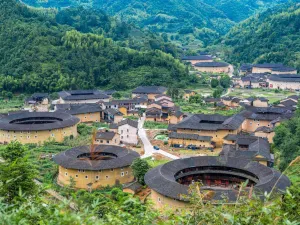
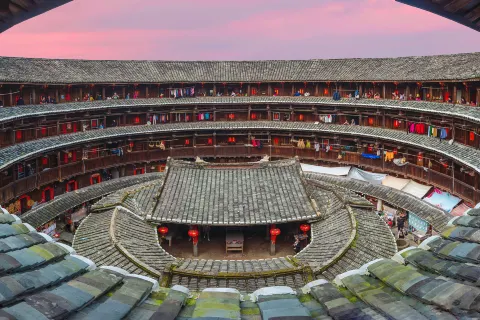
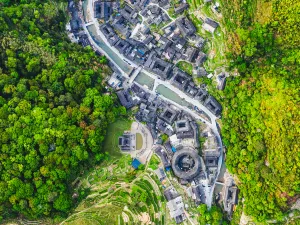
Fujian (Nanjing) Tulou Scenic Area
4.4
/5
912 reviews
7.5
From KRW 8299
30.5 km from downtown
Phone +864008885111
Address: Shoyo Uesaka Murata Dormitory
Recommended sightseeing time: 0.5–1 day
Highlights:
Spectacular circular buildings layout
Round Tulou & Yunshuiyao Ancient Town

Saved by 436 users761 positive reviews
Verified user reviews



Staying in a traditional earthen building with modern facilities, it's comfortable, pleasant, and elegant. The butler provides attentive one-on-one service, always ready to assist. It's a rural tourism experience that meets modern five-star service standards. I would definitely recommend it to friends!
Nanjing Tulou, a World Cultural Heritage site and a gem of traditional Chinese architecture, comprises over 1,300 buildings.
Architecturally, Nanjing Tulou are unique in shape, adhering to the "round sky and square earth" concept, and come in various forms including round, square, and mansion-style. They ingeniously utilize the narrow, flat terrain in the mountains, perfectly combining traditional rammed earth construction techniques with the mortise-and-tenon method of building. For example, the Hegui Building, built on marshland, remains sturdy and stable after over 200 years.
Defensively, Tulou are veritable fortresses. Their thick outer walls, lack of outward-facing windows on the first floor, and the presence of firing ports and watchtowers, along with sturdy gates equipped with fireproofing devices, effectively repelled external attacks.
Culturally, Tulou served as ancestral homes, reflecting a strong sense of family and unity. Inside, ancestral halls and schools were often found, with couplets reflecting values such as diligence in farming and scholarship, loyalty, filial piety, benevolence, and righteousness, highlighting the tradition of valuing education. At the same time, the Tulou also carries the local folk culture, and residents still live in them, continuing the centuries-old atmosphere of life.
1



About
Payment methods
Our partners
Copyright © 2025 Trip.com Travel Singapore Pte. Ltd. All rights reserved
Site Operator: Trip.com Travel Singapore Pte. Ltd.
Site Operator: Trip.com Travel Singapore Pte. Ltd.