OFFICIAL GUIDE FOR BRITISH PATIENTS SEEKING MEDICAL TREATMENT IN CHINA

Contents
- Do I Need a Visa?
- VISA APPLICATION MATERIALS & PROCEDURE
- (A) Basic Documents
- (B) Medical‑Specific Documents (for S2 Visa)
- (C) Accompanying Persons
- POST‑ARRIVAL FORMALITIES (MANDATORY)
- PAYMENT METHODS & FINANCIAL PREPARATION
- (A) China’s Mobile Payment Environment
- (B) Hospital Payment Acceptance
- LANGUAGE SUPPORT & COMMUNICATION
- (A) Language Services at International Medical Departments
- (B) Practical Communication Tools
- FREQUENTLY ASKED QUESTIONS (FAQ)
Show more
From Visa to Consultation – A Practical Healthcare Travel Guide
| Option | Applicable Scenarios | Key Requirements & Restrictions |
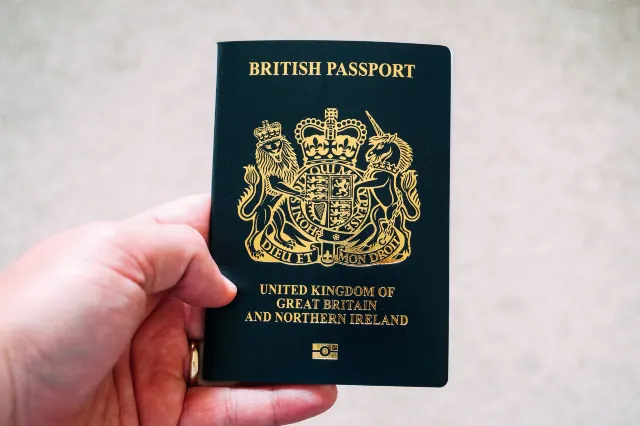
| 30-Day Visa-Free Entry | Short-term treatment: health check-ups, minor surgery, specialist consultations, where the entire treatment and recovery plan does not exceed 30 days. | No advance visa application required; enter with a valid passport only. |
| S2 Medical Visa | Long-term treatment, with an expected stay in China of more than 30 days. | Must apply in advance. The core document is a formal invitation letter from the treating Chinese hospital – this is critical to a successful application. |
| Hainan 30-Day Visa-Free Entry | The destination is Hainan Province, and activities are confined to Hainan only. | The destination is Hainan Province, and activities are confined to Hainan only. |
| Transit Visa-Free Entry | Short-term transit for treatment: travelling via China to a third country (region), with a stay of no more than 144 hours (6 days). | Must hold a connecting ticket to a third country (region) and cannot return to the country of departure. |
Sources: Embassy of the People’s Republic of China in the UK – gb.china-embassy.gov.cn; GOV.UK – gov.uk/foreign-travel-advice/china/entry-requirements
Source: Embassy of the People’s Republic of China in the UK – gb.china-embassy.gov.cn. Implementation details may vary slightly between consulates. It is recommended to submit your application via the official China Visa Online Application portal and check the specific requirements for your consular district in the UK.
Source: National Immigration Administration – nia.gov.cn
China has become a largely cashless society, with mobile payment as the primary method. Under policies of the People’s Bank of China and the State Administration of Foreign Exchange, foreign visitors can now use mobile payments with ease.
Alipay and WeChat Pay

Major Chinese tertiary hospitals and international medical centres offer the following support for foreign patients:
Sources: International department websites of individual hospitals; MedBridge China Language Service Guide; China Hospital Association International Medical Special Committee.
Q1: I am eligible for 30‑day visa‑free entry, but my treatment will take longer than 30 days. What should I do?
A1:Before your visa‑free period expires, you should apply for an extension at the local exit‑entry administration of the public security bureau, with a hospital certificate proving that treatment is still ongoing. Alternatively, you may apply for an S2 medical visa in advance while still in the UK.
Q2: Can my family members accompany me during my treatment?
A2:Yes. Immediate family members (limited to 2 persons) may apply for accompanying visas, supported by notarised proof of kinship and a hospital‑issued companion certificate. Accompanying family members may also benefit from the 30‑day visa‑free entry policy, where applicable.
Q3: Will Chinese hospitals provide medical records in English?
A3:Public Chinese hospitals are required by law to write medical records in Chinese only. They are not obliged to provide foreign‑language versions. If you require English‑translated records for insurance claims or legal purposes after returning to the UK, please engage in a professional translation service.
Q4: Do Chinese hospitals accept UK health insurance?
A4:International departments / special needs units of public hospitals may be able to arrange direct billing with certain international private medical insurers – please check with the hospital in advance. The UK's NHS coverage is not valid in China. You are strongly advised to purchase comprehensive international private medical insurance before travel.
DISCLAIMER This guide is for reference purposes only. Specific policies, fees, and insurance arrangements are subject to change. Travellers are strongly advised to verify the latest official information before departure and to consult with professional medical institutions and insurers as appropriate.
Popular recommendations

Kendal Calling 2023: the festival with a view is back this summer
 _marialina___

Guide to Notting Hill Carnival 2023
_marialina___