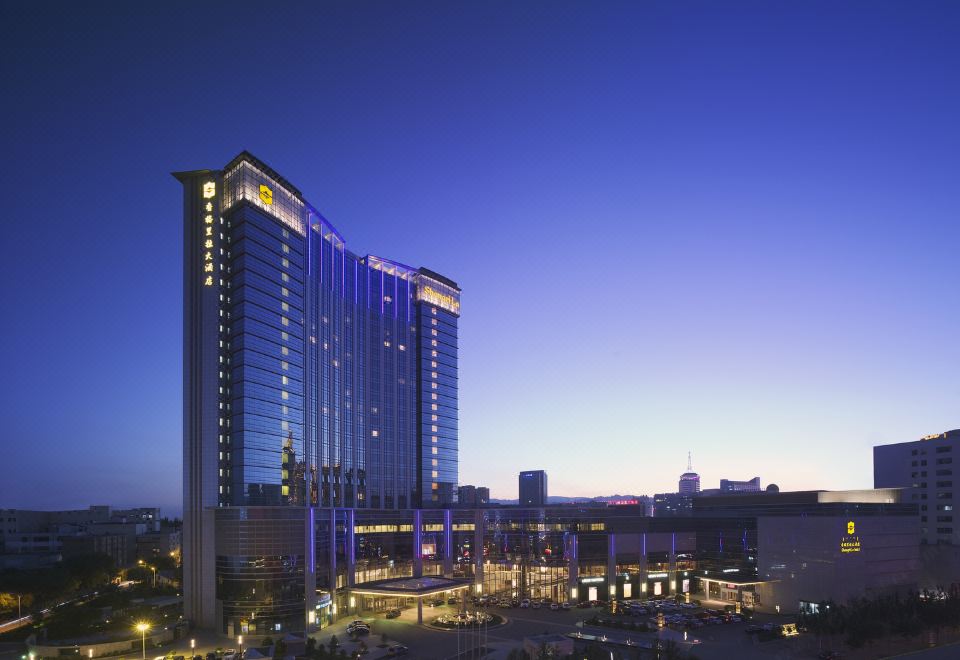
Service: Every time we got out of the car at the hotel entrance, someone was there to open the door for us. Guest feedback was addressed and followed up on immediately, with a rapid response within half an hour. Once an issue occurred, they promised a prompt resolution and offered a very sincere solution. Their follow-up communication truly showcased the deep-rooted service expertise of a seasoned luxury hotel.
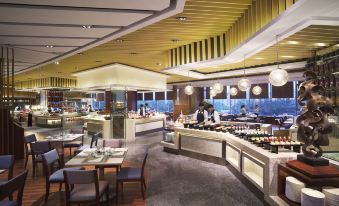
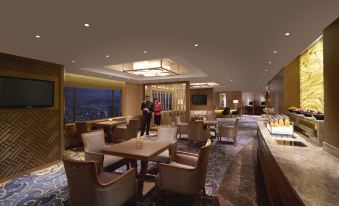
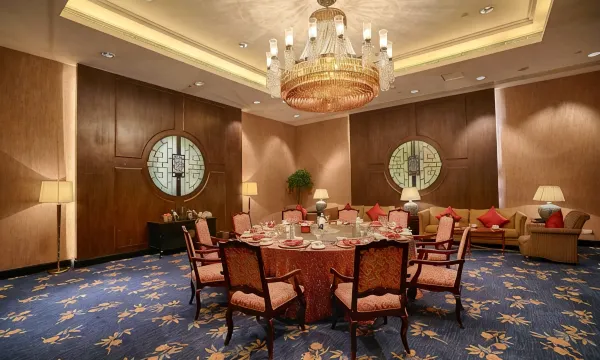
Dining: The afternoon tea had a good variety, though the dishes leaned towards the traditional side—it almost felt like a buffet dinner. The evening cocktail hour, however, was just a formality. There was alcohol but no jigger, and no bartender. Expecting guests to mix their own drinks by guesswork was quite absurd. I’d suggest providing some basic cocktail recipes with pictures along with measuring jiggers, or simply replacing the cocktail hour with a wine-tasting session. The buffet breakfast was average, and the layout of the food stations in the restaurant was baffling. As a result, the only Inner Mongolian specialties we could find were milk tea, yogurt, and shaomai (steamed dumplings), while dishes like hand-grabbed mutton were nowhere to be found. It is recommended to create a dedicated Inner Mongolian food section separate from the regular buffet breakfast items.
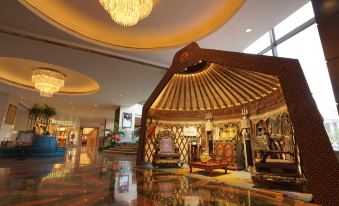
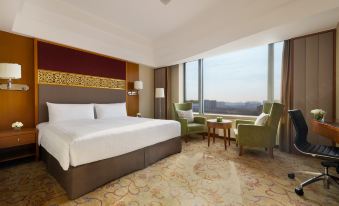
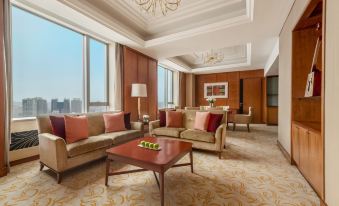
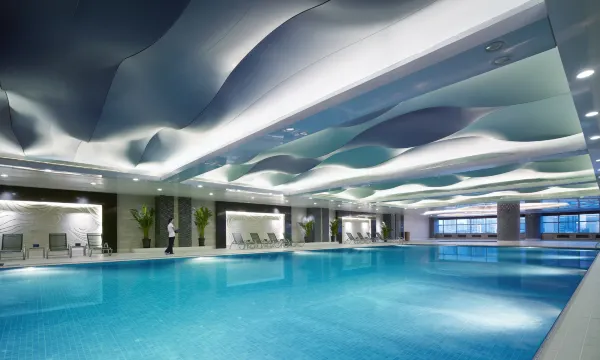
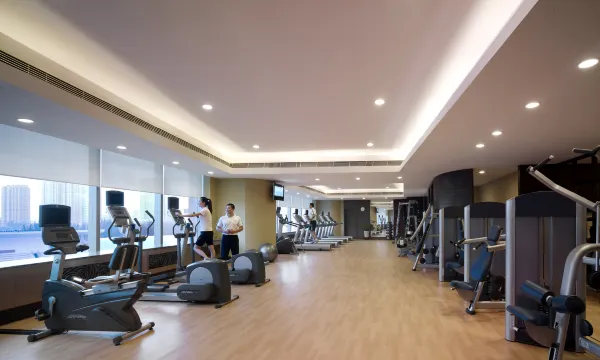
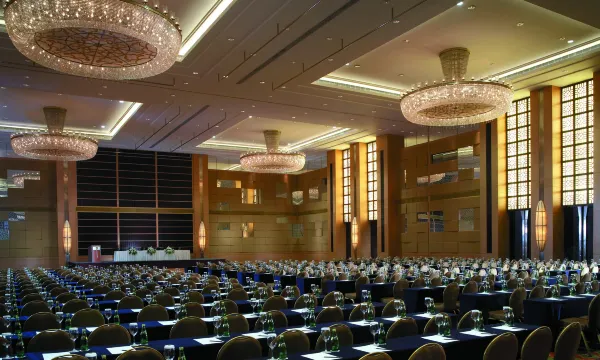
Facilities: The overall facilities are old, but well-maintained. At first glance, both rooms appeared to be in good condition. However, when it comes to wear and tear on details like drawer handles and floor tiles, the housekeeping department needs to raise its safety risk awareness. Why weren't the cracked floor tiles noticed? Why weren't the drawer handles checked for looseness? These are the gaps between something merely looking usable and being truly functional.
Original TextTranslation provided by AI