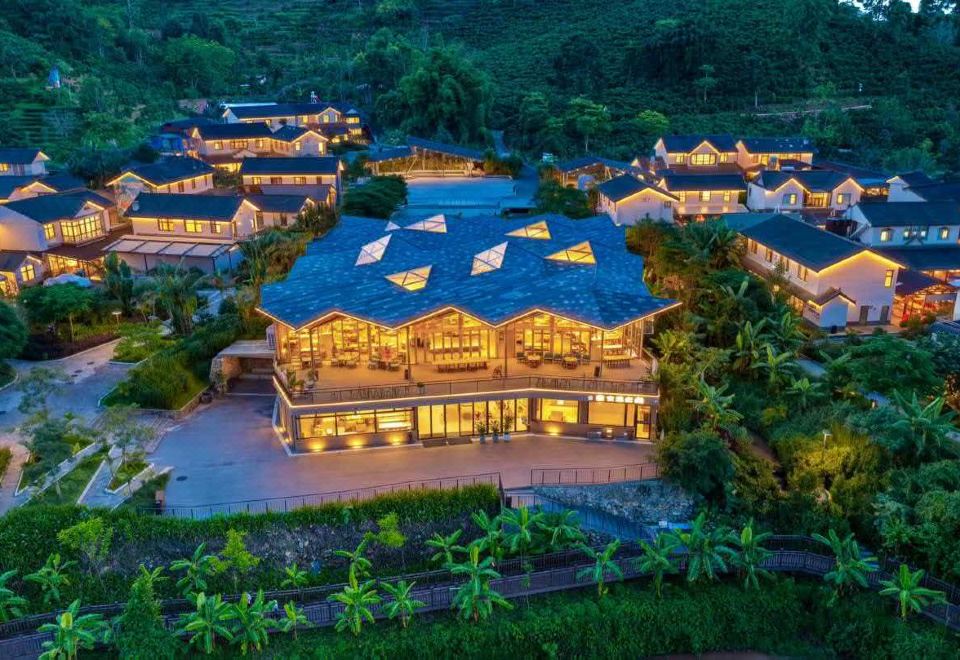
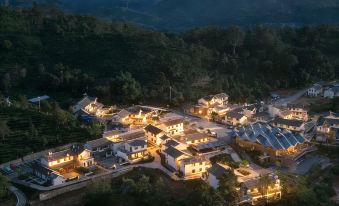
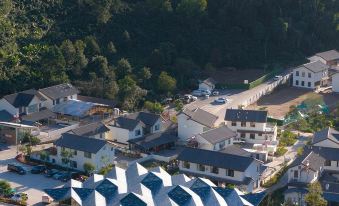
In the mountain hollow of Simao, Pu'er, coffee trees and tea trees grow on the same slope, giving rise to the saying "Coffee on the left, tea on the right". Following this saying, we gradually expand a village into a whole area where one can walk for a whole day and stay overnight.
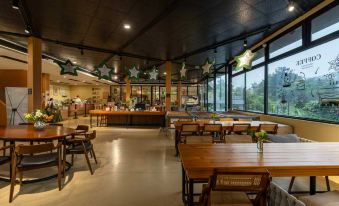
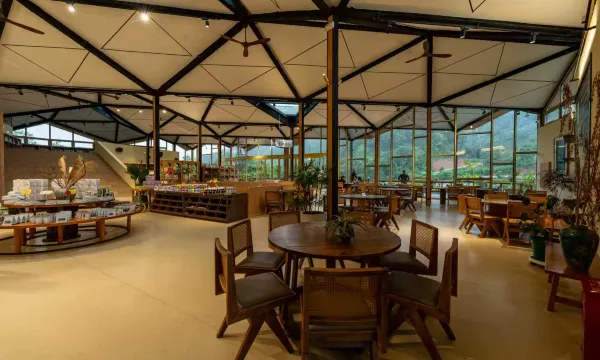
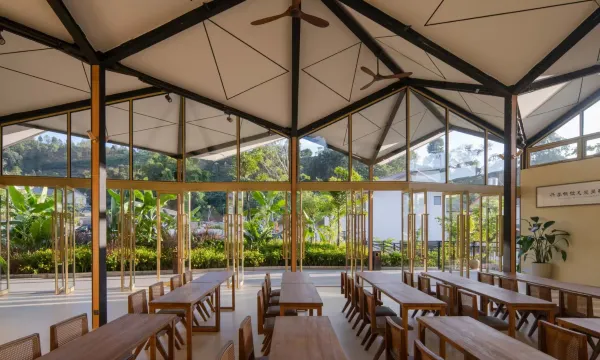
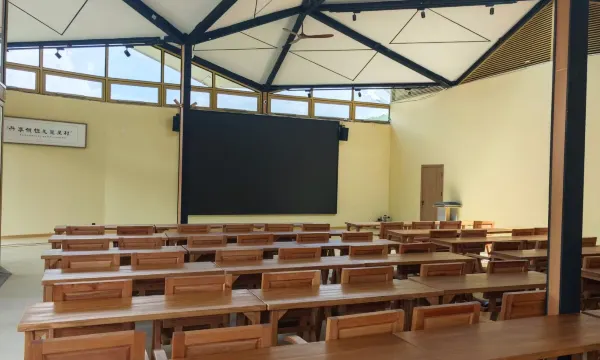
The park starts with a 1,700-square-meter, two-story coffee culture experience center: the first floor features a multi-functional conference hall, a public welfare reading corner, coffee tasting, and casual dining, while the basement floor houses a complete educational and research line, including fresh fruit processing, comprehensive classrooms, cup tasting, roasting, brewing, and latte art. From here, sixteen business types are established along village lanes, field ridges, and tea gardens in order - Wa brocade, out-of-print woodcuts, tie-dye, and flower cakes preserve traditional crafts, while wood-fired kilns, grain amplifiers for roasting beans, and farm dining tables maintain the atmosphere of daily life. Horse racing tracks, fish ponds, and non-powered amusement parks are reserved for children, and the lights of daytime coffee and nighttime wine are left for after dark.
We practice "one household, one business model": one room, one craft, one family. Villagers don't have to move out, nor do they become mere spectators. They bake bread, make flower cakes, teach people to weave brocades, and talk about coffee in their own yards. They are participants in the project and grow alongside it. From farm to table, from intangible cultural heritage to educational research, from a cup of coffee to an evening bonfire dance, what this place offers is not a single attraction but a complete set of rural life that can be personally participated in.
If this is your first time here, you may wish to follow these three questions:
What to Eat | A Table of Pu'er Flavors from Farm to Table: Seasonal Dishes and Hot Pot Barbecue at the Farm Restaurant, Firewood Ethnic Cuisine at Lahu Ma's Courtyard, Freshly Baked Flower Cakes by Sister Qiu, Bread and Pizza from the Firewood Kiln, Accompanied by Self-Roasted Coffee from the Estate and High Mountain Mist Tea.
What to do? You can get started in any of the sixteen spaces: the coffee research and learning route on the basement floor, three intangible cultural heritage workshops featuring Wa brocade, out-of-print woodcuts, and tie-dyeing, tea picking and tea cake making in the tea garden, horseback riding at the horse farm, fishing in the river, and the non-powered amusement park. At night, there are bonfires and dancing, and daytime coffee and nighttime wine.
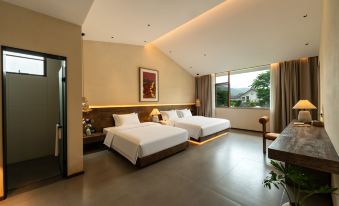
What to Stay? The guest rooms are scattered among the coffee groves and tea gardens. From courtyard king-size beds to standalone courtyards, we extend your day trip into an overnight stay. Details of the room types are provided later.
1. Coffee Culture Experience Center
The Coffee Culture Experience Center spans a total area of 1,700 square meters and consists of two floors. The first floor includes a multi-functional conference hall, a Starbucks public welfare reading corner, a coffee tasting area, a casual dining area, and a product sales area. The basement floor serves as the Coffee Research and Learning Experience Center, offering courses such as professional coffee certification, coffee culture experience, and coffee-themed environmental protection DIY projects. It is equipped with a fresh fruit processing area, a comprehensive classroom, a coffee cup tasting area, a coffee roasting area, a coffee brewing area, a latte art experience area, and a Yunnan coffee display area.
2. Coffee Rural Entrepreneurship Club (Village Group Activity Center)
It serves as both a village group activity center and a hub for coffee entrepreneurship, collaborating with the Human Resources and Social Security Bureau of Simao District to establish a coffee entrepreneurship club. The center invites college student entrepreneurial teams from the College of Tropical Crops at Yunnan Agricultural University to settle in, providing a venue for offline exhibition and sales of agricultural products. It allows for one-stop shopping for a variety of agricultural specialties and coffee from different estates, supporting college students' entrepreneurial endeavors. The other half of the space is utilized as a labor union rest stop, offering a resting space for outdoor workers.
3. Li Xianlan's Wa Brocade Intangible Cultural Heritage Workshop
The inheritance space for the intangible cultural heritage of Wa brocade offers a glimpse into the romance and craftsmanship of Wa culture through its artistry. The workshop showcases and sells Wa brocade cultural and creative products that blend traditional craftsmanship with modern design, ranging from daily accessories to home art pieces. Visitors can also personally experience the intangible cultural heritage skills and participate in the production of exclusive Wa brocade cultural and creative items, such as tea blessing bags, sachets, and other small works.
4. Windy & Serene Tie-dyeing Intangible Cultural Heritage Workshop
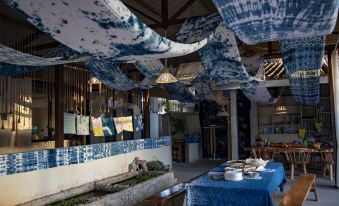
This is a creative space to explore the art of tie-dyeing, where you can personally experience the charm of this intangible cultural heritage: from folding and tying to dyeing, you can feel the magic of dye freely permeating through the fabric and create your own tie-dye artwork. The workshop specially introduces the "coffee dyeing" technique, using the unique coffee from Cague as the dye, breaking through the traditional blue and white tone and giving the fabric a warm and mellow charm.
5. Shi Xiaoming's Out-of-Print Woodcut Studio
The Extinct Woodcut Studio, centered around Pu'er intangible cultural heritage inheritor Shi Xiaoming, serves as a base for the inheritance and experience of Pu'er's local intangible cultural heritage woodcut culture. Focusing on four themes: coffee, the Wa ethnic group, mountainous countryside, and rural revitalization, the studio creates extinct woodcuts and offers professional teaching in this field. Visitors can experience the creation of exclusive works such as print hangings, canvas bags, and cultural and creative ornaments. Additionally, the studio organizes activities such as intangible cultural heritage art exchanges, exhibitions, and art research and study, creating a niche and high-end space for intangible cultural heritage art experiences.
6. Sister Qiu's Intangible Cultural Heritage Flower Cake House
Focusing on the traditional handmade flower cake craftsmanship, we inherit the ancient techniques of Dian-style flower cakes. Using edible organic black red edible rose petals as raw materials, we hand-knead the dough, fill the crusts, and bake them without industrial prefabricated ingredients, preserving the natural fragrance and crisp texture of the flowers. The bakery offers on-site baking, buy-and-eat-now services, as well as DIY flower cake making experiences, intangible cultural heritage food education, and gift box and souvenir sales. It is a distinctive food destination with a strong rural ambiance.
7. Caffebake Workshop
Experience the authentic wood-fired brick kiln baking, utilizing traditional brick kilns to craft kiln-baked bread and experience kiln-baked pizza. Under the "one household, one business" model, ordinary people can truly start their own businesses and increase their income without leaving their homes. At the same time, our villagers can truly become participants in the project, growing and transforming alongside it.
8. Windy & Booming Coffee
This is a young and creative specialty coffee shop that utilizes the Grain Amplifier as a novel roasting machine for green coffee beans. The roasted coffee beans have a unique flavor, and customers can immediately brew and taste them after experiencing the shop. Here, you can relive the memories of old-fashioned popcorn and also enjoy innovative forms of coffee.
9. Windy Life Pavilion
The Wind Life Pavilion is a multifaceted space that integrates diverse leisure lifestyles. It is an immersive living area that combines parent-child play, natural vacation, and social gatherings. It offers a dual-time leisure lifestyle, transitioning from daytime coffee and tea to vibrant nightlife with micro-drinking gatherings, chess and card games, and a neighborhood social atmosphere.
10. Windy Farm Restaurant
Relying on the original ecological farm restaurant built by the Wind Ecological Farm, we realize the healthy diet concept of "from farm to table". Most of the ingredients are sourced from seasonal vegetables and fruits and original ecological ingredients from the park's own ecological farm, without additives, natural and fresh. It is suitable for parent-child families, research and study teams, and leisure tourists.
11. Windy Mountain Fog Tea Experience Space
With the charm of Pu'er tea, which embodies the concept of "coffee in the left hand and tea in the right hand", we have carved out a tea-scented secret realm within the coffee plantation, inviting you to embark on a dual journey of taste and culture. Put on a bamboo hat, carry a tea basket on your back, and step into the ecological tea garden. From picking spring tea leaves to making tea cakes, you will feel the warmth of millennia-old tea-making techniques.
12. Windy Horse Farm
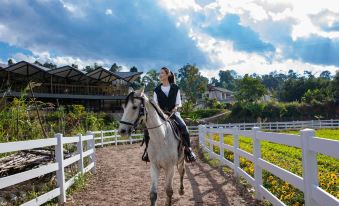
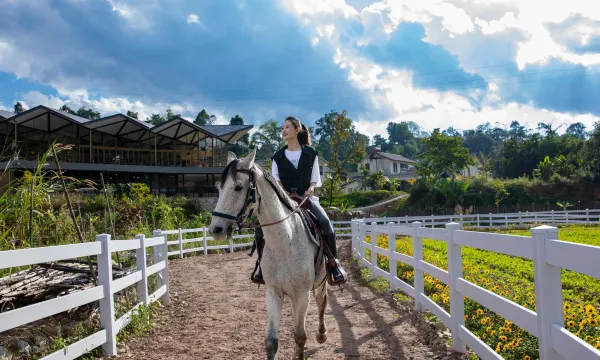
In the windy horse field, children can get close to the gentle foals under the guidance of professional coaches, touch the soft manes, and harvest the innocent smiles of gazing at the horses; older children and adult tourists can mount the horses, gently shake the reins, and slowly ride through the woods, letting the mountain wind brush their faces and immersing themselves in the fresh scent of grass and soil.
13. Shared Kitchen · Small Kitchen Research and Learning
A multifunctional experience format that integrates shared cooking, gourmet research and learning, and parent-child handmade cooking education. Equipped with standardized kitchenware, clean operating tables, and food processing areas, it offers open access to self-service cooking, team dining, and DIY homemade farm-style dishes experiences. It also provides complementary small kitchen research and learning courses, specifically designed for primary and secondary school students and parent-child families, to carry out research and learning activities such as food cognition, safe cooking, gourmet handmade crafts, and rural food education.
14. Windy·Tongyuan Park
Going down to the river to catch fish and visiting a zero-gravity children's playground are childhood experiences that allow one to escape from the hustle and bustle of the city and return to the natural wilderness. Without the constraints of electronic gadgets or rigid rules, one can immerse their feet in the cool river water, use their hands to explore the agile fish in the water, and enjoy the fun of non-powered amusement facilities. Every moment holds the purity and joy that is unique to childhood, allowing children to experience nature through play.
15. Windy Lahu Ma Courtyard
A themed restaurant featuring Lahu ethnic cuisine and cultural experiences, with "gourd" as the core cultural symbol, creating a strong ethnic atmosphere. Using local wild mountain ingredients and cooking with firewood, the dishes are authentic in flavor. The space is suitable for family dinners, team building, and ethnic theme banquets, providing an opportunity to savor the wild mountain flavors of Pu'er and immerse oneself in ethnic food culture.
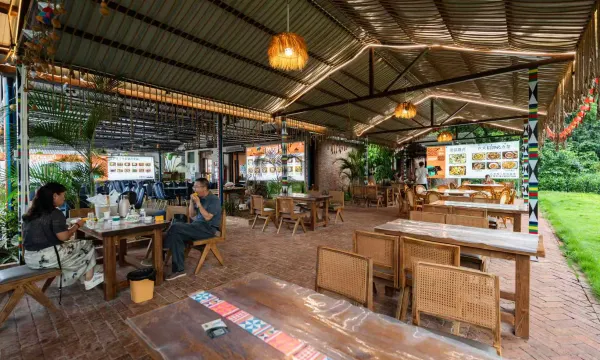
16. Farm Restaurant
The outdoor dining area of the farm, equipped with a grassy area, can accommodate gatherings, team building activities, birthday parties, and more. The restaurant specializes in local Pu'er specialties, hot pot, barbecue, and more, allowing guests to enjoy delicious food amidst the countryside and experience the pleasures of rural life. Moreover, customized meal packages can be arranged according to the number of people, providing dining options for friend gatherings, corporate team building, and family outings. The grassy area outside the entrance can also host bonfire evenings, allowing friends from all over to experience the unique Yunnan Dai dance.
There is no demarcation line between "tourists" and "villagers" here: the homeowner is also the craftsman, the dining table is adjacent to the vegetable field, and the display shelves are filled with products from college student entrepreneurial teams and neighboring farmers. With every step forward in the project, the village gains an additional source of income right at its doorstep. This is probably the part we most want people to see.
Starting from a cup of coffee, ending with a whole period of rural life. The mountain wind often passes through here, and coffee and tea are always waiting here. Wherever there's wind, you are welcome. There's no need to rush.