Ryukyu No Ushi
4.7/5
137 Reviews
No. 1 of Local Restaurants in Okinawa
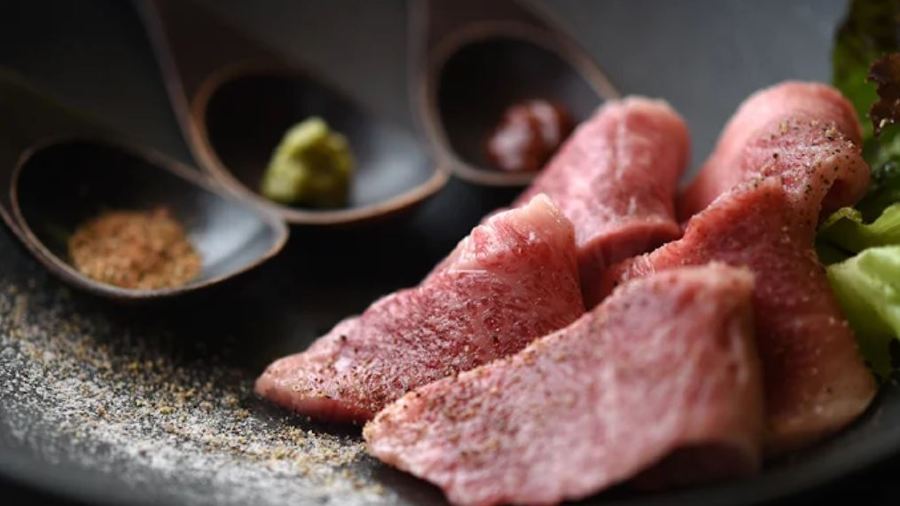
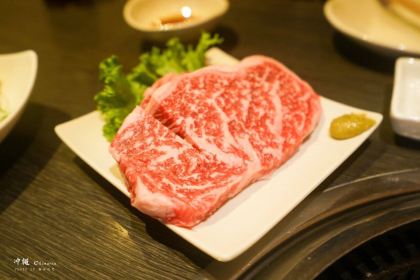
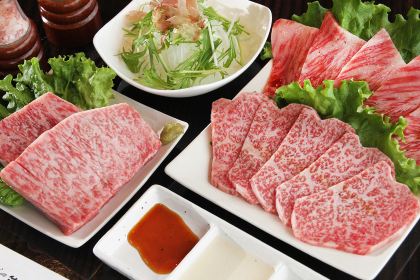
Highlights: A popular barbecue restaurant specializing in local Okinawa Wagyu
More
Open Now|17:00-22:30Show more
098-965-2233
909-2 Maeganeku, Onna, Kunigami District, Okinawa 904-0414
 摆渡修行Does it mean that Japanese BBQ restaurants serve Korean kimchi as a side dish?
Answer: No! Even if they sell kimchi, bibimbap, and seafood pancakes, as long as they use a wire mesh grate to grill wagyu, they are all good girls... No, it's good BBQ.
The simplest way to distinguish: Korean BBQ uses a whole iron plate to grill super large pieces of meat, and then cuts them apart. The main meat is pork belly, and it is eaten with vegetable leaves. Japanese BBQ uses a hollow grate/hollow baking tray to grill small pieces of meat and offal, mainly beef, which is divided into salt grilling, sauce grilling, and miso grilling, and is eaten with rice.
The simple act of grilling meat has existed since ancient times. The serious grilling of beef began at the end of the shogunate, when the British began to raise cattle in Kobe and beef became popular.
At that time, no one wanted to eat offal. Korean workers in Japan purchased offal from ranches at low prices, cooked them, and made them into very cheap grilled offal to eat, and quickly promoted the offal culture.
When the Korean War broke out, Koreans in Japan began to split into two groups: the Korean cuisine group that followed the local customs and the Japanese yakiniku group that followed the local customs. From then on, grilled offal and grilled beef were unified and named yakiniku. When grilling, the beef is cut into thin slices and eaten with sweet soy sauce, lemon, and salt. The offal is mostly seasoned with miso sauce before grilling. In other words, the current Japanese yakiniku, tracing back to its origin, is all Korean cuisine. It just originated in Japan from Koreans, and it is not grilled this way in Korea.
摆渡修行Does it mean that Japanese BBQ restaurants serve Korean kimchi as a side dish?
Answer: No! Even if they sell kimchi, bibimbap, and seafood pancakes, as long as they use a wire mesh grate to grill wagyu, they are all good girls... No, it's good BBQ.
The simplest way to distinguish: Korean BBQ uses a whole iron plate to grill super large pieces of meat, and then cuts them apart. The main meat is pork belly, and it is eaten with vegetable leaves. Japanese BBQ uses a hollow grate/hollow baking tray to grill small pieces of meat and offal, mainly beef, which is divided into salt grilling, sauce grilling, and miso grilling, and is eaten with rice.
The simple act of grilling meat has existed since ancient times. The serious grilling of beef began at the end of the shogunate, when the British began to raise cattle in Kobe and beef became popular.
At that time, no one wanted to eat offal. Korean workers in Japan purchased offal from ranches at low prices, cooked them, and made them into very cheap grilled offal to eat, and quickly promoted the offal culture.
When the Korean War broke out, Koreans in Japan began to split into two groups: the Korean cuisine group that followed the local customs and the Japanese yakiniku group that followed the local customs. From then on, grilled offal and grilled beef were unified and named yakiniku. When grilling, the beef is cut into thin slices and eaten with sweet soy sauce, lemon, and salt. The offal is mostly seasoned with miso sauce before grilling. In other words, the current Japanese yakiniku, tracing back to its origin, is all Korean cuisine. It just originated in Japan from Koreans, and it is not grilled this way in Korea.Reserve a Table

Reviews of Ryukyu No Ushi
Some reviews may have been translated by Google Translate
4.7/5Outstanding
All (137)
Latest
Photo reviews (44)
Positive reviews (39)
Negative reviews (1)
Does it mean that Japanese BBQ restaurants serve Korean kimchi as a side dish? Answer: No! Even if they sell kimchi, bibimbap, and seafood pancakes, as long as they use a wire mesh grate to grill wagyu, they are all good girls... No, it's good BBQ. The simplest way to distinguish: Korean BBQ uses a whole iron plate to grill super large pieces of meat, and then cuts them apart. The main meat is pork belly, and it is eaten with vegetable leaves. Japanese BBQ uses a hollow grate/hollow baking tray to grill small pieces of meat and offal, mainly beef, which is divided into salt grilling, sauce grilling, and miso grilling, and is eaten with rice. The simple act of grilling meat has existed since ancient times. The serious grilling of beef began at the end of the shogunate, when the British began to raise cattle in Kobe and beef became popular. At that time, no one wanted to eat offal. Korean workers in Japan purchased offal from ranches at low prices, cooked them, and made them into very cheap grilled offal to eat, and quickly promoted the offal culture. When the Korean War broke out, Koreans in Japan began to split into two groups: the Korean cuisine group that followed the local customs and the Japanese yakiniku group that followed the local customs. From then on, grilled offal and grilled beef were unified and named yakiniku. When grilling, the beef is cut into thin slices and eaten with sweet soy sauce, lemon, and salt. The offal is mostly seasoned with miso sauce before grilling. In other words, the current Japanese yakiniku, tracing back to its origin, is all Korean cuisine. It just originated in Japan from Koreans, and it is not grilled this way in Korea.
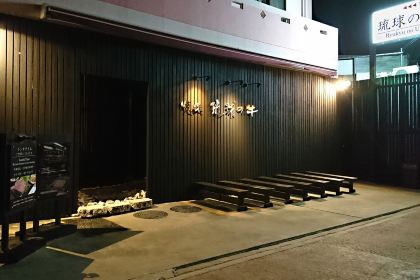
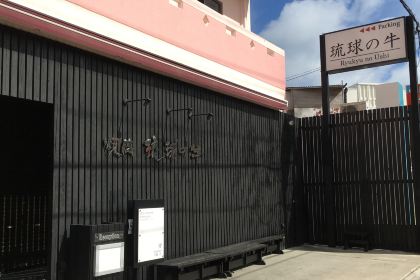
I did my homework before going to Okinawa. I must try Ryukyu beef. This restaurant is ranked first on DP and is the first choice in Kokusai-dori. After getting off the plane, I put down my luggage at the hotel and followed the navigation. I was looking for a restaurant for a long time. Fortunately, I met a Shanghainese who was also looking for a restaurant on the way. We found this restaurant on the third floor together. After arriving at the restaurant, I first told the waiter the number of people. Fortunately, there were not many people in the store, and the seat was arranged after waiting for a while. Since I was here, I ordered a luxurious set meal. I like to eat beef tongue, so I ordered a single portion of beef tongue. The waiter came in to help grill the vegetables and beef. The meat was really tender and delicious. It melted in the mouth. However, the price is indeed not cheap.
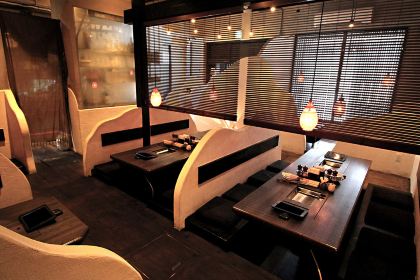
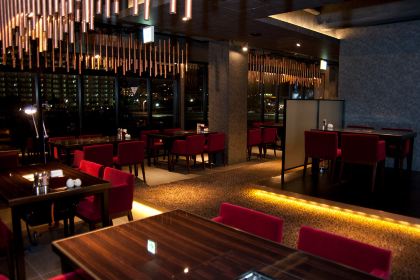
This restaurant is located near our hotel in Montreal, just a few minutes' walk away. There is a supermarket next to it and it can also be reached by bus. The sea is behind it. It is a very cozy environment, but the seats are relatively small. However, the beef is really melt-in-the-mouth, it is amazing.
Ryukyu beef needs to be booked one day in advance, there is no lunch service, only dinner. Two people ate more than 800 yuan, it was really delicious. The 5A grade beef was so fat that it was full of oil. The best one was the Ryukyu beef, the taste was really great! More expensive than Kobe! I am not a big fan of beef, but I am impressed. Thick-cut wagyu is better than wagyu belly.
We went to have dinner at Monterey Hotel on the first day. The premium wagyu beef melted in our mouths and the beef tongue was delicious. It was great to go to Okinawa in the off-season. There was no waiting. We decided to book lunch for the next day before we finished eating. A bonus came. Everyone who made a reservation got a free drink! Remember to make a reservation!