
Things to do in Altay Prefecture
Explore top experiences
Top 10 attractions in Altay Prefecture


Kanas Scenic Area
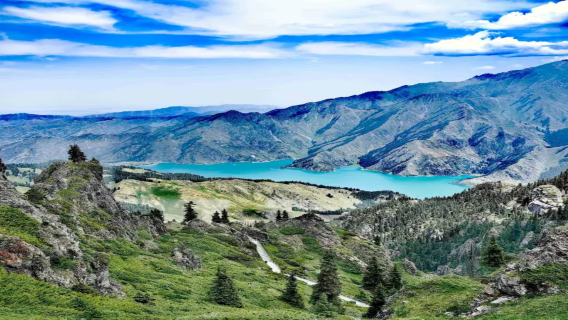
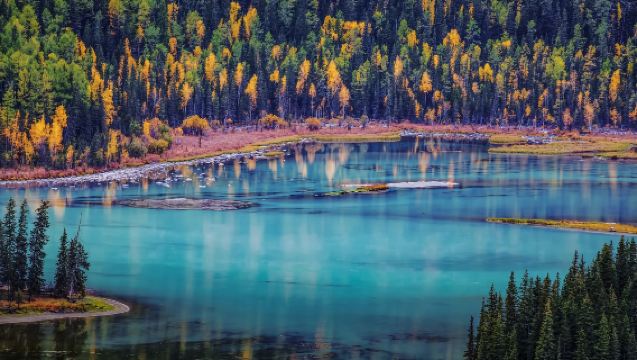
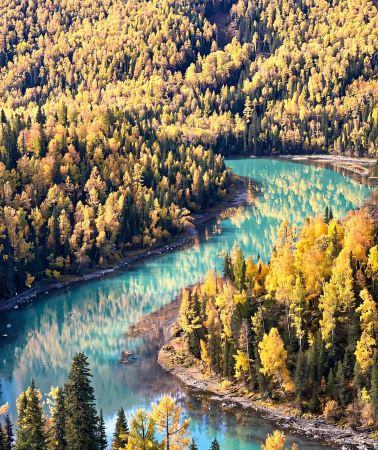
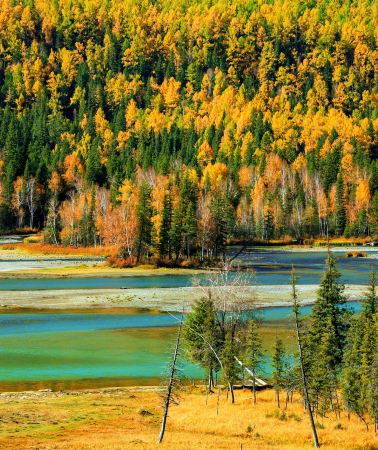
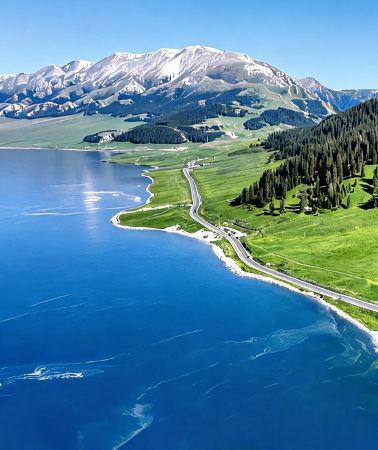
The Kanas Scenic Area is located in the dense forests of Burqin County in the Altay region,It is one of the renowned scenic areas in Xinjiang. The renowned three bays in the attraction — Shenxian Bay, Moon Bay, and Wolong Bay — are must-see core views. Shenxian Bay is famous for its morning mist spectacle, Moon Bay features a graceful S-shaped curve, and Wolong Bay offers tranquil and serene waters. By this beautiful, fertile, and mysterious lake (the meaning of "Kanasi" in Mongolian), you can see the clear and tranquil water that often changes color with the seasons and weather. The lakeshore is surrounded by primeval forests of spruce, fir, and Siberian larch, while the sunny slopes are covered with dense grass. Distinct layers of different plant communities create a stunning display in fall, with golden yellow, crimson, and dark green hues each shining in their own way. When visiting the attraction, you can also climb the fish-watching platform with a relative height of 600 m, where you can overlook the lake and the distant layers of green mountains shrouded in mist as well as the snow-capped peaks. You can also take a cruise to enjoy the lake scenery. There are also many ancient legends here, the most famous being the "lake monster." Over the past few decades, numerous travelers and scientists have reported sightings of "giant strange fish." Some claim it to be a massive taimen (a type of fish), while others believe it to be a prehistoric creature. Stay To protect the natural environment here, the attraction closed many lakeside hotels. There are mountain villas within the attraction, as well as local Tuvan houses and tents available for stay. Many visitors also choose to stay on the outskirts of the attraction for easier access to the next day's tour. If you want to get up early to see the morning mist at Fairy Bay, staying within the attraction is a good choice. Diet The attraction is located in a remote border area with sparse population and high logistics costs. The food in the attraction is mainly halal, with more beef and mutton and fewer vegetables. Some visitors from inland areas may find it unaccustomed, so they can prepare some dry food and drinking water by themselves.Burqin · 98.2km from downtown

Hemu Scenic Area
Hemu Scenic Area is located in Burqin County, Altay Prefecture, northern Xinjiang.Kanas LakeAbout 30 km to the east is a small village jointly inhabited by Kazakhs and Tuvans. General travelers visiting Northern Xinjiang usually visit Hemu Scenic Area and Kanas Scenic Area together. Hemu Scenic AreaAll the houses are simple wooden cabins scattered across the mountain valleys. Local ethnic minority residents work in their courtyards, creating a peaceful and rustic atmosphere. The Hemu River flows by the village with its light blue, crystal-clear water. Surrounding the village are grasslands and birch forests, forming a picturesque landscape. In winter, snow accumulates on the mountaintops, turning them into small snow-capped peaks that resemble a fairy-tale world. Hemu Scenic AreaNot very large, the main road in the village is about 2–3 km long, and you can explore the village on foot. The viewing platform is located atHemuheOn the hillside across the river, the viewing platform offers panoramic views of the village, making it a perfect spot for photography enthusiasts to capture stunning shots.Burqin · >100km from downtown

Rainbow Cliff
Also known as the Colorful River Bank, located in the Irtysh River basin, the Rainbow Cliff was formed by natural effects, such as wind erosion, water erosion and leaching, and is a typical Yadan landform. The Rainbow Cliff is also special because of its brilliant colors and diverse shapes. Bright red, green, purple, yellow, brown and other colors appeared on the beach where there was almost nothing after thousands of years of wind erosion, rain and washing by river water.Burqin · 20.8km from downtown

Jiangjunshan International Ski Resort
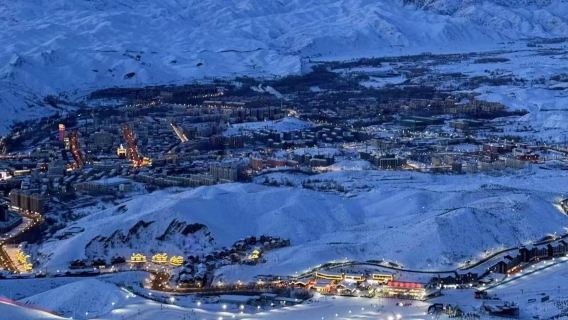
Jiangjunshan Ski Resort is located in the front slope of Jiangjunshan in Altay City, Xinjiang, about 2 kilometers away from the urban area, with convenient transportation and sunset views. Jiangjunshan International Ski Resort has currently built 72 ski slopes with a total length of 70 kilometers, a snowmaking area of 2 million square meters, 8 cable cars, and a height difference of 400 meters. The ski resort is a ski resort famous for its excellent natural snow quality. It has abundant snow resources and magnificent natural scenery. The ski resort is equipped with cable cars and ski equipment rental services to ensure that skiers can enjoy a convenient and comfortable skiing experience. In addition to skiing, tourists can also participate in other winter activities such as snowmobiles, sleds, and ice and snow entertainment projects. Jiangjunshan Ski Resort is not only a paradise for ski enthusiasts, but also a winter tourism destination that integrates sports, leisure and cultural experiences. The sunset at Jiangjun Mountain is a must-see at domestic ski resorts. After sunset, the sunset glow and night view of Jiangjun Mountain are both amazing. You can feel the La La Land that is half orange sea and half gradient pink!Altay City · 2.6km from downtown

Keketuohai Scenic District
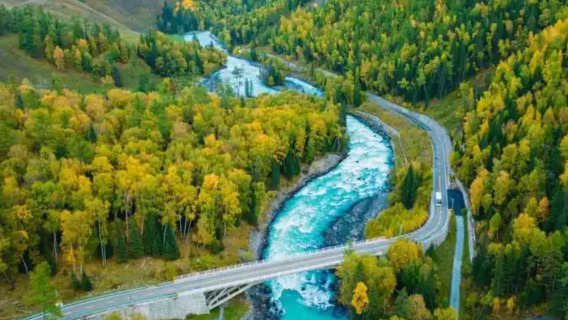
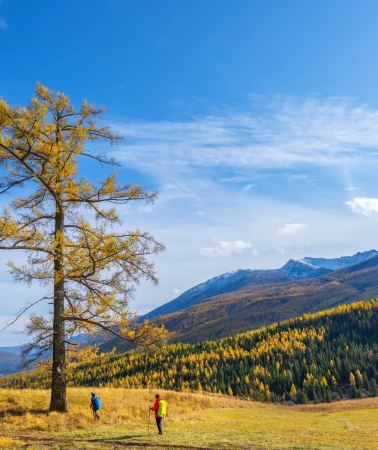
Keketuohai Scenic District is located northeast of Fuyun County in Altay Prefecture, northern Xinjiang, serving as a key attraction for visitors exploring the Kanas loop route. The area features deep valleys, crystal-clear rivers, and steep, picturesque mountains in a breathtaking natural setting. Expansive birch, poplar, and pine forests thrive between the canyons, making fall the ideal season to visit when golden foliage creates a stunning contrast with the snow-capped peaks behind them. This harmonious blend of mountains, forests, and waterways makes it a prime location for fall photography. The Keketuohai Scenic District in the broad sense refers to a vast area near Keketuohai Town, comprising four sections: Kekesuli, Yileimu Lake, the Karaxian Geer Earthquake Fault Zone, and the Eerqisi Grand Canyon. Kekesuli, Yileimu Lake, and the Karaxian Geer Earthquake Fault Zone are located along the route to the grand canyon. These areas are not developed attractions but are open to visitors free of charge, offering brief sightseeing opportunities en route. The Eerqisi Grand Canyon serves as the main attraction of the entire Keketuohai Scenic District, which is typically what visitors refer to when mentioning the area. Keketuohai Scenic District (also known as Eerqisi Grand Canyon Scenic Area) is the source of the Eerqisi River, a famous waterway in northern Xinjiang. The attraction spans approx. 20 km, featuring over a dozen scenic spots along the riverbank including birch forests, Shuimogou, Shenzhong Mountain, and hot springs. A shuttle service operates within the attraction, offering round-trip tickets from the main gate to Shenzhong Mountain (one-way 17 km). The shuttle operates like a bus, making several stops where visitors can explore nearby attractions before boarding the next vehicle. From Shenzhong Mountain, it's another 6.5 km hike to the hot springs in the canyon's depths. Those preferring not to walk can take the attraction's patrol vehicle instead. Key attractions along the route from the park entrance to Shenzhong Mountain include Birch Forest, Shuimo Valley, Red Leaf Valley, and Shenzhong Mountain. The path features numerous peculiar peaks and rock formations, with the stunningly clear Ertix River flowing through the middle – perfect for an immersive exploration experience. The birch forest near the attraction entrance and the red-leaf valley by the Stone Gate parking area are perfect for fall viewing, with leaves turning either golden or fiery red, creating a spectacular display. During fall, the mountains behind the forest begin to accumulate snow, resembling beautiful snow-capped peaks. The interplay of colorful leaves, rivers, and snowy mountains makes it an ideal time for stunning photography. Shuimogou is best visited in summer. A short walk west leads to vast grasslands that burst into colorful wildflower blooms during the season, earning one area the name Hundred Flowers Meadow. Shenzhong Mountain, a striking granite peak standing steep and solitary, serves as the park's iconic landmark with its unique rock formations. Inside Shenzhong Mountain, you'll find attractions like Elephant Trunk Peak, Camel Peak, and Divine Eagle Peak, where you can admire peculiar rock formations and mountain waterfalls. The highlight is the Jiland Hot Spring deep in the canyon, with water at approx. 39°C – close to body temperature for maximum comfort. If you have the stamina, we recommend hiking from Shenzhong Mountain to the hot spring to enjoy every scenic view along the way, followed by the ultimate relaxation of soaking in the thermal waters after your trek. Average visitors typically spend approx. half a day exploring before heading back to Fuyun County or Keketuohai Scenic District for accommodation, then continue toward Kanas or Urumqi the next day. Travelers who prefer hiking or in-depth exploration can stay overnight within the attraction, with local herders' yurts available near Shimen parking area, Shenzhongshan parking area, and the hot springs. The campsite near the hot springs also offers free camping space for visitors with their own equipment, allowing flexible choices based on personal preferences.Fuyun · 18.8km from downtown

Baihaba Scenic Area
Baihaba is located in Habahe County, Altay Prefecture, northern Xinjiang, adjacent to the Kanas attraction. It is a small village inhabited by Kazakh and Tuva people. The village features quaint log cabins, with rivers and trees nearby and several seasonal snow-capped mountains in the background, creating a stunning landscape. In fall, the golden leaves transform the village into a fairy-tale world, making it an ideal spot to enjoy autumn colors. At sunset, the snow-capped mountains glow red, offering a perfect photography opportunity. Additionally, Baihaba borders the frontier, with nearby attractions like the China-Kazakhstan boundary monument and Zhonghua Forest, both rare and photogenic locations. To visit Baihaba, you can enter from two directions: Habahe County or Kanas Attraction, which also offers two different travel experiences. If entering from Kanas Attraction, you'll need to purchase admission tickets and shuttle bus tickets at the visitor center, where you'll also board the shuttle. The shuttle only sells round-trip tickets (during non-peak seasons with fewer visitors, one-way tickets may occasionally be sold if seats are available, with varying prices). Departure and return times depend on the attraction's schedule. Typically, during peak season, the shuttle departs from Kanas Attraction around 4:00 PM on the first day, heading to Baihaba, with stops at scenic spots like Narenxia Pasture, China Forest, and the China-Kazakhstan Border Monument for photography, arriving in Baihaba before sunset. On the second morning, after sunrise photography, visitors return on the same shuttle at 10:00 AM. This itinerary is somewhat rushed but is currently the primary way to explore Baihaba as it connects seamlessly with Kanas Attraction. If you wish to stay in Baihaba for a couple of extra days without returning on the shuttle, the ticket will not be refunded, and you'll need to arrange your own transportation back to Kanas, such as hiring a motorcycle from the village. Alternatively, you can hike or rent a horse—the 18-kilometer hiking route offers stunning scenery. Another option is to enter from Habahe County. There is a daily bus from Habahe Bus Station to Baihaba (private vehicles are not allowed). After arriving in Baihaba, if you wish to visit the Kanas attraction, you'll need to arrange for a motorcycle from the village or travel on foot or horseback. You can also take the bus back to Habahe County, though few visitors choose this return option. This route is ideal for visitors with ample time who prefer a leisurely trip and want to explore the White Sand Lake area near Habahe before visiting Baihaba. Baihaba is quite similar to Kanas Tuva Village and Hemu scenic area in northern Xinjiang, featuring villages composed of golden leaves covering the mountains and small log cabins, along with clear rivers. However, this village has its own unique charm—the stunning sunrises and sunsets. During this time, the soft light in Baihaba turns the snow-capped peaks of the small mountains red, making it perfect for photography. The best spot for photos is on the hillside by the road at the village entrance, where the Baihaba stone monument is easy to find. Along the way to Baihaba, you'll pass by several viewpoints like Zhonghua Forest and the China-Kazakhstan border monument, right on the border line. Here, you can clearly see the iron fences along the border, as well as the forests and rivers on the Kazakhstan side. The area boasts breathtaking scenery, including canyons and golden leaves. Visitors to Baihaba typically stay overnight in the village, where accommodations consist of homestays run by local Kazakh herders. The wooden cabins and courtyards offer charming surroundings, and the hosts are mostly warm and hospitable. In recent years, village amenities have improved, with standard rooms and multi-bed dormitories now available. Guests can enjoy freshly squeezed milk and local delicacies like bauyrsaq at these homestays—though slightly pricier, they're still more affordable than dining options in nearby attractions like Kanas or Hemu. The village has only one or two small shops with limited goods, but they sell unique Russian and Kazakh products like honey and cigarettes at reasonable prices, making them worth a visit.Habahe · 75.6km from downtown

Wulungu Lake (Gold Coast Scenic Spot)
Ulungu Lake (Gold Coast Attraction) is a concentrated tourist destination with marine characteristics and landform diversity. The Gold Coast Attraction is an important part of the Ulungu Lake Attraction. The water area of Ulungu Lake is 1,035 square kilometers, consisting of Buluntohai (Dahaizi) and Jili Lake (Xiaohaizi). The Gold Coast Attraction is located on the east bank of Dahaizi of Ulungu Lake. The silver beach stretches for more than ten kilometers. The lake water temperature in summer remains at around 20℃. There is a nearly 100-meter-long natural shallow beach along the coast, which enjoys the reputation of "the first seashore in Xinjiang". There are also fish banquet restaurants, tourist product centers, bathing and changing storage rooms, cold water fish barbecue areas, etc. in the Attraction. In addition, the Attraction has also innovatively launched the "Sea Carnival in Summer - Water Challenge", opened the Cruise bird island route, the colorful Great Barrier Reef route, the lake center tour route and the sea parasailing, sea carnival, motorboat and other projects. The Golden Coast Attraction is only 22 kilometers away from Fuhai County. It is the only way to Kanas Attraction and Keketuohai Scenic Area. It has obvious transportation advantages. The renovated Golden Coast Attraction has a brand new look. Whether it is the new tourist service center in the Attraction or the trails and Cruise on the lake, they will bring new experiences to tourists.Fuhai · 15.8km from downtown

Xinjiang Kanas Lake
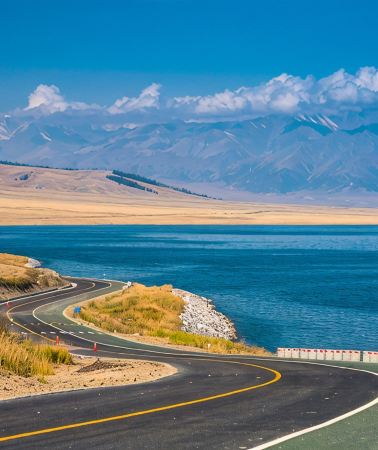
Located deep in the Altai Mountains in Xinjiang, China, Kanas Lake is a high mountain lake known for its mystery and beauty. The lake presents a charming blue-green color, which changes color with the seasons and weather, like a gem inlaid between the mountains. The virgin forests and magnificent peaks surrounding the lake add endless charm to it, making it a paradise for photography enthusiasts. Kanas Lake not only attracts tourists with its natural beauty, but also adds a bit of mystery because of the legendary "lake monster". Whether boating on the lake or hiking by the lake, tourists can feel the tranquility and magnificence of nature here. It is an ideal place to get away from the hustle and bustle and relax.Burqin · >100km from downtown

Baisha Lake
Baisha Lake is located in the 185th Regiment's 3rd Company on the northwest side of Habahe County (in Xinjiang Production and Construction Corps, a regiment and company refer to specific areas, with a company being roughly equivalent to a village). It is about 70 kilometers from Habahe County and 160 kilometers from Buerjin County. Surrounded by desert, Baisha Lake is a tranquil oasis with lush trees along its shores and shimmering waters, creating a striking contrast. Autumn is the peak season for visiting Baisha Lake, with vibrant red and yellow foliage perfect for photography. Summer is also a good time to visit, as you can see rare lotus flowers in the lake. However, it is very cold in winter and early spring, with the lake frozen over, making it unsuitable for visits. The entrance to Baisha Lake Scenic Area is located along the Z840 road, about 2 kilometers from the lake. Visitors can walk or take a round-trip electric shuttle for 10 RMB (the shuttle runs continuously, and you can take any available one for the return trip). Once at the lake, you can stroll along the wooden boardwalk, which is about 1 kilometer long, offering scenic views of the lake and its surroundings. The boardwalk ends at a viewing platform with a broad view of the lake and a sand dune reflected in the water, making it an ideal spot for photography. On the way back to the entrance, it is recommended to walk, as there is a sand dune with a pavilion at the top, offering panoramic views of the nearby Kazakhstani landscape. The pavilion is about a 15-minute walk from the road. Near the entrance, there is also a small birch forest, perfect for a leisurely walk and photos. Visiting Baisha Lake typically takes about 3 hours. After the tour, visitors usually dine near the scenic area. Opposite the entrance is the 3rd Company of the 185th Regiment, where residents, originally from inland China, grow vegetables and run small restaurants. The authentic, mildly flavored Han Chinese farmhouse dishes offer a welcome change from the heavily spiced local cuisine, and the meals are affordable and delicious. In summer and autumn, you can even pick fresh vegetables directly from the garden.Habahe · 52.7km from downtown

Keketuohai Rare Metal National Mine Park
Keketuohai Rare Metal National Mine Park is a cultural tourism holy land integrating geological academic research, culture, education and leisure vacation. In addition to enjoying the scenery, visitors can also learn about the rich geological wonders and industrial relics, and listen to the touching entrepreneurial stories of the older generation of builders.Fuyun · 32.8km from downtown
Experiences you can't miss in Altay Prefecture
Featured Cultural experiences in Altay Prefecture
View all Cultural experiences![[Kanas] Shuttle bus | Private charter in attraction | Time-saving + hidden attraction](https://ak-d.tripcdn.com/images/0356412000sfuwgh24FEE_C_568_320.jpg?_fr=wc)
5.0/5
· 10 reviews· 53 bookedBook now for tomorrow
72 travellers saved
FromUS$430.05
FromUS$433.54
![[Xinjiang premium business tour] Multilingual guides in Chinese, English, French, Russian, German, Japanese, and Korean | Kanas/North & South Xinjiang](https://ak-d.tripcdn.com/images//0584i12000oghwf42028B_C_568_320.jpg?_fr=wc)
Free things to do in Altay Prefecture
Xinjiang Kanas Lake
Burqin · >100km from downtown
Kelameili Desert Park
Fuhai · >100km from downtown
Birch Forest Area
Burqin · >100km from downtown
Jiadengyu National Forest Park
Burqin · 90.5km from downtown
Moon Bay
Burqin · >100km from downtown
Ulungu Lake National Wetland Park
Altay City · 67.3km from downtown
Hemu Viewing Platform
Burqin · >100km from downtown
Wolong Bay
Burqin · >100km from downtown
Hemu Bridge
Burqin · >100km from downtown
Hualin Park
Altay City · 4.2km from downtown
More ways to travel from Altay Prefecture
Private Tours in Altay Prefecture
View More Private Tours in Altay Prefecture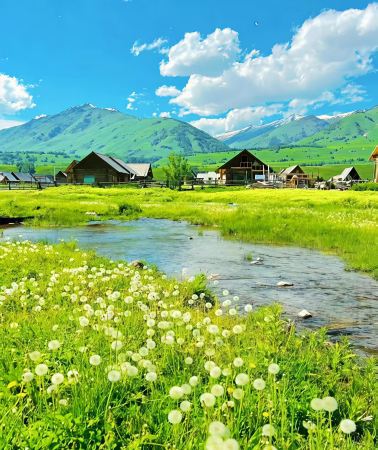



What travellers say about Altay Prefecture

_We***2012 October 2026
5.0
Kanas is even more beautiful in autumn, especially after a rain when a thin mist hangs over the mountains, adding to its ancient charm. The shuttle buses are fairly frequent, but the only downsides are the expensive accommodations and the long bus journeys – it takes two hours to get there and back. Overall, it's well worth a visit.
Kanas Scenic Area

杜斯堡宋襄公12 October 2026
5.0
The village is quite commercialized, but the forest trail from Hemu Bridge to Yuanjiang Bridge is absolutely fantastic! Autumn colors are vibrant, small animals leap among the trees, and babbling brooks flow merrily. I even bumped into our hike guide—a little black dog—by Hemu Bridge; he looked imposing but was friendly inside 😘 I'll definitely go play with him again next time. We went to the much-praised Meili Peak, but it was just okay; not as beautiful as the scenery around Kanas New Village, not worth making a special trip for.
Hemu Scenic Area

Anonymous user5 October 2026
5.0
The scenic area is small, not far from Burqin County. It features typical cliff-style Yardang landforms, with rock layers displaying vibrant colors of red, yellow, purple, and green due to varying mineral composition. On the opposite bank are a river valley oasis and poplar forests. At sunset in October, the combination of the sunset and the golden poplar forests on the opposite bank creates an exceptionally high saturation of colors.
Rainbow Cliff

M24***207 September 2026
5.0
98 yuan is a great deal, highly recommended, and it's right in the city center. The sunset is absolutely stunning, far more beautiful than any sunset at Baihaba. The concert after sunset features really good music. A great choice to come here after returning from Kanas.
General Mountain, I feel like I owe you a skiing experience.
Our short visit of just over an hour left me wanting more.
This project is very well managed.
If you need to take the train, don't wait until 9:30 PM to go down the mountain, as it will likely be crowded.
Jiangjunshan International Ski Resort

盛京师爷11 October 2026
4.0
🌈Second Stop on the Northern Xinjiang Grand Loop: Keketuohai Scenic Area
🌈Why Come Here? A Choice Between Coming and Not Coming…
Many people choose to visit this stop on the Northern Xinjiang Grand Loop, while many others don't, considering it a non-essential attraction. There are two main reasons for not coming: firstly, getting here isn't always convenient, and secondly, the scenery isn't as breathtaking as other places! There are also two reasons for coming: one is the popular song "The Shepherd of Keketuohai" that made the area famous, and the other is its 5A rating. According to our self-driving itinerary, this was a stop, but looking back, it was a decision we somewhat regretted, which I'll elaborate on later.
🌈Shuttle Bus or Self-Driving?
Because we had more to do, and driving through Northern Xinjiang would take a long time, we opted for the shuttle bus to save energy. Also, reviews said the roads within the scenic area weren't very driver-friendly. The experience was quite good, and we felt driving wasn't much better. Besides, you can't drive into the Grand Canyon later on.
🌈Main Attractions: The Ertis River is exceptionally clear and is the only river in China that flows into the Arctic Ocean. Shuttle buses stop at most major attractions. The birch forest is beautiful and photogenic. Other attractions also stop for a few minutes for photos. The Couple Trees are quite interesting. The final stop is Shenzhong Mountain, which is very impressive and holds a world record. It took about three to four hours to get there. To reach the Grand Canyon, you need to walk to the next shuttle bus stop and then take the bus. Considering our itinerary included Hemu instead of Altay, we skipped the Grand Canyon, which was a slight regret.
🌈Summary: This attraction wasn't on the most convenient route, perhaps due to poor itinerary planning. Overall, the scenery wasn't as breathtaking as Kanas or Sayram Lake. Our itinerary was heavily influenced by Keketuohai, which left us with some regrets. Hopefully, this review will be helpful to you!
Keketuohai Scenic District

110***6810 October 2026
4.0
Baihaba: You can easily get there directly from the Kanas Scenic Area by shuttle bus. Very convenient.
It's a village similar to Hemu. The scenery is slightly inferior to Hemu, but the village has a more border feel, with a sentry post (the first sentry post in Northwest China). Drones are also prohibited [smug face].
There's no such thing as a more authentic village; they all have the same commercial atmosphere.
In fact, prices are higher than in Hemu.
Overall, Kanas is the cheapest, Baihaba is the most expensive, and Hemu is in the middle.
Baihaba Scenic Area
Jerry_Z*^_^*3 September 2026
5.0
Ulungur Lake, located in Fuhai County, Altay Prefecture, Xinjiang, is the largest inland freshwater lake in northern Xinjiang and one of China's ten largest inland freshwater lakes. The lake comprises two parts: Ulungur Lake (a large, saltwater lake) in the north and Jili Lake (a small, freshwater lake) in the south, covering a total area of approximately 1035 square kilometers. Situated deep in the Gobi Desert of the Junggar Basin, it is known as the "Gobi Sea" and "the sea furthest from the sea." Ulungur Lake integrates lakes, wetlands, Gobi Desert, and Yardang landforms, boasting silver-white sand beaches on its golden coast, the "Sea Devil City" Yardang landforms along Jili Lake, and rich wetland ecology, making it an important stopover point for migratory birds. At the same time, Ulungur Lake is the largest natural fishing ground in northern Xinjiang, abundant in high-quality cold-water fish such as pike and Baikal wrasse, and its winter fishing culture is highly distinctive. With its magnificent scenery, it serves as an important ecological barrier and tourist destination in northern Xinjiang.
Wulungu Lake (Gold Coast Scenic Spot)
YoYo_9H7U5N1A1 August 2026
5.0
The waters of Kanas Lake change colors with the light and shadow, surrounded by pristine taiga forests, possessing both beauty and mystery. The Fish Viewing Platform offers the best panoramic view. The scenic area is quite extensive, and shuttle buses often have long wait times during peak season.
Xinjiang Kanas Lake

118***8522 September 2026
5.0
At Baisha Lake in the 185th Regiment, a 10-minute walk southwest along the lakeside boardwalk leads to the Watcher's Cafe, featuring pavilions, benches, sand dunes, lake views, and coffee. In late September, the soft light is excellent between 4 PM and 6 PM; however, visiting at midday or facing backlighting will inevitably result in poor photos.
The Northwest North Regiment Management Area, located at the tail end of the "rooster" map, on the China-Kazakhstan border, and the terminus of G331, tells the story of a couple's outpost: On April 23, 1988, the Altai Mountains experienced an unprecedented rapid snowmelt, causing a massive flood in the border river. The river flowed directly into the Karasu Natural Gully within my country's territory, rushing into the Ertis River.
If the flood had been allowed to carve out this new river channel, the border line would have followed the river's course, and 55.5 square kilometers of land would have become a disputed area, separated from the area—the land of today's Northwest North, the area of the couple's outpost.
The 185th Regiment, with over 600 members, worked continuously for 16 days and nights, eating and sleeping on the dike, finally managing to block the floodwaters back to the original channel of the Alakbek River, saving 55.5 square kilometers of land.
Ma Junwu, then 19 years old, was one of the militia members who participated in the flood control efforts and personally experienced the battle.
After the flood, Ma Junwu voluntarily stayed behind, and he and his wife, Zhang Zhengmei, remained there, dedicating their lives to the area. They were even received and praised by President Xi Jinping, which is how the "Couple's Outpost" came to be.
Baisha Lake

爱哭哝哝27 July 2026
5.0
This is a significant cultural and geological site, with its massive spiral mine being truly awe-inspiring. This mine played a crucial role in China's debt repayment efforts and the development of China's nuclear and space programs; the historical introduction deeply moved me. The park's explanations are clear, and the accompanying exhibition halls offer detailed educational content, allowing visitors to learn about various rare minerals. Parking is convenient, and the pace of the tour is leisurely. The Northern Xinjiang Loop is well worth a special trip to experience this spirit of hard work and perseverance, offering both scenic beauty and educational value.
Keketuohai Rare Metal National Mine Park