
Things to do in Xiji
What's trending in Xiji
- Shapotou Scenic Area: Top Things to Do in Shapotou Desert: Desert Ziplining and Camel Riding Experiences
- Lanzhou Danxia Geological Park: Stroll Lanzhou's ink-wash Danxia, every step is nature's canvas
- Xixia Imperial Tombs: Xixia returns with back-to-back walk-through immersive shows
- China West Film Studio: Fall study tour with Tang-style NPCs at Chang'an film set
- Gansu Provincial Museum: The Green Horse at Gansu Provincial Museum is still a top attraction
Explore top experiences
Top 10 attractions in Xiji


Xiji Today's weatherClear -7-8℃
Xiji weather for the next 2 days11/22: -7-7℃, 11/23: -8-6℃
Free things to do in Xiji


What travellers say about Xiji

K-飞子6 October 2026
5.0
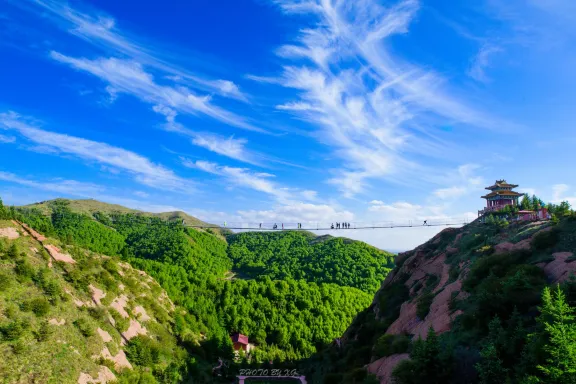
Huoshizhai in Xiji County is a hidden gem in Northwest China, often overlooked by many! The red cliffs and vast forests create a magnificent and beautiful landscape. The scenic area offers attentive service, a wide variety of activities, and plenty of fun, making for a fantastic overall experience. It's not crowded, quiet, and comfortable – highly recommended!
Huoshizhai National Geological (Forest) Park

D78***883 October 2019
4.0
Gaode navigation is correct. The scenic spot is free, but you need to go to the visitor center to exchange tickets with your ID card. The parking lot is quite large and free of charge. The scenic spot is not big. There is a square in front and a memorial hall in the back. It is enough to walk slowly for an hour.
Memorial Park of Jiangtaibao Red Army Force-joining

M37***6021 November 2026
5.0
Shapotou Scenic Area is highly recommended. There are very few people in November, so there are no queues for the activities. The staff recommends the 299 RMB package, which includes many activities such as speedboat and raft rides, Yellow River ziplining, camel rides, and dune buggy rides. It's economical and worthwhile. The raft ride is especially great; the boatman sings and explains the activities, which is a wonderful experience.
Shapotou Scenic Area

Anonymous user22 October 2026
5.0
The Xumishan Grottoes, located on the northern Silk Road route from Guyuan, were first carved during the Northern Wei Dynasty, flourished during the Northern Zhou Dynasty, and continued to be built during the Sui and Tang Dynasties. Along the Danxia cliff face, they are divided into areas such as the Great Buddha Hall, the Descendant Palace, Yuanguang Temple, Xiangguo Temple, and Peach Blossom Cave. This season, there are relatively few people, the sun is shining, and the mountain scenery is beautiful. However, the attractions are scattered, and climbing can be tiring. Supporting services, such as catering, could be improved.
Xumishan Grottoes

green_glass14 November 2026
5.0
The shuttle bus to Shuimo Danxia is so convenient! The half-day tour is perfectly timed, allowing enough time to explore the scenic area without missing a visit to the Gansu Provincial Museum in the afternoon. The price is reasonable, and I've recommended it to my friends.
Lanzhou Danxia Geological Park

阿伯蒂费珍妮芙21 November 2026
5.0
Entering from the visitor center, a large screen in the scenic area displays real-time weather and other information. First, visit the Western Xia Imperial Tombs Museum to learn about the history of the Western Xia Dynasty and the World Heritage Site. The Western Xia Dynasty began in the late Tang Dynasty, lasting 190 years before being destroyed by the Mongols in 1227. In the vast expanse of history, the Western Xia civilization, though brief, was brilliant and glorious, especially its script, which is very charming—square and dignified yet revealing the wildness of a nomadic people. The sunshine in Ningxia is wonderful! Passing through the underground passage to the boarding point, we first visited Tomb No. 3. Tomb No. 3 is currently the best-preserved imperial tomb in the Western Xia Imperial Tombs area, and its occupant is believed to be Li Yuanhao, the founding emperor of the Western Xia Dynasty. The grand scale of a thousand years ago has turned to dust; only the massive earthen mounds and scattered fragments of stone figures, statues, and horses remain amidst the vastness of the earth and sky. Modern researchers have drawn a reconstructed outline based on historical records, offering a glimpse into the original mausoleum's magnificent appearance. After passing Mausoleum No. 3, we took a car to Mausoleum No. 2 and Mausoleum No. 4, which are presumed to be the tombs of Li Yuanhao's grandfather, father, and son, respectively. The layout of the mausoleums is similar. As evening approached, a breeze began to rise from the Helan Mountains, blowing across this land of Western Xia. I gazed at the Helan Mountains, the sacred mountains of the Western Xia people, and felt a sense of awe.
Xixia Imperial Tombs

浅末回首7 December 2020
5.0
Xijizhen Lake has clear water and a long and narrow lake, with lush grass on both sides.
Xijizhen Lake
月无痕gz5 November 2026
4.0
Zhenbeibao Western Film Studio, nestled at the foot of Helan Mountain, exudes the unique desolation and ruggedness of Northwest China. The ancient rammed earth castle, weathered and imposing, served as a filming location for movies like "A Chinese Odyssey" and "Red Sorghum." Strolling through the Ming Dynasty city, Qing Dynasty city, and Old Yinchuan Street, every wall and tile holds stories from classic films. No need for elaborate filters; every snapshot is a masterpiece of atmosphere. Perfect for those who love nostalgia and photography, offering an immersive experience of the unique charm of the martial arts world.
China West Film Studio

玖恩judy31 October 2026
5.0
The Gansu Provincial Museum is an absolute must-see during your trip to Lanzhou! The museum's collection is breathtakingly rich, especially the painted pottery exhibition hall. The patterns from thousands of years ago still possess a remarkable beauty, a testament to the wisdom of the ancients. Of course, the most unmissable exhibit is the museum's crown jewel, the "Flying Horse of Gansu" (bronze galloping horse). Seeing it in person is a truly awe-inspiring experience that pictures can't capture. The row of adorable terracotta figurines is also incredibly photogenic. The entire visit is both educational and entertaining, and with free reservations, it's excellent value. I highly recommend setting aside half a day for a leisurely exploration, and definitely hire a guide or rent an audio guide – it will elevate your experience significantly!
Gansu Provincial Museum

E20***5220 November 2026
5.0
⭐⭐⭐⭐⭐ Five-star review!
I was fortunate enough to have a private group session with Teacher Niu. His two-hour-plus explanation was professional and detailed. He has a thorough understanding of the history of Ningxia and Western Xia artifacts, and his explanations were vivid and easy to understand. I gained a lot and had a fantastic experience. Highly recommended!
Ningxia Museum
Trip Moments in Xiji


Popular cities near Xiji


Frequently asked questions
How can I contact Trip.com customer support?
Get help anytime, anywhere within 30 secondsContact customer support
Can I change or cancel my booking?
Change and cancellation policies vary by attractions and tours. Please check the product details page for more information.
How can I get discounted prices?
Ticket prices may vary between weekdays and weekends, as well as during peak and off-peak seasons. When booking with Trip.com, you can also use Trip Coins to get extra savings. For more tips on booking discounted tickets, please visit Trip.com for the latest information.