



▲ Nijō Castle: exploring the magnificent gem of the Tokugawa shogunate Step into Nijō Castle, a World Heritage site, and experience the grandeur of the Edo period. The exquisite architectural structure and the ingeniously designed gardens enhance each other's beauty, leaving you in awe. As you stroll through, be sure to step onto the "nightingale floors" of the Ninomaru Palace yourself, experience the wondrous sound like a bush warbler's song when you walk on them, and appreciate the ingenious security wisdom of the ancients! Warm tip: If Nijō Castle is closed (every Tuesday in Jan, Jul, Aug, and Dec), your visit will be changed to the Outer Garden of Heian Jingu Shrine, which is equally wonderful.

▲ Togetsukyo Bridge and Arashiyama: Encounter the four-season picture of Kyoto Togetsukyo Bridge is an iconic scene of Kyoto, spanning the Katsura River and connecting the scenery on both banks of Arashiyama. In spring, enjoy the blooming cherry blossoms; in fall, admire the red leaves covering the branches—the changing seasons reveal different poetic charms. Standing on the bridge and gazing into the distance, the layered green peaks of Arashiyama and the clear Katsura River complement each other, forming a beautiful natural picture. Strolling by the bridge, the traditional shops and the rickshaws passing leisurely by add a touch of nostalgic Japanese charm. Stroll to the secluded bamboo forest path, where towering green bamboo sways in the wind with a gentle rustling sound, as if it can cleanse your soul. Kimono Forest, a unique realm showcasing the art of Japanese Kyo-Yuzen kimono. Hundreds of cylindrical pillars are adorned with various Kyo-Yuzen kimonos, each embodying the wisdom and craftsmanship of traditional Japanese textile techniques, fully displaying the unique charm of kimono~


▲ Kinkaku-ji: A thousand years of golden splendor at a glance As a World Cultural Heritage Site, Kinkaku-ji, first built in 1397, is a dazzling architectural wonder of Kyoto. The exterior walls of the two-story pavilion are covered with pure gold leaf, still gleaming after centuries of weathering. When the golden pavilion is perfectly reflected in the mirror-like Kyoko-chi pond, water and sky merge in a single hue, radiant and shimmering, like a breathtaking Japanese painting, perfectly showcasing the Japanese aesthetics and architectural art of Kitayama culture from Japan's Muromachi period.
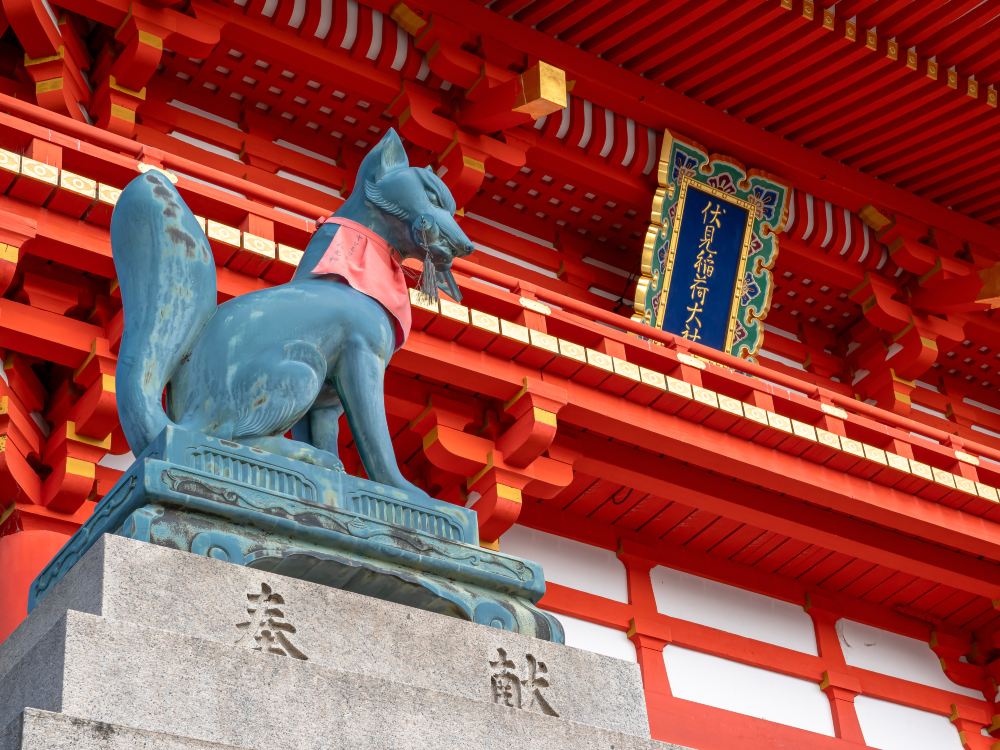
▲ Fushimi Inari Taisha: A fantastical pilgrimage through the thousands of torii gates As a representative mysterious sacred site in Kyoto, Fushimi Inari Taisha is world-famous for its "Senbon Torii" that stretch for several kilometers. The endless vermilion torii gates are like a door leading to a fantasy world, forming a unique tunnel view. Sunlight pours down through the gaps, creating a mottled interplay of light and shadow, and every step is filled with boundless imagination. As the head shrine of Inari Okami (who governs grain harvests and commercial prosperity), this is not only a sacred site known for its efficacy but also a cultural view that countless people consider a must-visit!