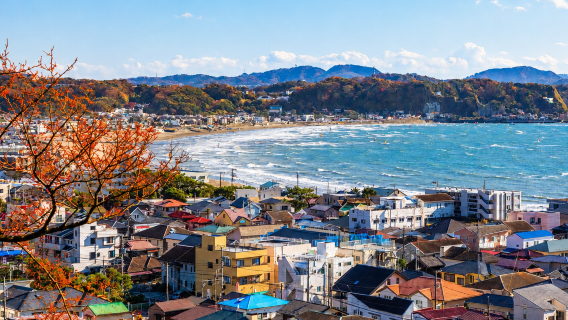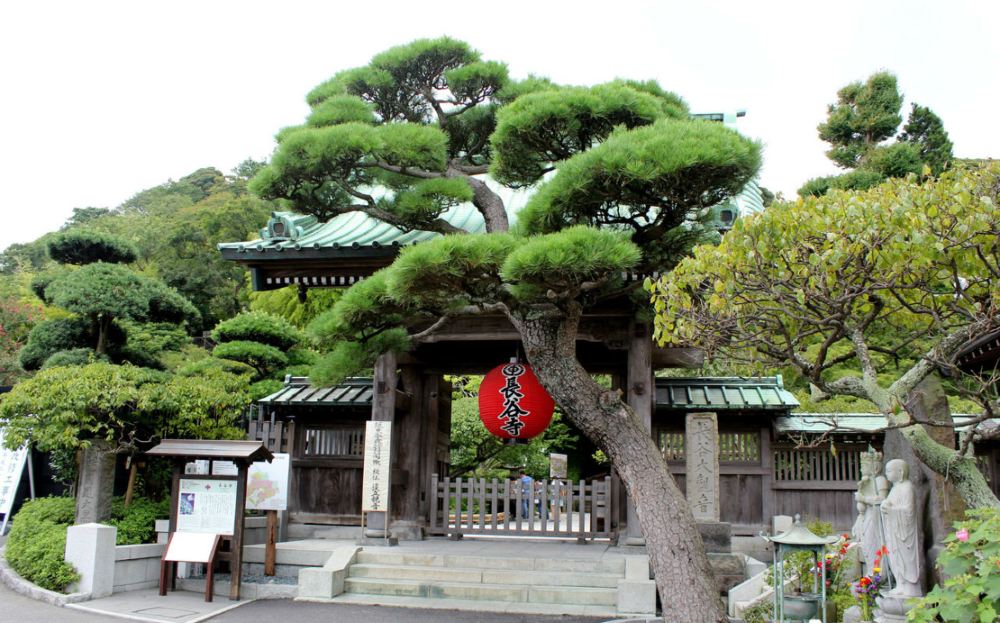
▲ A representative Jodo sect temple in Kamakura, renowned for its principal Eleven-faced Kannon statue, seasonal flowers and trees, and the scenic overlook platform with views of the Shonan coast. It serves as the fourth temple in the "Kamakura Thirty-Three Kannon Pilgrimage" route.
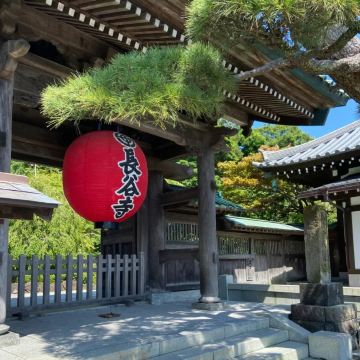

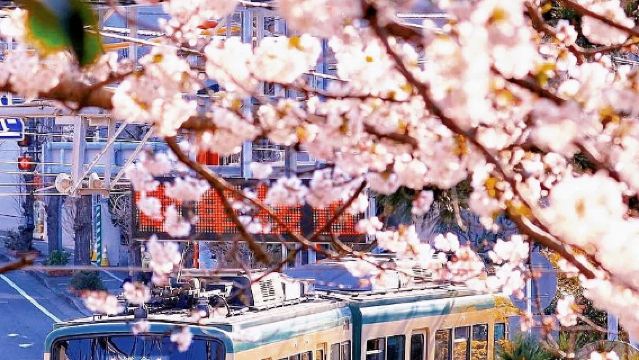
▲ In spring, there are white magnolias and Somei-Yoshino cherry blossoms; in summer, hydrangeas and balloon flowers bloom; fall brings fragrant olive and bush clover; while winter showcases camellias and plum blossoms. With flowers blooming throughout the four seasons, it's a paradise for floral photography enthusiasts.
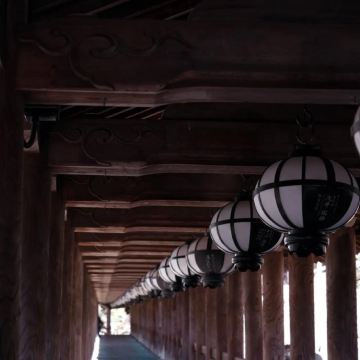

▲ Deep within the grounds lies the mysterious "Benten Cave," a dim and winding cavern space adorned with Buddhist statues and deities carved into the rock walls. This cave-exploration-like experience adds a unique charm to the ancient temple visit.
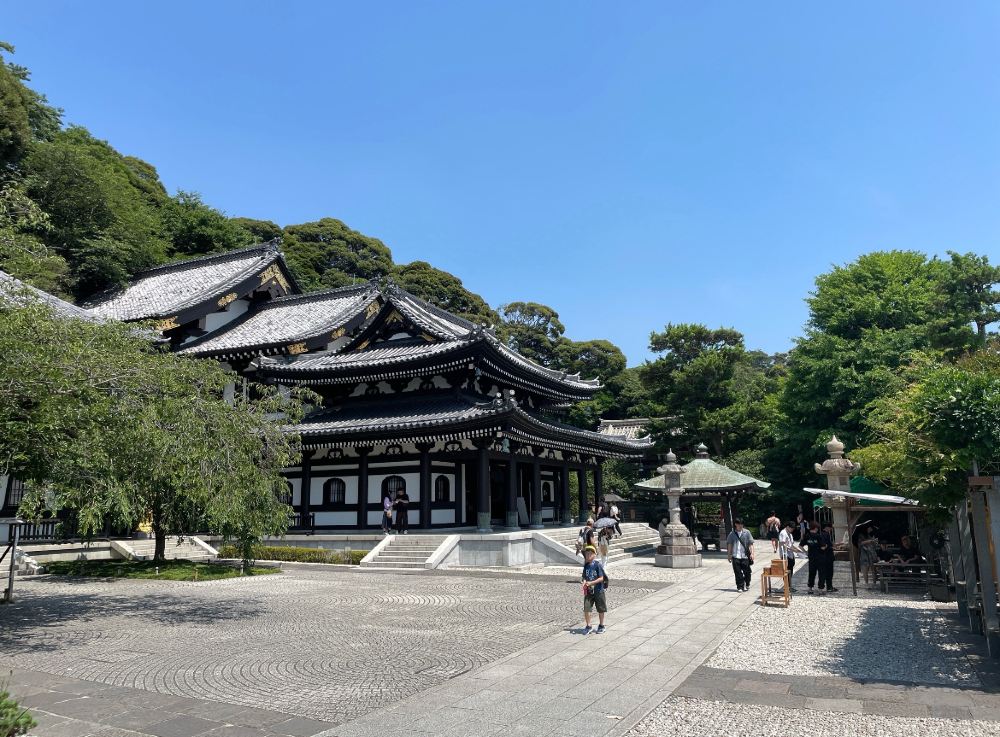
▲ The museum displays national treasures such as the standing statue of the Eleven-Headed Kannon (Avalokitesvara) that was once enshrined before the Great Kannon Statue, offering visitors a deeper understanding of Hasedera's thousand-year faith and sculptural art.
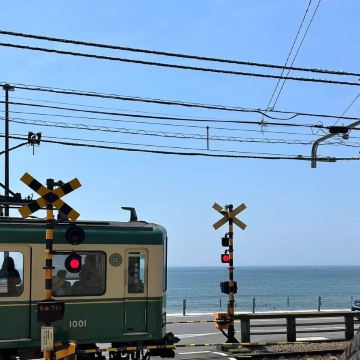

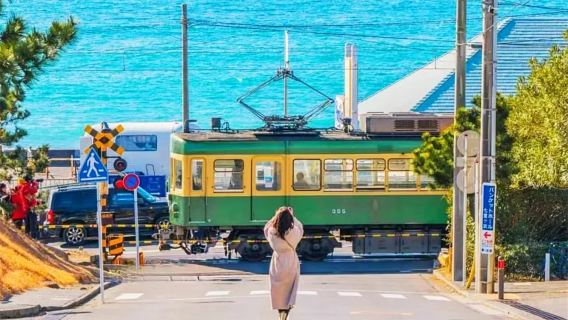
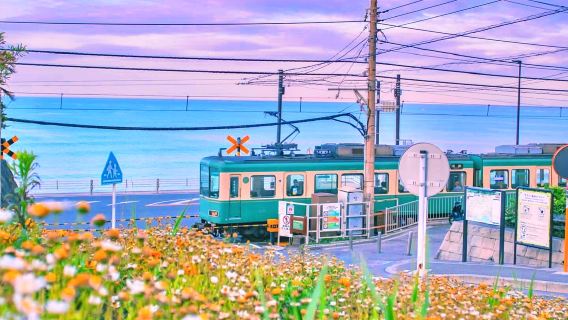
▲ This is the filming location where Hanamichi Sakuragi and Haruko Akagi wave to each other across the railroad crossing in the anime's opening theme. Standing by the tracks watching the Enoden train slowly pass by, with the dazzling sea in the background, feels like stepping into the anime world in an instant.
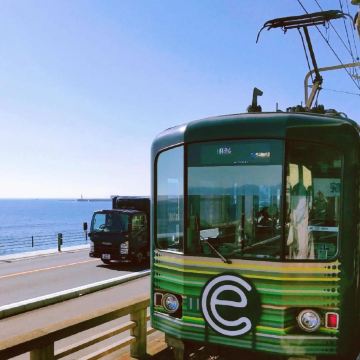

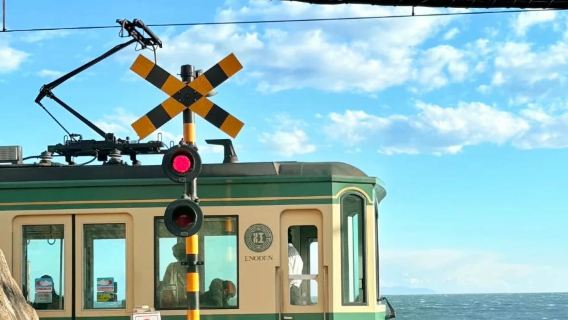
▲ The classic photo spot is right by the railroad crossing. Capture the moment as the tram passes by, with the railway tracks, crossing, ocean, and Enoden train all in one frame – one of Kamakura's most iconic images.
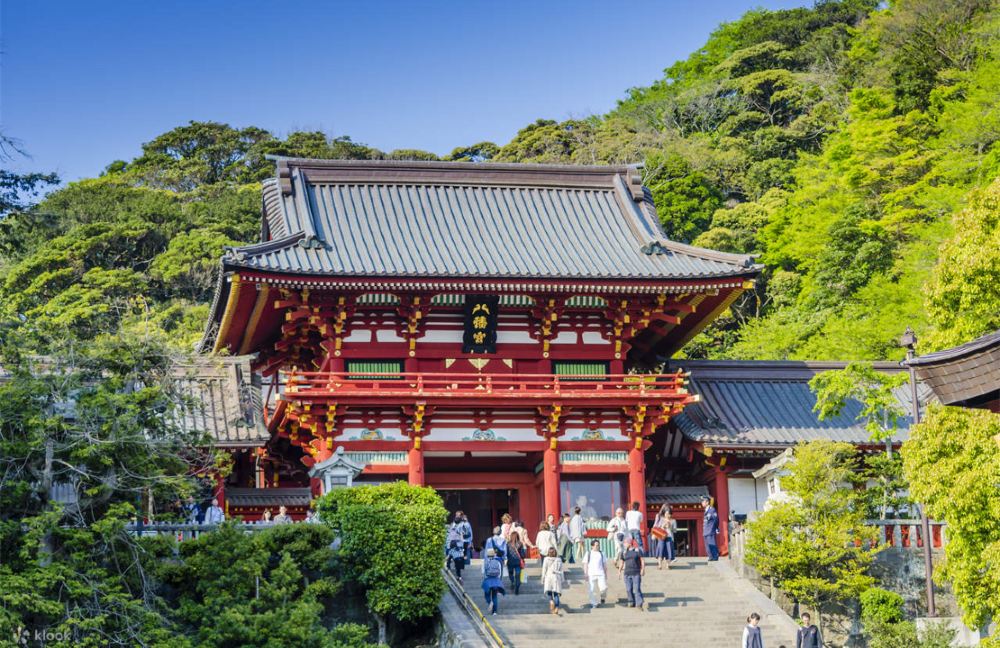
▲ Founded in 1063 by Minamoto no Yoriyoshi and relocated to its current site in 1180 by Minamoto no Yoritomo, this shrine is one of Japan's Three Great Hachimangu Shrines. It served as the guardian shrine of the Kamakura Shogunate and is considered the birthplace of samurai culture.

▲ The giant ginkgo tree beside the large stone steps stands approx. 30 m tall with an estimated age of 1000 years, serving as a symbol of Tsurugaoka Hachimangu. In 1219, the third shogun Minamoto no Sanetomo was assassinated here, and this sacred tree witnessed the rise and fall of the Kamakura shogunate.