


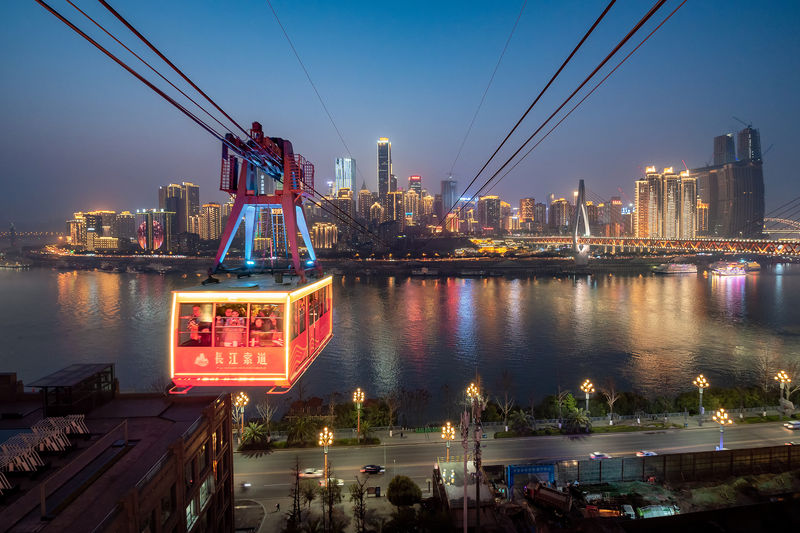
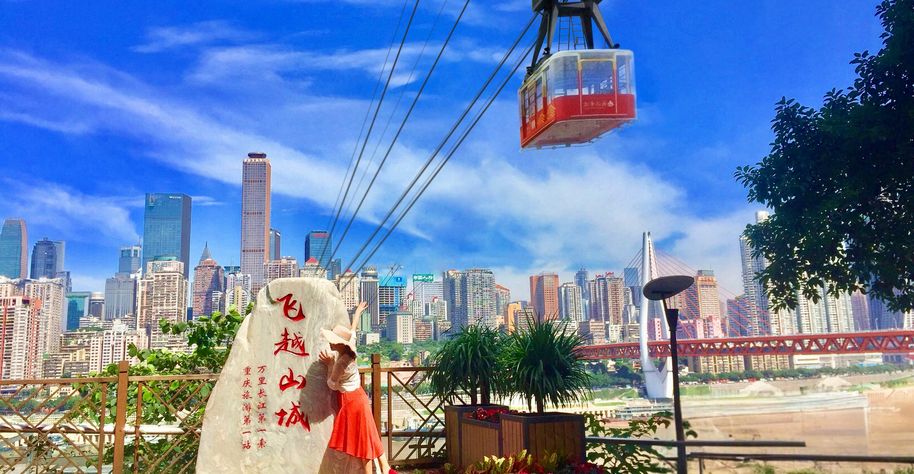
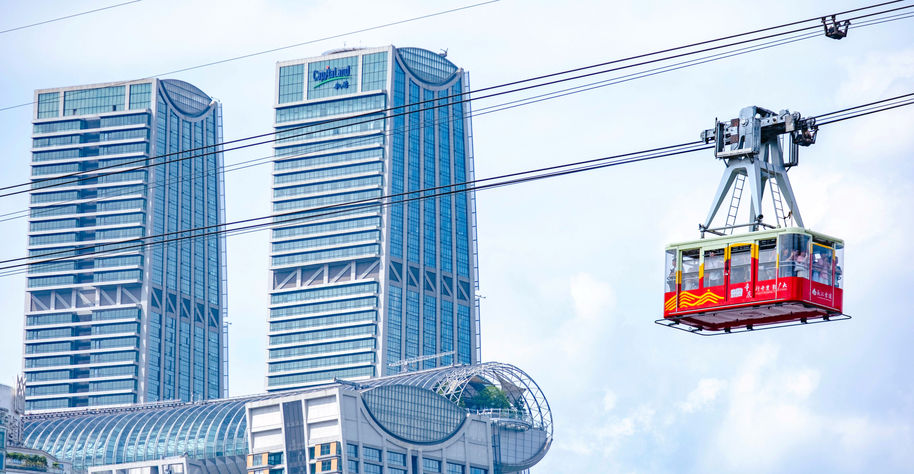
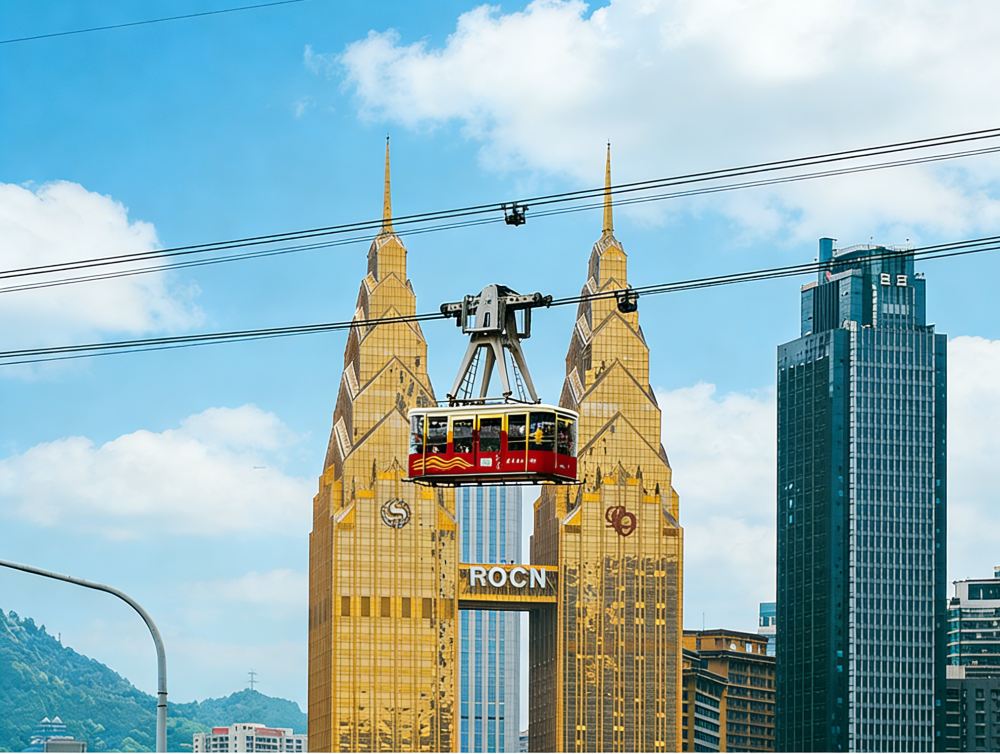
▲ [Yangtze River Cableway] (The First Aerial Corridor Over the Yangtze River) Status & History: Opened in 1987, China's first large-scale cross-river passenger cableway (total length 1166m, one-way trip approx. 4 min 30 sec), designated as a Chongqing Cultural Heritage Site; Featured in the movie "Crazy Stone", with a film culture wall at the South Station. (Complimentary attraction admission, non-refundable if unused)
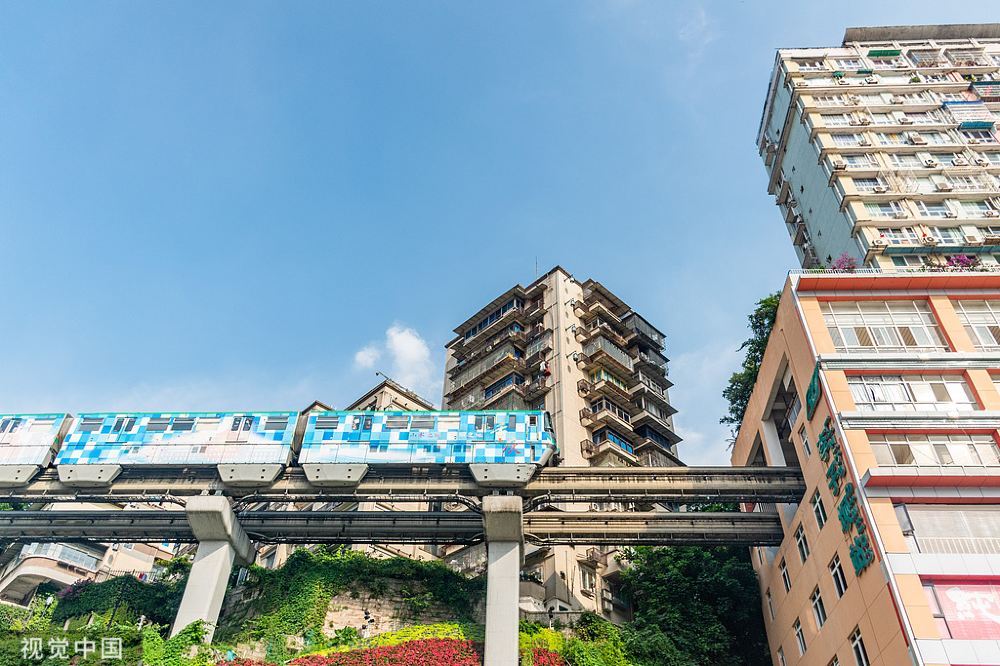
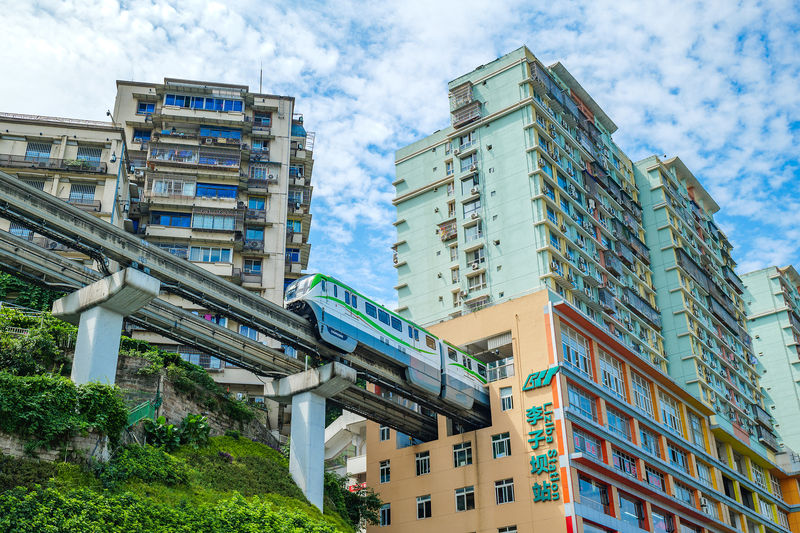
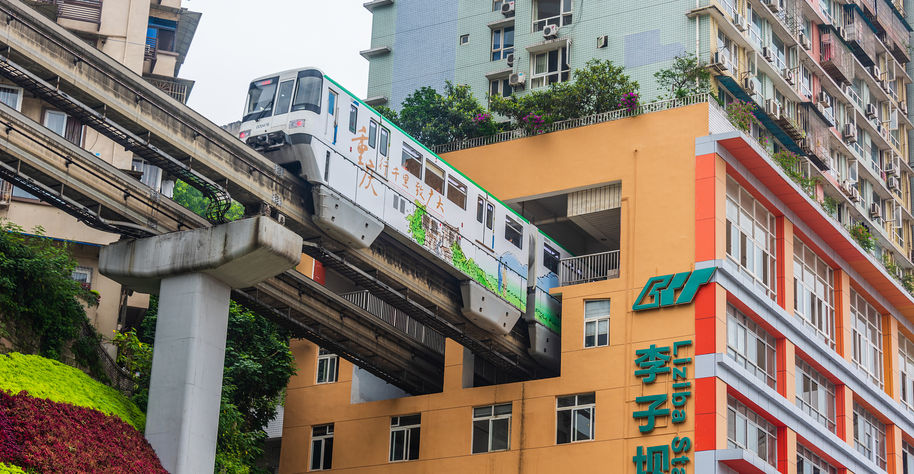
▲ Liziba light rail through buildings (fantastic transportation landmark) A rare engineering design globally: The rail transit line 2 train passes through the 6th to 8th floors of a residential building. The station and building were designed and constructed simultaneously (not modified later), with a separated station-bridge structure effectively isolating vibrations and noise. It represents Chongqing's three-dimensional mountain city terrain. Dual viewing experiences: Capture the moment of "train entering building" from the dedicated viewing platform below. Take the front window seat on line 2 for an immersive visual impact of passing through buildings, perfect for short video creation.
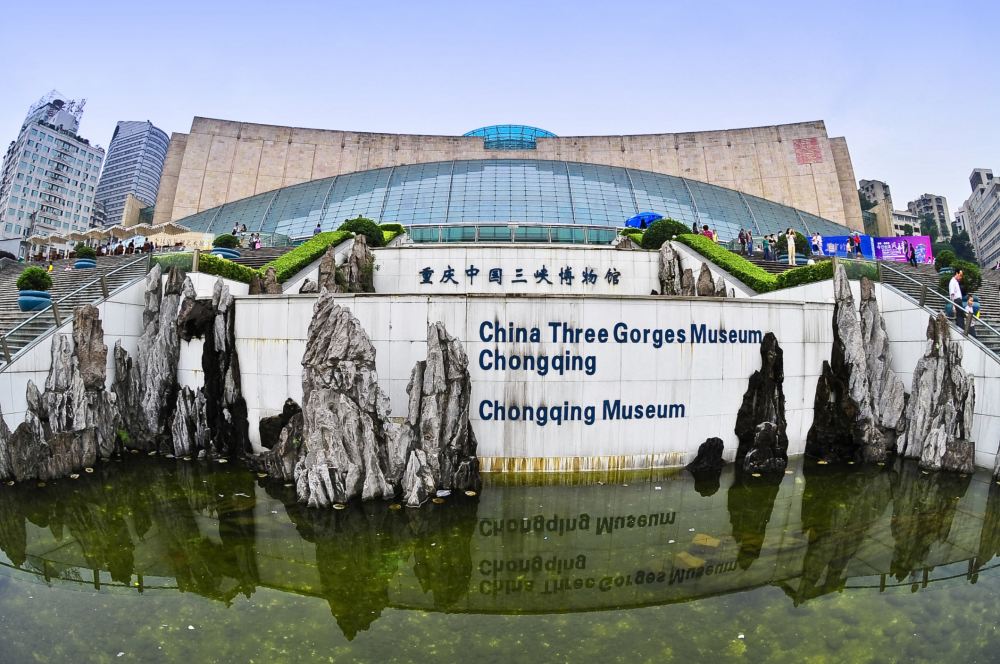
▲ [Chongqing China Three Gorges Museum] Originally established as the Southwest Museum in 1951, it was renamed Chongqing Museum in 1955 before officially opening its new venue in 2005. The museum complex consists of five venues: the Main Hall, Chongqing Baiheliang Underwater Museum, Chongqing Soong Ching Ling Memorial Hall, Tushan Kiln Site, and Chongqing Three Gorges Cultural Relics Conservation Center. Together with the adjacent Chongqing People's Square and The People's Great Hall, they form a "trinity" of iconic urban architecture. The museum's collections feature distinctive series including "ancient human specimens, Three Gorges cultural relics, Ba-Yu bronze ware, Han Dynasty artifacts, Southwest ethnic relics, WWII home front artifacts, porcelain, calligraphy & paintings, and ancient zithers." (Closed on Mondays; alternate attraction: Zhongshan 4th Road)
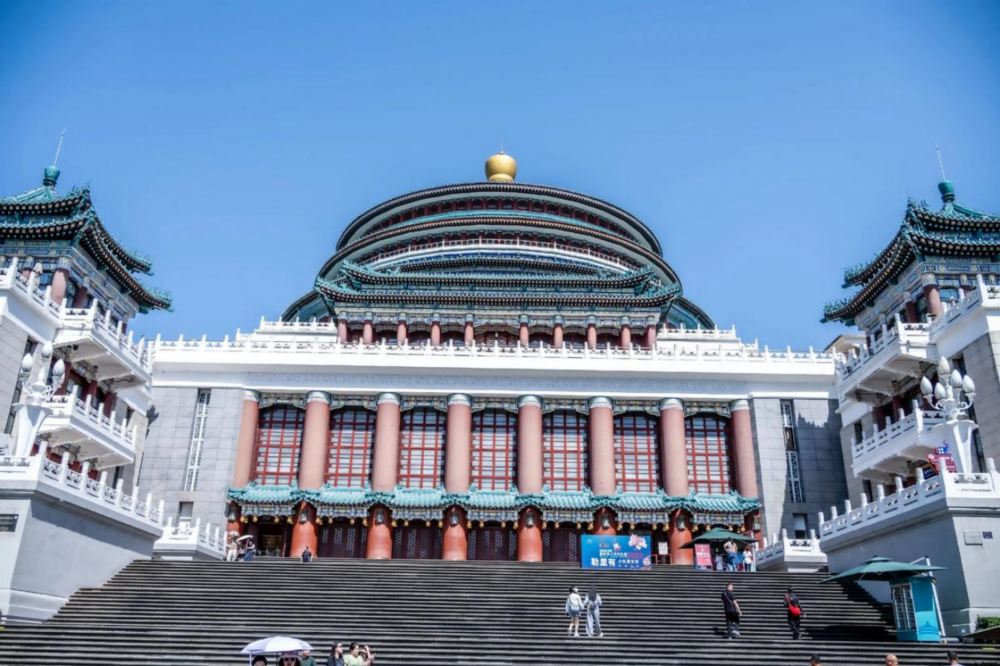
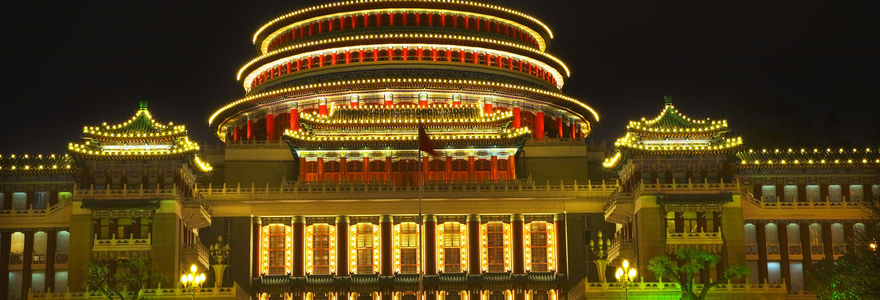
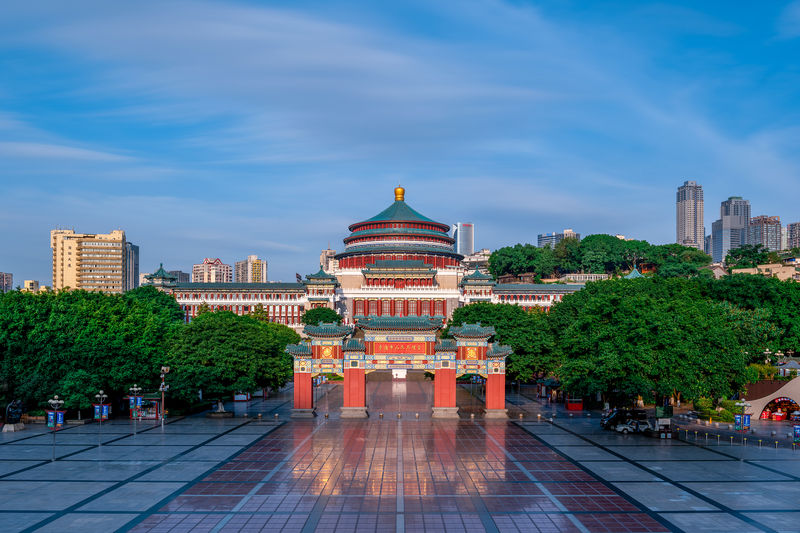
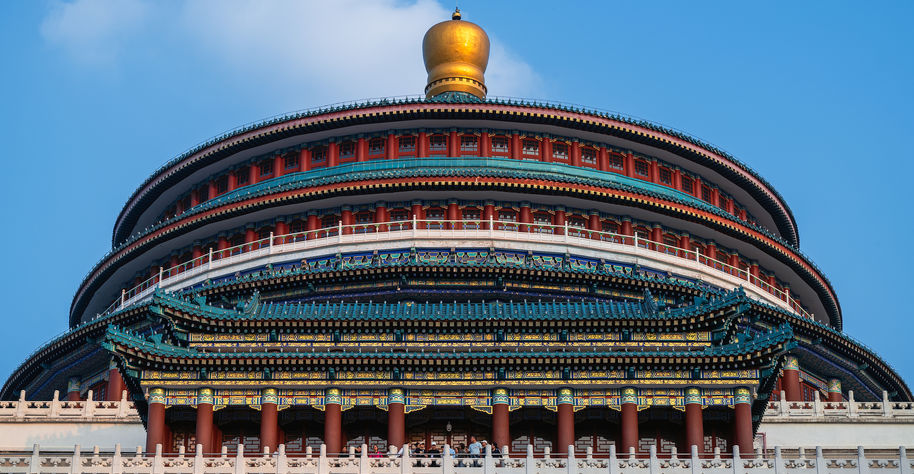
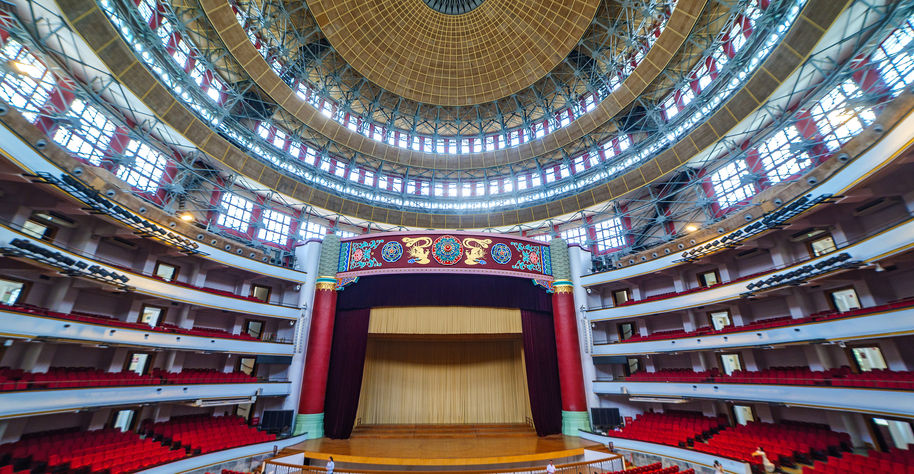
▲ [The People's Great Hall in Chongqing] (An Oriental Architectural Gem, National Key Cultural Relics Protection Unit) Architectural Epic: Construction began in 1951 and was completed in 1954, designed by Zhang Jiade, blending elements of Ming and Qing palaces with the Hall of Prayer for Good Harvests from the Temple of Heaven, combined with Western large-span steel structures; featuring red walls and green glazed tiles, a golden-decorated dome, and a main gate archway known as the "Little Tiananmen," standing 65m tall with a circular hall inside that can accommodate 3,400 people. Historical Witness: Once served as a major assembly and performance center in Southwest China, bearing witness to Chongqing's transformation from a wartime capital to a regional hub. Photography Spots: Capture the panoramic view from the center of People's Square; after dusk when the lights are on, the warm glow outlines the building's silhouette, creating a highly atmospheric scene.
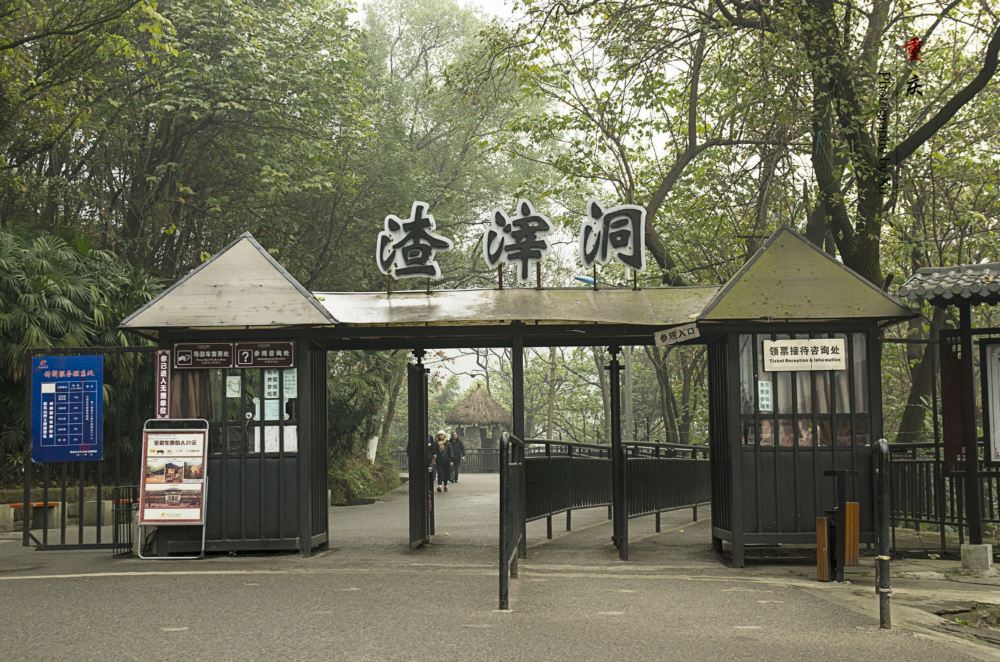
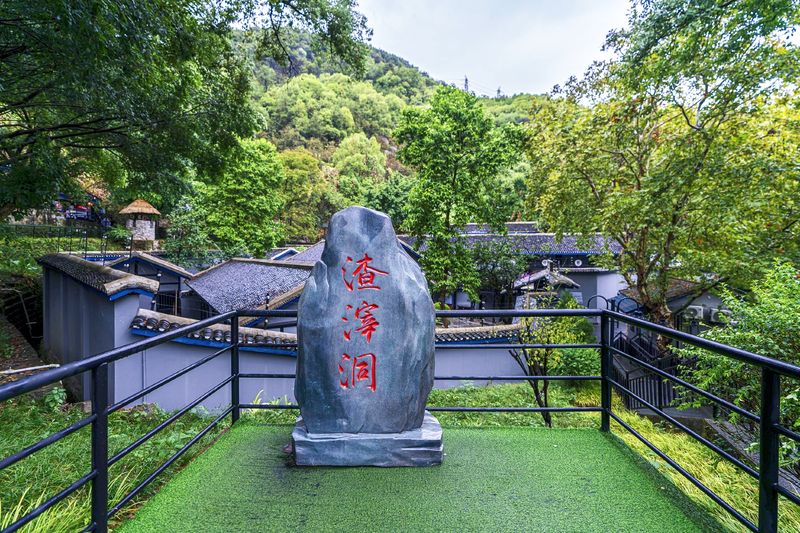
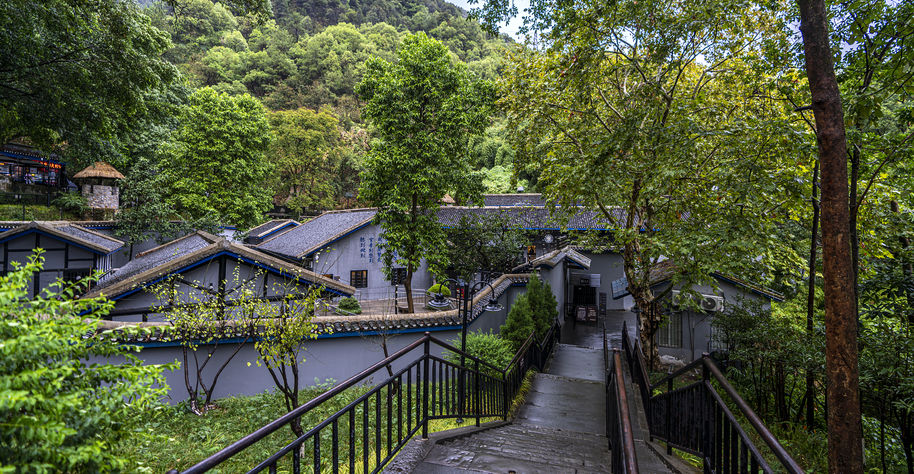
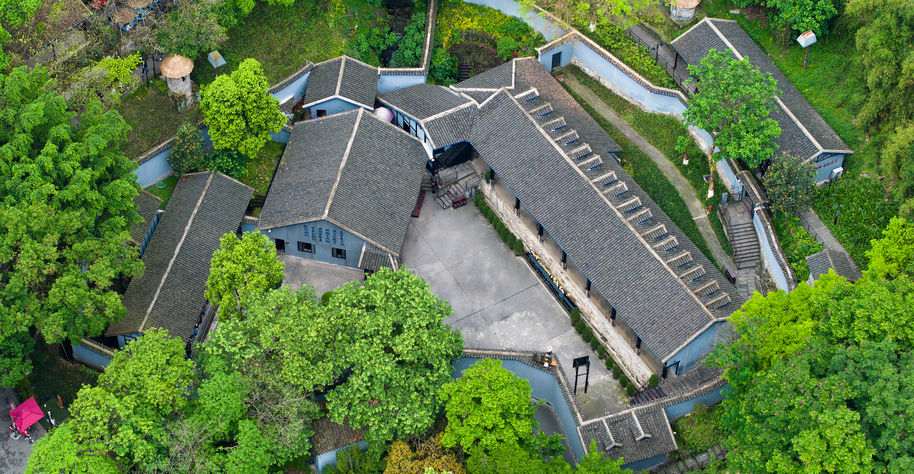
▲ [Zhazidong concentration camp] (Core site of the red rock stories) Prison layout: High walls built against the mountain, exercise yards, prison cells, and secret police offices, where revolutionary martyrs like Jiang Zhuyun (Sister Jiang) were once imprisoned. Tragic history: Site of the "November 27" massacre, featuring preserved interrogation rooms and slogan walls. The memorial hall displays relics and historical materials of the martyrs. Solemn atmosphere: Gray buildings nestled among green trees, evoking a profound sense of history, ideal for red education activities. (Excludes CNY 20/person attraction shuttle fee)
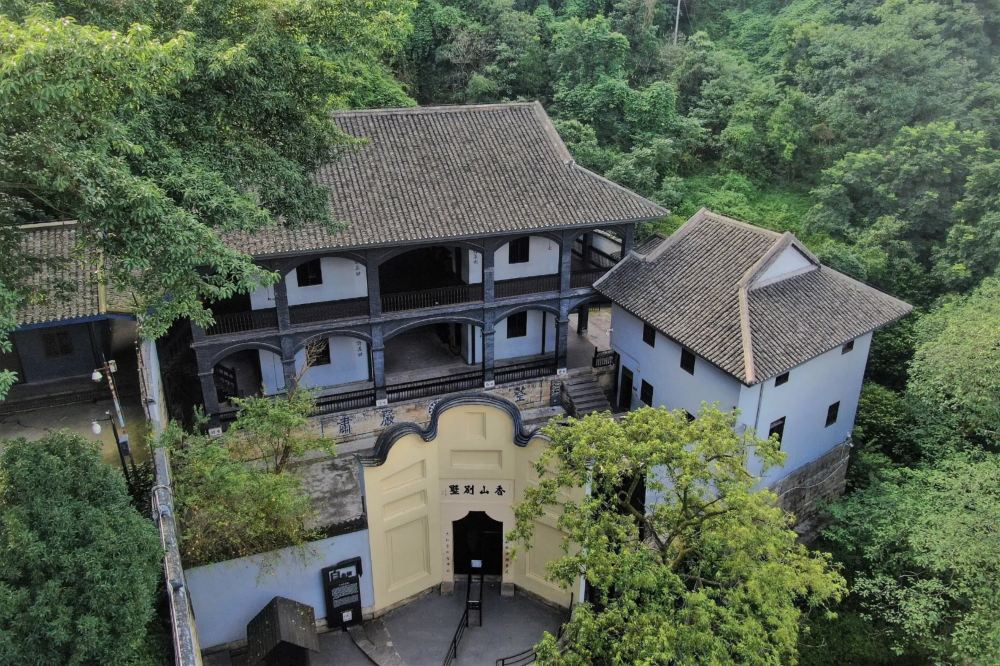
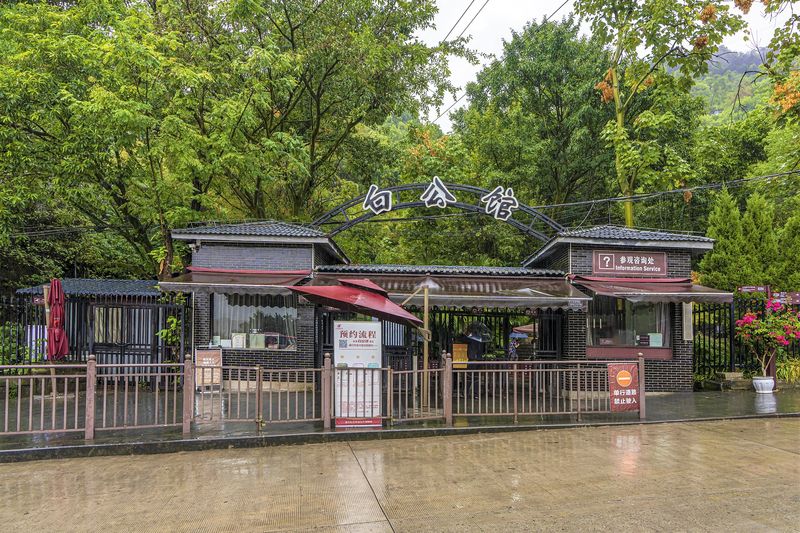
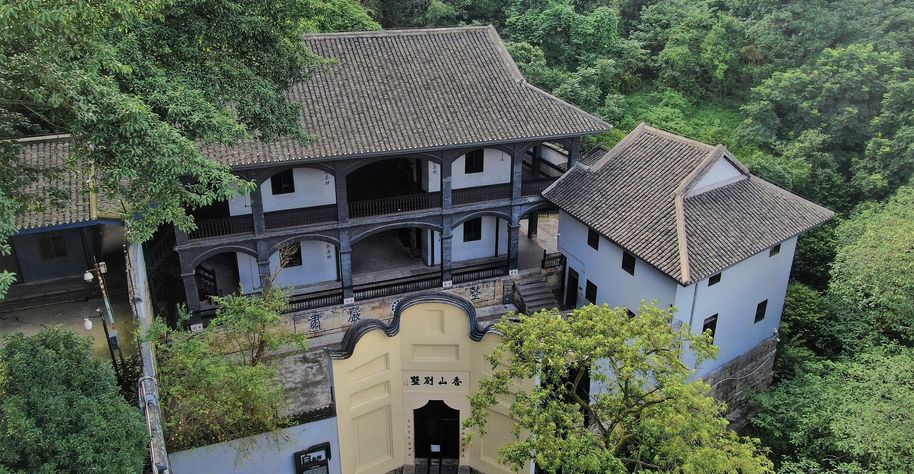
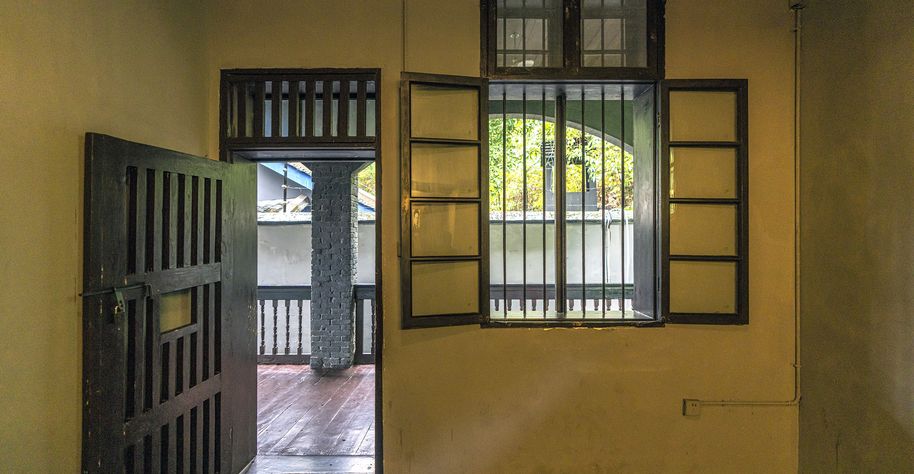
▲ Baigongguan (Xiangshan Villa, Red Rock Secret Prison) Historical background: Originally the villa of warlord Bai Ju (Xiangshan Villa), it was converted into a secret prison by the Military Statistics Bureau in 1939 and became one of the sites of the November 27 Massacre. Architectural features: A two-story Western-style building nestled against the mountain, featuring arched windows, corridors, and courtyard walls preserving original slogans, with a secluded and solemn atmosphere. Red legacy: Narrow iron-barred cells and simple wooden beds showcase the steadfastness of revolutionary martyrs. Together with Zhazidong, it forms a core attraction of the Geleshan Red Rock historical route.
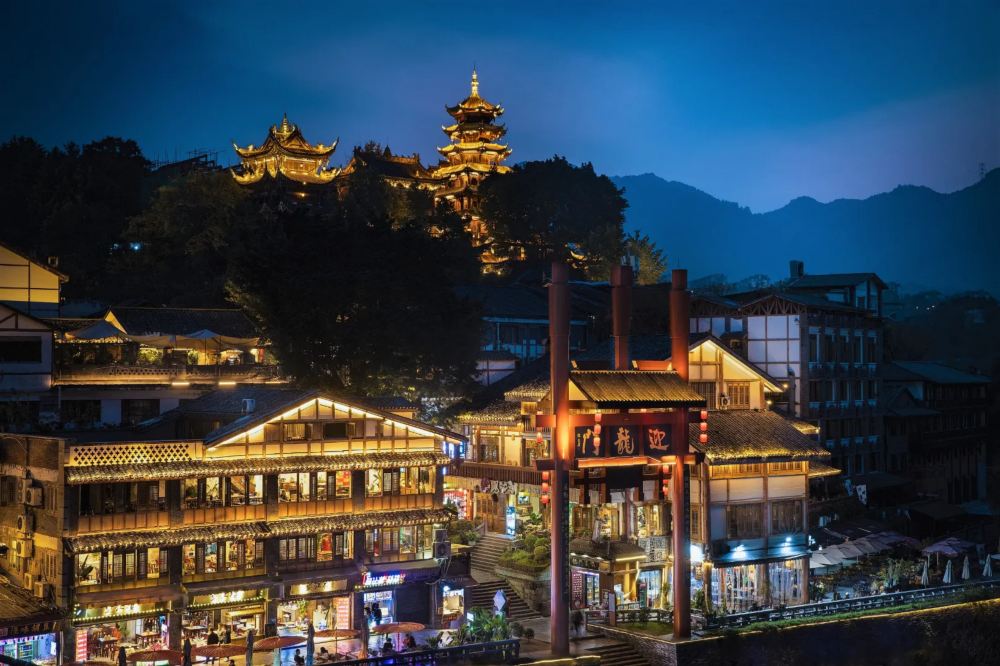
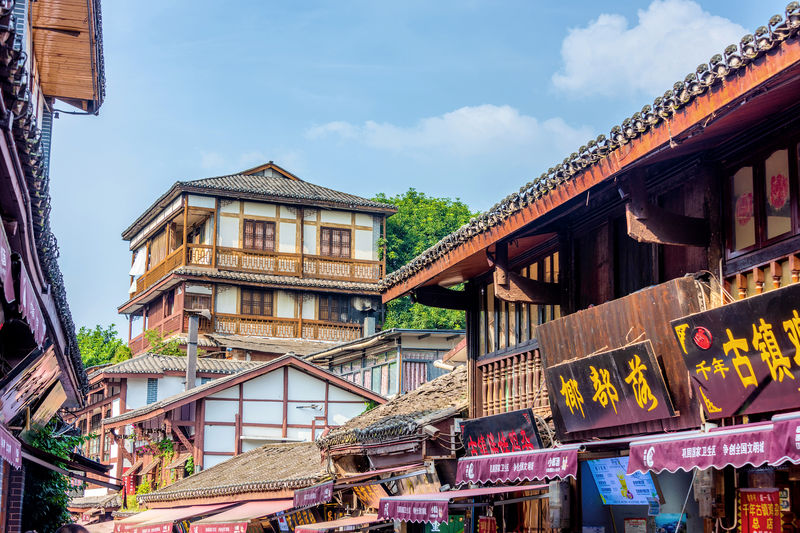
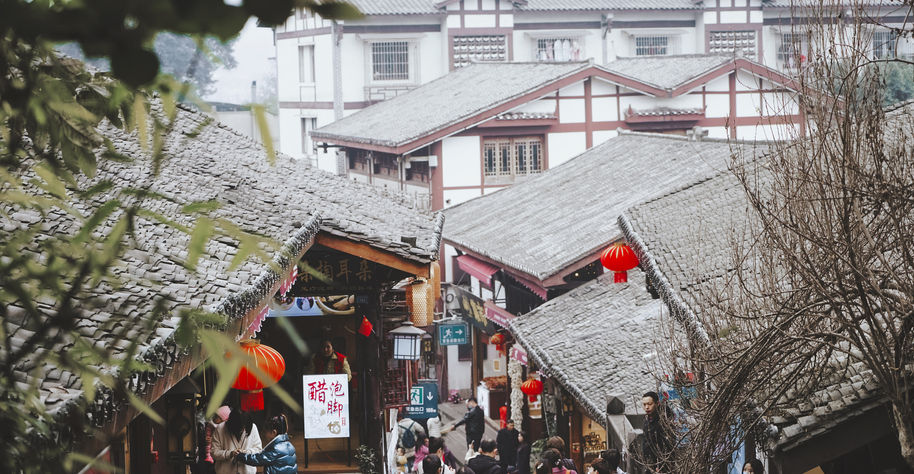
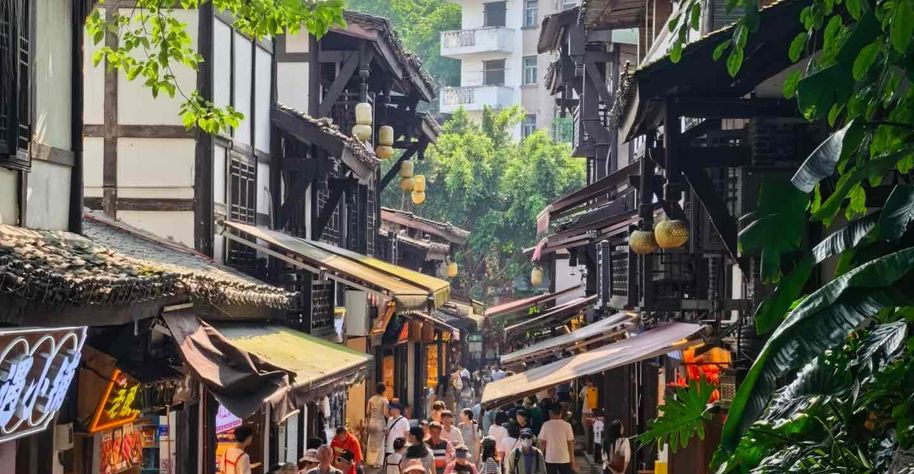
▲ Ciqikou (Ancient Architecture Blends with Landscape and Modern Trends, Shining in Bayu Region) Millennium Heritage: Established during the Song Dynasty (998 AD), originally named Longyin Town. It gained fame during the Qing Dynasty for its porcelain water transport, earning titles like "Little Chongqing" and "A Stone-paved Road, a Millennium-Old Ciqikou." Architecture & Culture: Ming and Qing Dynasty stilt houses, bluestone-paved main street, Baolun Temple (Longyin Temple, the seclusion site of Emperor Jianwen), Zhong Family Courtyard, and other ancient structures. Enjoy Sichuan opera in old teahouses, savor Chen Mahua (crispy twists), Mao Xue Wang (spicy blood curd stew), and ancient town chicken giblets. Water-Land Fusion: The riverside townscape along the Jialing River showcases the bustling layout of its historic waterfront port.
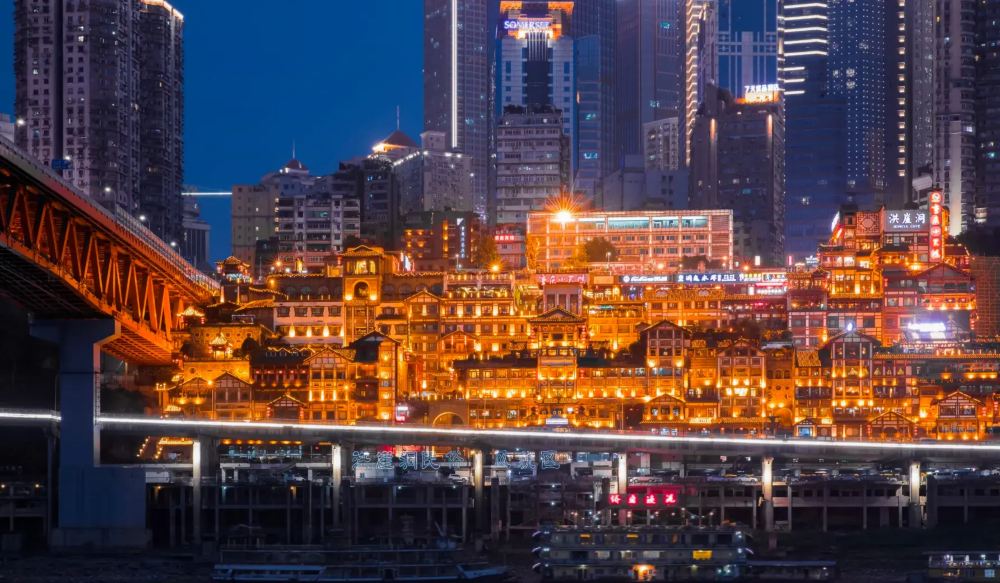
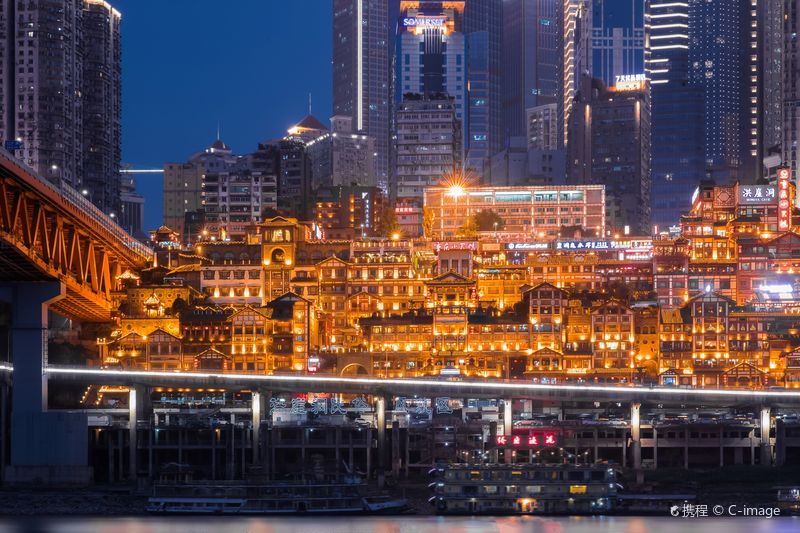
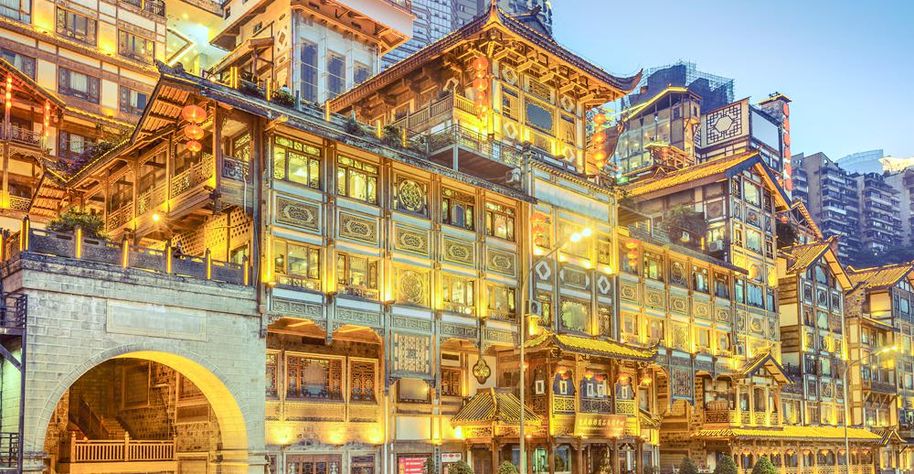
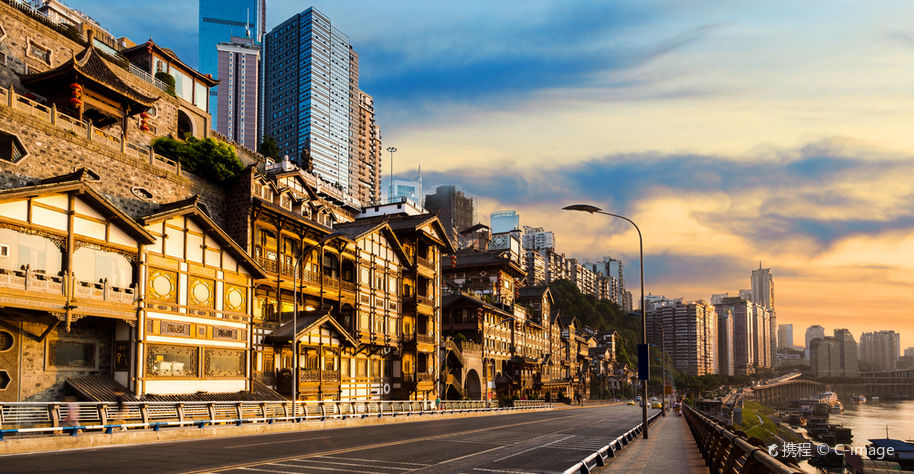
▲ Hongya Cave (Real-Life Version of Spirited Away's Dazzling Night View) Three-dimensional Stilted Buildings: An 11-story cliffside Bayu stilted complex, with Binjiang Road on the 1st floor and Cangbai Road on the 11th floor both serving as streets, perfectly showcasing Chongqing's 8D terrain. Night View: Lights illuminate from 19:00-23:00, with warm yellow reflections on the Jialing River complementing the cool lights of Qiansimen Bridge. Qiansimen Bridge/Jiangbeizui River Beach offers panoramic photo spots. Folk Culture Experience: Restored traditional Bayu businesses featuring intangible cultural heritage crafts and folk performances. Ideal for capturing architectural details during the day and atmospheric night scenes. (Group disbands here; visitors may explore the night view independently!)