Reminder:
1. Seniors aged 60 and above must ensure they are in good health for travel and must be accompanied throughout the trip by at least one adult traveler aged 21-55.
2. Minors under 18 must be accompanied throughout the trip by at least one adult traveler aged 21-55.
3. Pregnant women and individuals with special conditions such as heart disease or acrophobia are not suitable for this tour and may be denied participation. Please book with caution.
4. Travelers aged 80 and above cannot be accommodated. We appreciate your understanding.
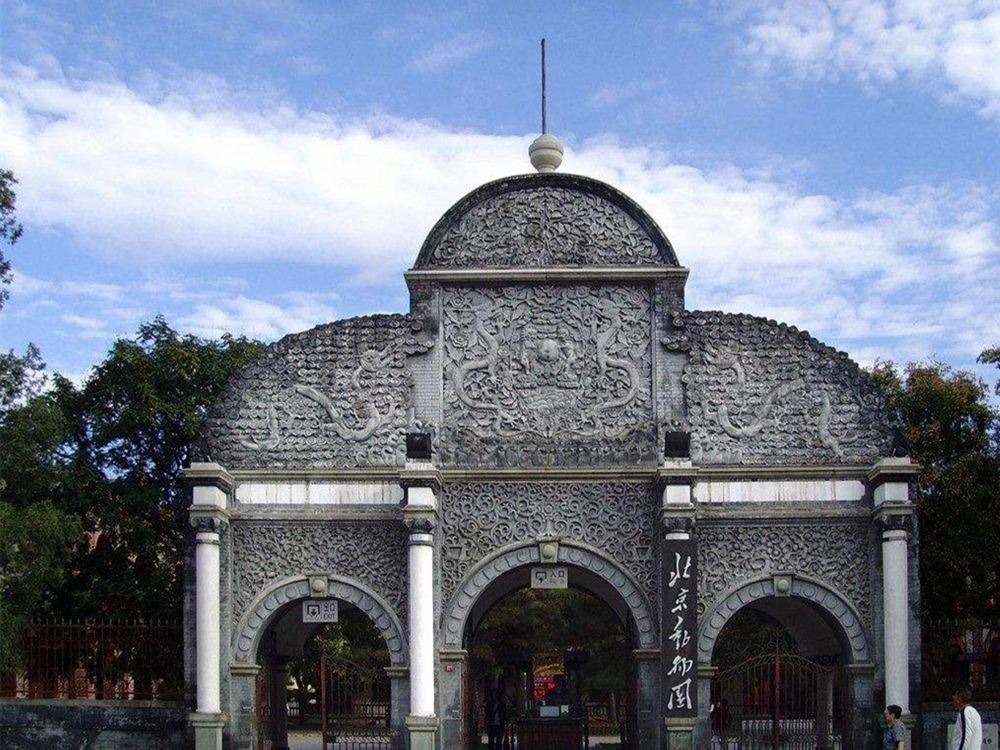
Beijing zoo
Beijing zoo is located on xizhimen outer street in xicheng district, beijing. It is one of the largest urban zoos in china with a comprehensive collection of animal species, boasting a history of over a hundred years since 1906. The zoo is divided into three areas: east, south and north.
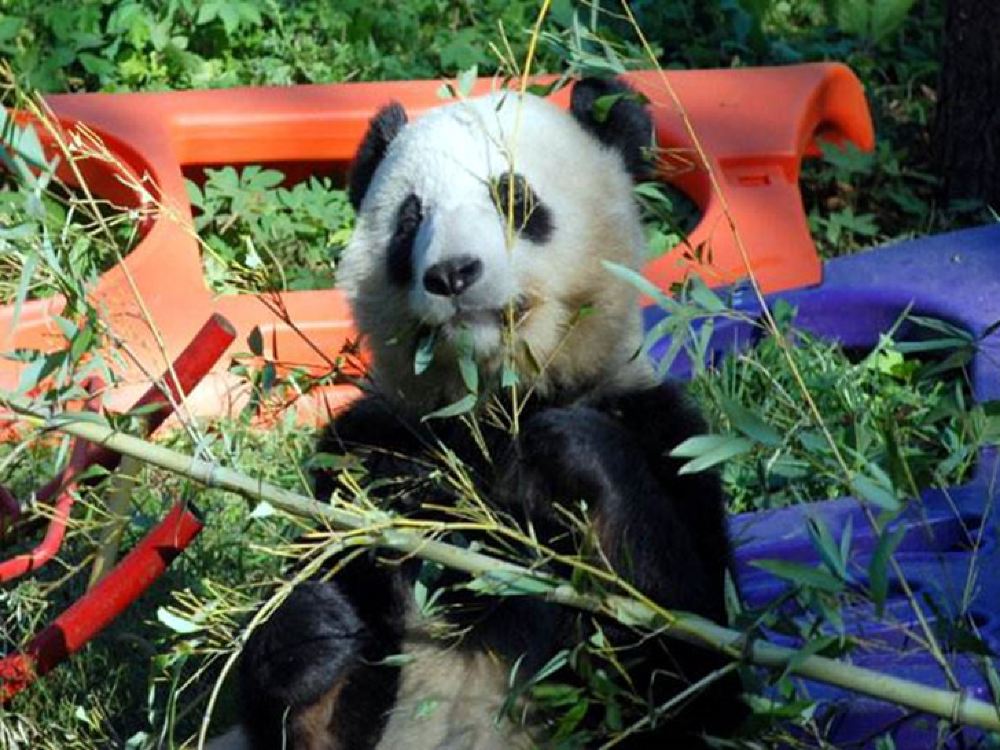
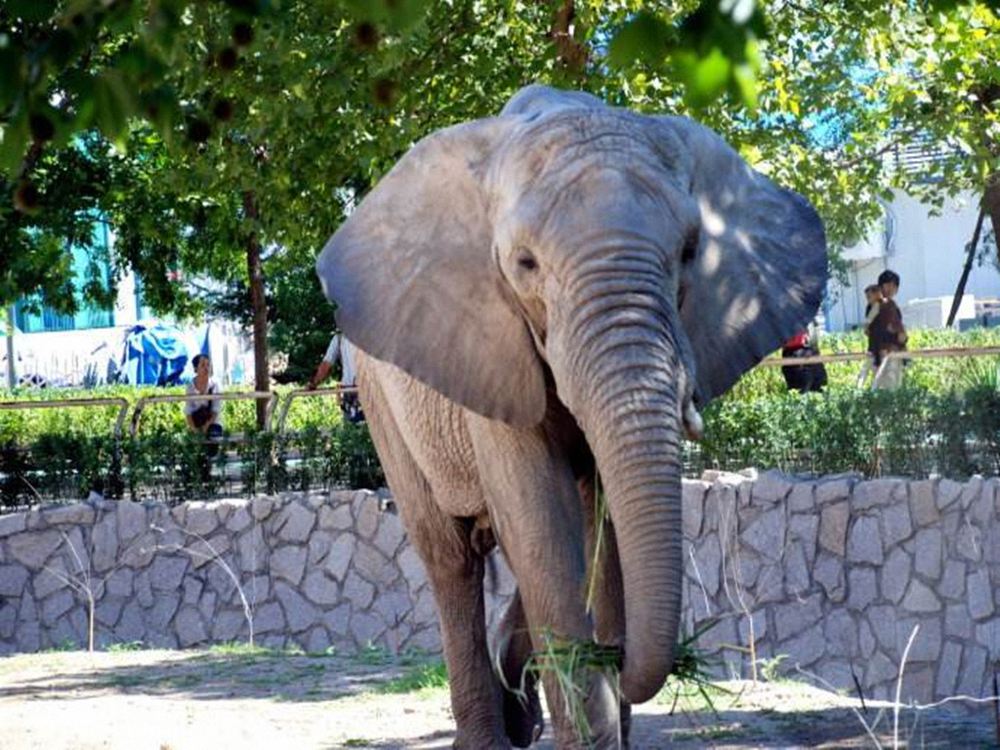
This sanctuary is home to China's precious native animals such as giant pandas, golden monkeys, Siberian tigers, white-lipped deer, Père David's deer, Shetland ponies, and red-crowned cranes, as well as representative species from around the world including African chimpanzees, Australian kangaroos, jaguars, Mexican manatees, and European bison. Additionally, there's a two-story amphibian and reptile house showcasing over 100 species of reptiles from various regions, featuring one of the world's largest crocodiles—the saltwater crocodile.
The peony garden in the botanical garden covers an area of 1,500 square meters, located east of the current waterfowl island and west of the Bin Feng Hall. This garden features the peony pavilion and circular corridor as its main structures, with blooming peonies complementing the corridor from late April to early May each year. During midsummer, the pink lotus flowers and dark green leaves by the lakeside pavilion create a distinctive attraction. The garden currently cultivates nearly 400 peony plants, preliminarily identified to include 54 varieties from 10 color groups, primarily belonging to the central plains and Jiangnan peony varieties.
The zoo also features a science education center that offers weekend animal classes specifically designed for preschool children. Under the guidance of teachers, kids can interact closely with small animals, listen to interesting stories about them, and participate in various engaging activities like games and crafts with their peers to discover the wonders of the animal world.
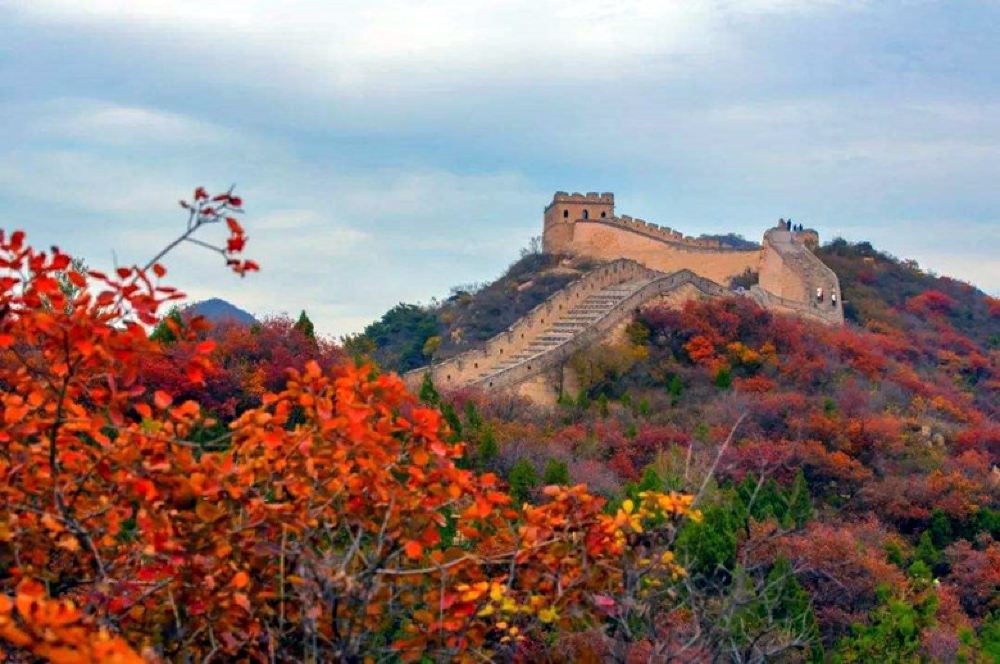
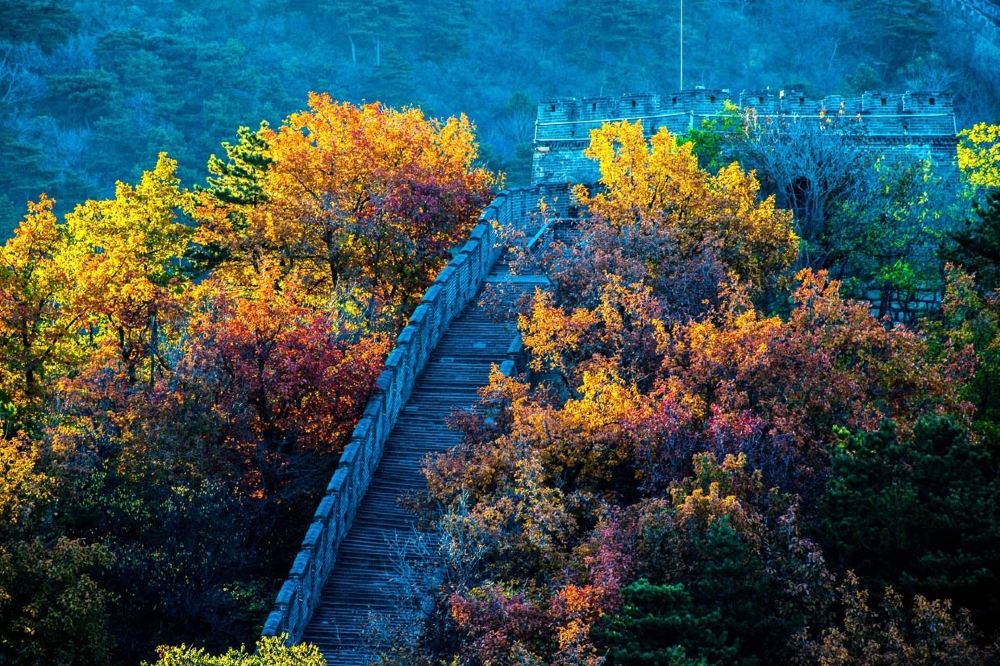
Mutianyu great wall is located in Mutianyu village, Bohai town, Huairou district, Beijing, approx. 73 km from downtown Beijing. As a vital section of the Ming dynasty great wall, it is renowned for its unique architectural style and historical significance. Constructed in 1368 under the supervision of General Xu Da on the ruins of the Northern Qi dynasty great wall, it represents the finest part of the Ming great wall. Connecting Gubeikou to the east and Juyong pass to the west, this strategic military stronghold has protected the capital region since ancient times. With its well-preserved structure, it authentically showcases the ancient charm of the great wall, holding profound historical and cultural value. In 1987, it was inscribed on the UNESCO World Heritage List, transformed into a scenic area in 2000, and rated as a AAAAA-level tourist attraction by the National Tourism Administration in 2011.
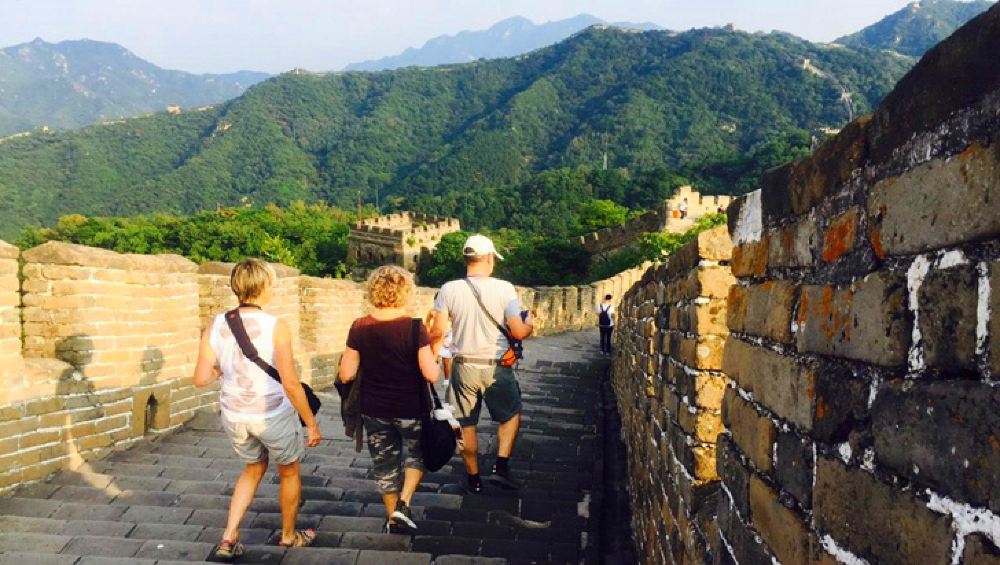
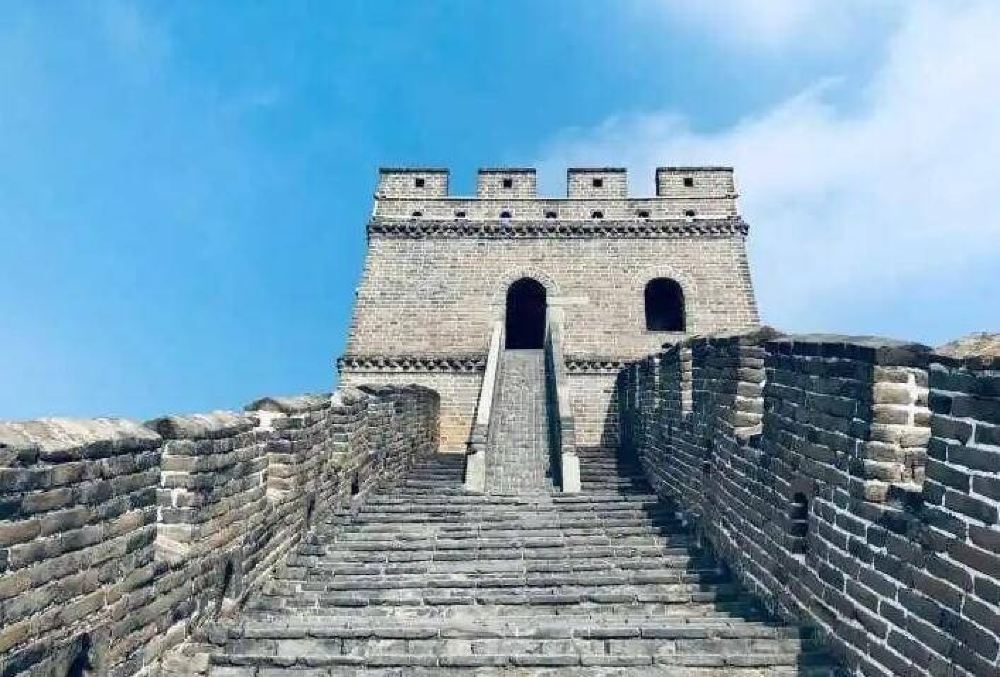
Mutianyu zhengguan platform (Mu character platform one), built during the Yongle era of the Ming dynasty, features three uniquely clustered watchtowers - a rare architectural form on the great wall. This two-story interconnected structure serves as the landmark of Mutianyu.
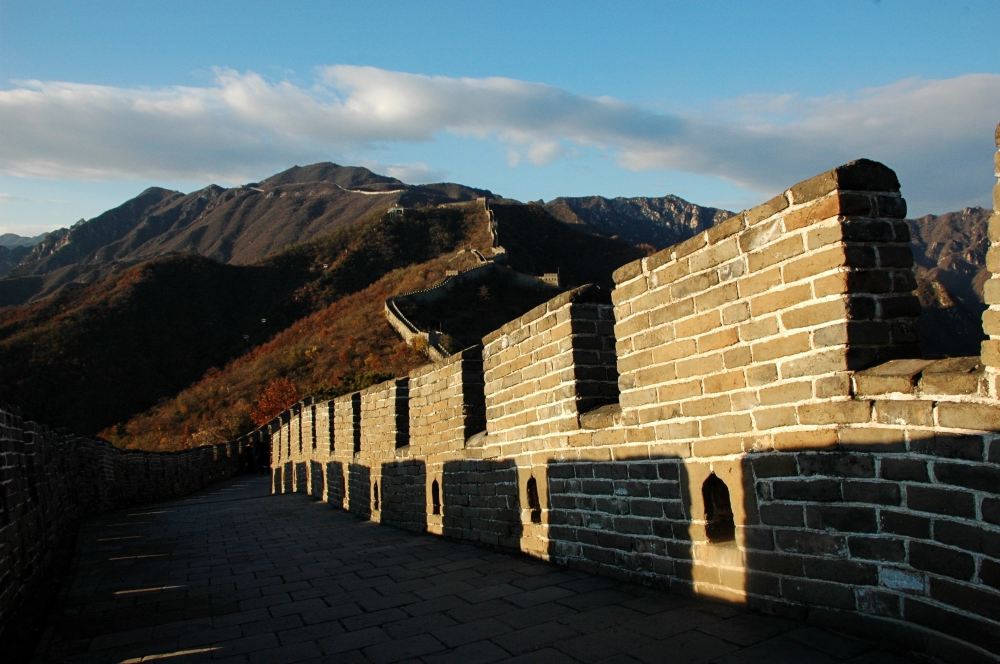
The wall features battlements on both its inner and outer sides, allowing for defense from two directions, unlike most sections of the Great Wall which only have outer battlements. The top of the wall is 4–5 m wide, constructed with granite slabs, making it solid and imposing.
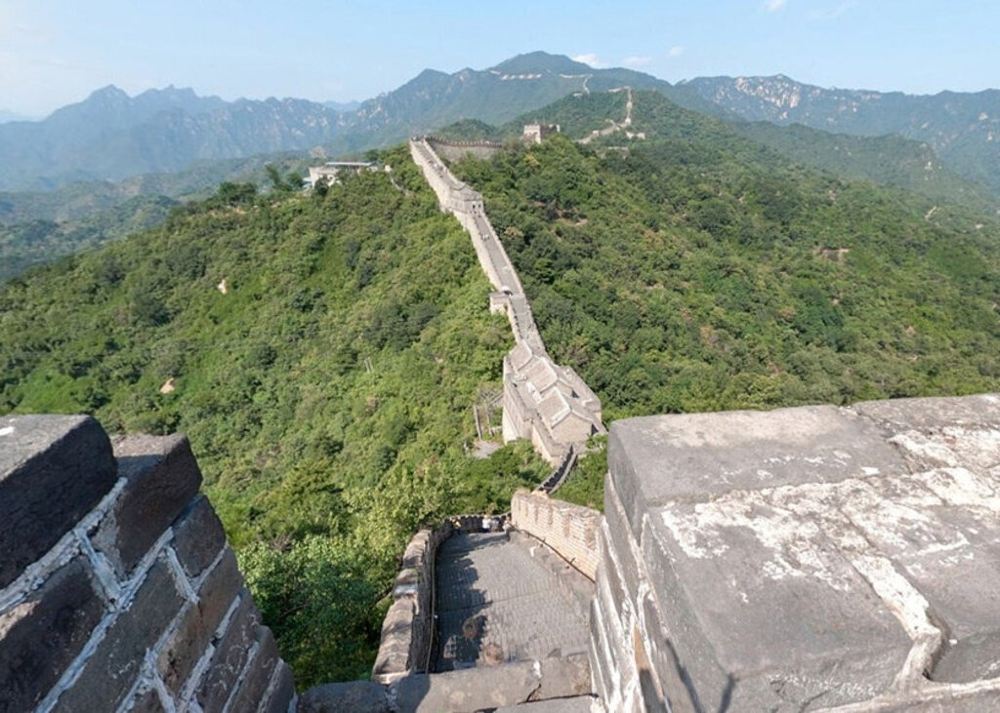
The open section spans 5.4 km with 20 watchtowers, averaging one every 200 m, the highest density among the Ming Dynasty Great Wall sections. Most are double-layer hollow watchtowers serving as garrisons, storage spaces, and observation posts.
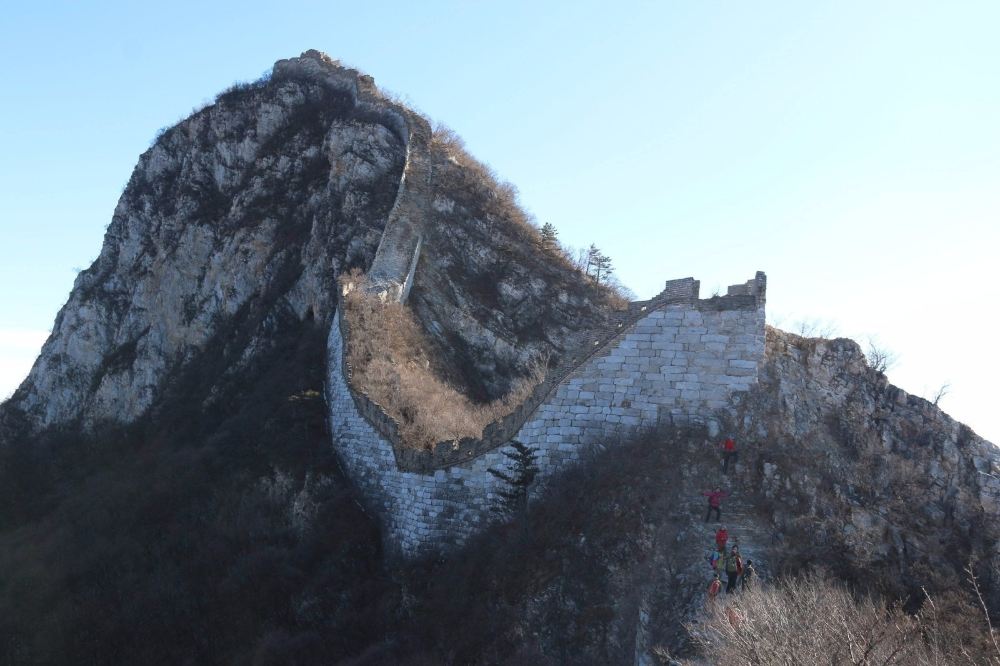
The Great Wall ascends and descends sharply along the mountain ridges, twisting like ox horns with its highest point reaching 1,039 m. Its perilous terrain and majestic grandeur make it one of the most spectacular sections of Mutianyu.