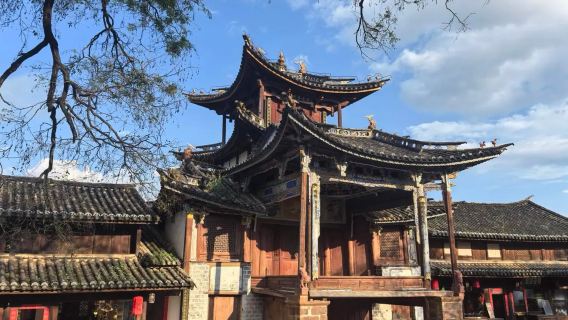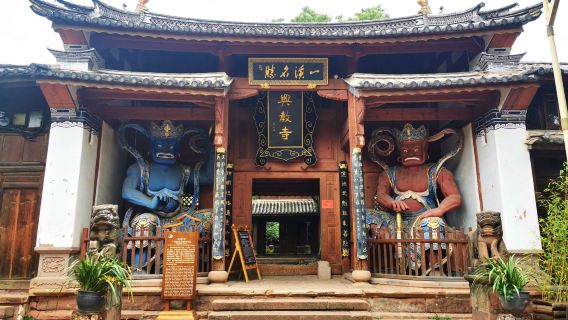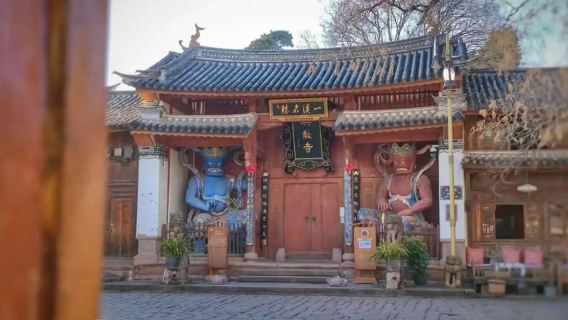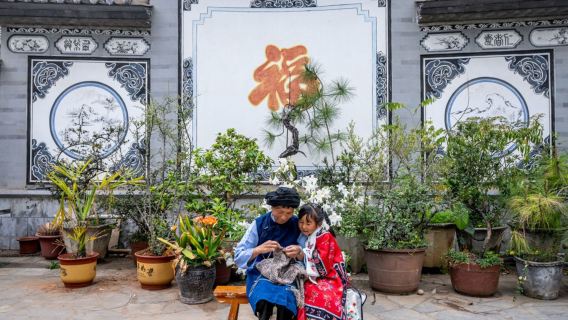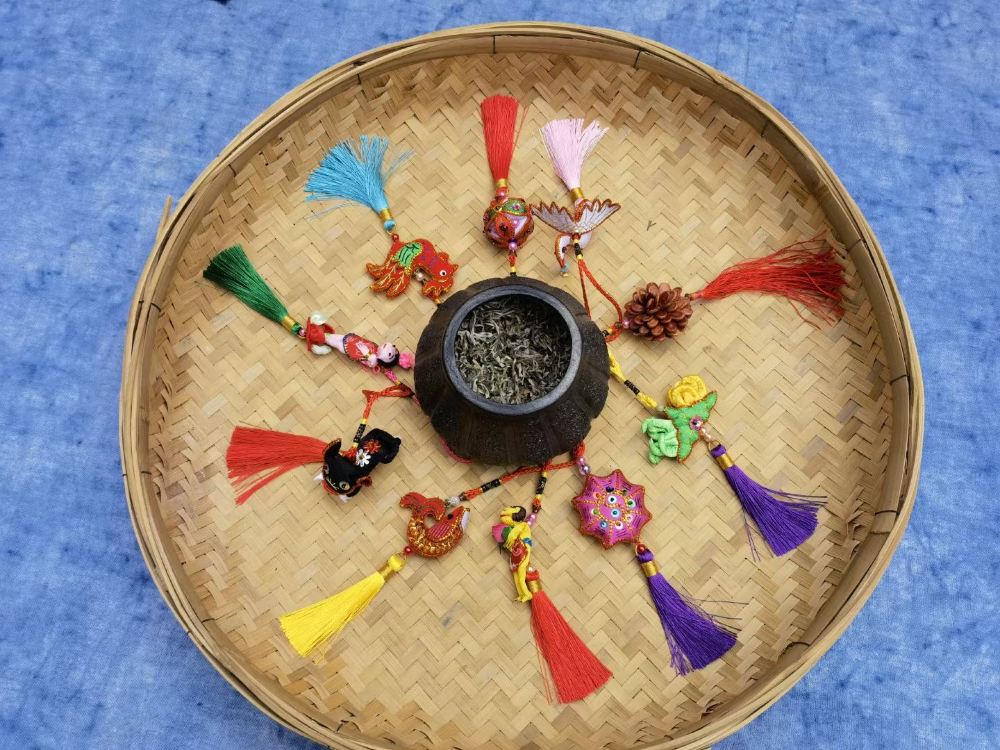
▲ A provincial-level intangible cultural heritage of Yunnan, originating from the Dragon Boat Festival's custom of warding off toxins. Made with embroidered colorful cloth and stuffed with mugwort and spices, it takes shapes like tigers, zodiac animals, and embroidered balls, with patterns symbolizing peace and auspiciousness. Through hands-on learning, participants cut fabric, embroider, and fill fragrances, experiencing the Bai ethnic folk aesthetics stitch by stitch while uncovering the folk culture hidden within these sachets.
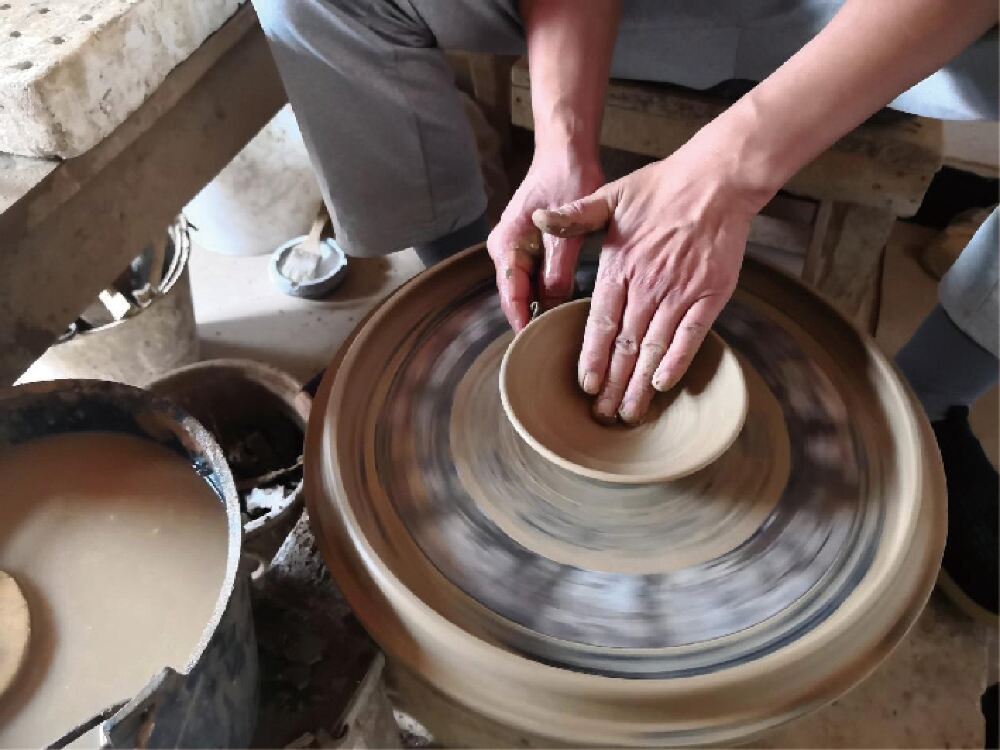
▲ Jianchuan traditional folk craftsmanship utilizes local clay through kneading, throwing, carving, and firing. These utilitarian pieces for ancient caravans feature Bai ethnic floral motifs, embodying rustic charm. Hands-on workshops let you shape pottery, experience the fusion of earth and fire, and understand the Bai agricultural and tea-horse culture embodied in the black ceramics.
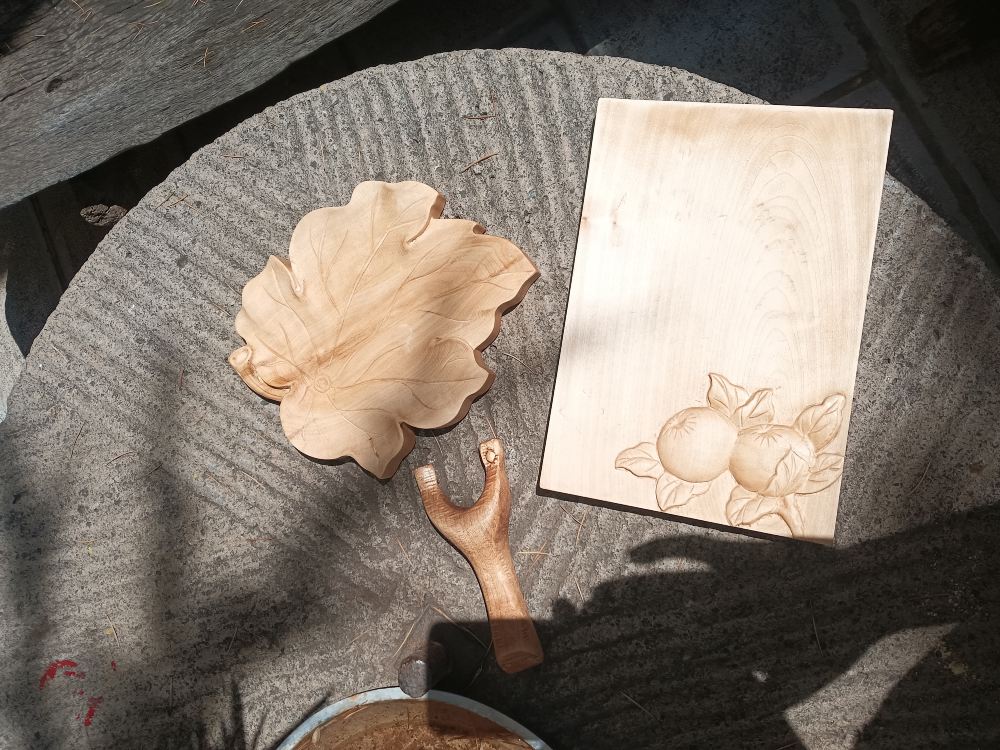

▲ This intangible cultural heritage boasts a millennium of history, earning Jianchuan carpenters the reputation of "spreading worldwide since ancient times." Masters of carving auspicious beasts, florals, and lucky patterns with precise yet powerful techniques, their works adorn antique architecture and decor. Workshops let you learn polishing and bas-relief from artisans, experiencing their perfectionist spirit while appreciating Bai ethnic aesthetics in woodcarvings.
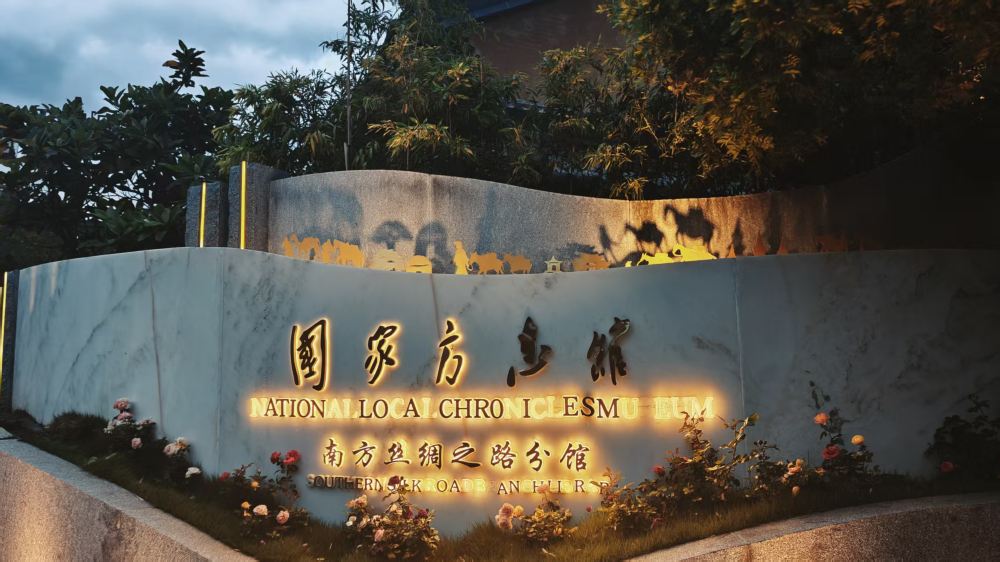
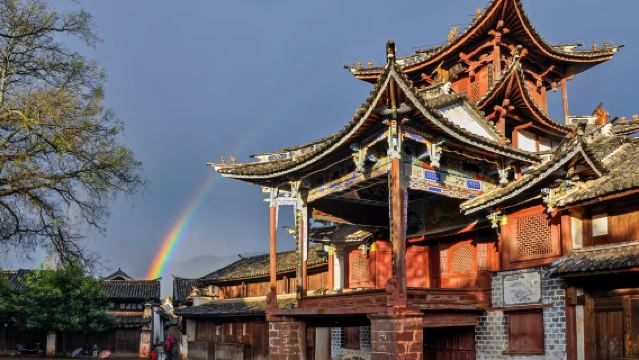
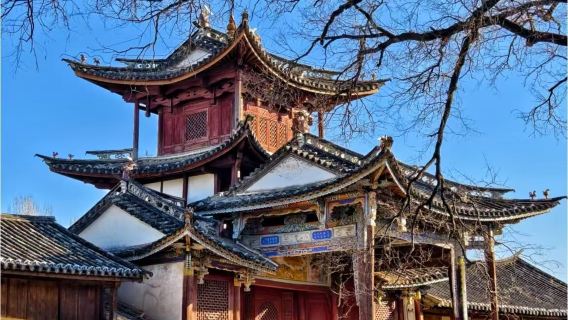
▲ The first local chronicles branch in southwest China, located in Jianchuan Ancient City, traces the millennium-long history of the southern Silk Road through chronicles, artifacts, and digital exhibitions. The museum houses ancient books and Tea-Horse Road relics, systematically presenting the commercial and cultural development history of the Bai ethnic group, while connecting the origins of intangible cultural heritage like black pottery, wood carving, and fabric knotting. It serves as a core cultural classroom for studying ethnic integration and ancient road civilization in western Yunnan.