




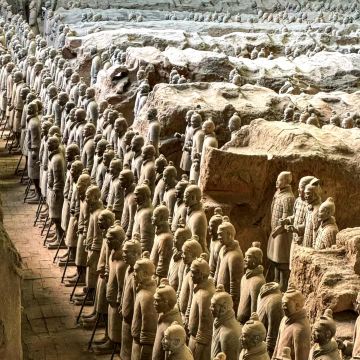

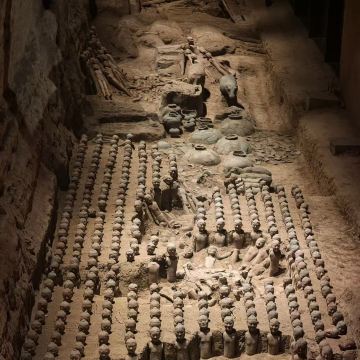
▲ Emperor Qinshihuang's Mausoleum Site Museum is located in Lintong District, Xi'an, approx. 35 km from the city center. It serves as a burial pit for emperor Qinshihuang's mausoleum and was accidentally discovered by local farmers digging a well in 1974. Hailed as the "eighth wonder of the world" and "one of the greatest archaeological discoveries of the 20th century," the museum features three pits (no. 1, 2, and 3) arranged in a triangular formation, covering a total area of over 20,000 square meters and containing nearly 8,000 life-sized terracotta figures of warriors and horses.

▲ Pit 1: Large in scale, measuring 230 m from east to west and covering approx. 14,260 m², it features a majestic formation of chariots and infantry as the main force. Pit 2: With complete military branches and complex layout, it contains various figure types including kneeling archers, cavalry and charioteers, hailed as the essence of the terracotta pits. Pit 3: Small in size but high in status, it is considered the command center of the entire underground army. Bronze chariots exhibition hall: Displays the Qin mausoleum bronze chariots hailed as the "crown of bronze," showcasing exquisite craftsmanship that recreates emperor Qin Shi Huang's royal procession.
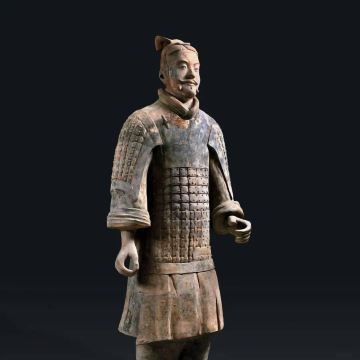

▲ The terracotta figures were modeled based on real life, with each figure's attire and expression showcasing distinct personalities and strong characteristics of the era. In 1987, the Emperor Qinshihuang's Mausoleum Site Museum was inscribed on the UNESCO World Heritage List.
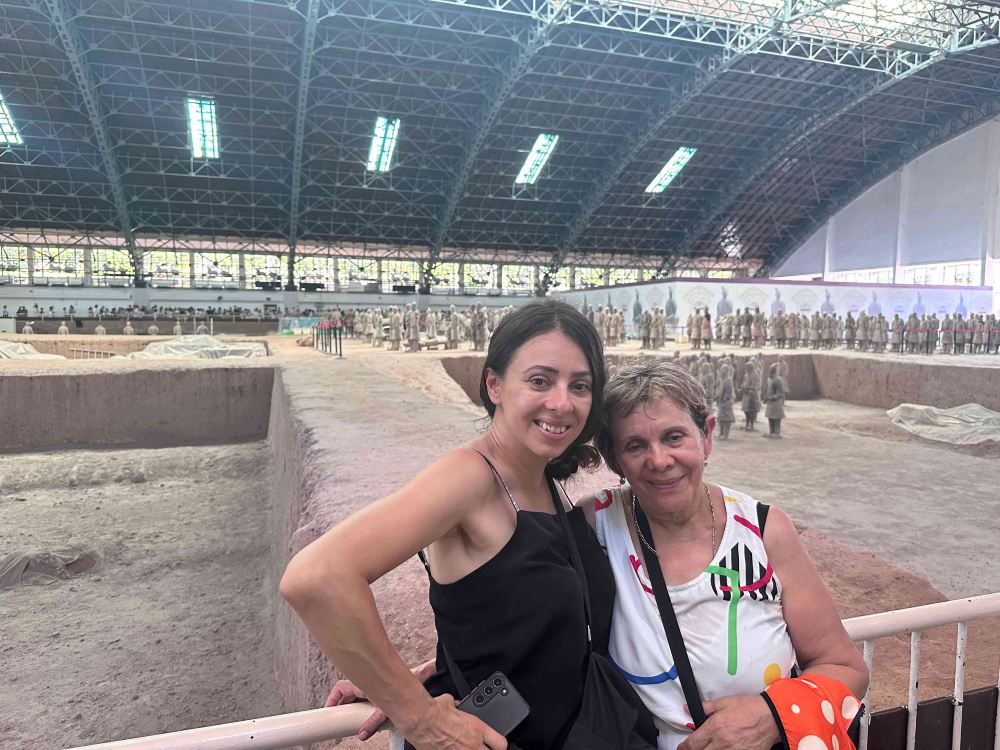
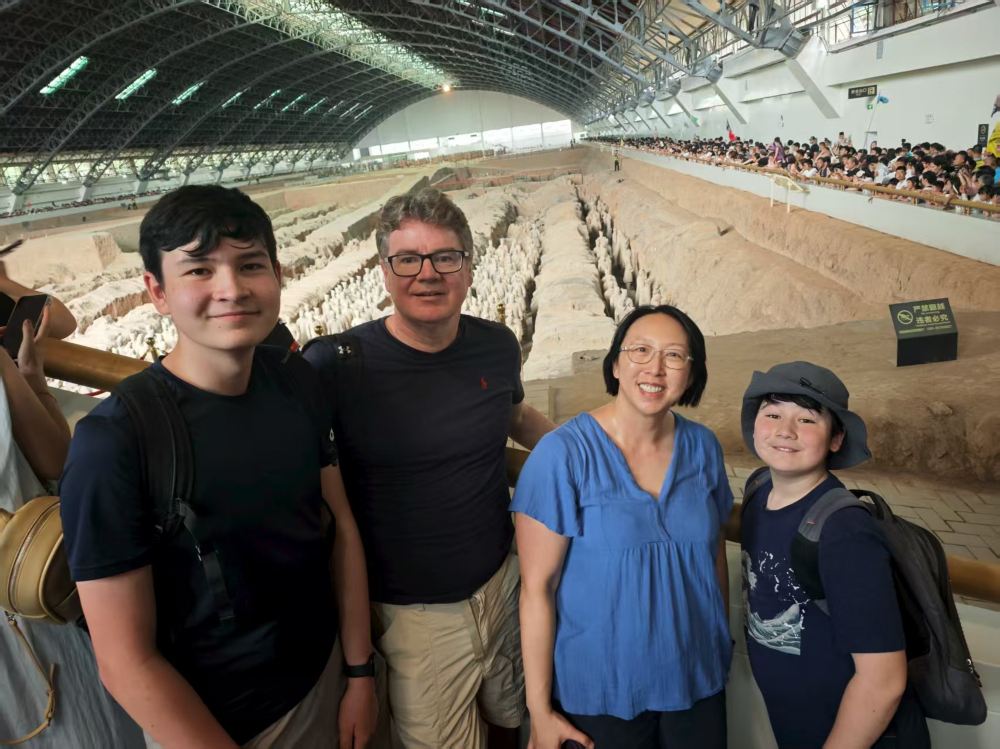
▲ We provide a private guide who will accompany you throughout for an immersive tour experience

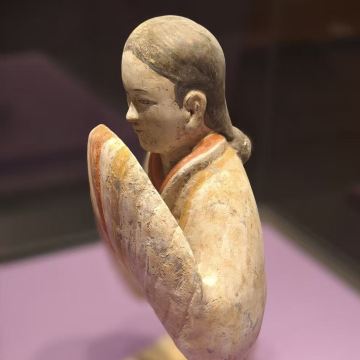

▲ Han Yangling National Archaeological Site Park is located on the banks of the Wei River in the northern suburbs of Xi'an. It is the mausoleum of Emperor Jing of Han, the fourth emperor of the Western Han Dynasty, and his empress, who were buried in separate tombs within the same enclosure. Emperor Jing reigned for 17 years and, together with his father Emperor Wen, initiated the "Rule of Wen and Jing," laying the foundation for the prosperity of Emperor Wu. The mausoleum construction began in 153 BCE and was completed in 126 BCE, spanning 28 years with a total area of 20 square km.

▲ Unlike the solemn majesty of Emperor Qinshihuang's Mausoleum Site Museum, the pottery figurines at Han Yangling National Archaeological Site Park are only one-third the size of real humans, mostly armless and nude, with gentle expressions, presenting a more lifelike appearance. The warrior figurines, court lady figurines, and thousands of animal figurines unearthed from over 200 burial pits in the mausoleum area authentically reflect the Han Dynasty's burial concept of "serving the dead as serving the living." The museum mainly features four permanent exhibitions: the archaeological exhibition hall, the protective exhibition hall of the outer burial pits of the imperial mausoleum, the protective exhibition hall of the southern gate tower ruins, and the ancestral temple ruins. Among them, the protective exhibition hall of the outer burial pits is a fully underground structure with glass floors, allowing travelers to walk above the archaeological site and overlook artifacts that have slept for over two thousand years beneath their feet, experiencing a unique immersive visit. Han Yangling is now a national first-class museum, a national archaeological site park, and a national
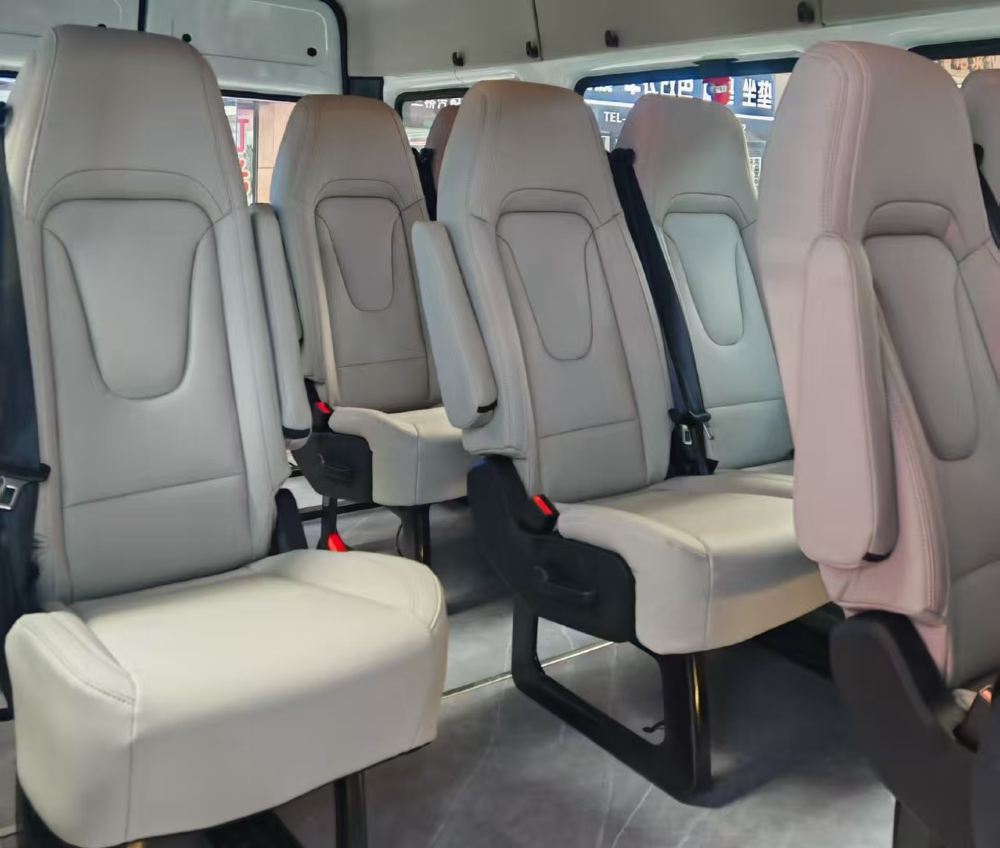
▲ Private charter service: Exclusive vehicle: Exclusive air-conditioned vehicle throughout the trip with door-to-door transfer service from Xi'an city hotels. The vehicle type can be flexibly arranged according to the number of travelers, from 5-seat sedans to 7-seat business vans, catering to different group requests. Flexible itinerary: Free from group time constraints, with the pace entirely under your control - stay as long as desired at each attraction, avoiding rushed sightseeing. Hassle-free experience: Inclusions cover vehicle usage fee, fuel surcharge, parking fees, etc., with no hidden costs. Professional guide service: Certified guides: Accompanied by experienced guides certified by the National Tourism Administration. Bilingual Chinese-English: Bilingual guide services available in Chinese and English. The guides serve not only as interpreters but also as cultural bridges, providing in-depth explanations of the historical context behind the two mausoleums.