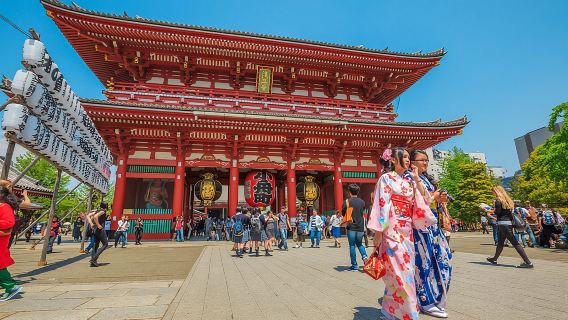
▲ Sensō-ji Sensō-ji was built in 628 AD and is a representative Buddhist temple in Tokyo, as well as an important symbol of the city's history and culture. The thunder gate, giant red lantern, and main hall together form a classic view. Strolling through the temple allows you to experience the rich Edo-period charm, making it one of Tokyo's popular tourist destinations.
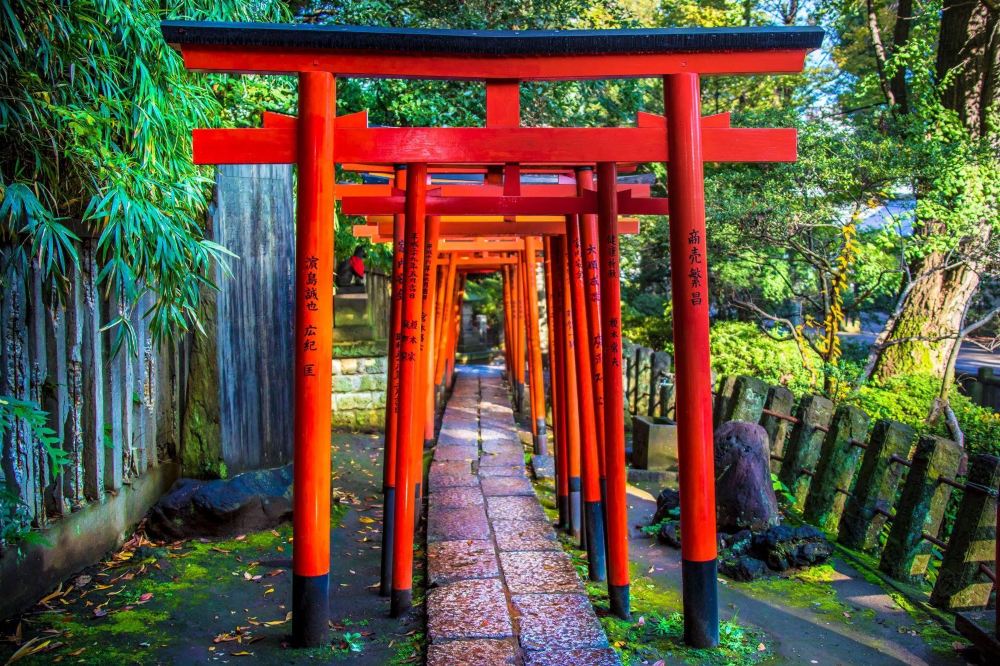
▲ Nezu Shrine With a history of approx. 1,900 years, Nezu Shrine is one of Tokyo's best-preserved shrine architectures from the Edo period.
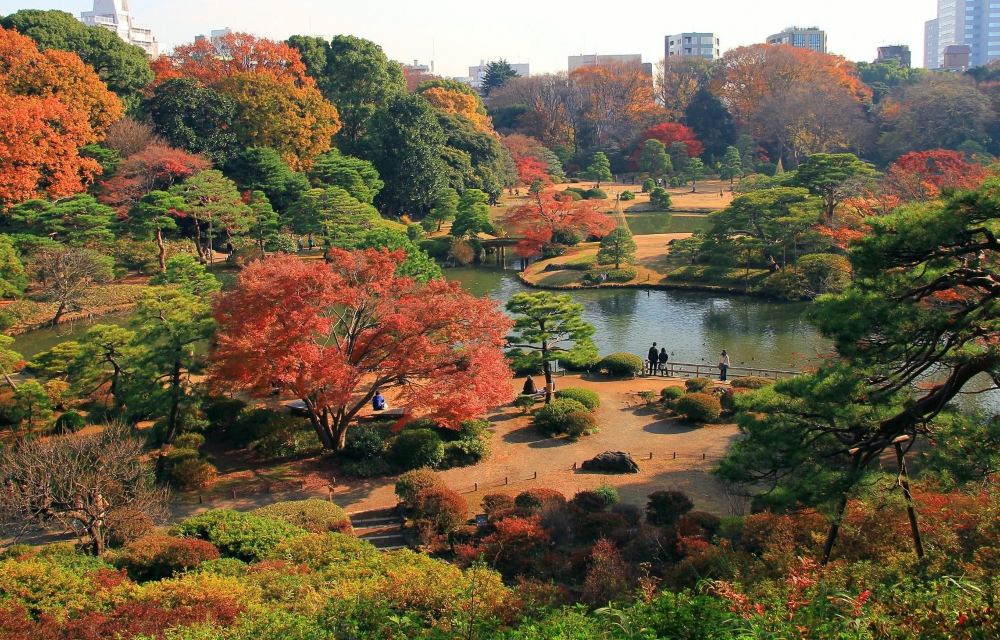
▲ Rikugien Gardens Rikugien Gardens was built in 1702 and is one of the representative stroll-style daimyo gardens of the Edo period, designated as a special place of scenic beauty in Japan. The garden features elegant views composed of ponds, small bridges, teahouses, artificial hills, and seasonal plants, fully showcasing traditional Japanese garden art. It is especially famous for its weeping cherry blossoms in spring and maple leaves in fall, and is a popular spot in Tokyo for viewing fall foliage and cherry blossoms.
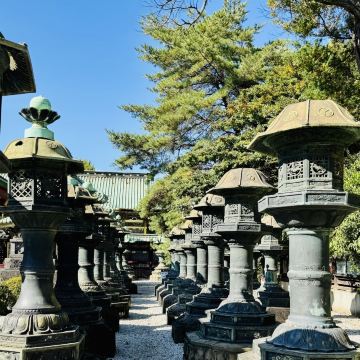

▲ Ueno Park (Ueno Park) Ueno Park is one of the representative urban parks in Tokyo, covering a vast area and also one of the earliest established parks in Japan.
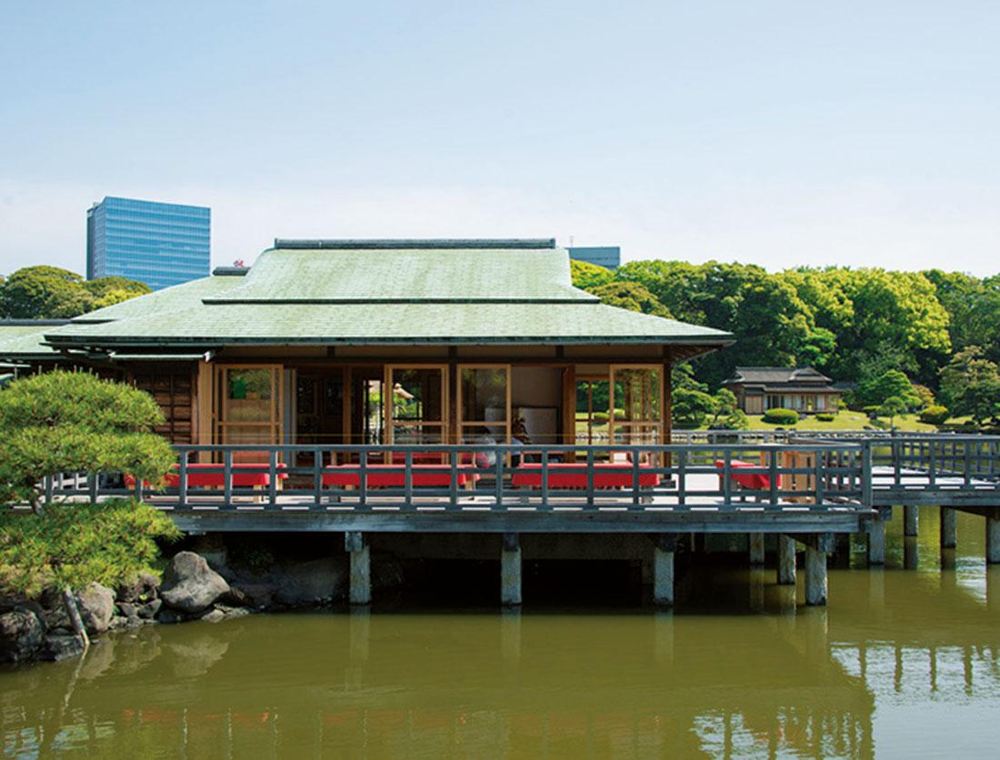
▲ Hamarikyu Gardens Hamarikyu Gardens is a seaside garden of the Tokugawa shogunate family from the Edo period and one of the representative stroll-style daimyo gardens in Tokyo. The garden features a tidal pond, traditional tea houses, pine groves, and seasonal flowers, allowing visitors to enjoy Edo-era garden design while overlooking Tokyo's modern skyscrapers, creating a unique blend of traditional and contemporary views.