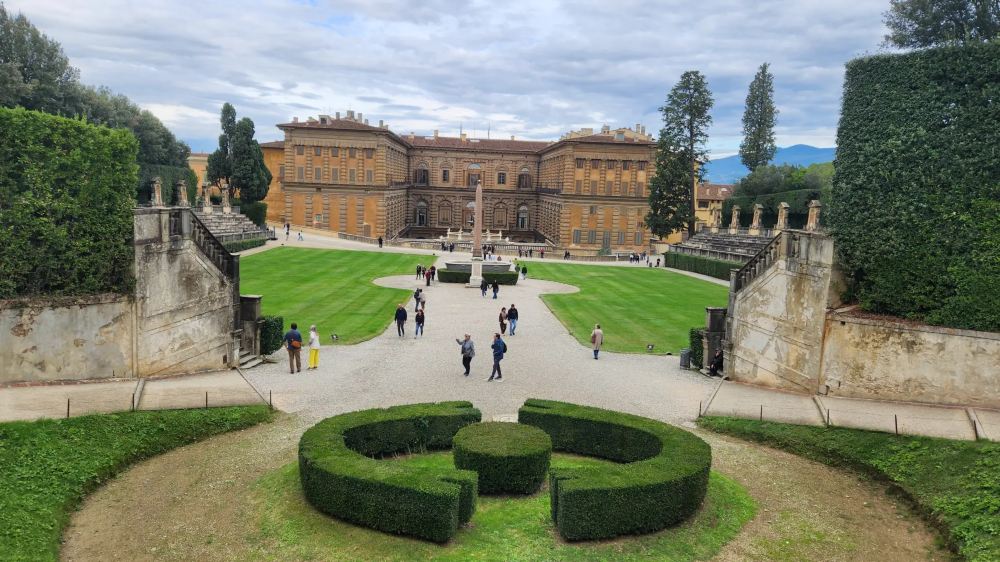
▲ Open-air theater The amphitheater in Boboli Gardens is located at the southern end of the gardens and served as a venue for celebrations and banquets hosted by the Medici family in the 16th century. The guided tour gathers here to explain the history of the gardens' expansion by the Medici family since the 16th century, as well as the role of the amphitheater in the family's activities at that time.
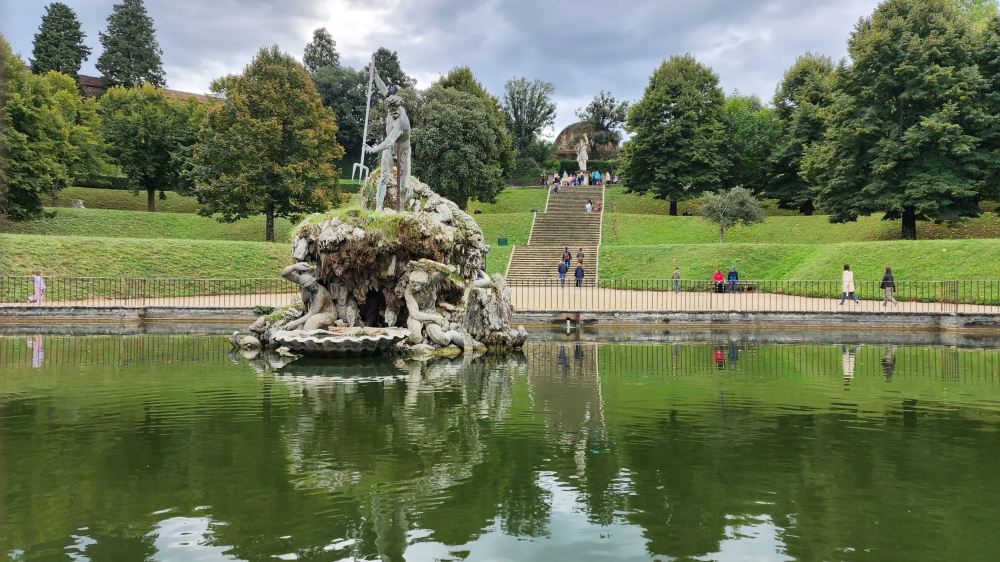
▲ Fountain of Neptune The Fountain of Neptune is located near the western entrance of the garden. It is one of the fountain complexes designed in the 16th century by Tadini and others, incorporating the sculpture collection of the Medici family. The tour explains the construction period of the fountain, the relationship between the sculpture ensemble and the Medici collection, as well as the fountain's functional role in the garden.
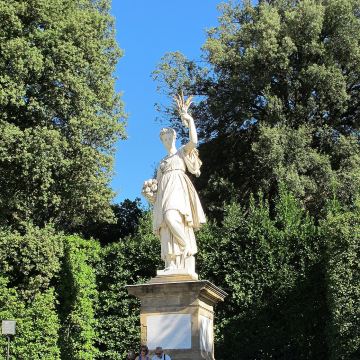

▲ Statue of abundance The abundance statue is one of the large bronze statues displayed in the garden, with its design inspired by the mythological imagery of abundance. The guide explains the original creator of the statue, its later relocations, and its connection to the Medici family's collection.
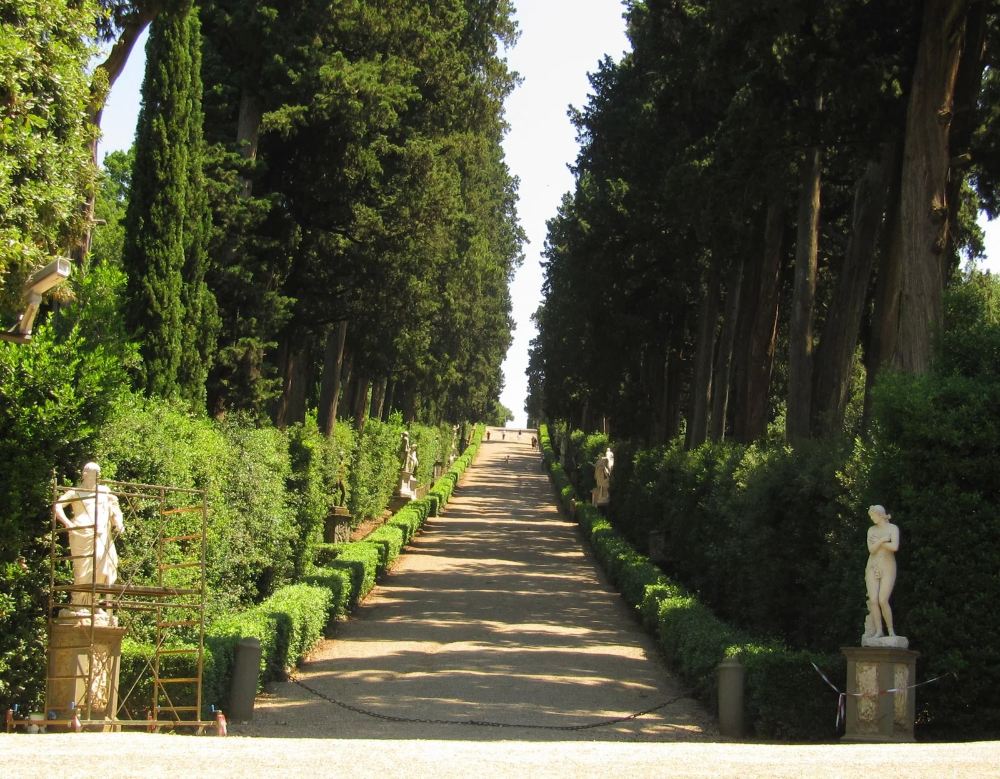
▲ Cypress avenue The cypress avenue is a pathway in the garden featuring an axial view formed by neatly arranged cypress trees, embodying the characteristics of Italian Renaissance gardening that emphasizes sightlines and symmetry. The guided tour leads travelers along the path, explaining how the cypress trees divide the garden space, creating a central axis and vantage points.
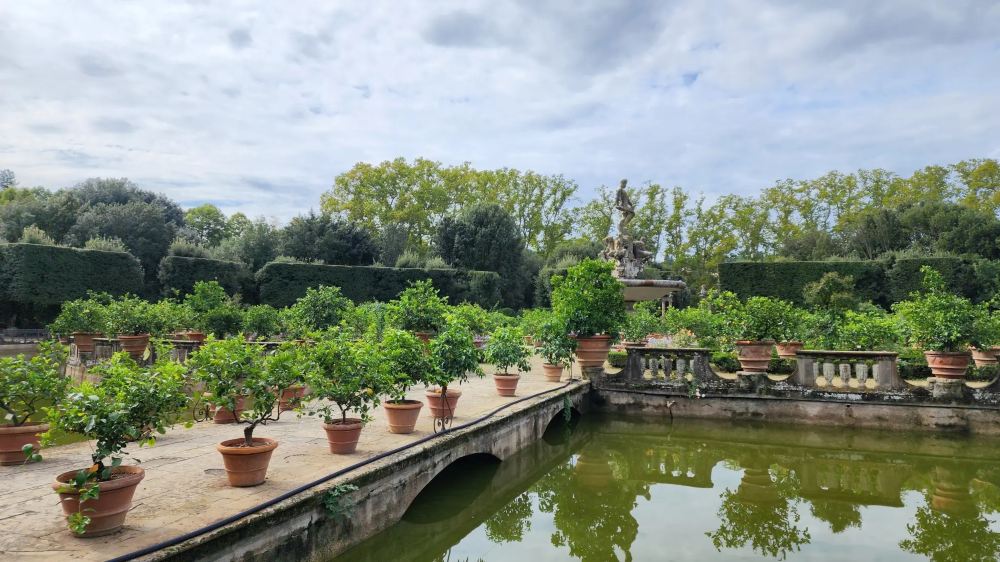
▲ Isolotto Island Isolotto Island is a tower-style viewing platform built by the Medici family on the garden slope in the 16th century, offering a panoramic view of the old city of Florence. The guide explains the construction period of this building, its background as a lookout and viewing function, and its later evolution into an observation tower.
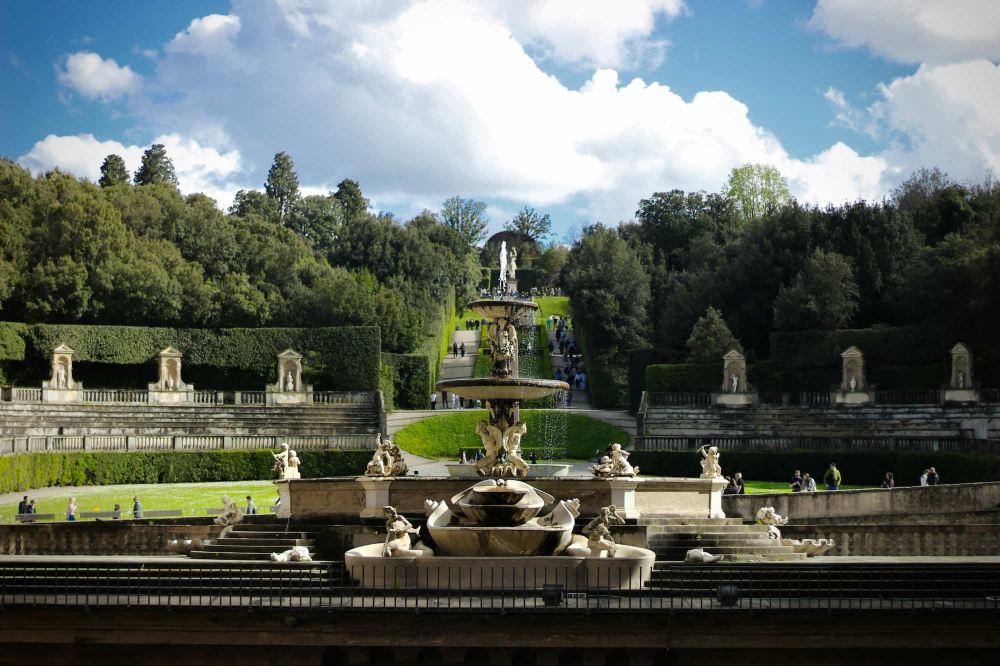
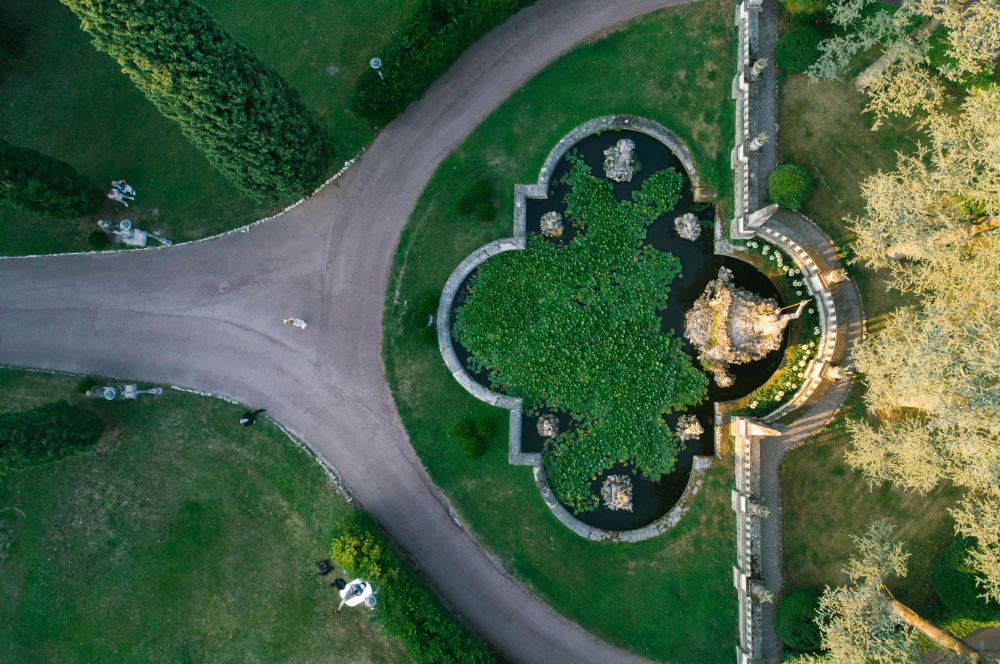
▲ Ocean fountain Located at the center of the island, it was created by the master sculptor Giambologna. The three river statues represent the Nile, the Ganges, and the Euphrates, showcasing the Medici family's spiritual ambition to conquer the world.
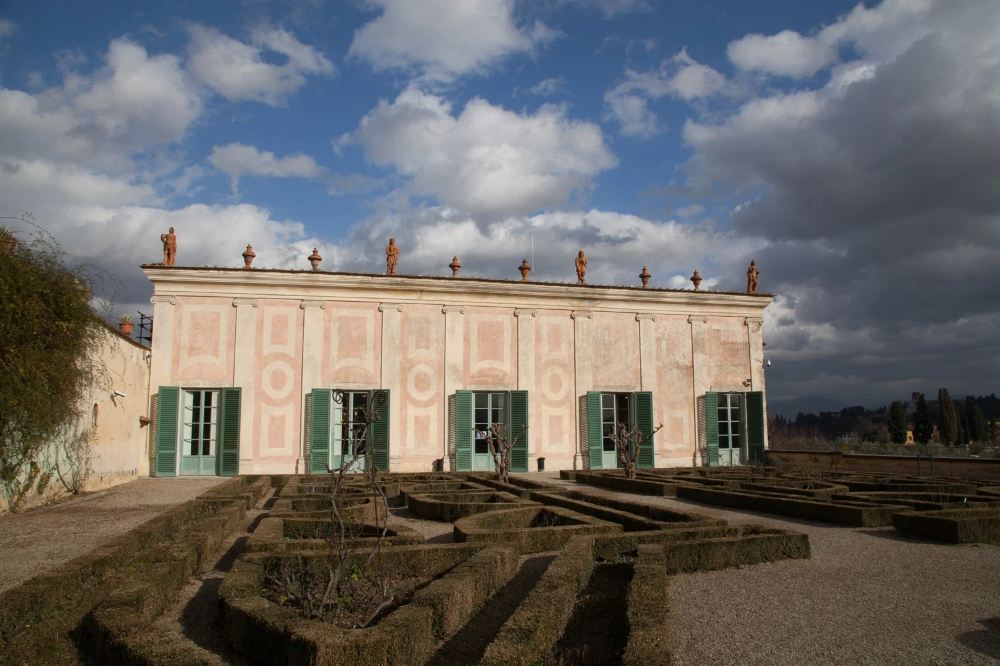
▲ Knight garden The knights' garden is an area on the north side of the garden displaying sculptures of knights and warriors, featuring a collection of bronze equestrian statues from the Medici family. The guide explains the formation of this area, the themes of the sculptures, and the Medici family's intention to display power through military and conquest motifs.
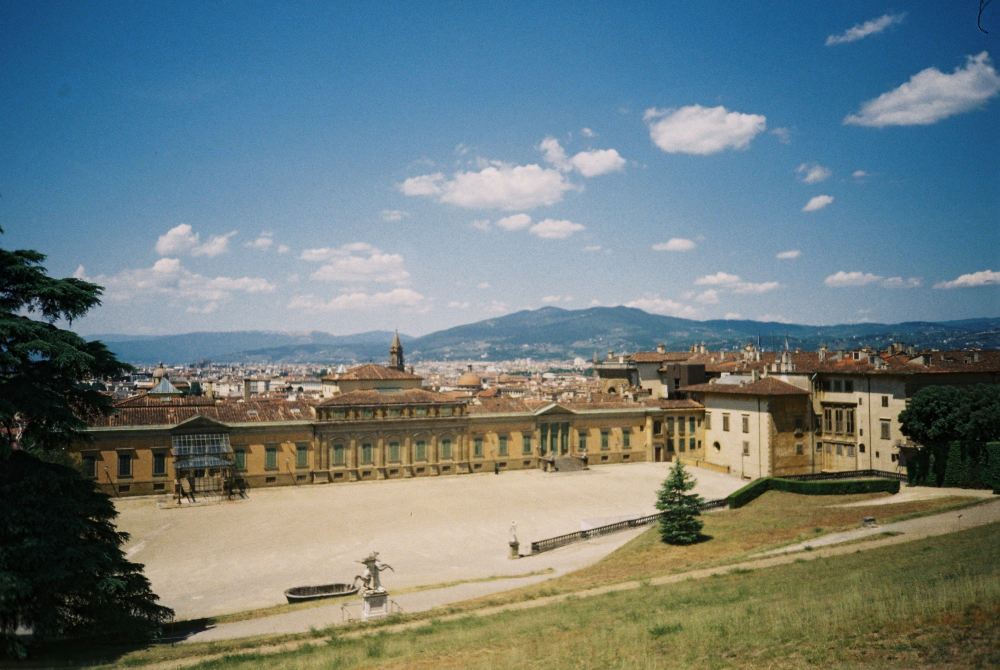
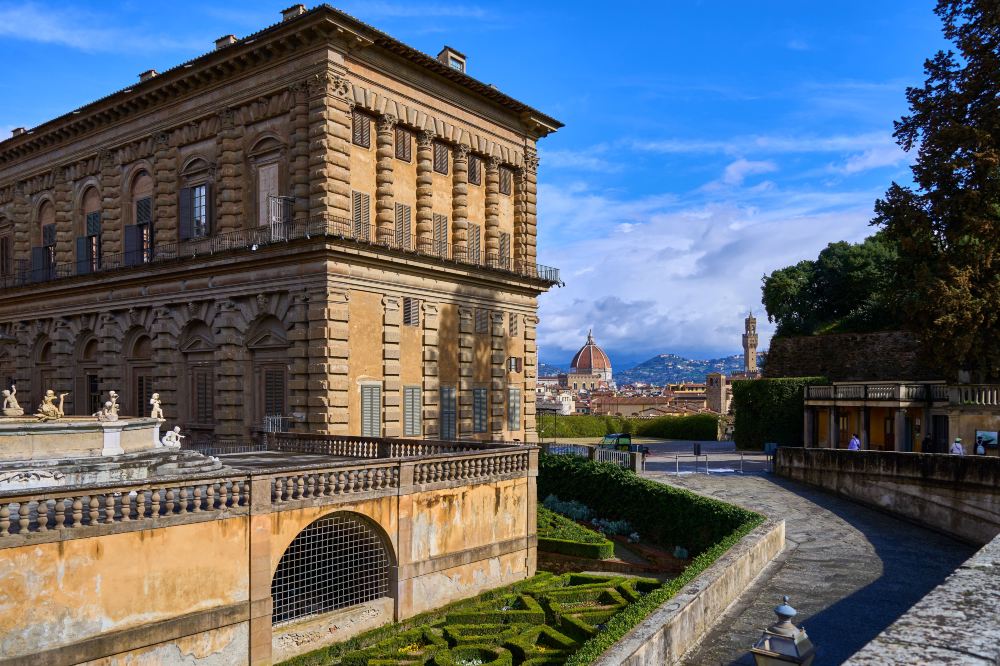
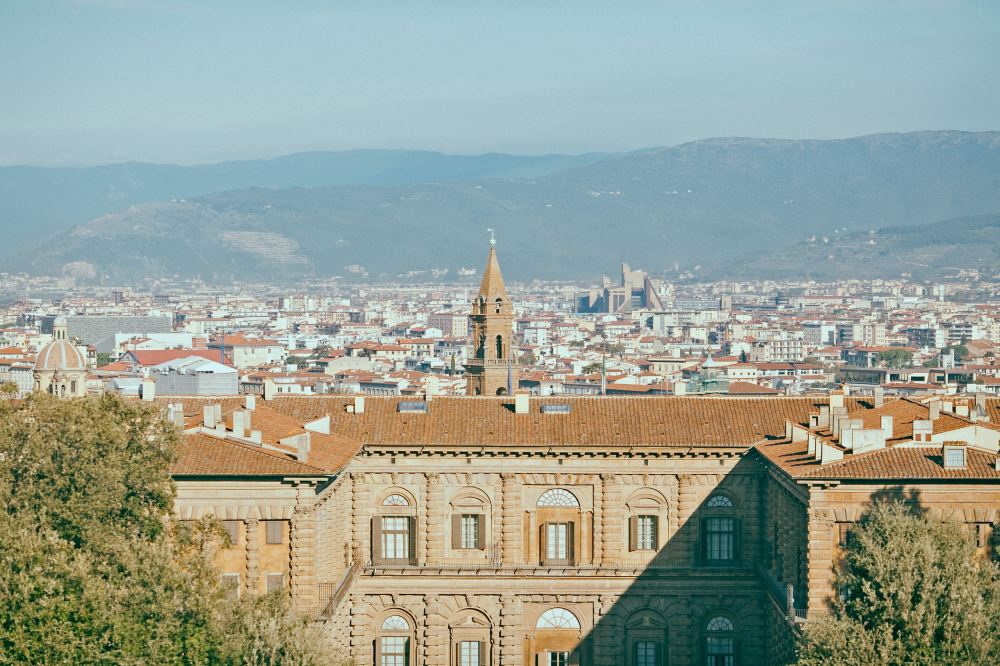
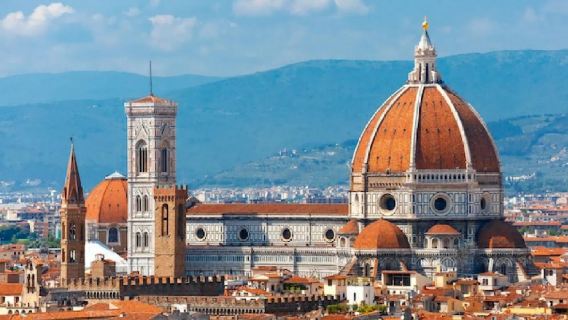
▲ Florence all attractions The viewing platform at the north end of the garden overlooks the old town of Florence, the Arno River and the dome skyline. The tour concludes here, explaining the sight range of the entire attraction and helping travelers understand how the garden served as a space for the Medici family to overlook and control the city.