


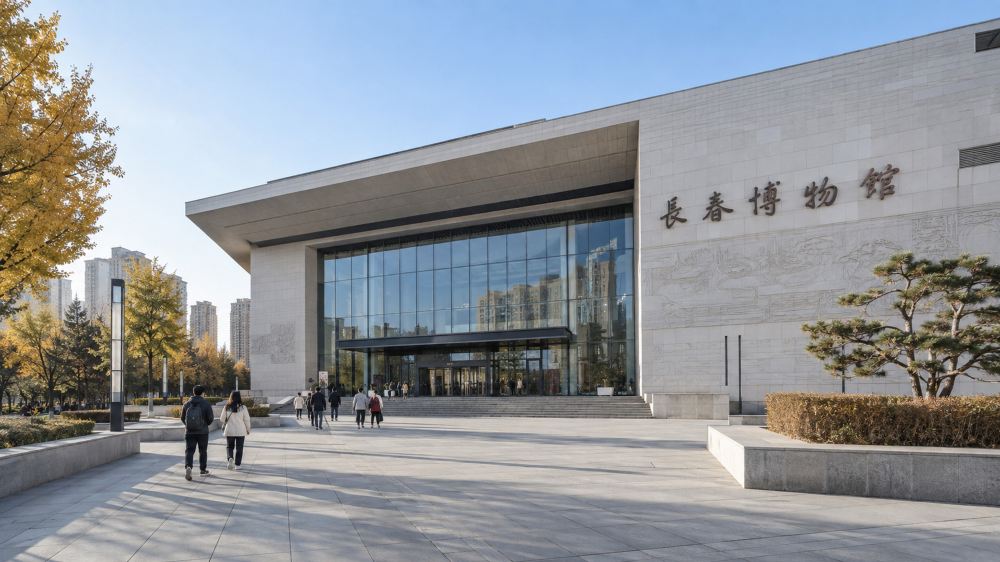
▲ Changchun Museum is located at 111 Huahong Street, as part of the "City flower" architectural complex. The building's form, together with its two sister structures, creates a flower-like urban landmark. Inside, it houses five exhibition halls, along with an educational activity area, lecture hall and expo space.

▲ The zoo is located on Liberty Avenue, with the predator valley, herbivore activity area and wooden boardwalk forming different viewing paths. Between the animal exhibits of hippos, elephants, giraffes, flamingos and others are interspersed trees, grasslands and water surfaces, where animal displays and garden views are interwoven within the same park.

▲ Changchun Confucius Temple Museum is located on Dongtian Street, with Confucius temple architecture and traditional ritual culture as its themes. The courtyards, halls, and central axis space present the architectural order of Confucius worship sites, while also allowing visitors to understand the historical and cultural layers of Changchun through architectural details.
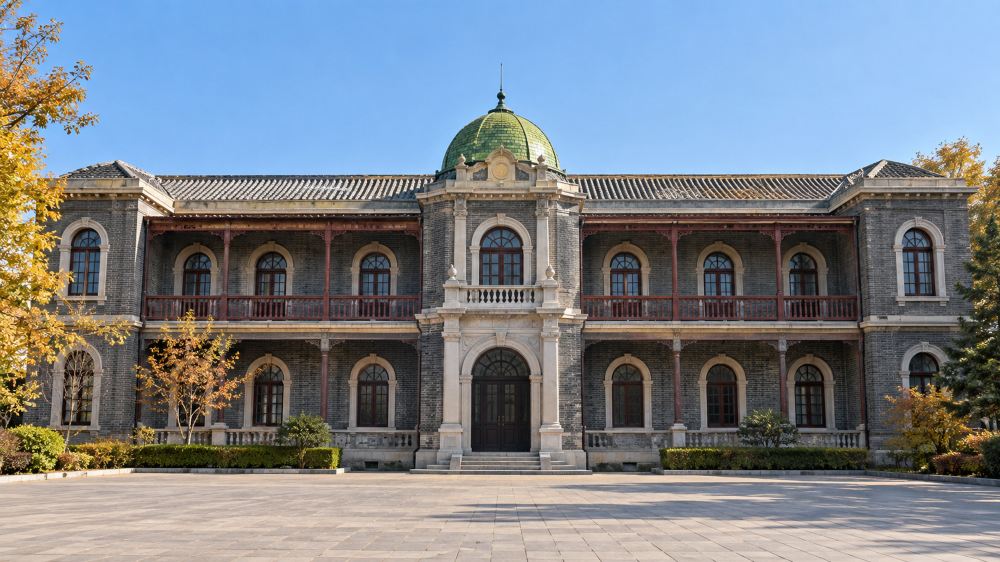
▲ The PALACE MUSEUM OF THE PUPPET MANCHUKUO is located at No. 5, Guangfu North Road, Kuancheng District. It preserves the palace site used by Puyi during the puppet Manchukuo period established with Japanese support. Its predecessor was related to the salt administration agencies of Jilin and Heilongjiang provinces. From 1932 to 1945, it served as Puyi's imperial residence. It began functioning as an exhibition site in 1962 and was renamed the PALACE MUSEUM OF THE PUPPET MANCHUKUO in 2000. The architecture, original displays, and historical materials collectively present the relationship between personal destiny and the history of Northeast China's occupation.