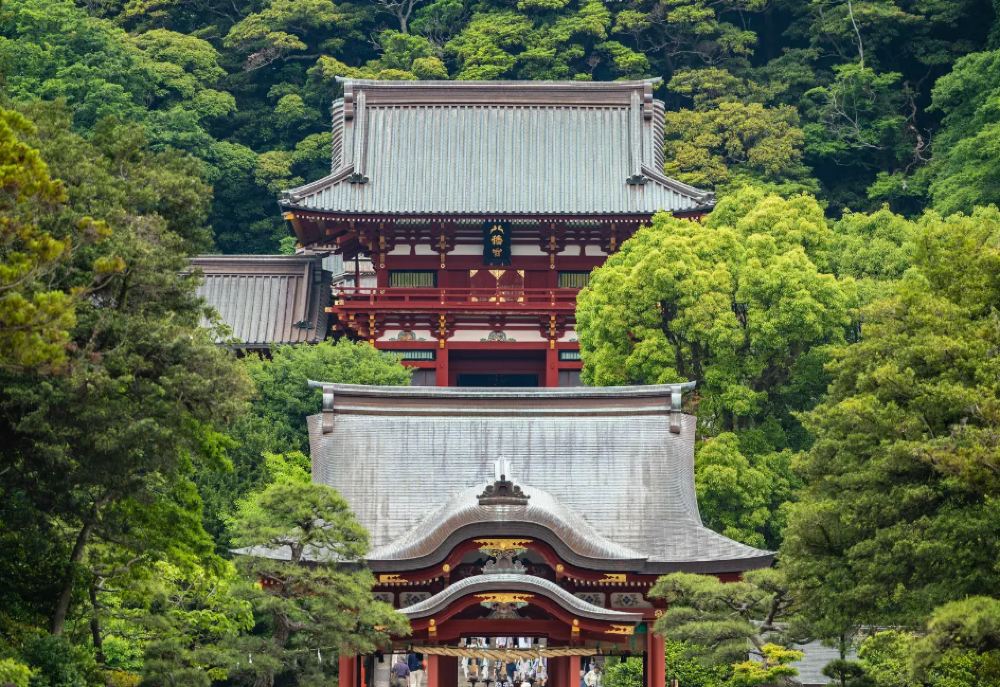
▲ Kamakura's "soul of the city," a shrine with over eight hundred years of history, has witnessed the rise and fall of the shogunate era. Passing through the red torii gate and walking along the broad approach, the Genji Pond and Heike Pond face each other quietly on either side, telling of the fateful entanglement between the two great clans of old. Ascending the grand stone steps, the main hall stands solemnly on high, while the dance hall at the foot of the hill often hosts ceremonies amid the sound of kagura music. The vermilion buildings set against the ever-changing foliage of the four seasons distill a solemnity and tranquility unique to the samurai era.
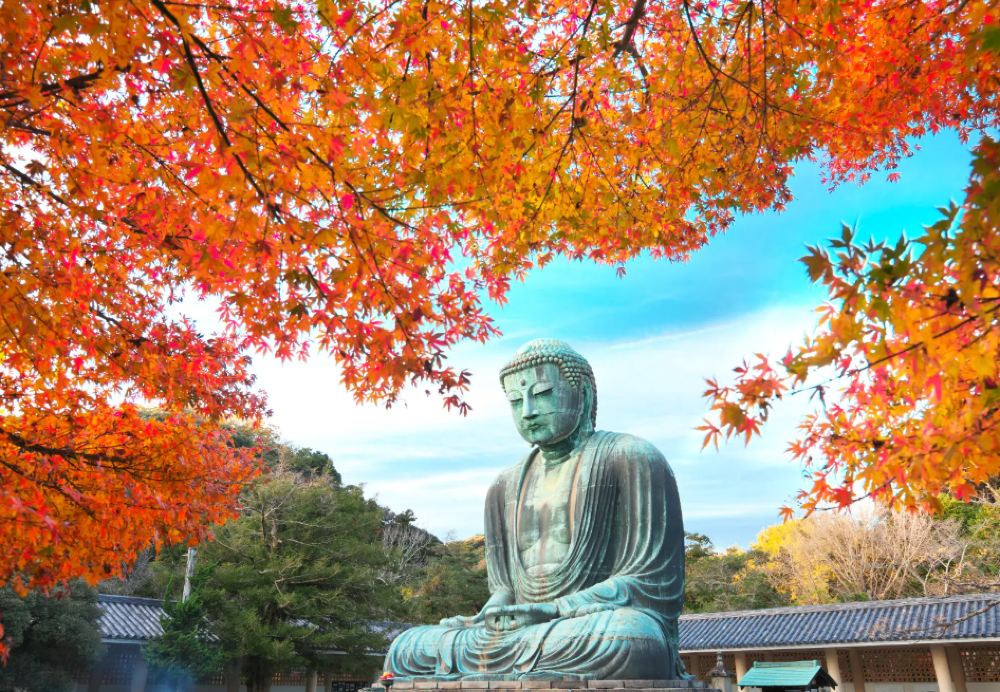
▲ A bronze seated statue of Amitabha Tathagata, standing over eleven meters tall and weighing approx. one hundred and twenty-one tons, has sat quietly in the open air between the blue sky and the mountains for more than seven hundred years. The Great Buddha Hall that originally sheltered it was long ago destroyed by typhoons and tsunamis, leaving only this national-treasure-level great Buddha to face the wind and rain alone, which has instead created a unique open-air view. A special experience is to walk around to the back of the Buddha and enter through a small door into the hollow interior of the great Buddha, where you can touch with your own hands the traces of the bronze plates joined together by craftsmen hundreds of years ago; that heavy, tangible sense of history is even more striking than looking up at it from outside.
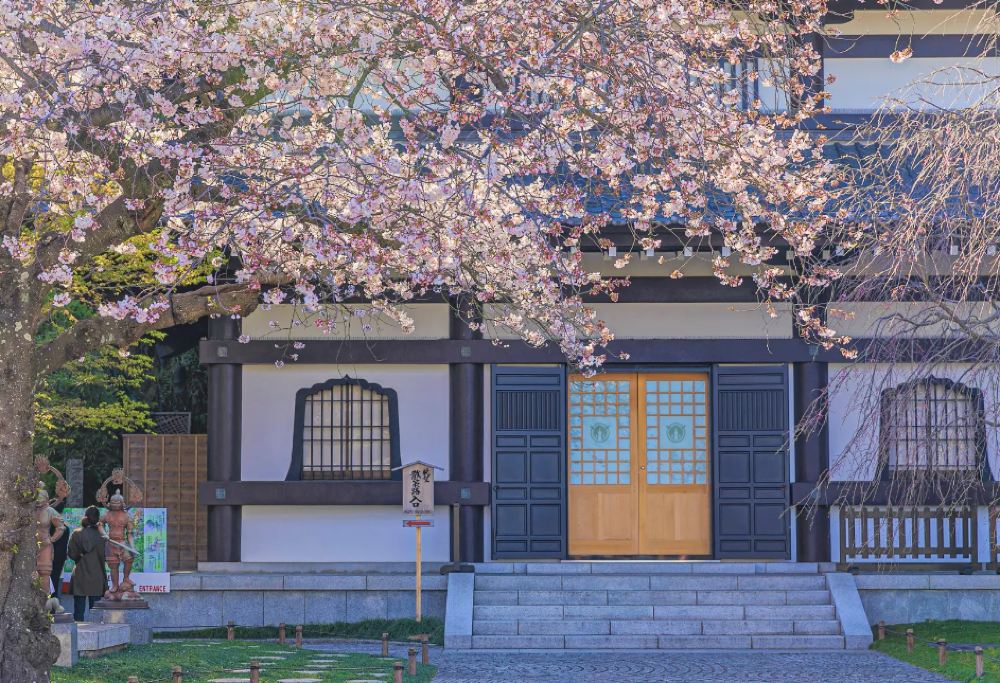
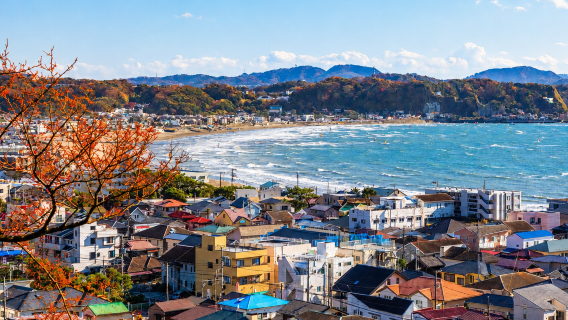
▲ Built along the mountainside, this temple is famous as "a temple with a view of the sea" and is one of Kamakura's premier scenic spots. As you slowly ascend the stone steps, seasonal flowers and trees line both sides along with charming statues of the Good Match Jizo. At the summit, the view from the observation deck opens up dramatically, revealing the coastline of Yuigahama and the streetscape of Kamakura spread out before you, while a salty sea breeze gently brushes past. If you happen to visit in early summer, the "viewing promenade" leading upward transforms into a spectacular hydrangea path, where a sea of flowers and ocean views meet in a single vista—one of Kamakura's most tender scenes.
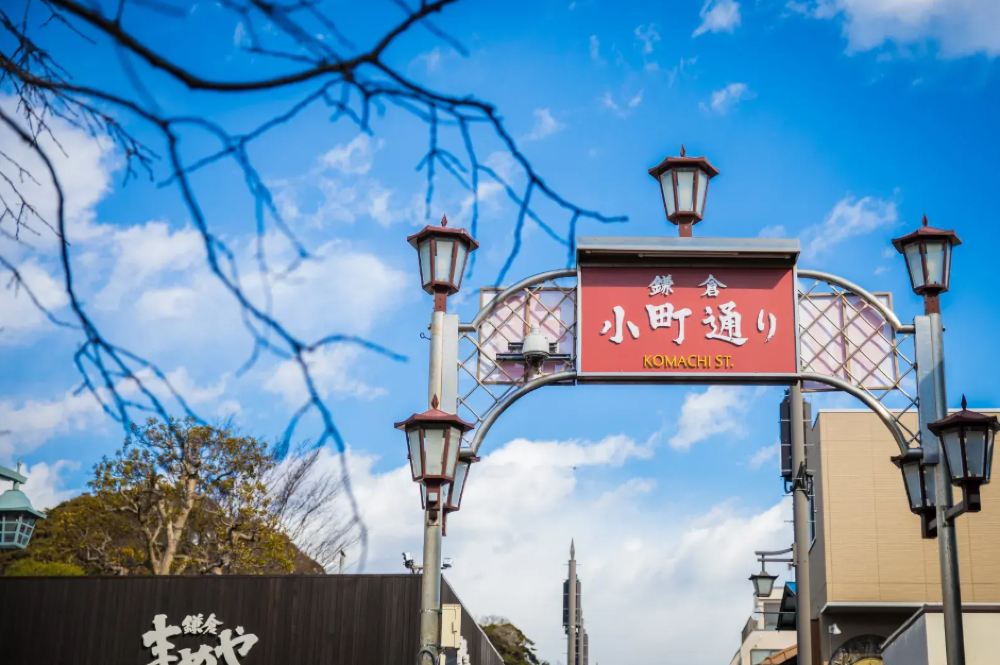
▲ A bustling street stretching several hundred meters from the east exit of Kamakura Station is Kamakura's "heaven of food and sundries." Evolving from an inconspicuous street market centuries ago, it is now packed with food stalls, cafés, and boutiques, with the aroma of grilled rice crackers and sweets wafting through the air. The local specialty "shirasu" (whitebait) is served as rice bowls, pizza, or even raw, while freshly grilled dango, matcha ice cream, and Kotoku-in cakes are great choices for eating on the go. Turn into the alleys off the main street, and you may stumble upon an old coffee shop once frequented by Yasunari Kawabata—beneath the bustle lies a quiet piece of the old days.
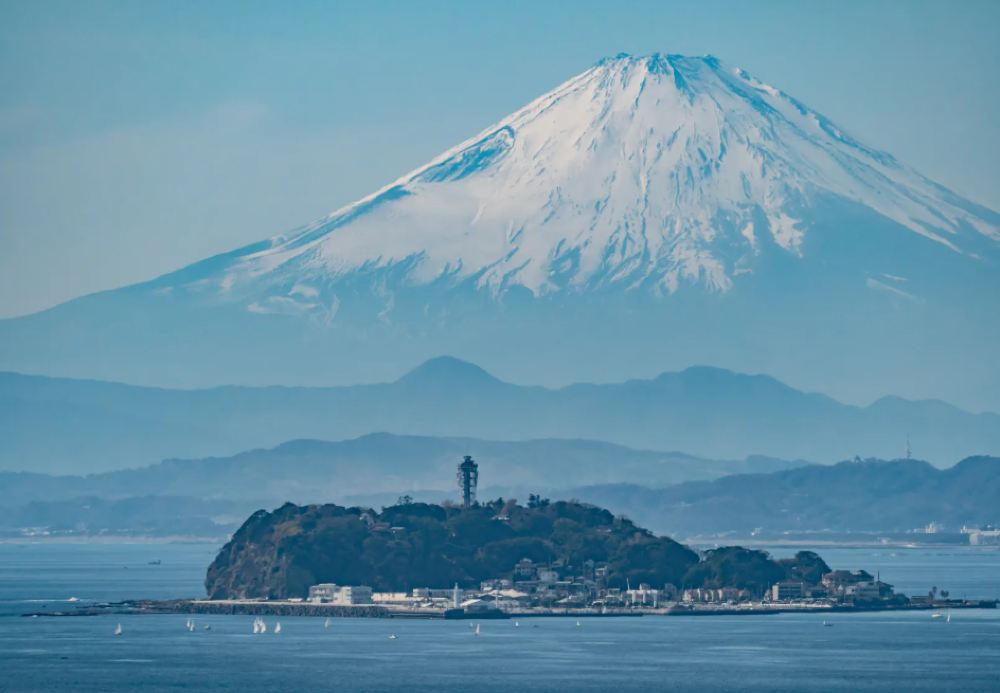
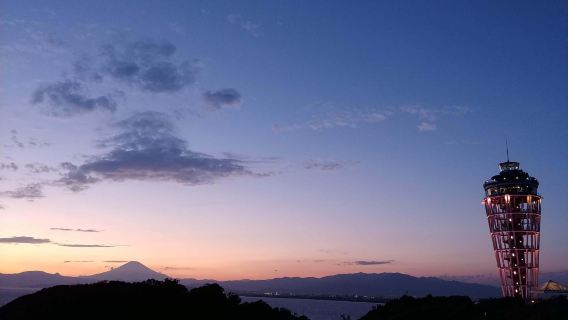
▲ A small island connected to the mainland by a long bridge, blending sea breezes, faith, and a manga-like youthful vibe. When crossing Benten Bridge on a clear day, you can see Mount Fuji in the distance. The slopes on the island are lined with vendors wafting tempting aromas, and freshly pressed grilled squid crackers and limited-edition marble soda are the standard companions for a stroll. The island's Enoshima Shrine has stood for over 1,400 years, dedicated to Benzaiten, the deity of eloquence, music, and wealth. If you still have energy left, you can walk to the deepest part of the island to explore the sea-eroded Iwaya caves, where in the dim light and the sound of waves, you can feel a more primitive and quieter side of this small island.