


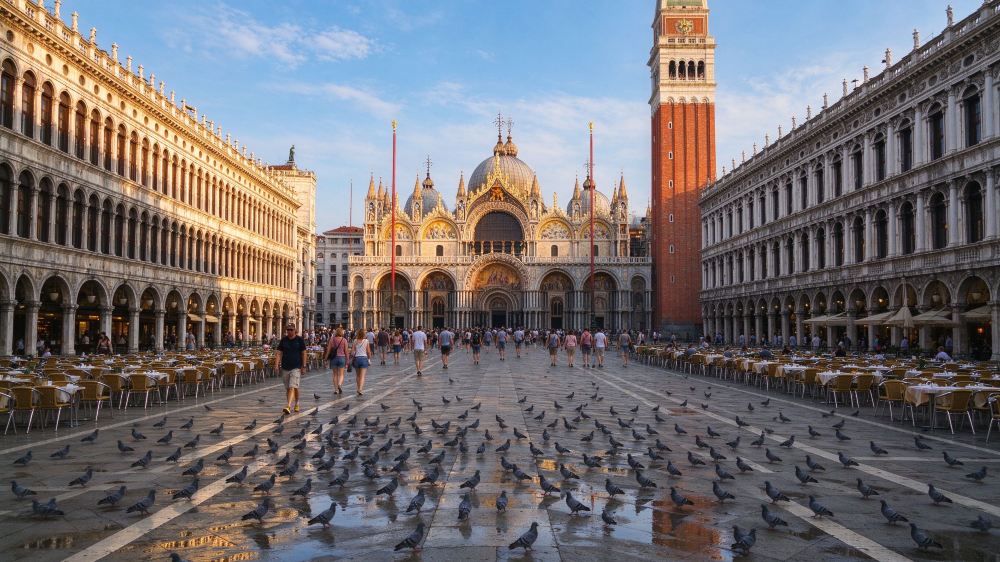
▲ Napoleon called it "the most beautiful drawing room in Europe"; the square in Venice known as "the large square"; the winged lion of St. Mark on three flagpoles; the lighthouse and signaling history of the 98.6 m bell tower; the city's low point (approx. 63 cm above the tide zero) and the glass flood barriers.
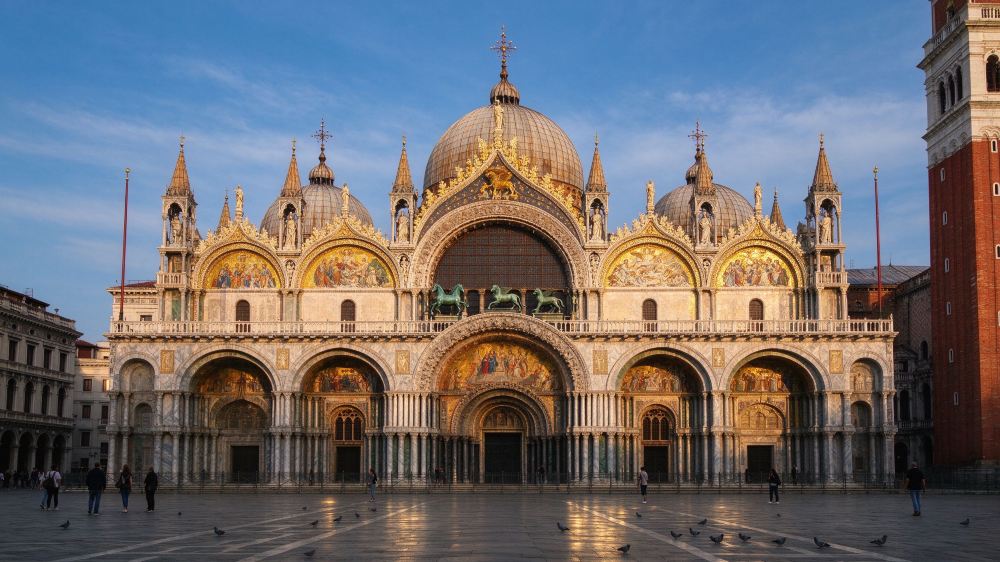
▲ A "five-style hybrid" of Byzantine domes + Roman arches + Gothic spires + Renaissance ornamentation + Islamic marble; the four bronze horses looted from Constantinople in 1204, taken to Paris by Napoleon in 1797, and recovered by Canova in 1815 (now replicas; the originals are inside the museum); the porphyry statue of the Four Tetrarchs; the mosaic of Saint Alipius from around 1265.
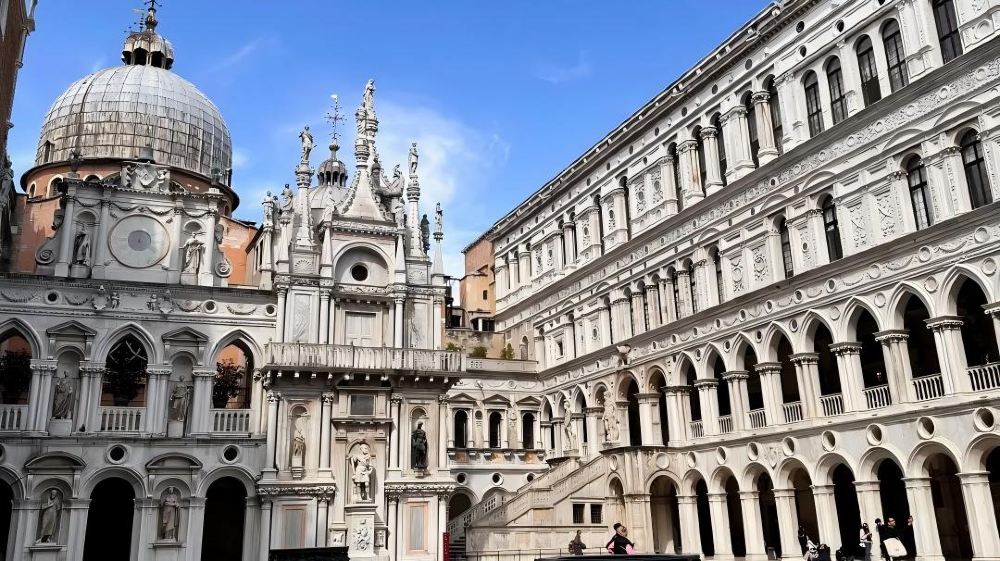
▲ Paper Door (Porta della Carta) Courtyard Giant's Staircase (site of the Doge's coronation) Golden Staircase Great Council Hall: Tintoretto's "Paradise" (approx. 22×7 m, one of the world's largest oil paintings) and works by Titian Four allegorical doors Judgment Room Interior of the Bridge of Sighs New Prisons (Casanova's 1756 escape) Doge's residence.
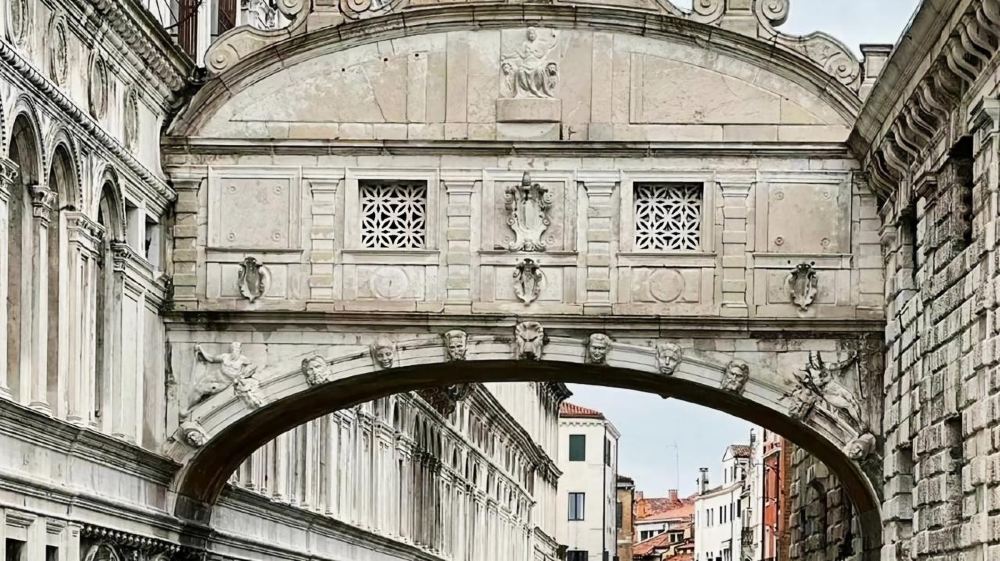
▲ The best angle to view the Bridge of Sighs from Ponte della Paglia; the narrative of the prisoner's "last look" before walking toward the execution prison; Casanova's legendary escape; the significance of Riva degli Schiavoni as the Republic's maritime gateway.
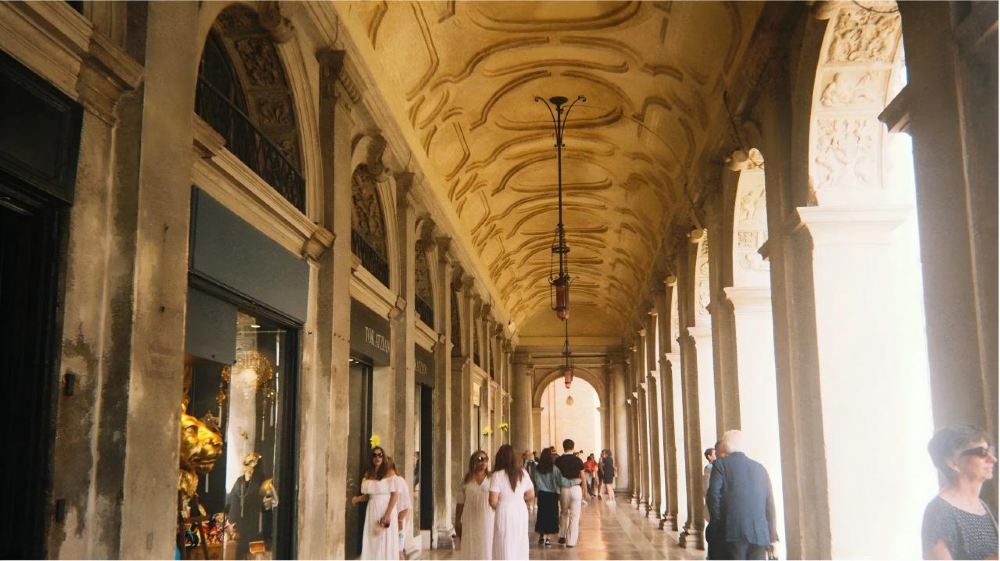
▲ The Napoleon Wing built during the Napoleonic era; the ballroom; 18th-century Venice "postcards" by Canaletto; the Winged Lion of St. Mark sculpture and arms and armor; models of the republic's administration.
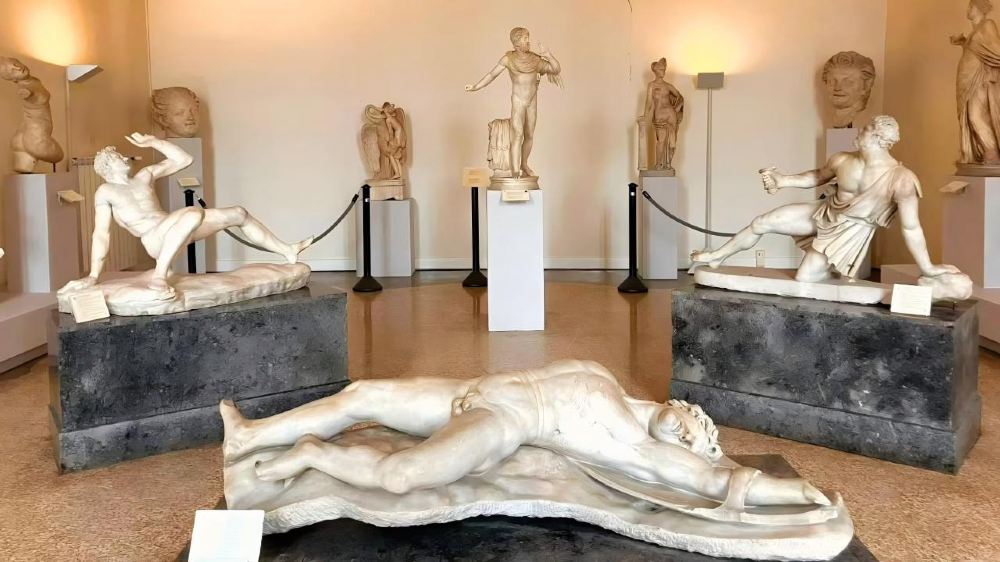
▲ The collection of Greco-Roman sculptures donated by the Grimani family in the 16th century; bronzes and marbles; viewing Venice's eye as an East-West trade hub through the lens of collecting tastes.
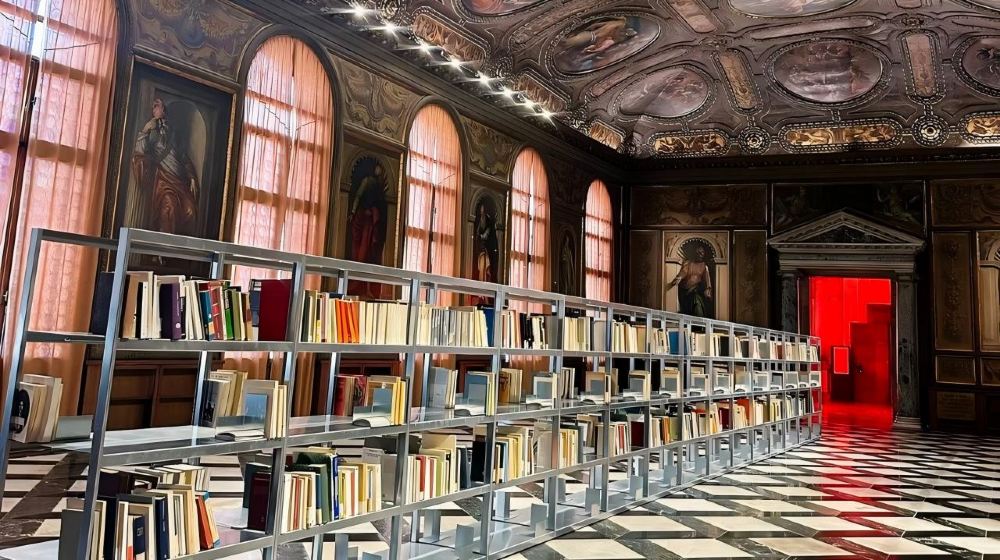
▲ Sansovino's magnificent Renaissance hall; ceiling paintings by Titian and other masters; rare manuscripts and ancient books; the pinnacle of humanism as a "refuge for Greek scholars"—a fitting conclusion to the entire route.