




▲ Group details: Private tour, please purchase according to the actual number of travelers; Guide language: Chinese/English/Russian/Korean/Spanish/German/French/Japanese available; Service provided: A professional guide will accompany you throughout the trip; Travel arrangement: private vehicle transfer.


▲ Longhua Pagoda: The Song dynasty pavilion-style brick pagoda in front of the temple, approx. 41 m tall, is the oldest surviving building in Shanghai; Three treasures of Longhua: the Tripitaka bestowed by imperial order during the Wanli era of the Ming dynasty kept in the Tripitaka Library, the gilt bronze thousand-petal lotus Vairocana Buddha, and the imperially bestowed gold seal; Exclusive signature experience: Longhua vegetarian noodles. The signature luohan noodles at CNY 15 per bowl are fresh, flavorful, and chewy, paired with richly braised vegetarian duck. It's a must-visit for almost all pilgrims, and free noodle refills are available.
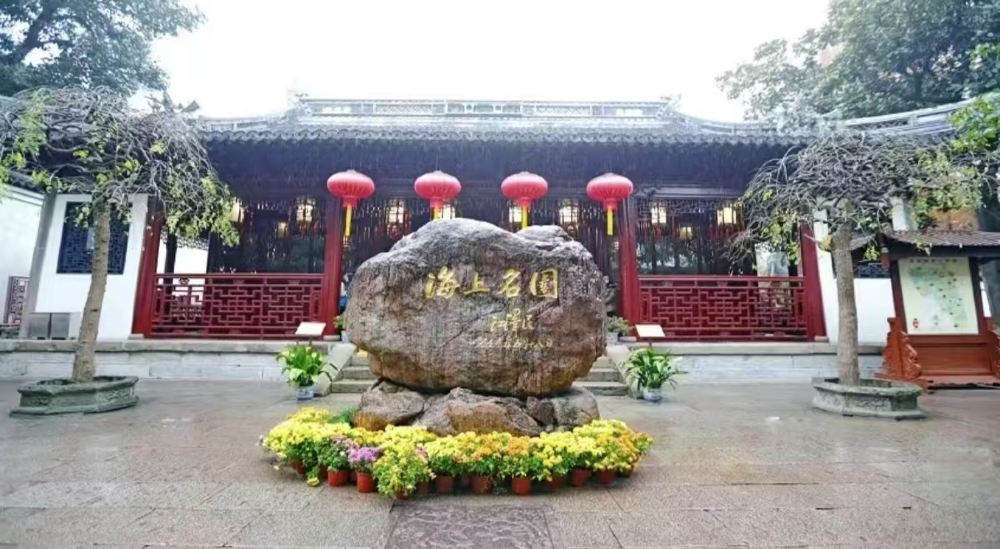
▲ Yu Garden is renowned for the "quiet elegance and exquisite refinement" style of Jiangnan gardens. Its compact layout integrates elements such as pavilions and halls (e.g., Sansui Hall and Wanhua Tower), rockeries and ponds, and plant landscaping, employing techniques like borrowed scenery and framed scenery to create a natural ambiance, representing a culmination of classical Chinese garden art. As an "urban mountain forest," Yu Garden creates a tranquil space amid the bustling city. Visitors can stroll along winding paths and covered corridors, admire seasonal plants and the interplay of light and shadow, and experience the balance between nature and culture, offering a spiritual retreat away from the hustle and bustle.
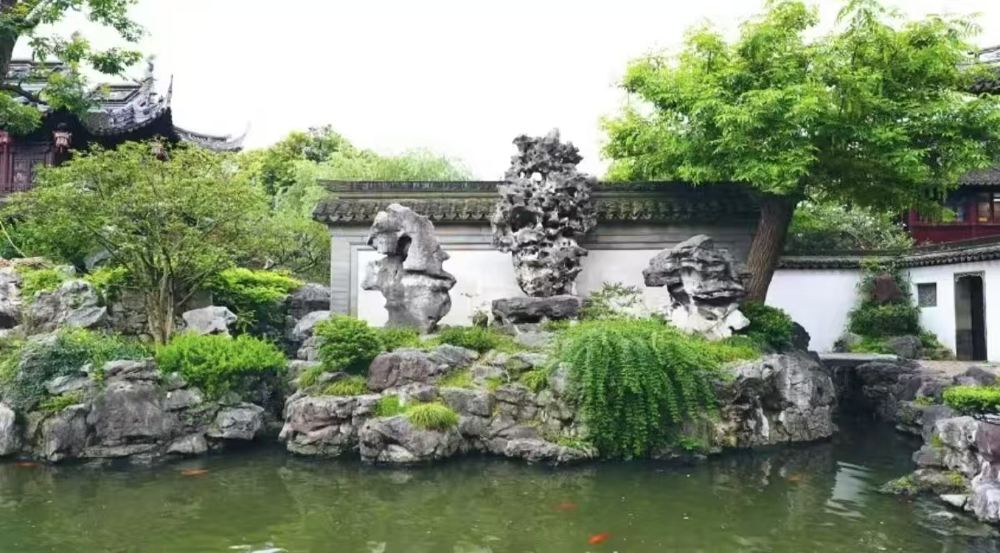
▲ Yu Garden was first built during the Jiajing reign of the Ming Dynasty (1559) by Pan Yunduan for his father Pan En. As one of the three famous gardens of Shanghai in the Ming Dynasty, it has witnessed over 450 years of urban changes, evolving from a private garden to a temple garden and then to a modern cultural relic protection site, vividly demonstrating the history of garden development during the Ming and Qing dynasties in China.


▲ The Yu Garden City God Temple area gathers local snacks such as Nanxiang xiaolongbao, fresh pork mooncakes, qingtuan, baoye dandang, soup dumplings, and xiaolongbao.

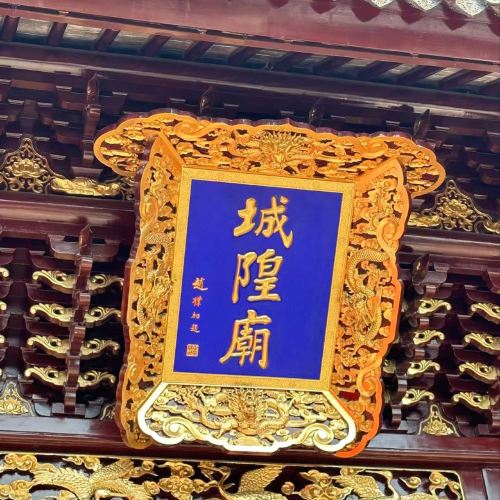

▲ City God Temple of Shanghai: A Taoist temple of China's indigenous religion.

▲ Hidden on the second floor of Yu Garden Old Street, this "tile-roof teahouse" opens its doors onto a terrace of gray bricks and tiles, where the sweeping eaves of Yu Garden are visible overhead. You can: step on the tiles for photos with the Yu Garden landscape as your backdrop, capturing a vintage mood reminiscent of an "old Shanghai attic."


▲ The Oriental Pearl Radio & Television Tower has a total height of 468 m and is a core landmark of Shanghai. Three sky-piercing columns: the reinforced concrete columns with a diameter of 9 m support the entire tower, symbolizing Shanghai's prosperity with "three pillars standing firm." Sphere distribution: Lower sphere (98 m): Indoor amusement park, space-themed exhibition hall. Upper sphere (259–263 m): suspended sightseeing corridor, revolving restaurant (267 m). Space capsule (351 m).


▲ The fully transparent suspended sightseeing corridor at 259 m on the Oriental Pearl Radio & Television Tower makes you feel as if you are walking in the sky; as you walk 360 degrees around, you can take in the full panoramic views of both banks of the Huangpu River.