


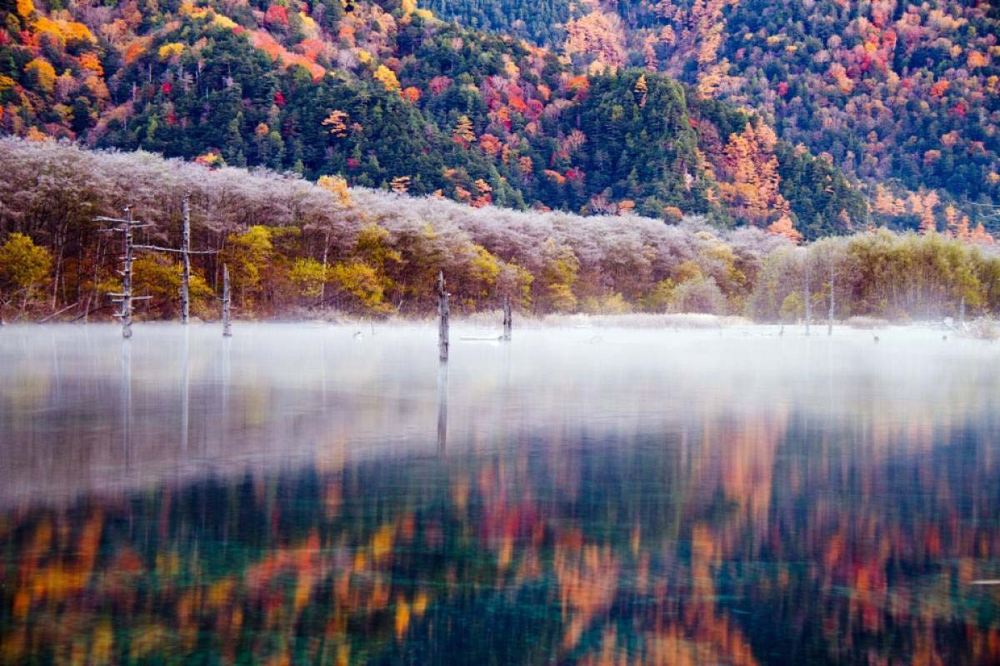
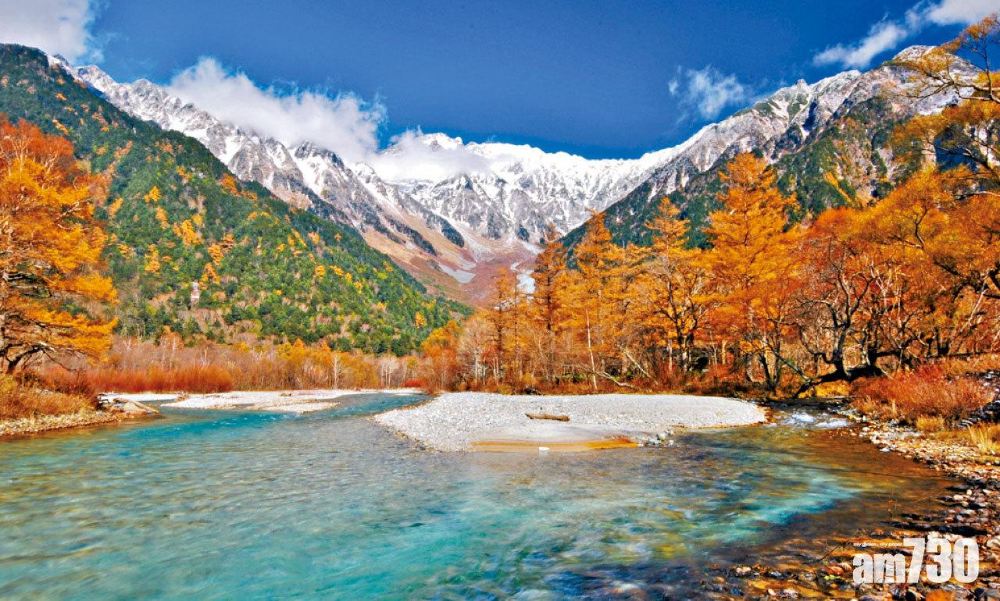
▲ Kamikōchi is located in Nagano Prefecture, Japan, at an elevation of approx. 1500 m. Known as the "Japanese Alps," it is the core hidden gem of the Chūbu-Sangaku National Park. This area boasts beautiful snow-capped mountains, the clear Azusa River, and pristine forests. Key attractions include the landmark Kappabashi Bridge, Taisho Ike Pond with its reflections of withered trees, and the serene Myojin Pond. Gentle hiking trails along the river make it accessible for both beginners and experienced hikers to enjoy nature. Visit during May–June for fresh greenery or October for autumn foliage, while summer offers a cool retreat. Here, you can escape the hustle and bustle, breathe in the negative oxygen ions, and experience Japan's healing landscape.
▲ Taisho Ike Pond is located at the entrance of Kamikōchi. It is a dammed lake formed by the eruption of Mount Yake in 1915 and named after the Taisho era. It is also the starting point of the classic hiking route in Kamikōchi. The pond is dotted with withered standing trees of birch and larch submerged at that time. On calm days, it often reflects the shadows of the Hotaka mountain range and Mount Yake, earning it the reputation of a "mirror-like breathtaking view" with an ethereal and solemn atmosphere.
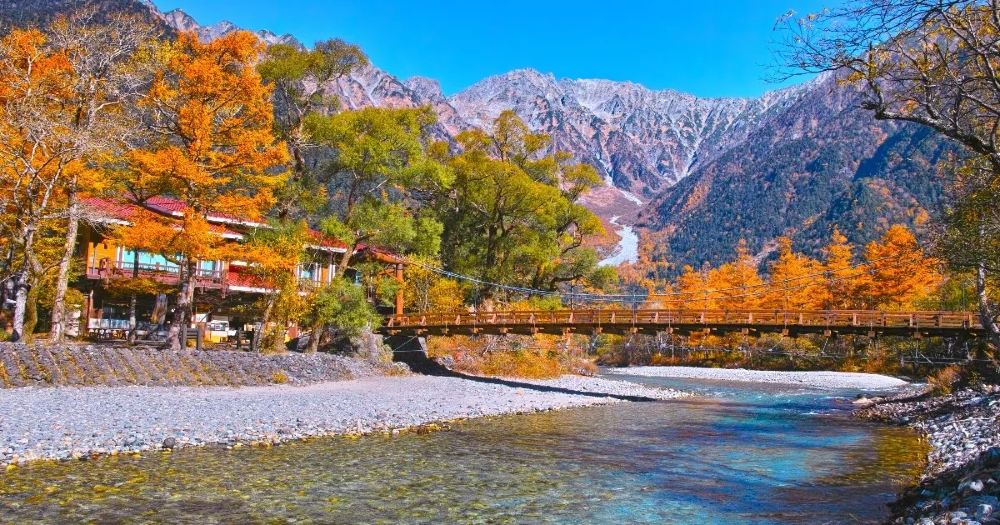
▲ Kappabashi Bridge is the representative wooden suspension bridge of Kamikōchi, spanning the clear Azusa River with a total length of 36.6 m. Built with larch, it underwent its fifth reconstruction in 1997. The name originates from early crossers carrying clothes on their heads or from the kappa legend. Standing on the bridge offers a 360-degree view of the Northern Japan Alps' scenic beauty—upstream faces the majestic Hotaka mountain range, downstream overlooks the white smoke of the active volcano Mount Yake, while beneath flows crystal-clear glacial meltwater.
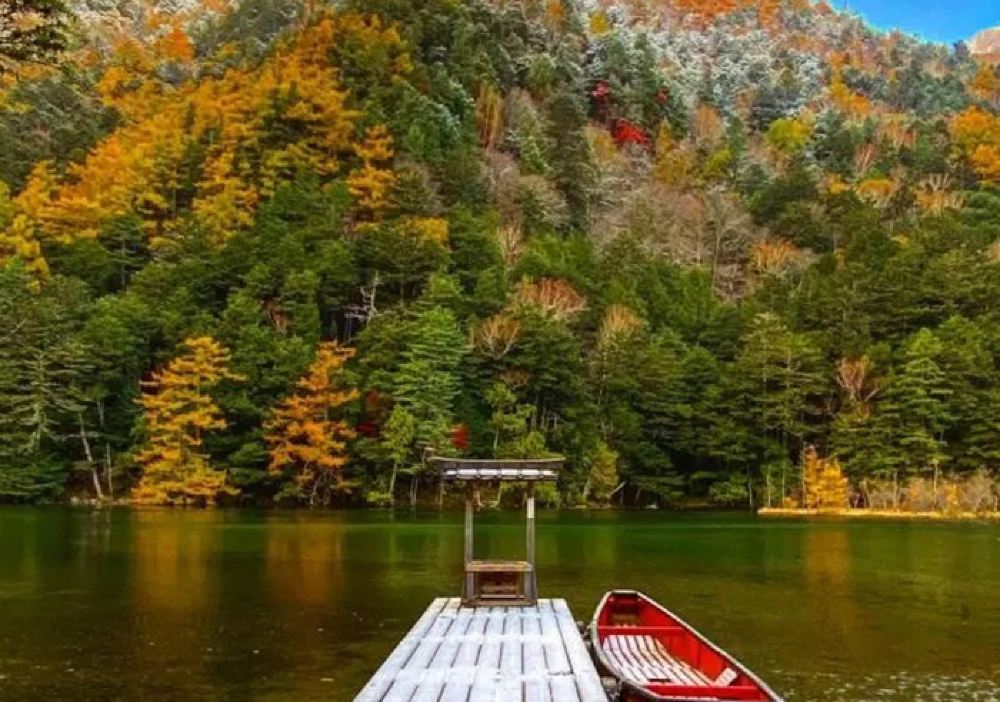
▲ Myojin Pond is located at the upper end of the Azusa River in Kamikōchi, adjacent to the inner sanctuary of Hotaka Shrine. Formed by underground water from Myojin-dake, this sacred pond (divided into first and second ponds) never freezes and has mirror-like clarity, often reflecting the surrounding coniferous forests and the Hotaka mountain range. Regarded as an energy sacred site of the Japanese Alps, the ancient "Myojin Pond boat festival" is held annually on October 8.
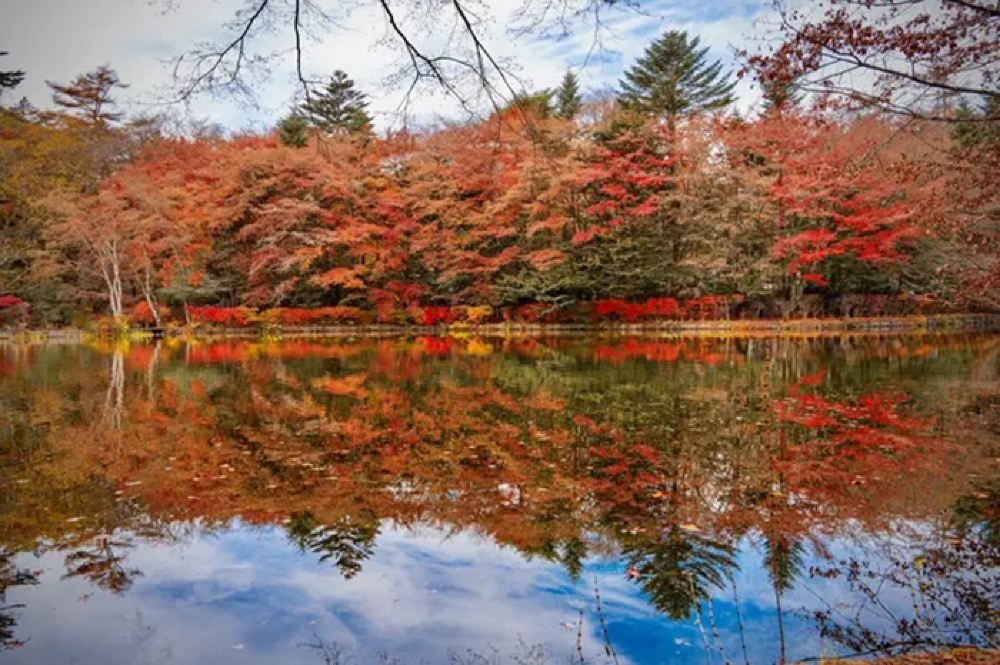
▲ The color change of autumn leaves is affected by temperature and weather, making the viewing experience uncertain. We cannot guarantee optimal leaf viewing conditions.
