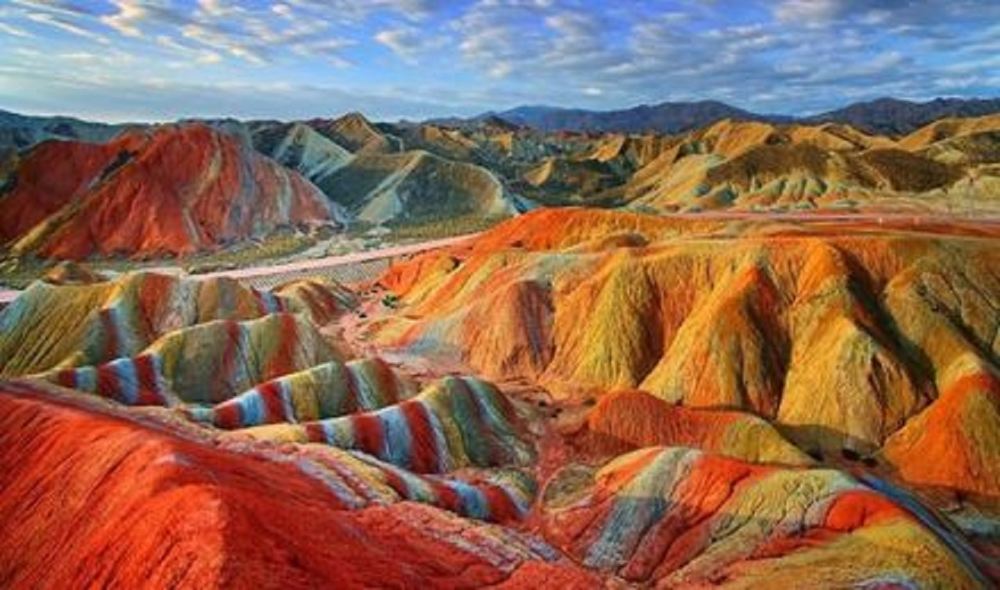
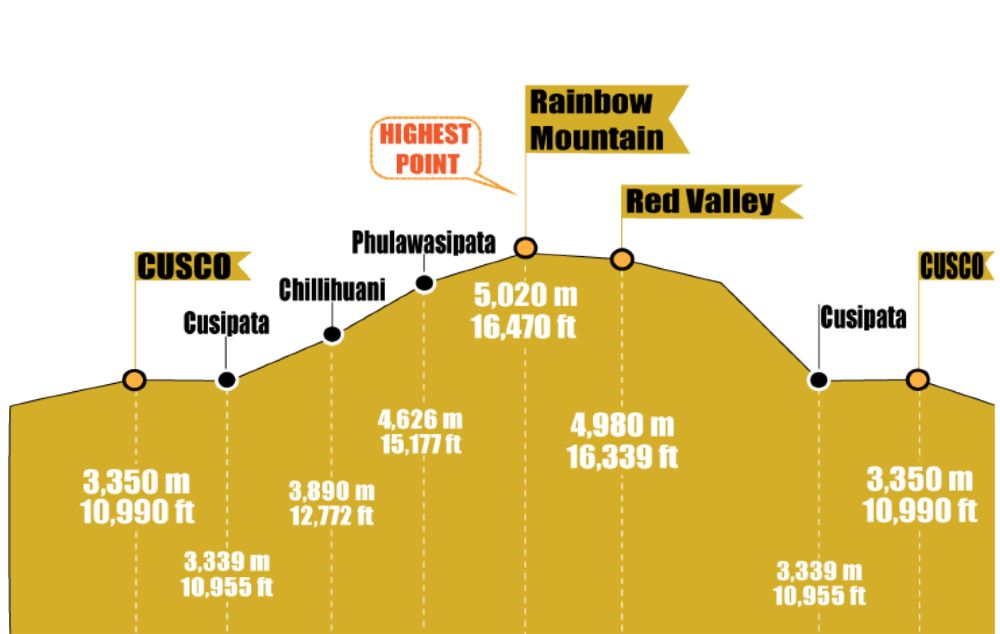
In the Andes Mountains of Peru, South America, at an altitude of 5020 m on Ausangate Mountain, there is a peak covered with turquoise, lavender, maroon, and golden rocks, known as the "Vinicunca Rainbow Mountain". This is one of the world's most spectacular geological features. When you see photos, you might think they are digitally enhanced, but standing before this mountain in person, you'll be awestruck by nature's incredible craftsmanship.
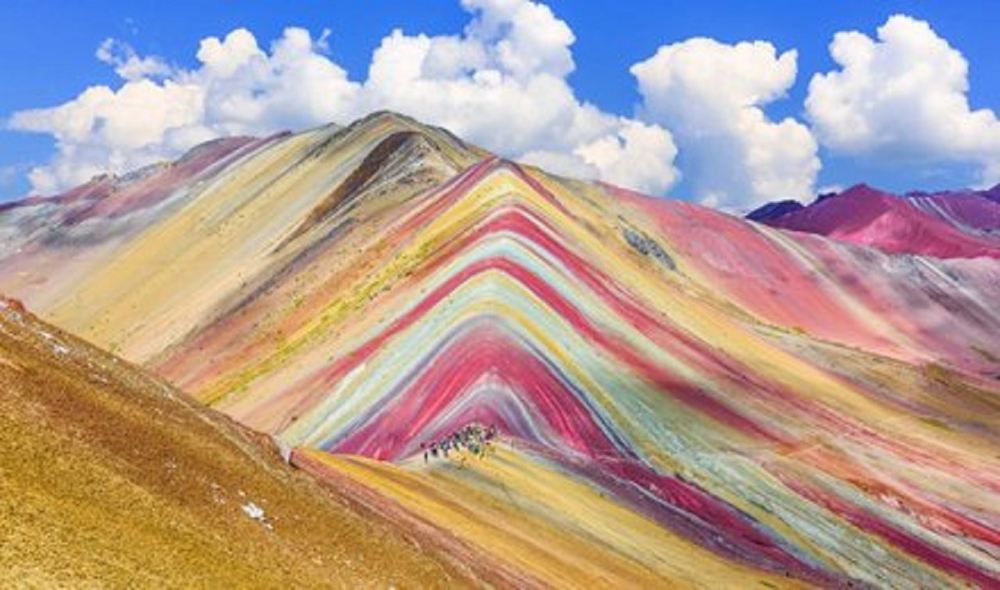
Geological research shows that Vinicunca rainbow mountain is actually a sedimentary rock formed over millions of years through compression, sedimentation, and tectonic plate movements. Located at the edge of continental plates, the Andes mountains have undergone extremely complex geological changes including plate tearing, volcanic eruptions, and ocean drying. The varying colors result from different materials deposited on the rocks during different eras. This creates a unique landform known as "Danxia topography." Iron-rich layers appear red and brown due to oxidation, iron sulfides produce bright yellow hues, while other sediments display diverse color variations based on trace element composition and concentration, ultimately forming its current spectacular appearance.
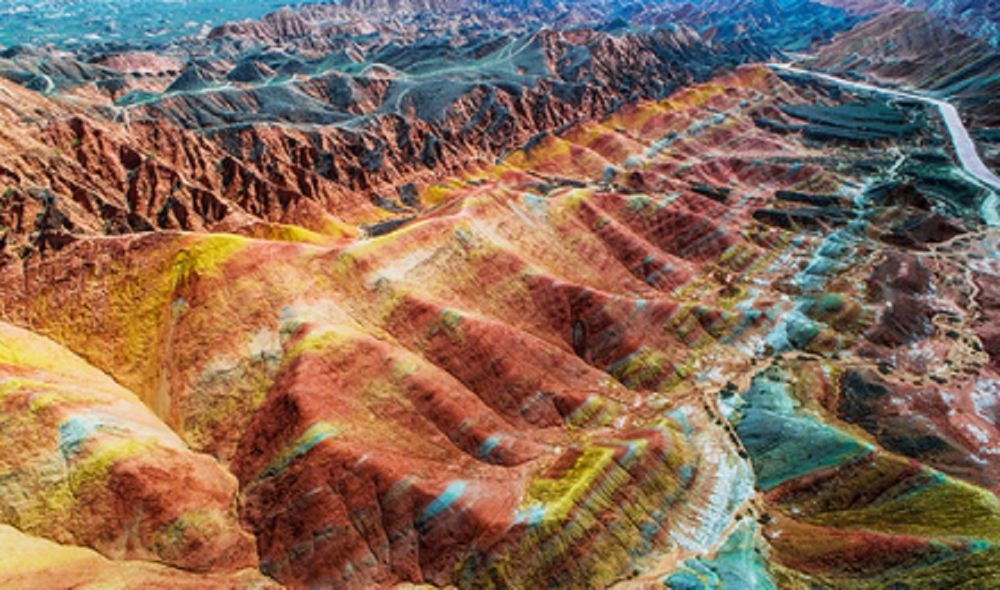
When your eyes sweep across this mountain peak, you'll witness millions of years of evolution in the Andes, which is precisely its captivating charm - a record of how time has carved its way across the earth.