



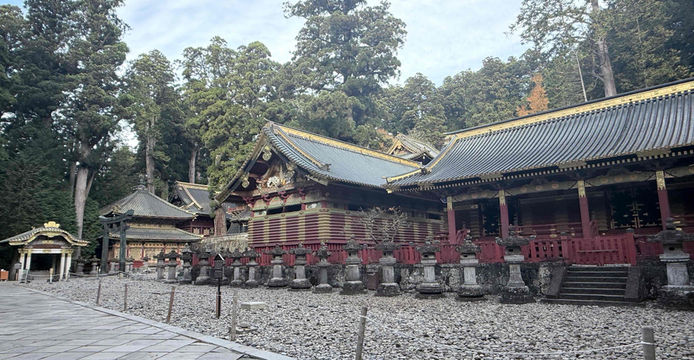
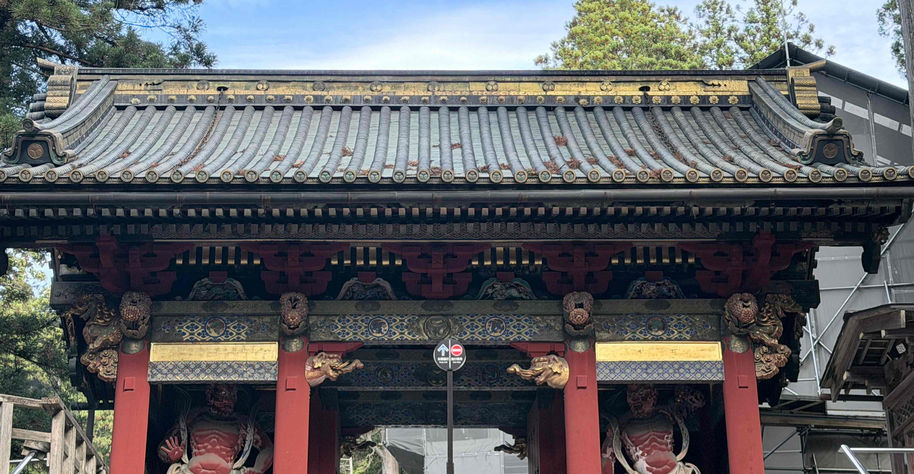




▲ The Toshogu Shrine complex is dedicated to Tokugawa Ieyasu, the first shogun of the Edo period, and is one of Japan's most representative historical and cultural properties. Together with Futarasan Shrine and Rinnoji Temple, it forms part of the UNESCO World Heritage Site "Shrines and Temples of Nikko." Toshogu Shrine was built in 1617 by order of Tokugawa Hidetada, the second shogun and son of Tokugawa Ieyasu. It was later expanded in 1636 by the third shogun, Tokugawa Iemitsu, resulting in its magnificent scale today. The shrine employs the "Gongen-zukuri" architectural style, blending Shinto and Buddhist elements to symbolize Tokugawa Ieyasu's divine status as "Tosho Daigongen" (Great Gongen of Tosho).

▲ Rinno-ji Temple was founded in 766 by the eminent monk Shōdō Shōnin (735–817). Determined to establish a religious center in Nikko, he endured great hardship after studying Nara Buddhism before finally arriving in Nikko. Over the centuries, the temple has grown from a simple thatched hut into a vast complex with magnificent Buddhist halls and shrines. During the Tokugawa Shogunate's rule of Japan from 1603 to 1867, the temple received its support. Today, it has become one of Japan's most important religious institutions, encompassing the National Treasure Taiyūin and 38 other Important Cultural Properties.


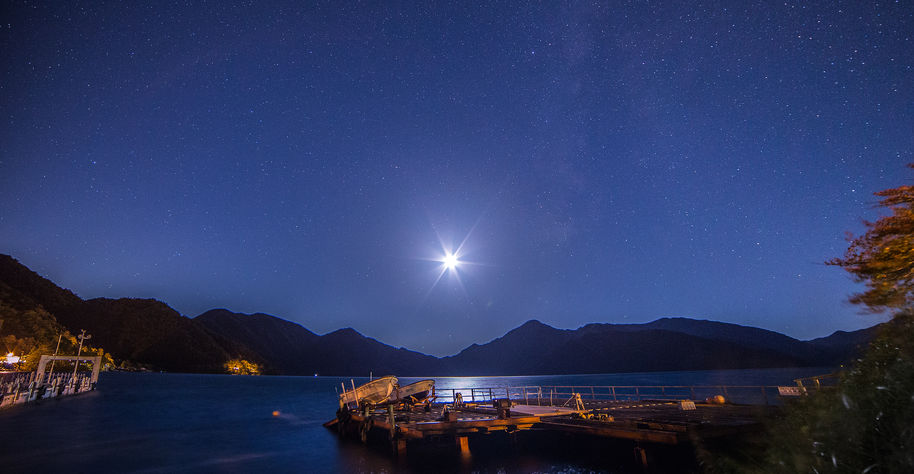
▲ Lake Chuzenji is the highest natural lake in Japan. In every season, it offers breathtaking scenery for visitors to enjoy: azaleas in spring, lush green trees in summer, vibrant autumn leaves, and snowscapes in winter. The azaleas in spring and the autumn leaves are particularly famous, attracting throngs of visitors eager to capture their favorite photos.


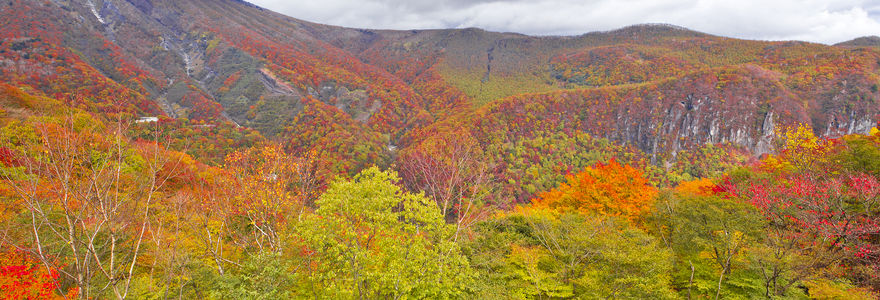
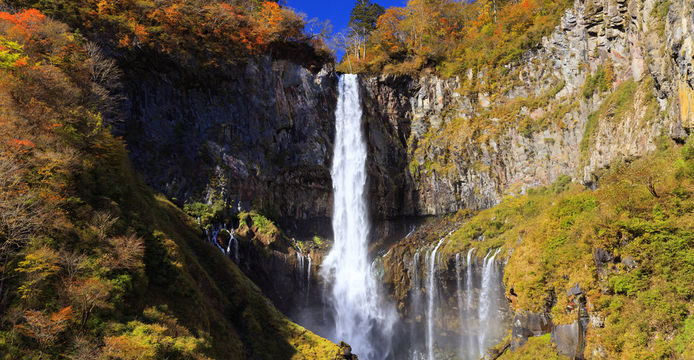
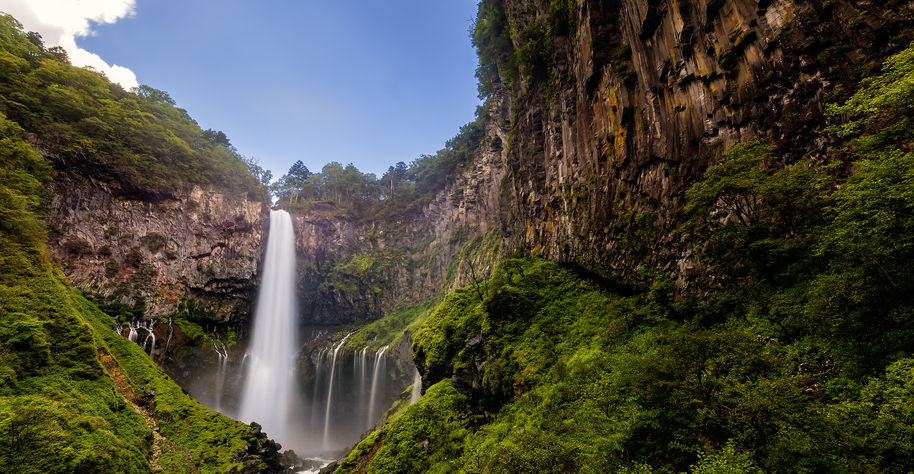
▲ Kegon Falls – one of Japan's three most famous waterfalls and a popular tourist destination. The Oshiri River, formed by the waters of Lake Chuzenji, cuts across Mount Nantai, cascading 700 meters to form the main part of the falls, which is 99 meters high. Twelve smaller waterfalls emerge from the crevices of the protruding upper rocks. In autumn, the surrounding area is ablaze with red leaves, creating a beautiful and tranquil scene. It's a central attraction in Nikko National Park, perfect for photography, offering a picturesque view of mountains and flowing water.