




▲ The Yufuin no Mori, remodeled from the Kiha 183 series train, stands out strikingly with its greener hue when parked at the platform, yet blends seamlessly into nature as it journeys through the forest. The Yufuin merchandise is renowned for its pristine natural scenery, and the design of the Yufuin no Mori encapsulates the charm of Yufuin's landscapes. Both the interior and exterior decorations instantly immerse passengers in a rich vacation atmosphere the moment they board the train.

▲ Experience the Yufuin no Mori train ride - travel through fields and forests aboard Kyushu's popular sightseeing train (departure time slot at 15:56 or 17:17, approximately 134 min journey, no guide service, itinerary ends upon arrival at Hakata station). To specify a departure time slot, please contact customer support after placing your order. If you choose the 15:56 return departure schedule, your stay in Yufuin will be relatively limited. Please select the departure schedule according to your needs. On some dates when the special train is not operating, a premium substitute train will be used.

▲ Kyushu Wildlife Park African Safari is one of Japan's largest wildlife parks, home to approximately 1,400 animals across 70 species including bison, deer, bears, lions, cheetahs, elephants, camels, rhinos, and giraffes. You can safely observe these animals roaming freely across the 115-hectare Tsukahara Plain from the comfort of your vehicle.
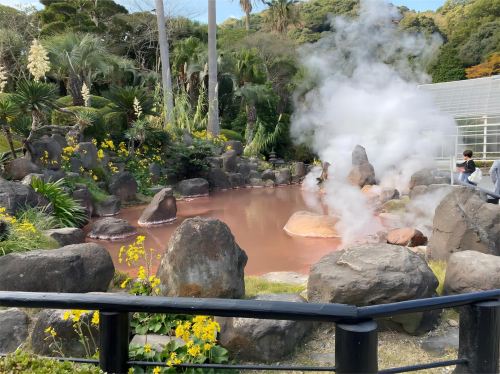
▲ "Hells of Beppu," also known as the Seven Hells of Beppu, is located in the Kannawa and Kamegawa areas of Beppu. The name comes from the mysterious and ever-changing hot springs here. Boiling steam violently rises from the ground, where you can see continuously emitted gases, iron-rich steam, and bubbling hot mud. Experience the thrilling sensation long felt by travelers and locals alike, and observe some unlikely animals that have made these hot springs their habitat.

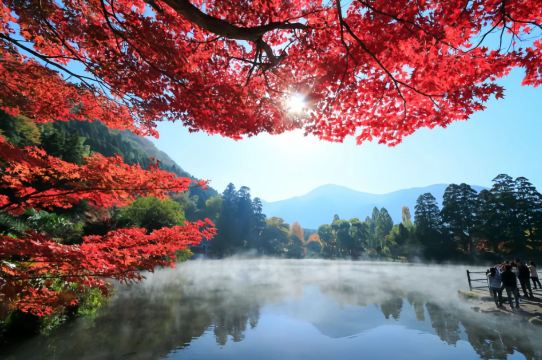
▲ Kinrin Lake is fed by both freshwater and hot springs, keeping the water temperature relatively high year-round. This creates a captivating scene in winter mornings when steam rises from the lake's surface. The name "Kinrin Lake" originates from a Confucian scholar who once spotted a golden fish in the water during sunset.