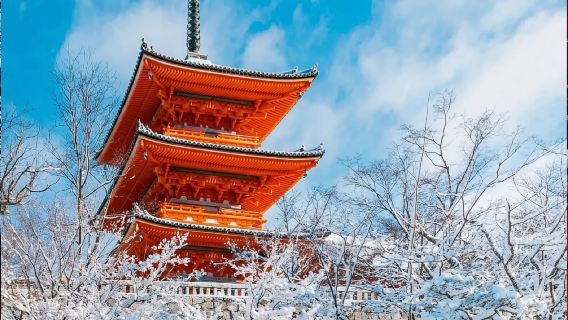

▲ Kiyomizu-dera Temple is one of the most famous landmarks in Kyoto, built in 778 AD and renowned for its suspended "Kiyomizu Stage." The main hall is constructed against the mountain and supported by 139 tall wooden pillars. Standing on the stage offers a panoramic view of Kyoto, especially magnificent during the cherry blossom season in spring and the maple leaf season in autumn. The Otowa Waterfall within the temple has three streams of pure water, each representing health, academic success, and love, attracting numerous visitors to pray for blessings. In 1994, Kiyomizu-dera Temple was designated as a UNESCO World Heritage Site and stands as an outstanding representative of Japanese Buddhist art.

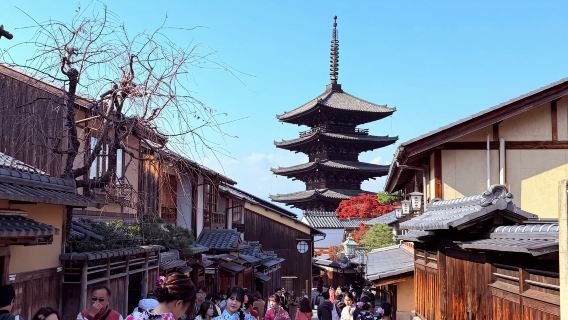
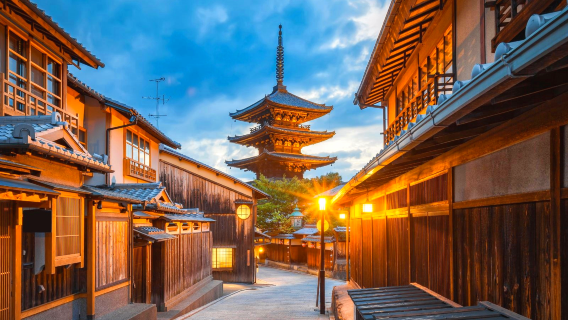
▲ This is a slope exuding the charm of Kyoto, composed of Ninen-zaka and Sannen-zaka, leading directly from Kiyomizu-dera Temple. Along the way, you'll find traditional machiya buildings with red lattice and mushi-kago windows, as well as Japanese snack shops and quaint merchandise stores like the "Donguri Republic" featuring Studio Ghibli merchandise. It's a great place to buy souvenirs and enjoy the pleasure of strolling in a kimono.


▲ The Arashiyama train runs along the Hozu River Gorge, making a round-trip between Sagano and Kameoka, covering a total distance of 7.3 km. It is most popular in spring and autumn: cherry blossoms bloom like clouds in spring, while maple leaves turn fiery red in autumn. The open-air carriages allow visitors to immerse themselves in the natural landscape, with views of the Hozu River rapids, ancient dense forests, and quaint bridges along the way. As the train slowly passes through tunnels, the cheers of visitors echo through the valley, creating a delightful experience.

▲ The temple, originally named Kinkaku-ji, derives its name from the gold leaf covering its exterior and represents the pinnacle of Muromachi-period architecture. The shimmering reflection of the golden pavilion in the Mirror Pond varies with the seasons, creating an especially dreamlike scene after snowfall. Destroyed by fire in 1950, it was meticulously reconstructed to preserve its original form, blending Zen philosophy with aristocratic aesthetics. Designated a UNESCO World Heritage Site in 1994, it stands as a symbol of ultimate beauty and eternity.

▲ Fushimi Inari Taisha is the head shrine of approximately 30,000 Inari shrines across Japan, globally renowned for its dense Senbon Torii gates. The vermilion torii tunnel winds its way to the summit of Mount Inari, spanning about 4 km, where visitors can explore mysterious small shrines along the path. Devotees donate torii gates to pray for business prosperity, and foxes are regarded as divine messengers. This location also served as a filming site for the movie "Memoirs of a Geisha," offering breathtaking views both day and night.