![Kyoto Kinkaku-ji + Kiyomizu-dera Temple + Fushimi Inari Taisha [Kyoto Traditional Charm 1-day Tour]](data:image/webp;base64,UklGRhYNAABXRUJQVlA4WAoAAAAgAAAAZAQAZAQASUNDUCQCAAAAAAIkYXBwbAQAAABtbnRyUkdCIFhZWiAH4QAHAAcADQAWACBhY3NwQVBQTAAAAABBUFBMAAAAAAAAAAAAAAAAAAAAAAAA9tYAAQAAAADTLWFwcGzKGpWCJX8QTTiZE9XR6hWCAAAAAAAAAAAAAAAAAAAAAAAAAAAAAAAAAAAAAAAAAApkZXNjAAAA/AAAAGVjcHJ0AAABZAAAACN3dHB0AAABiAAAABRyWFlaAAABnAAAABRnWFlaAAABsAAAABRiWFlaAAABxAAAABRyVFJDAAAB2AAAACBjaGFkAAAB+AAAACxiVFJDAAAB2AAAACBnVFJDAAAB2AAAACBkZXNjAAAAAAAAAAtEaXNwbGF5IFAzAAAAAAAAAAAAAAAAAAAAAAAAAAAAAAAAAAAAAAAAAAAAAAAAAAAAAAAAAAAAAAAAAAAAAAAAAAAAAAAAAAAAAAAAAAAAAAAAAAAAAAAAAAAAAHRleHQAAAAAQ29weXJpZ2h0IEFwcGxlIEluYy4sIDIwMTcAAFhZWiAAAAAAAADzUQABAAAAARbMWFlaIAAAAAAAAIPfAAA9v////7tYWVogAAAAAAAASr8AALE3AAAKuVhZWiAAAAAAAAAoOAAAEQsAAMi5cGFyYQAAAAAAAwAAAAJmZgAA8qcAAA1ZAAAT0AAACltzZjMyAAAAAAABDEIAAAXe///zJgAAB5MAAP2Q///7ov///aMAAAPcAADAblZQOCDMCgAAMC0BnQEqZQRlBD51OplKpKMiIaASCBiQDolpbuF3YR69H8pb0WcX4fAAVphqqTZMQ6qk2TEOqpNkxDqqTZMQ6qk2TEOqpNkxDqqTZMQ6qk2TEOqpNkxDqqTZMQ6qk2TEOqpNkxDqqTZMQ6qk2TEOqpNkxDqqTZMQ6qk2TEOqpNkxDqqTZMQ6qk2TEOqpNkxDqqTZMQ6qk2TEOqpNkxDqqTZMQ6qk2TEOqpNkxDqqTZMQ6qk2TEOqpNkxDqqTZMQ6qk2TEOqpNkxDqqTZMQ6qk2TEOqpNkxDqqTZMQ6qk2TEOqpNkxDqqTZMQ6qk2TEOqpNkxDqqTZMQ6qk2TEOqpNkxDqqTZMQ6qk2TEOqpNkxDqqTZMQ6qk2TEOqpNkxDqqTZMQ6qk2TEOqpNkxDqqTZMQ6qk2TEOqpNkxDqqTZMQ6qk2TEOqpNkxDqqTZMQ6qk2TEOqpNkxDqqTZMQ6qk2TEOqpNkxDqqTZMQ6qk2TEOqpNkxDqqTZMQ6qk2TEOqpNkxDqqTZMQ6qk2TEOqpNkxDqqTZMQ6qk2TEOqpNkxDqqTZMQ6qk2TEOqpNkxDqqTZMQ6qk2TEOqpNkxDqqTZMQ6qk2TEOqpNkxDqqTZMQ6qk2TEOqpNkxDqqTZMQ6qk2TEOqpNkxDqqTZMQ6qk2TEOqpNkxDqqTZMQ6qk2TEOqpNkxDqqTZMQ6qk2TEOqpNkxDqqTZMQ6qk2TEOqpNkxDqqTZMQ6qk2TEOqpNkxDqqTZMQ6qk2TEOqpNkxDqqTZMQ6qk2TEOqpNkxDqqTZMQ6qk2TEOqpNkxDqqTZMQ6qk2TEOqpNkxDqqTZMQ6qk2TEOqpNkxDqqTZMQ6qk2TEOqpNkxDqqTZMQ6qk2TEOqpNkxDqqTZMQ6qk2TEOqpNkxDqqTZMQ6qk2TEOqpNkxDqqTZMQ6qk2TEOqpNkxDqqTZMQ6qk2TEOqpNkxDqqTZMQ6qk2TEOqpNkxDqqTZMQ6qk2TEOqpNkxDqqTZMQ6qk2TEOqpNkxDqqTZMQ6qk2TEOqpNkxDqqTZMQ6qk2TEOqpNkxDqqTZMQ6qk2TEOqpNkxDqqTZMQ6qk2TEOqpNkxDqqTZMQ6qk2TEOqpNkxDqqTZMQ6qk2TEOqpNkxDqqTZMQ6qk2TEOqpNkxDqqTZMQ6qk2TEOqpNkxDqqTZMQ6qk2TEOqpNkxDqqTZMQ6qk2TEOqpNkxDqqTZMQ6qk2TEOqpNkxDqqTZMQ6qk2TEOqpNkxDqqTZMQ6qk2TEOqpNkxDqqTZMQ4Q4e4y8Rz16MvEc9ejLxHPXoy8Rz16MvEc9ejLxHPXYLrUl+0HaQA25DjLxHPXoy8Rz16MvEc9ejLxHPXoy8Rz16MvEZSAd+wyzHgIewW2Zlbas3+3QFqFHDvvz16MvEc9ejLxHPXoy8Rz16MvEc9ejLw9Oem0o0qUTd1njpSTxxvz+UIQ1SwN06+JGENVSbJiHVUmyYh1VJsmIdVSbJiHVUmyYh1ZEroH+qqbFYBP9f+zCmdQQ1VJsmIdVSbJiHVUmyYh1VJsmIdVSbJiHVTZQWid8vIAW6B5hydBNyCGqpNkxDqqTZMQ6qk2TEOqpNkxDqqTZMQ6qbKv34rDoky1oQFUQTontcIK0gBlWiXHIIaqk2TEOqpNkxDqqTZMQ6qk2TEOqpNkxDeQjCloCfdCs6qOS6zziWUYb7RZRbJluW8Rz16MvEc9ejLxHPXoy8Rz16MvEc9ejLxHKF4xmqUFetnXkhUW0VQPJl0/FzGoYKM9KJBJsmIdVSbJiHVUmyYh1VJsmIdVSbJiHVUmyCVP4Ff+iUBKzVlwfT5jYIyEgFVbFymfEgcFXFCAtNuYTLqbxGHiOevRl4jnr0ZeI569GXiOevRl4jnr0ZeI8SaOPt4QO5srn1JnYtiWrv0luwNavZsv1JgWnxWDljXjkENVSbJiHVUmyYh1VJsmIdVSbJiHVUmyYhvLJVIe3OSgh82JeTBxV/nYynNBDVUmyYh1VJsmIdVSbJiHVUmyYh1VJsmIdVSbKCl7789ejLxHPXoy8Rz16MvEc9ejLxHPXoy8Rz16MvEc9ejLxHPXoy8Rz16MvEc9ejLxHPXoy8Rz16MvEc9ejLxHPXoy8Rz16MvEc9ejLxHPXoy8Rz16MvEc9ejLxHPXoy8Rz16MvEc9ejLxHPXoy8Rz16MvEc9ejLxHPXoy8Rz16MvEc9ejLxHPXoy8Rz16MvEc9ejLxHPXoy8Rz16MvEc9ejLxHPXoy8Rz16MvEc9ejLxHPXoy8Rz16MvEc9ejLxHPXoy8Rz16MvEc9ejLxHPXoy8Rz16MvEc9ejLxHPXoy8Rz16MvEc9ejLxHPXoy8Rz16MvEc9ejLxHPXoy8Rz16MvEc9ejLxHPXoy8Rz16MvEc9ejLxHPXoy8Rz16MvEc9ejLxHPXoy8Rz16MvEc9ejLxHPXoy8Rz16MvEc9ejLxHPXoy8Rz16MvEc9ejLxHPXoy8Rz16MvEc9ejLxHPXoy8Rz16MvEc9ejLxHPXoy8Rz16MvEc9ejLxHPXoy8Rz16MvEc9ejLxHPXoy8Rz16MvEc9ejLxHPXoy8Rz16MvEc9ejLxHPXoy8Rz16MvEc9ejLxHPXoy8Rz16MvEc9ejLxHPXoy8Rz16MvEc9ejLxHPXoy8Rz16MvEc9ejLxHPXoy8Rz16MvEc9ejLxHPXoy8Rz16MvEc9ejLxHPXoy8Rz16MvEc9ejLxHPXoy8Rz16MvEc9ejLxHPXoy8Rz16MvEc9ejLxHPXoy8Rz16MvEc9ejLxHPXoy8Rz16MvEc9ejLxHPXoy8Rz16MvEc9ejLxHPXoy8Rz16MvEc9ejLxHPXoy8Rz16MvEc9ejLxHPXoy8Rz16MvEc9ejLxHPXoy8Rz16MvEc9ejLxHPXoy8Rz16MvEc9ejLxHPXoy8Rz16MvEc9ejLxHPXoy8Rz16MvEc9ejLxHPXoy8Rz16MvEc9ejLxHPXoy8Rz16MvEc9ejLxHPXoy8Rz16MvEc9ejLxHPXoy8Rz16MvEc9ejLxHPXoy8Rz16MvEc9ejLxHPXoy8Rz16MvEc9ejLxHPXoy8Rz16MvEc9ejLxHPXoy8Rz16MvEc9ejLxHPXoy8Rz16MvEc9ejLxHPXoy8Rz16MvEc9ejLxHPXoy8Rz16MvEc9ejLxHPXoy8Rz16MvEc9ejLxHPXoy8Rz16MvEc9ejLxHPXoy8Rz16MvEc9ejLxHPXoy8Rz16MvEc9eioAAP7/4vC2LEQAAAAAAAAAAAAAAAAAAAAAAAAAAAAAAAAAAAAAAAAAAAAAAAAAAAAAAAAAAAAAAAAAAABps4ATP0udazyHzBxVasdQajicYP97oruYQAXhittIvZot8O6bZlPg5MPkP1xm8kLCuntWV2Q4gF8bX0AGuY6RZaVpoUzaeFlE3lCqAqWpLgDnmhngAT2DovvpGMvyA78nzjPcKAYbg0oWvLfZ0gvK2MlQIAVO85VUeHh36OfDS9qFDVkgeQMRgQB4TTZK5HzzIyPyf3NtaKWqLEEcagCmiWjkz0Nxm3CPuBAACWaov5j+tGVnVHZ3hQBD8cA3MTW1L5m7w3NDAQ4WHBYspHl48O/AgBvye7T71zxOUOLz7NKj0sC8VKkIAAAAAAAAAAAAAAAAAAAAAAAAAAAAAAAAAAAAAAAAAAAAAAAAAAAAAAAAAAAAAAAAAAAAAAAAAA==)


▼Kinkaku-ji (approx. 40 min) Fee not included
Kiyomizu-dera Temple Area (approx. 3 hrs, including free time for lunch) Recommended Itinerary Option 1: Kiyomizu-dera Temple (admission ticket not included) - Sannenzaka & Ninenzaka - Ishibe Alley - Gion Hanamikoji-dori - Yasaka Shrine Guests may select preferred attractions based on personal interests and physical condition. Option 2: Kimono Experience - Interested guests can rent kimonos, stroll through historic streets, visit Kiyomizu-dera Temple, and capture beautiful moments (kimono rental shops available near Kiyomizu-dera Temple, fees not included).
For those interested in a kimono experience, guests can dress in traditional attire, stroll through the ancient streets, and visit Kiyomizu-dera Temple to capture beautiful moments. (Multiple kimono rental shops are available at Kiyomizu-dera Temple and Fushimi Inari Taisha, etc. It is recommended to rent at the Kiyomizu-dera branch and return at the Fushimi Inari branch. Fees are at your own expense.)
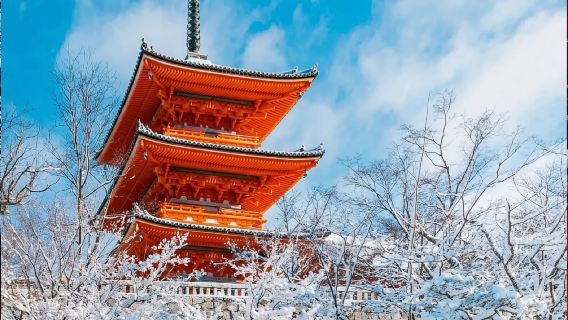
A UNESCO World Heritage Site and a popular tourist attraction in Kyoto. Established in 778, it is one of Kyoto's oldest temples and a Japanese National Treasure. Located north of the main hall of Kiyomizu-dera Temple, Jishu Shrine is a sacred site for matchmaking and praying for love in Japan.
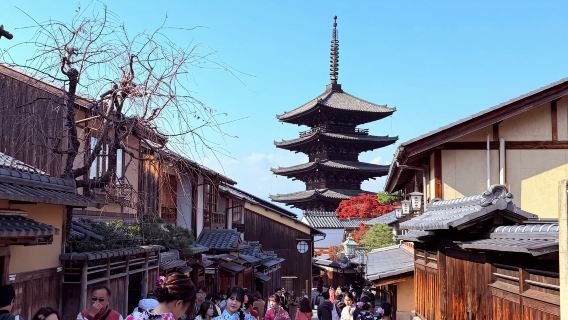
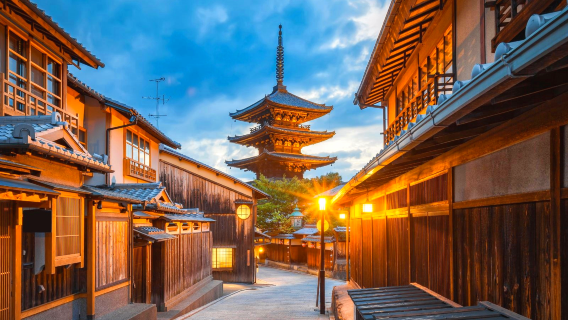
Ninenzaka and Sannenzaka, located outside Kiyomizu-dera Temple, are slopes that embody the unique charm of Kyoto and are designated as an "Important Preservation District for Groups of Traditional Buildings" in Japan. The stone-paved slopes are lined with historic Japanese-style architecture, exuding a strong traditional atmosphere. Visitors can find an array of local delicacies, paper fans, dolls, chopsticks, and other handicrafts that create a feast for the eyes.
At the end of Ninenzaka, turn right and continue walking north to discover Ishibe Alley. This tranquil cobblestone path, lined with elegant traditional Japanese houses, offers a rare escape from crowds. The timeless atmosphere transports visitors to a quieter era, providing a peaceful retreat from the bustling city.
[Gion·Hanamikoji-dori] This ancient and renowned flower district was home to nearly a thousand geishas in Kyoto during the 1960s. Today, dozens of geisha instructors continue to teach traditional arts including tea ceremony, flower arrangement, koto, gagaku, kyogen, maiko, and bunraku. As you enter this historic street, an old-world charm envelops you: rows of exquisitely designed teahouses with their wooden lattice doors tightly shut... This mysterious alley spans approximately 1 km from north to south. The northern section embodies modernity while the southern part maintains tradition, each exuding its own unique charm and distinctive character.
Yasaka Shrine, located in Kyoto's Higashiyama district, is one of the most famous and historically significant shrines in the Kansai region. It features dedicated areas for fortune-telling, ema (votive tablets) writing, and purchasing omamori (charms). The shrine offers a wide variety of ema designs, with heart-shaped love prayer tablets being particularly popular.
▼Fushimi Inari Taisha (approx. 70 min)
Fushimi Inari Taisha is famous for its "Senbon Torii" (thousands of torii gates), attracting countless visitors from both Japan and abroad every year. For three consecutive years, it has ranked first in the "Most Popular Japanese Attraction Among Foreign Visitors" survey conducted by the world's largest travel website. Let's pray here for ourselves and our beloved family members.
In addition, the ema (votive tablets) at Fushimi Inari Taisha are uniquely shaped like white foxes, allowing visitors to unleash their creativity by doodling various amusing expressions on them.