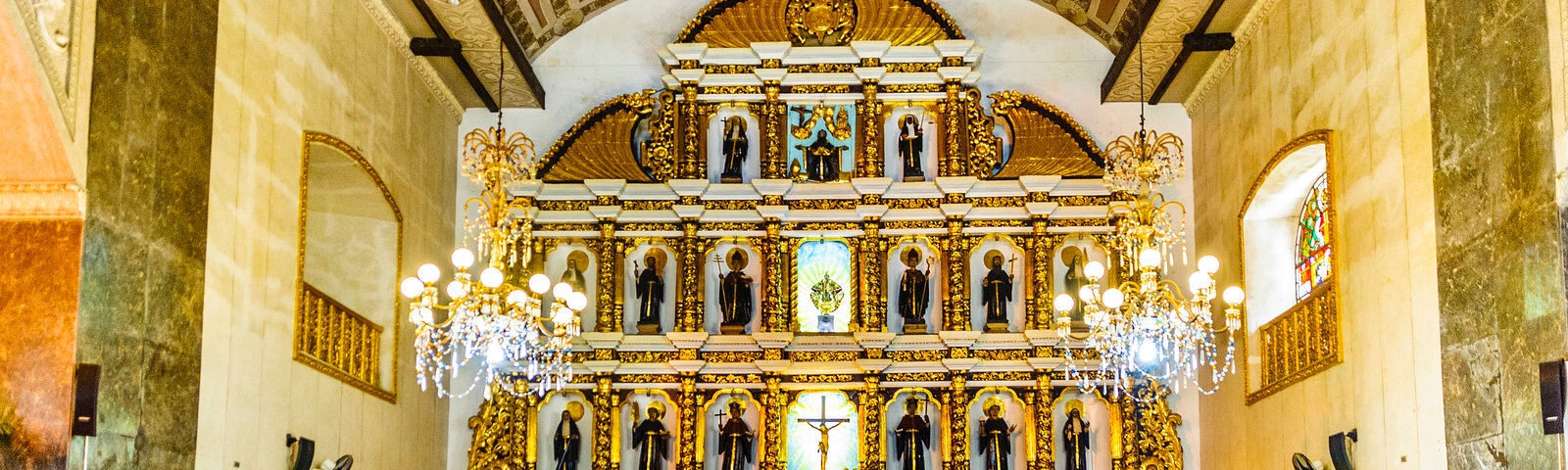
Top picks for Cebu City Day tours
Discover 138 Day tours in Cebu City on Trip.com, updated January 28, 2026, with experiences lasting from 1 to 14 hours. Find the perfect adventure for your day!
From IDR 529,101.00 per person, with an average total of IDR 1,444,624.72. Choose the option that suits your plan.
With 1.478k verified reviews, Day tours Cebu City boast an average rating of 4.6.
This week's most popular Day tours: "Canyoneering in Badian and Swimming at Kawasan Falls with Transfers", with 403 reviews and a 4.9 rating.
Now on Trip.com: "Cebu Discovery: Sto. Niño Basilica, Magellan's Cross, Fort San Pedro, Sirao Garden & Temple of Leah Day Tour", a 8-hour adventure in Cebu City!
The next available day tour departs on January 29, 2026. Book now to secure your spot!
Cebu City Day tours usually take about 8 hours — perfect for a relaxed, immersive experience!
100% of Cebu City Day tours now offer English-speaking guides
January is the perfect time to visit Cebu City! Choose from Day tours available day tours, including seasonal favorites like Canyoneering in Badian and Swimming at Kawasan Falls with Transfers.
Your trip, worry-free! All day tours are run by licensed suppliers with verified reviews, and many include free cancellation before departure.
138 results for Cebu City Day tours
 Trip.Select
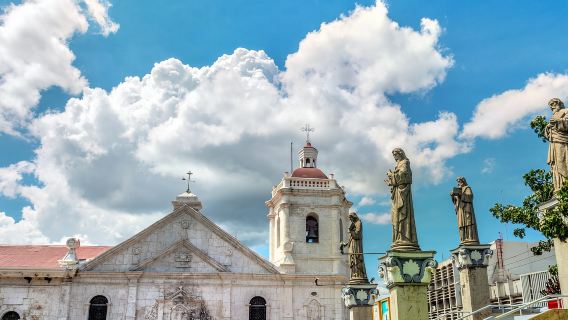
 A one-day tour connecting historical sites in the city center with the unique views atop the mountain, blending cultural exploration with nature appreciation.Duration: 8.3 hrsEnglishFree cancellation5.0/5Excellent· 5 reviews· 96 bookedFromIDR 687,831
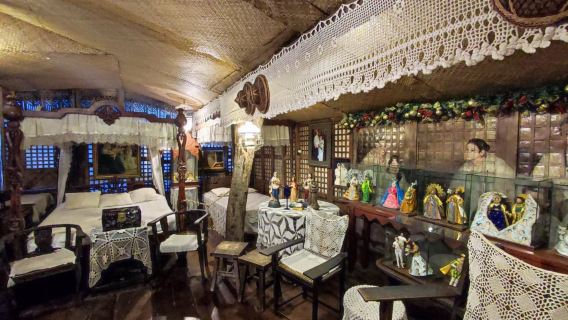 This tour will bring you to Cebu's top historical sites, major cultural landmarks, and uphill tourist spots.Duration: 7.7 hrsEnglishFree cancellationInstant confirmation5.0/5Excellent· 2 reviews· 38 bookedFromIDR 934,921
 Dual World Heritage religious site: Visit the ancient churches of the Philippines, the Basilica del Santo Niño and Magellan's Cross, and experience 400 years of colonial history.Duration: 6.3 hrsEnglishFree cancellationInstant confirmation4.3/5Good· 12 reviews· 236 bookedFromIDR 529,101
 Trip.Select
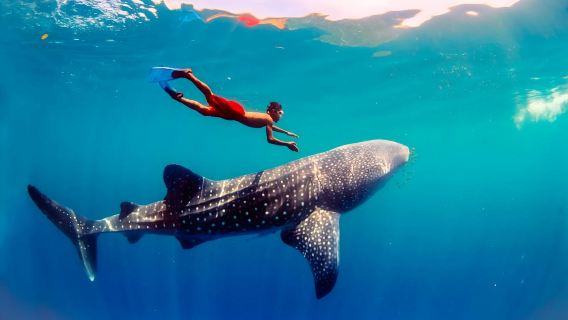
From Cebu: Oslob Whale Shark Encounter + Moalboal Sardine Run Snorkeling | Full-Day Marine Adventure
90.2% of travelers recommendDuration: 12.5 hrsEnglishFree cancellation4.6/5Satisfied· 51 reviews· 813 bookedFromIDR 1,243,387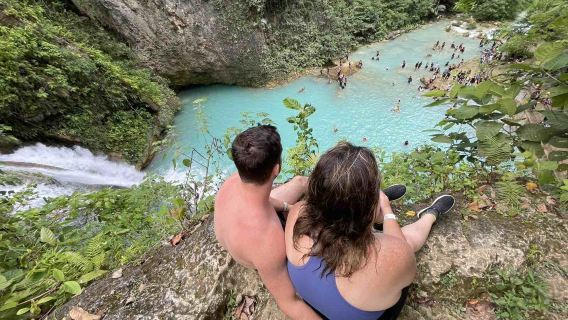 Trip.Select85 consecutive positive reviewsDuration: 12 hrsEnglishFree cancellationInstant confirmation4.9/5Excellent· 403 reviews· 41 bookedFromIDR 1,495,874
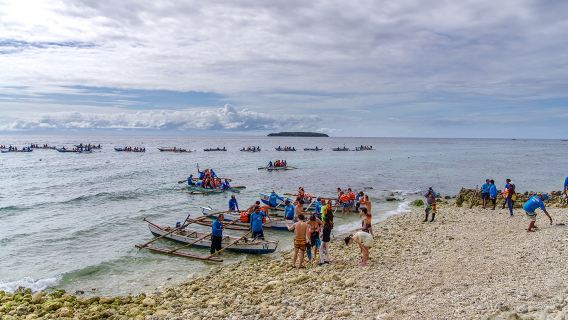 Trip.Select100 consecutive positive reviewsDuration: 11.5 hrsEnglishFree cancellationInstant confirmation4.9/5Excellent· 320 reviews· 58 bookedFromIDR 2,150,318
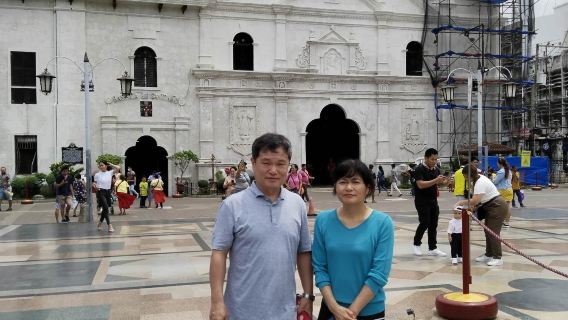 This tour will bring you to Cebu's top historical sites and major cultural landmarks.Duration: 4.2 hrsEnglishFree cancellationInstant confirmationFromIDR 592,117
 Connecting flower fields, temples, viewing platforms, and spas, it offers a dual experience of beautiful scenery and relaxation.Duration: 7.6 hrsEnglishFree cancellationFromIDR 1,177,249
 Accommodation and meals includedEnglishFree cancellation5% offLimited-time saleFromIDR 7,931,211IDR 8,348,644
![Private Chartered Tour in Cebu City, Philippines [4 hr/8 hr options]](https://ak-d.tripcdn.com/images/0352v12000jwashph1895_C_568_320.jpg?_fr=wc) Your itinerary, your way - travel freely without waiting!Duration: 4.5 hrsEnglishFree cancellationFromIDR 857,143
Your itinerary, your way - travel freely without waiting!Duration: 4.5 hrsEnglishFree cancellationFromIDR 857,143 Heritage & History – Visit iconic landmarks like Magellan's Cross, Basilica Minore del Santo Niño, and Fort San Pedro.Duration: 2.5 hrsEnglishFromIDR 934,918
Cebu Basilica Minore del Sto. Niño de Cebu + Magellan's Cross + Sirao Flower Garden + Temple of Leah
Visit Cebu's trending hidden gems, reach the summit of Cebu, and instantly transform into an Instagram-worthy scene!Duration: 7.1 hrsEnglishFree cancellation23 bookedFromIDR 674,604![TOPS Cebu 1-day Tour [Cebu Ultimate City Tour]](https://ak-d.tripcdn.com/images/10021f000001gxb1iC8D0_C_568_320.jpg?_fr=wc) Temple of LeahDuration: 7.1 hrsEnglishFree cancellationInstant confirmationFromIDR 1,651,694
Temple of LeahDuration: 7.1 hrsEnglishFree cancellationInstant confirmationFromIDR 1,651,694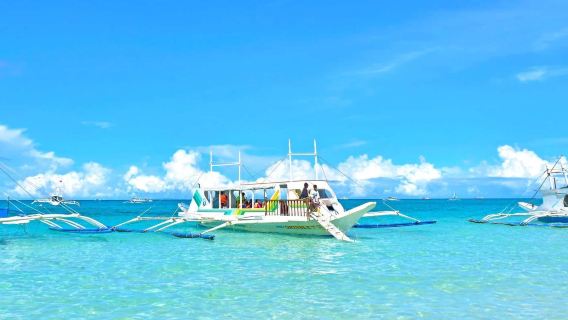 Trip.SelectSnorkeling and fish feeding at Olango Island + beach relaxation at Caohagan Island, a dual-island experience offering both marine and island delights.Duration: 7 hrsEnglishFree cancellation5.0/5Excellent· 5 reviews· 135 bookedFromIDR 1,055,556
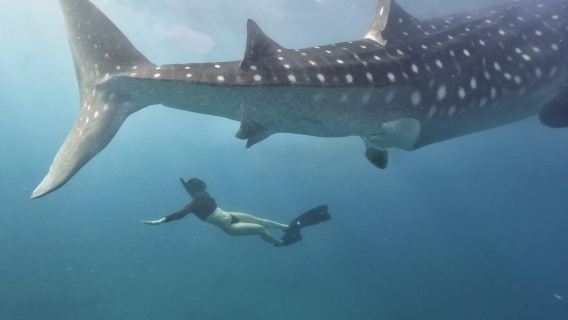 Trip.SelectGet up close to whale sharks, experience snorkeling, and unlock a day of encounters with ocean giants.Duration: 10 hrsEnglishFree cancellation4.8/5Very good· 4 reviews· 117 bookedFromIDR 1,111,112
 Trip.SelectQuick Sightseeing: Depart at noon for a quick tour of SIRAO Gardens, Lia Temple, and Mount Buse, plus a shopping trip at the mall, unlocking Cebu's wonders in a short time.Duration: 5.6 hrsEnglishFree cancellation4.8/5Very good· 4 reviews· 84 bookedFromIDR 701,059
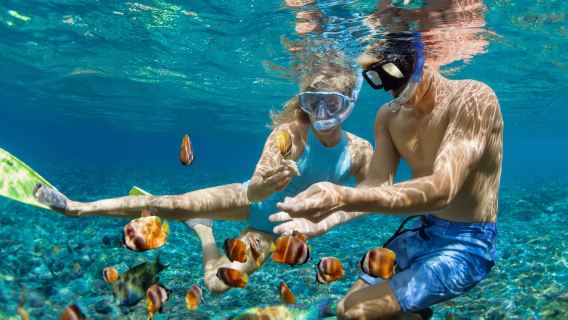 Trip.SelectEnjoy snorkeling and fish feeding at Orango Island, plus relaxing on the beach at Shiseido Island – a dual-island experience combining the joys of the ocean and the islands.Duration: 7.6 hrsEnglishFree cancellation5.0/5Excellent· 1 review· 43 bookedFromIDR 1,055,556
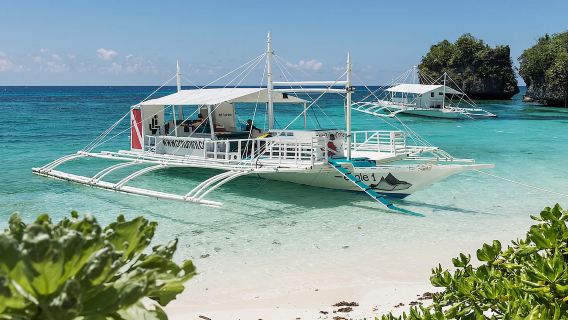 Trip.SelectA full-day excursion to Caohagan Island and Nalusuan Island, including BBQ lunch and snorkeling, offers a rich experience.Duration: 7.1 hrsEnglishFree cancellation5.0/5Excellent· 1 review· 25 bookedFromIDR 1,203,704
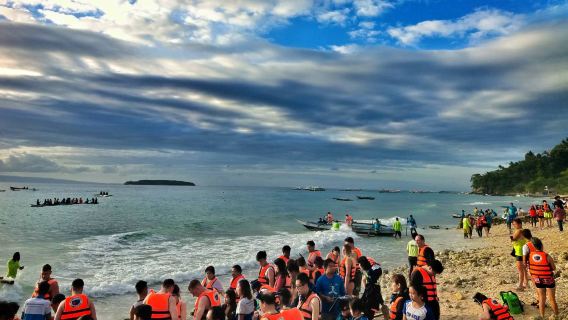 Trip.Select21 consecutive positive reviewsDuration: 9 hrsEnglishFree cancellationInstant confirmation4.7/5Very good· 393 reviews· 45 bookedFromIDR 1,340,053
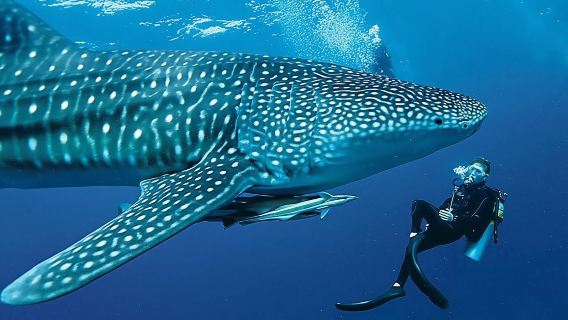 Trip.Select94% of travelers recommendDuration: 12.8 hrsEnglishFree cancellationInstant confirmation4.7/5Very good· 216 reviews· 47 bookedFromIDR 1,153,069
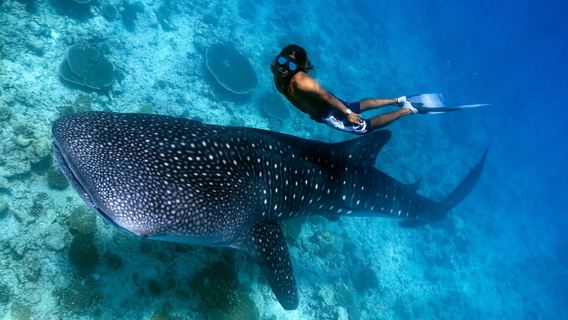 Trip.SelectWhale shark eco-experience: Snorkel with giant whale sharks while learning conservation knowledge from a professional guide.Duration: 9.5 hrsEnglishFree cancellation5.0/5Excellent· 2 reviews· 66 bookedFromIDR 1,619,048
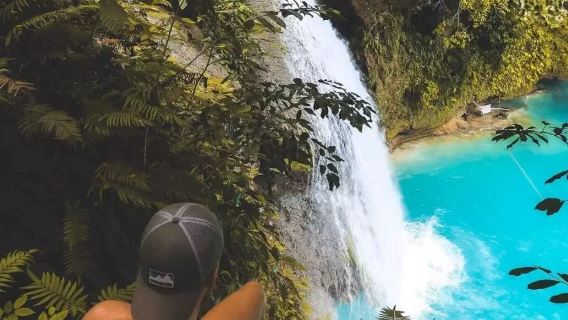 Experience stream climbing, diving, rock climbing, and cave exploration on this waterfall stream climbing adventure!Duration: 9.5 hrsEnglishFree cancellationFromIDR 1,269,842
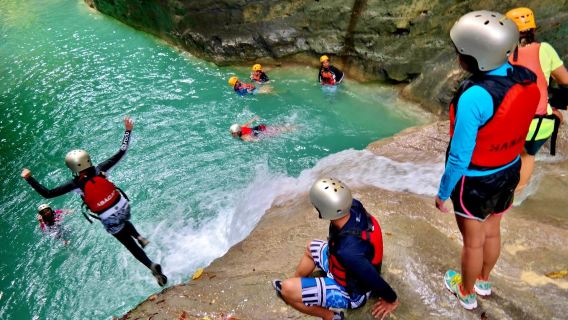 Explore the best of Cebu in just one day, where your journey takes you from the ocean to the forest. Dance with gentle giant whale sharks, then venture into the lush greenery to discover hidden natural wonders!Duration: 13 hrsEnglishFree cancellation5.0/5Excellent· 2 reviews· 135 bookedFromIDR 1,619,048
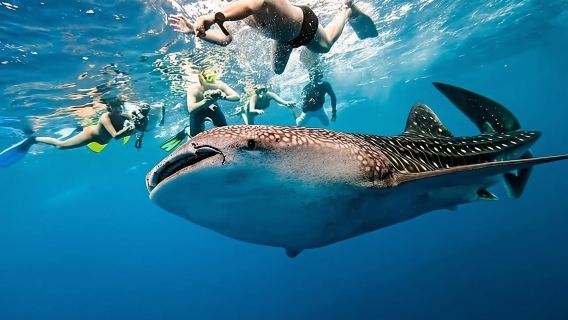 55 travelers savedDuration: 7 hrsEnglishInstant confirmation4.5/5Satisfied· 43 reviews· 781 bookedFromIDR 1,216,932
![Oslob Whale Shark Watching [Private Charter 12 hours]](https://ak-d.tripcdn.com/images/0352s12000itwqg6p746B_C_568_320.jpg?_fr=wc) Whale SharkDuration: 10 hrsEnglishFree cancellationInstant confirmation2.0/5· 1 reviewFromIDR 934,921
Whale SharkDuration: 10 hrsEnglishFree cancellationInstant confirmation2.0/5· 1 reviewFromIDR 934,921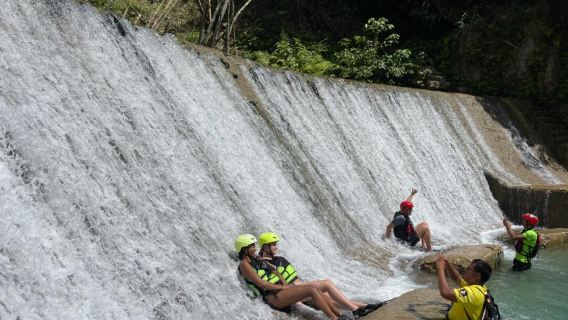 Experience stream climbing, diving, rock climbing, and cave exploration on this waterfall stream climbing adventure!Duration: 9.3 hrsEnglishFree cancellationFromIDR 1,764,551
Private one-day tour to Mactan, Cebu, Philippines: Shiseido Island + Snorkeling + Picnic + Transfers
Explore the island hopping in Mactan, Cebu, swim in the blue sea and sky, experience sea adventure, and enjoy the wonderful island life.Duration: 4 hrsEnglish5.0/5Excellent· 1 review· 31 bookedFromIDR 3,306,879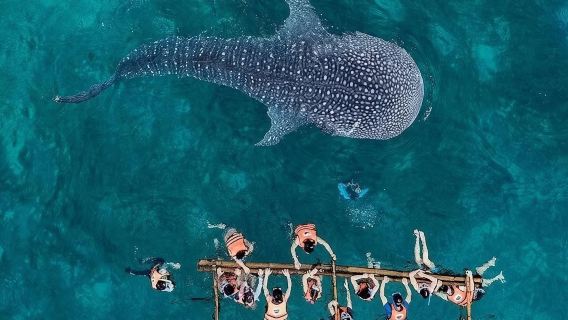 Whale shark experience: observe up close and snorkel alongside these gentle giants.Duration: 11.5 hrsEnglishFree cancellationFromIDR 1,428,572
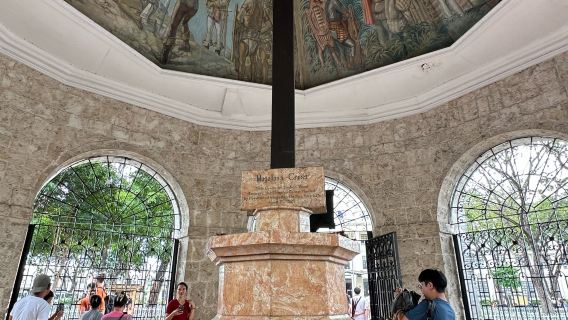 Cebu National MuseumDuration: 5.7 hrsEnglishFree cancellationInstant confirmation4.3/5Good· 3 reviewsFromIDR 1,033,651
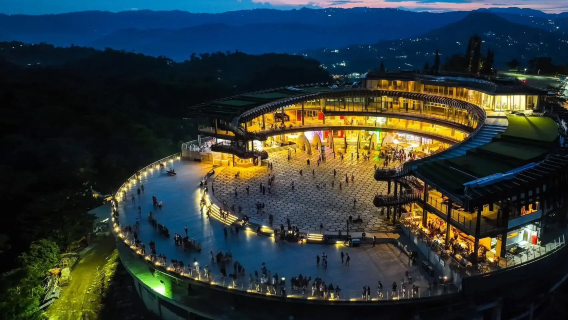 Tops LookoutDuration: 4.2 hrsEnglishFree cancellationInstant confirmationFromIDR 783,069
![Cebu Whale Shark + Kawasan Falls Canyoneering Adventure [Round Trip from Cebu]|Return to Cebu from Bohol Island](https://ak-d.tripcdn.com/images/0351j12000nksis8n7194_C_568_320.jpg?_fr=wc) [Amazing Route] Snorkel to observe the gentle giant whale sharks up close; go canyoning to experience nature's thrillDuration: 11.5 hrsEnglishFromIDR 2,328,043
[Amazing Route] Snorkel to observe the gentle giant whale sharks up close; go canyoning to experience nature's thrillDuration: 11.5 hrsEnglishFromIDR 2,328,043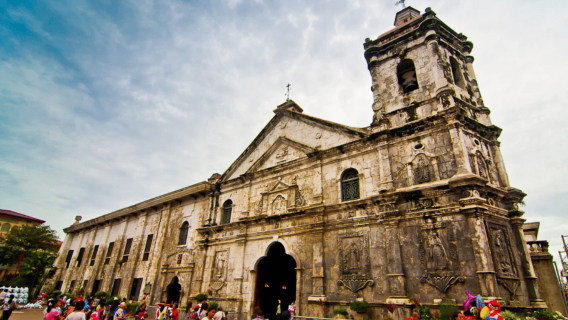 Discover the historical landmarks of Cebu City on a guided tourDuration: 8 hrsEnglishFree cancellation4.0/5Good· 5 reviews5% offLimited-time saleFromIDR 614,682IDR 647,034
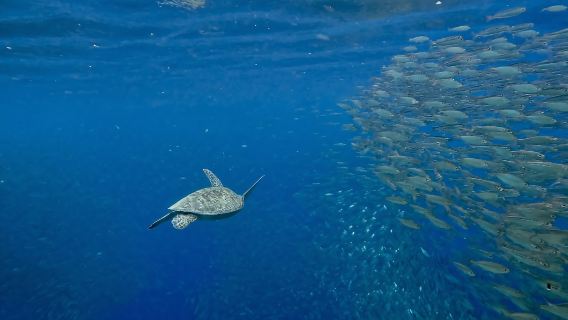 Swim or snorkel beside the gentle giants of the sea in their natural habitat in just meters away!Duration: 14.5 hrsEnglishFree cancellationInstant confirmation5.0/5Excellent· 1 review· 22 bookedFromIDR 1,691,429
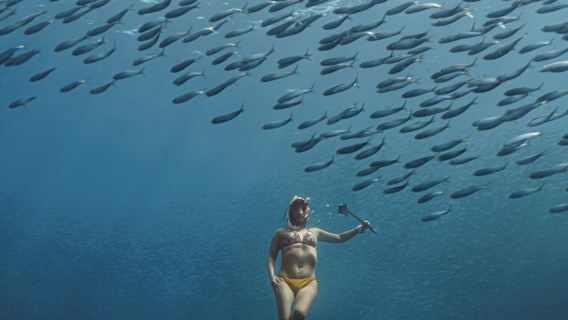 Sardine RunDuration: 10.3 hrsEnglishFree cancellationInstant confirmationFromIDR 939,683
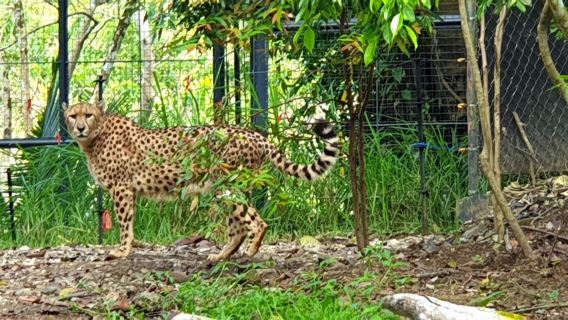 Wildlife EncountersDuration: 10 hrsEnglishFree cancellationInstant confirmation4.5/5Excellent· 2 reviews· 21 bookedFromIDR 1,252,911
 Discover Bohol's top sights on a day trip from Cebu, including the iconic Chocolate Hills.Duration: 11 hrsEnglishFree cancellationInstant confirmation4.0/5Good· 1 review· 36 bookedFromIDR 1,722,752
Explore top experiences
See what other travellers love, based on ratings and bookings
Frequently asked questions about Cebu City Day tours
How many Day tours are available in Cebu City on Trip.com?
What are the best Day tours in Cebu City?
What are the top-rated Day tours in Cebu City?
What are the recommended itineraries in Cebu City?
How can I contact Trip.com customer support?
Can I change or cancel my booking?
How can I get discounted prices?
Reviews/Trip Moments
Trip.com Picks
Popular Products
Popular Activities


About







of the year 2025



Site Operator: Trip.com Travel Singapore Pte. Ltd.