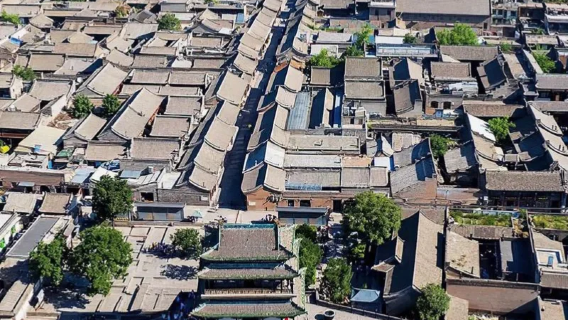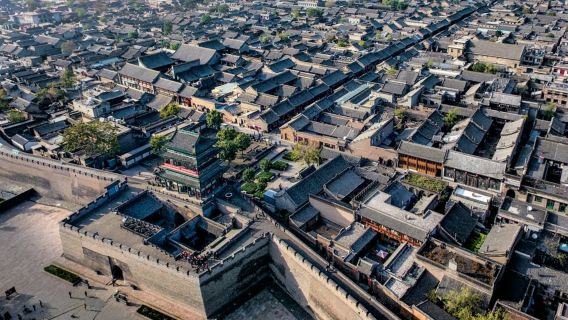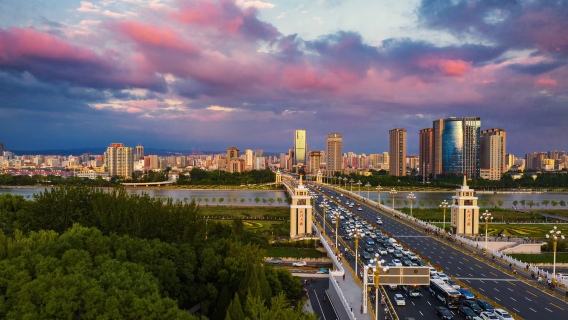
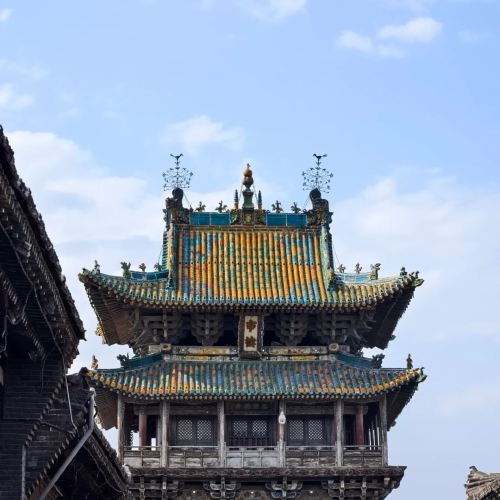

▲ Pingyao Ancient City is located in Pingyao County, Jinzhong City, Shanxi Province. It is one of the four best-preserved ancient cities in China and the only example in the country where an entire ancient city was successfully inscribed as a UNESCO World Heritage Site (listed in 1997). Established during the reign of King Xuan of the Western Zhou Dynasty (827-782 BC), this ancient city has withstood over 2,700 years of history while maintaining its Ming and Qing-era street layout, architectural style, and vibrant local life. Covering an area of 2.25 square km, the city currently houses 134 immovable cultural relics, including 19 nationally protected key cultural heritage sites, earning it the reputation as a "living museum of ancient Chinese cities."
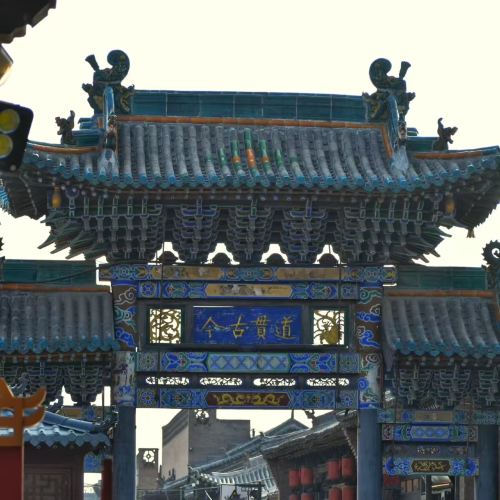

▲ The ancient city is uniquely designed in the shape of a turtle — with the South Gate as the head, the North Gate as the tail, the four gates on the east and west sides as the legs, and the four main streets, eight smaller streets, and seventy-two winding alleys within the city resembling the intricate patterns on a turtle's shell. This layout not only embodies the ancient Chinese philosophy of "harmony between man and nature" but also provides strong defensive capabilities. Today, the city is still home to 42,000 residents, where traditional shops, handicraft workshops, and modern cultural tourism services coexist harmoniously, allowing every visitor to immerse themselves in the unique atmosphere of this "millennium-old city that never sleeps."
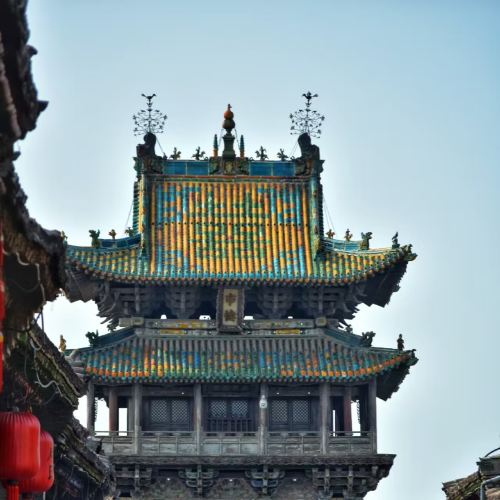

▲ South Street, also known as "Ming-Qing Street," is the core commercial thoroughfare of the ancient city. Stretching over 400 meters from Chenghuangmiao Street in the north to Yingxun Gate in the south, it was once a hub for Shanxi merchants during the Ming and Qing dynasties. Today, it retains numerous traditional shops, such as "Bushengzhai" selling Pingyao beef, "Yonglonghao" specializing in lacquerware, and "Changshengyuan" offering traditional pastries. The buildings lining the street are mostly two-story brick-and-wood structures with shops in front and residences in the rear, featuring upturned eaves and adorned with red lanterns. Strolling here feels like stepping back into the bustling commercial streets of the Ming and Qing eras, where visitors can savor authentic Shanxi snacks and purchase unique handicrafts, making it the perfect place to experience the vibrant atmosphere of the ancient town.
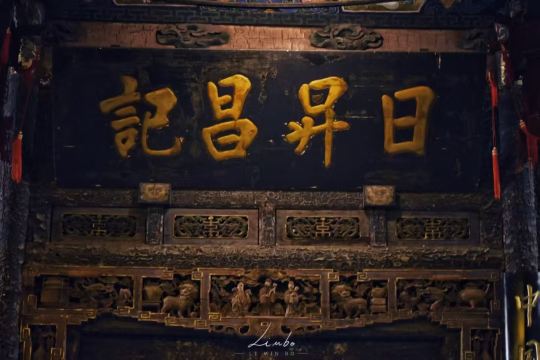
▲ Rishengchang Exchange Shop: The "Pioneer" of Modern Chinese Banking Located on West Street in the ancient city, Rishengchang Exchange Shop was founded in the third year of the Daoguang reign (1823) by Pingyao merchant Lei Lütai. It was the first private financial institution in China specializing in deposits, loans, and remittances. At its peak, it operated 35 branches across the country, serving much of China and even extending to Korea, Japan, and Russia. The preserved site features a three-courtyard complex: the front courtyard housed the business hall, the middle courtyard contained the accounting office and manager's workspace, and the rear courtyard served as the living quarters for employees. The plaque inscribed with "Financing the World" still shines brightly today. Exhibits such as Qing-era remittance notes, ledgers, and seals displayed in the exhibition hall vividly recreate the sophisticated system of ancient financial operations, earning it the title of "Ancient Chinese Financial Museum."
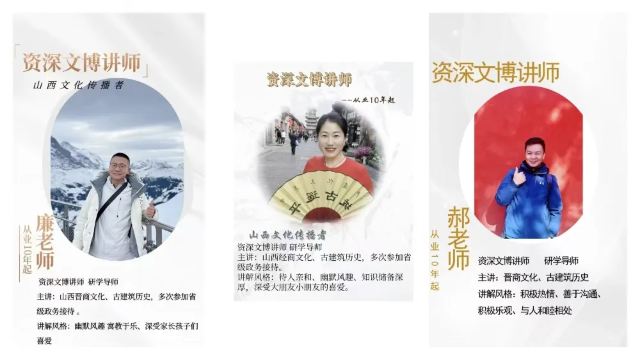
▲ Professional guide service available online


▲ Earphones provided throughout the tour