

View all 20 photos
Soong Ching Ling Memorial Residence In Shanghai + Wukang Mansion + Wukang Road 2 hr Chinese/English live guide
4.9/5
Excellent(111 reviews)
700+ bookedJoin-in tour/Private tour
Meet at meeting point/Pick-up available
Cancel anytime
From
US$44.36
per person
Select package
Highlights
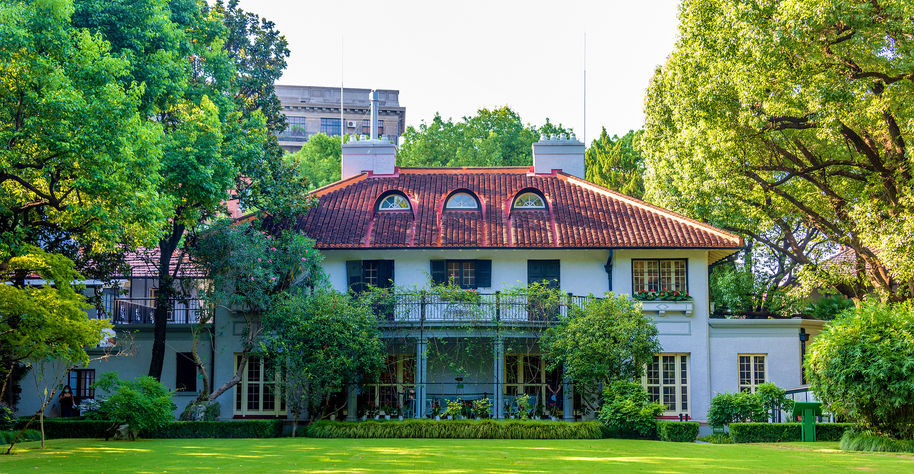
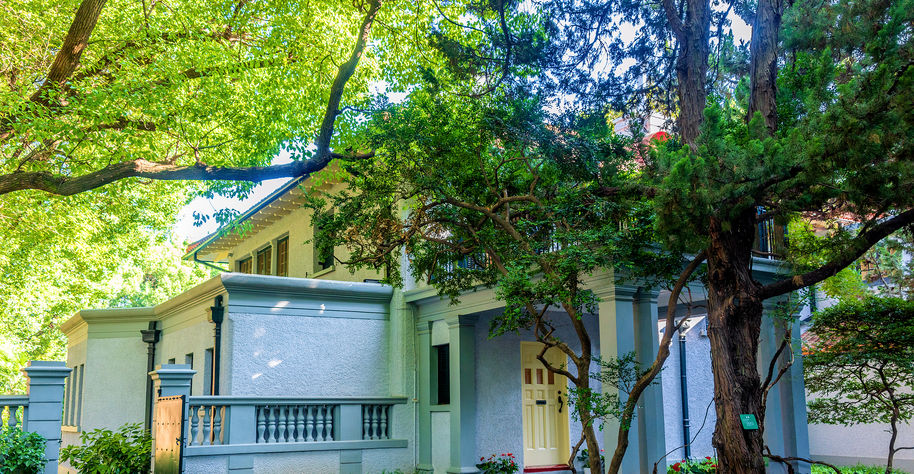
Immersive cultural experience with expert insights into exhibits and artifacts; 1.2 km area featuring 51 historic buildings; blending art with local life.
15-person premium small group: Strictly controlled group size, with headsets provided throughout the tour to ensure noise-free communication, enhancing listening clarity and interaction depth.
Unveil the secrets of design and share photography tips.

Package and price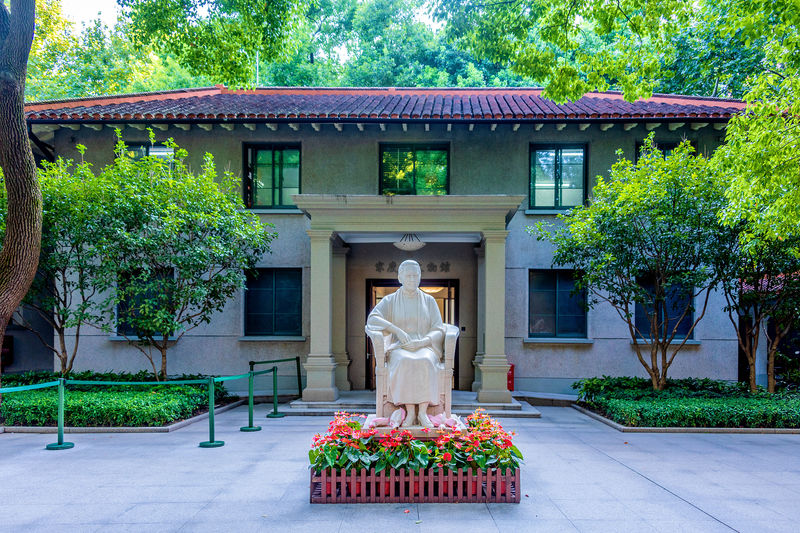
Date of use
2026-10-21
2026-10-22
2026-10-23
All
Local timeCurrency: USDPrices shown are the lowest prices for the current date
Package
Join-in tour
Private tour
Join-in tour with English guide and former residence admission ticket (08:00)
FromUS$44.36
Join-in tour with English guide and former residence admission ticket (14:00)
FromUS$44.36
English guide private tour for 1-6 people (08:00)
FromUS$106.52
English guide private tour for 1-6 people (10:00)
FromUS$106.52
English guide private tour for 1-6 people (15:00)
FromUS$106.52
English guide private tour for 7-14 people (08:00)
FromUS$129.68
English guide private tour for 7-14 people (10:00)
FromUS$129.68
English guide private tour for 7-14 people (13:00)
FromUS$129.68
English guide private tour for 7-14 people (15:00)
FromUS$129.68
English private tour for 15-30 people (08:00)
FromUS$242.08
English private tour for 15-30 people (10:00)
FromUS$242.08
English private tour for 15-30 people (13:00)
FromUS$242.08
English private tour for 15-30 people (15:00)
FromUS$242.08
Booking information
FromUS$44.36
per person
Book now
Overview
Departs from Shanghai
Starts at 07:55 and ends at 10:13
Tour guide (English)
Transportation options: Walking
Details
Meet at meeting point
07:55 meet at Shanghai Soong Ching Ling Memorial Residence, Shanghai Details
Shanghai Soong Ching Ling Memorial Residence Details
Enter attraction
Enter attraction
Paid attraction
Entry tickets included
1 hour
Transportation via Walking
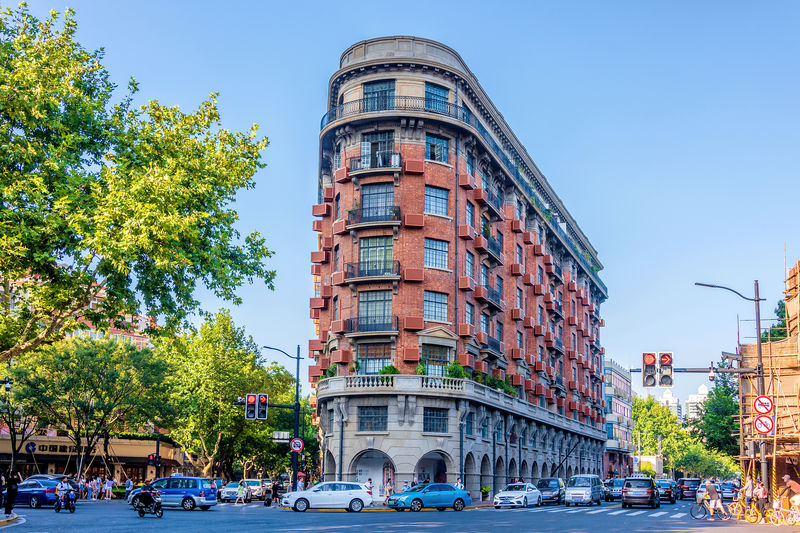
Walk from the Soong Ching Ling Memorial Residence In Shanghai to the best viewing spot of Wukang Mansion.
Walking time: Approx. 5 minutes
Wukang Mansion Details
View from outside
View from outside
Free attraction
Entry tickets included
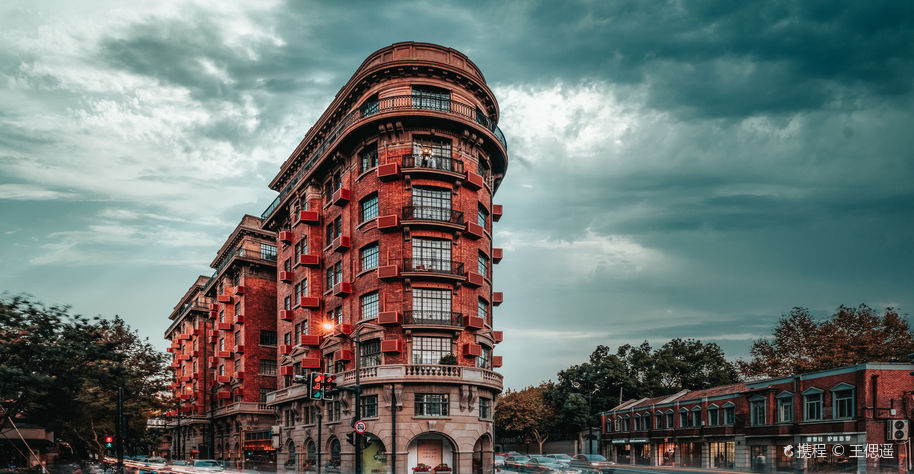
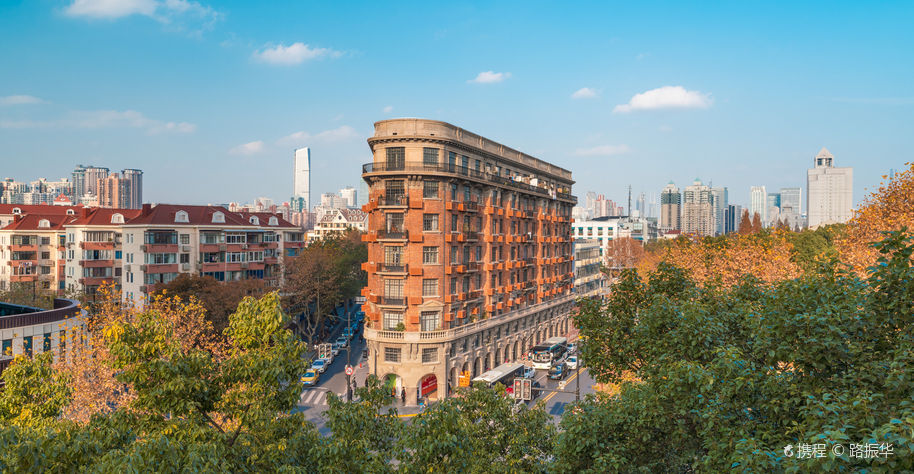
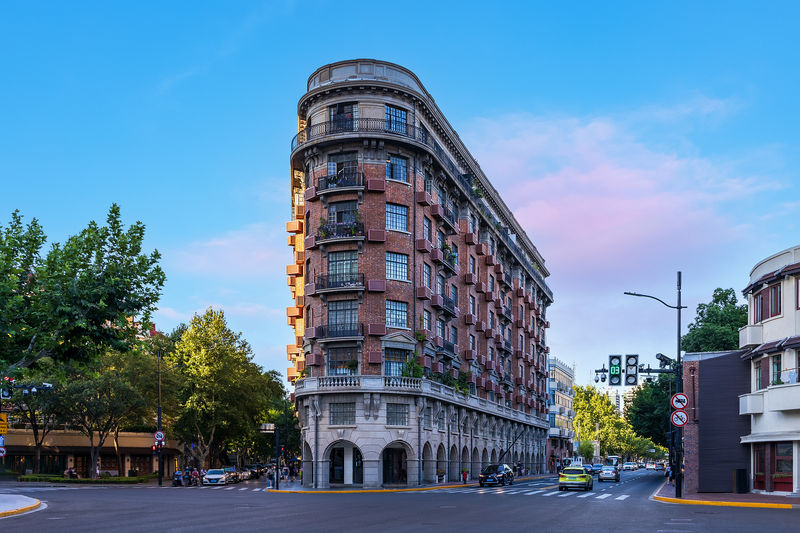
Exterior, photo spot, guide to Wukang Mansion.
10 minutes
Wukang Road Details
Enter attraction
Enter attraction
Free attraction
Entry tickets included
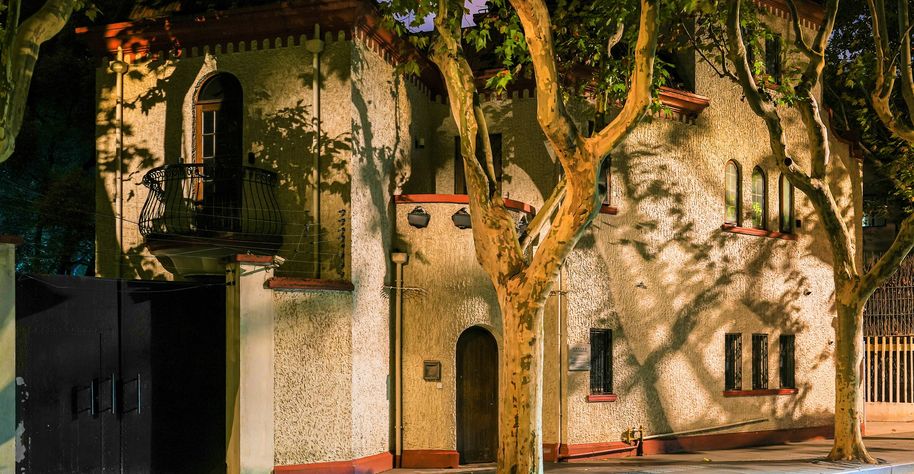
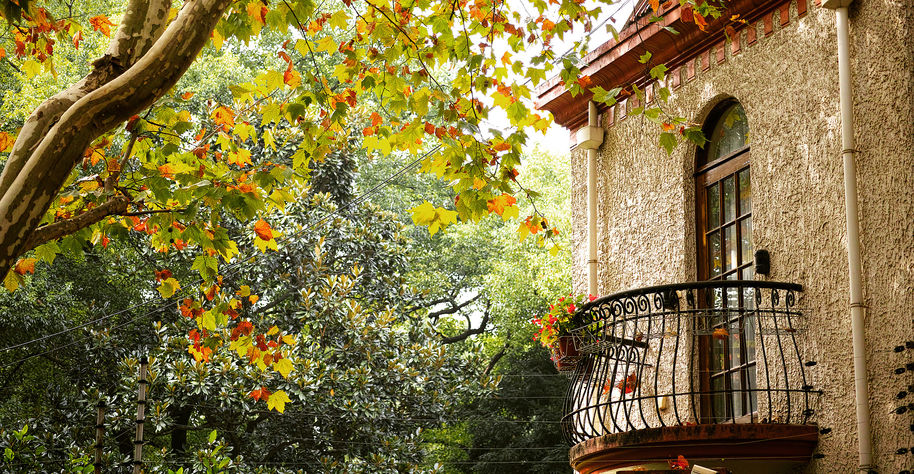
1.2 km brings together 51 historic buildings, including 14 outstanding historic buildings such as the Former Residence of Ba Jin, Former Residence of Huang Xing, Hunan Villa, and Midan Apartment.
55 minutes
Return to designated point
10:13 return to Anfu Road,
The intersection of Anfu Road and Wukang Road.
All times are in local time and may change due to weather, road conditions, or other factors. Thank you for your understanding.
What's included
Trip.com picks
Popular Shanghai Tours
Best Shanghai Experiences
Popular Destinations
Shanghai Natural History Museum + Shanghai Museum East Hall Day Tour: Epic of Life + Folding CivilizationShanghai Private Day Tour+Oriental Pearl TV Tower+Buffet Lunch+Ocean AquariumShanghai's Epic Circus Journey – Through Time, Into WonderShanghai Sihang Warehouse Battle Memorial 1.5-hour Chinese/English guide optionalShanghai Romance Park Day Trip + 5D Immersive Show + Interactive Attractions / Optional Audience Seating or VIP SeatingShanghai Future Tech Discovery – AI & Robotics Half-Day TourShanghai Zhujiajiao Water Town Day Tour+Boat Ride+Local Lunch+Guide and CarShanghai Disney Resort 1-Day Ticket + 6-Premier Access + Dedicated Foreign Language ConciergeShanghai Romance Park Entry + Show Pass Shanghai Xuyan Gongfu Banquet: Tang Warrior Immersive Dinner ShowShanghai Huangpu River night cruise 45-minute highlights tour Shanghai Half-Day English Mini-Group Tour: Yu Garden, City God Temple and The BundShanghai Disney 1-day ticket + 8 premier access passes + exclusive foreign language butler serviceShanghai museum east in-depth guide One-day time travel: Shanghai eternal love performance tour + dynamic "Along the River During the Qingming Festival"
Shanghai Spa & MassageWellness & Spa in ShanghaiShanghai ActivitiesShanghai Costume ExperienceShanghai Cultural ExperienceShanghai Yacht CharterShanghai TransportationShanghai Travel EssentialsShanghai Travel ServicesShanghai Day ToursShanghai SIM CardShanghai Bus TicketsShanghai Airport ServicesThings to do in ShanghaiThings to do in BeijingThings to do in Hong KongThings to do in OsakaThings to do in ZhangjiajieThings to do in SingaporeThings to do in ChongqingThings to do in TokyoThings to do in GuangzhouThings to do in Xi'anThings to do in ChinaThings to do in JapanThings to do in ThailandThings to do in VietnamThings to do in South Korea