



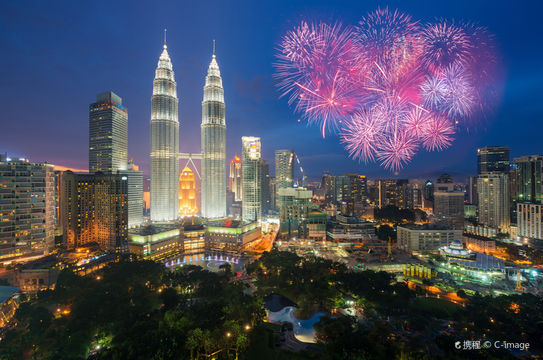
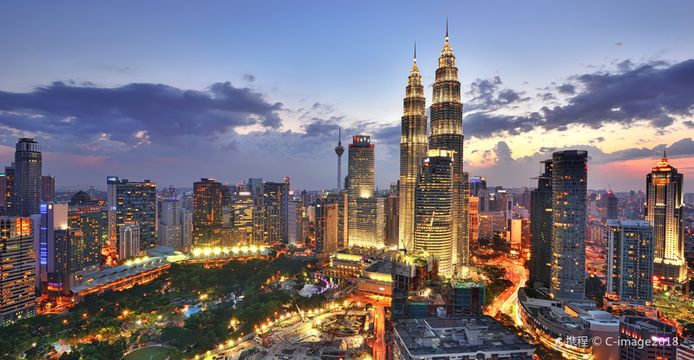
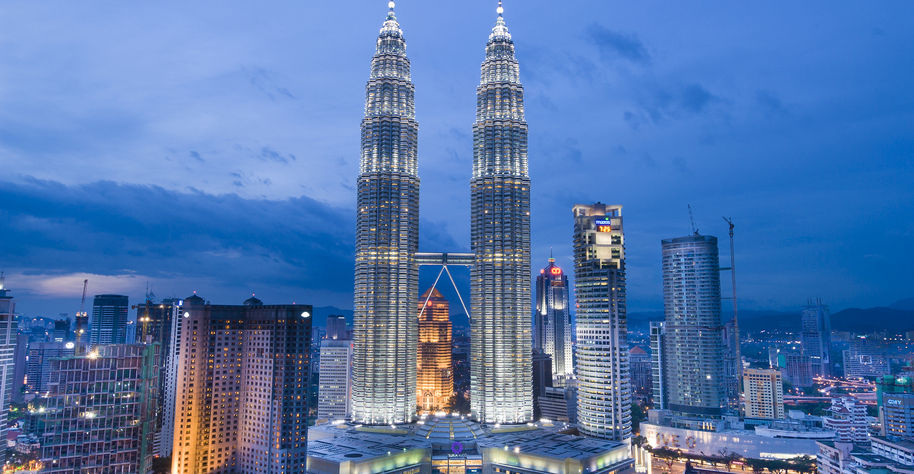

▲ The Petronas Twin Towers, a symbol of Malaysia, are located in the heart of Kuala Lumpur. These 88-story modern Islamic-style twin towers stand at a height of 451.9 meters. Their unique design is not only visually striking but also reflects Malaysia's cultural diversity. As a world-famous tourist attraction, the Petronas Twin Towers draw countless visitors from around the globe and serve as a major landmark of Kuala Lumpur.


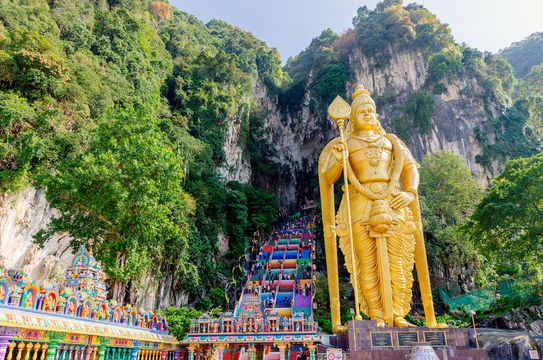
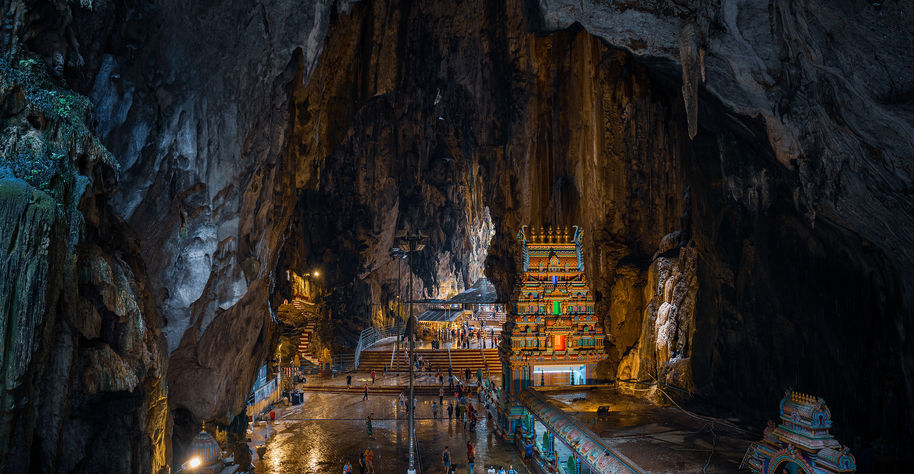
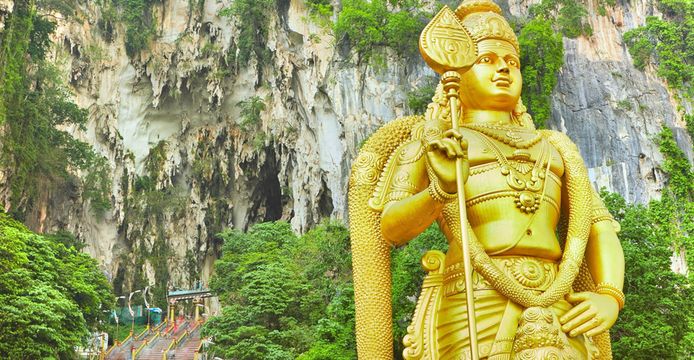
▲ Batu Caves, located in the suburbs of Kuala Lumpur, is a renowned natural attraction and religious sanctuary. This limestone cave system, consisting of three main caves, is famous for housing Hindu temples. Visitors must climb 272 stone steps to reach the cave interior, where they can spot playful macaques along the way. The caves are adorned with Hindu deities, most notably the golden statue of Lord Murugan, one of the tallest Hindu statues in the world. Batu Caves serves as the primary celebration site for Thaipusam, drawing large numbers of devotees and visitors.

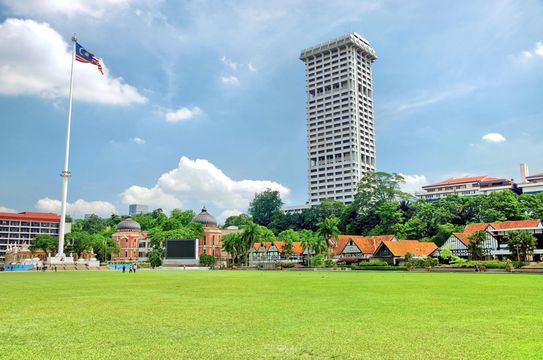
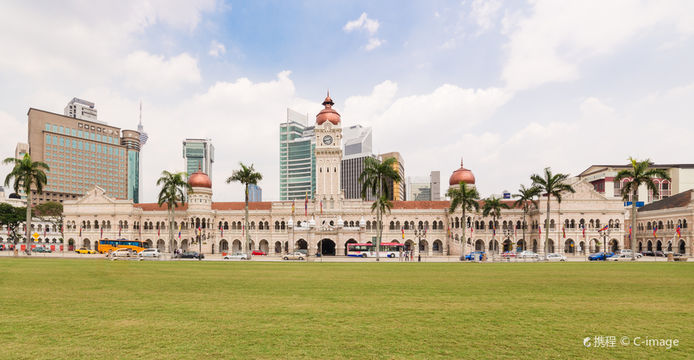
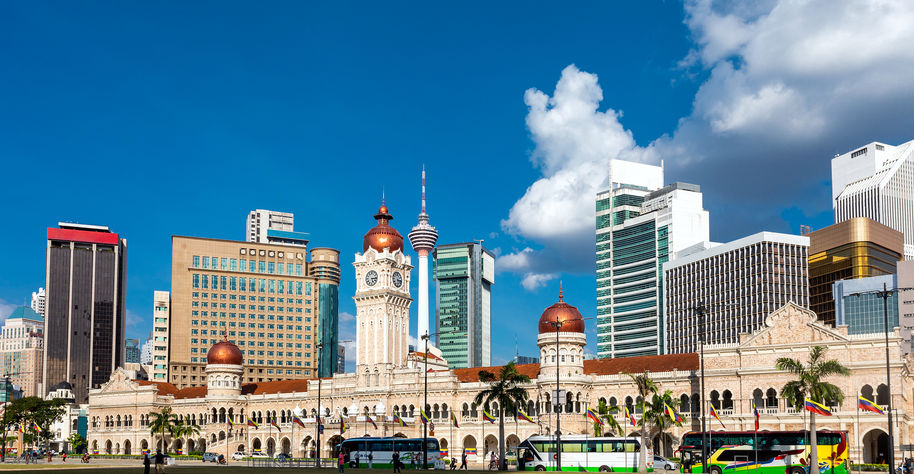
▲ The Kuala Lumpur Clock Tower, officially known as the Sultan Abdul Samad Building, is a historic structure located in the Merdeka Square area of Kuala Lumpur. Built in the late 19th century, it is renowned for its spectacular Moorish architectural style and prominent clock tower, making it one of the city's iconic landmarks. The square beneath the clock tower was the site of Malaysia's Declaration of Independence, where national day activities are held annually. Merdeka Square is a historic venue that once served as a sports field and social gathering place during the British colonial era. In 1957,

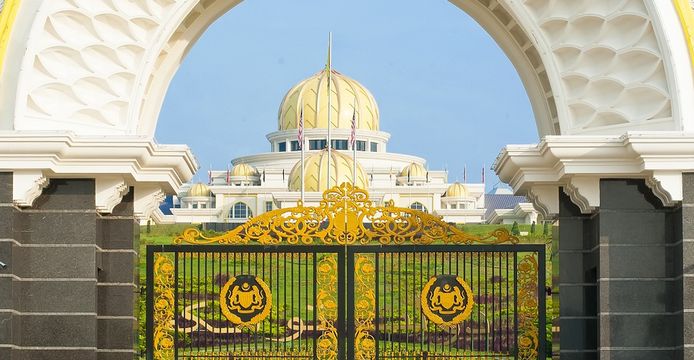
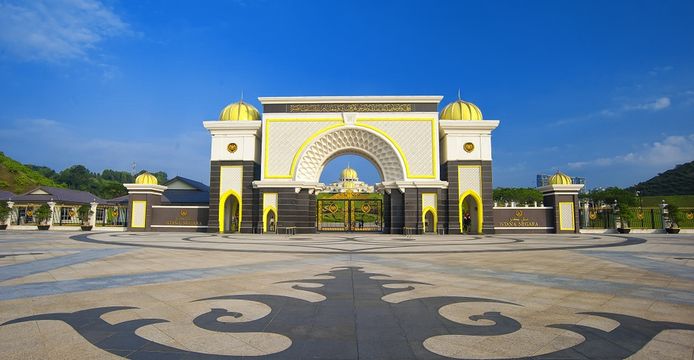
▲ The new Istana Negara is a significant building in Kuala Lumpur, Malaysia, located on Jalan Tuanku Abdul Halim. Since 2011, it has replaced the original Istana Negara as the official palace of the King of Malaysia. The new palace covers an area of approximately 97.68 hectares and is a magnificent architectural complex that blends traditional and modern elements. Inspired by traditional Malaysian palaces, the design of the new Istana Negara features golden roofs and exquisite decorative craftsmanship, while incorporating advanced construction techniques and eco-friendly concepts. It serves as the primary venue for important ceremonies and activities, including the coronation of the King.

▲ The Kuala Lumpur Guandi Temple is located in the bustling city center, where incense has been burning for centuries amidst its red walls and golden tiles. The architecture blends Lingnan style with Southeast Asian features, with carved beams and painted rafters carrying the memories of overseas Chinese communities. The statue of Guan Yu in the main hall is solemn and majestic, where devotees come for quiet contemplation. The wind chimes at the eaves create a delicate contrast with the urban hustle, offering a tranquil oasis in the city. This is not only a place of worship but also a testament to the roots and legacy of Chinese culture abroad, open daily for visitors to experience and reflect.


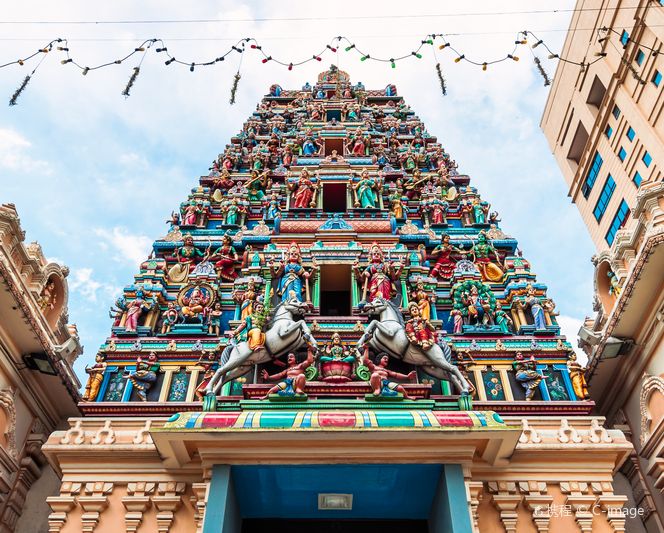
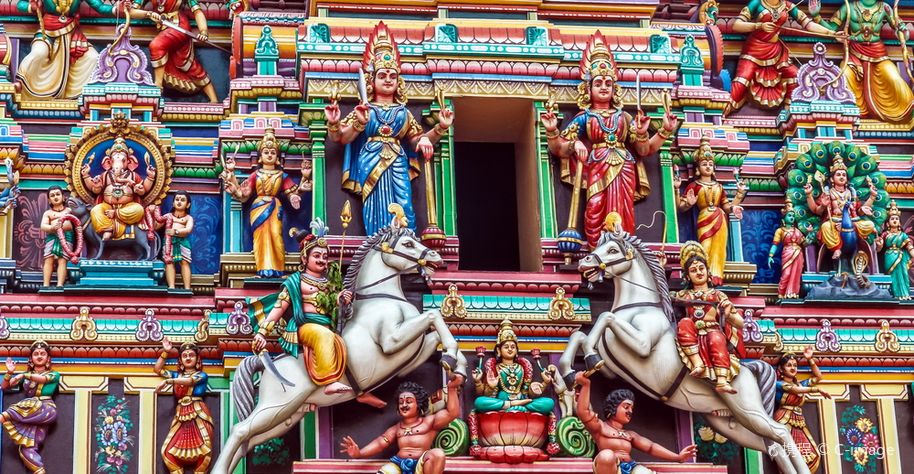
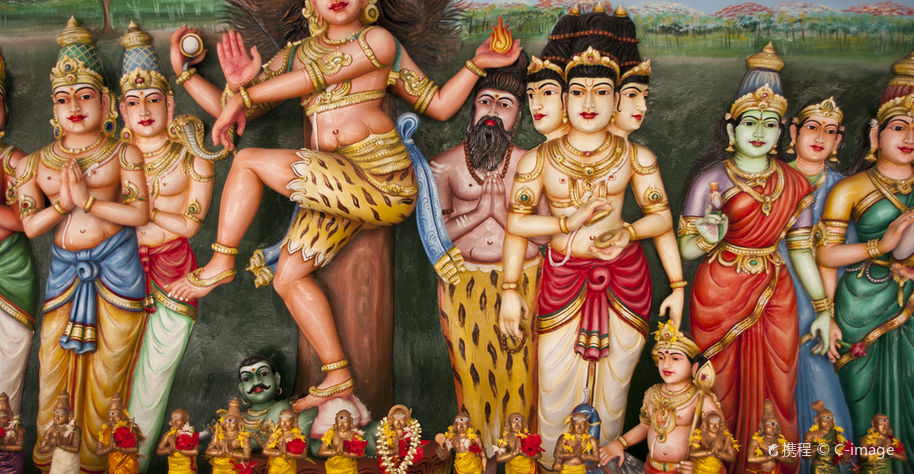
▲ The Kuala Lumpur Sri Mahamariamman Temple stands in the old city, its vibrant gopuram adorned with statues of numerous Hindu deities. The colorful idols and exquisite carvings narrate ancient epics. Between morning bells and evening drums, the air is filled with the scents of sandalwood and jasmine as devotees walk barefoot through the corridors, folding their hands in reverence before the sacred images. This century-old temple is not only the spiritual heart of the South Asian community but also captivates passersby with its unique architectural artistry, becoming a striking landmark in the multicultural landscape. The temple is open daily for visits, and shoes must be removed at the entrance as a sign of respect.

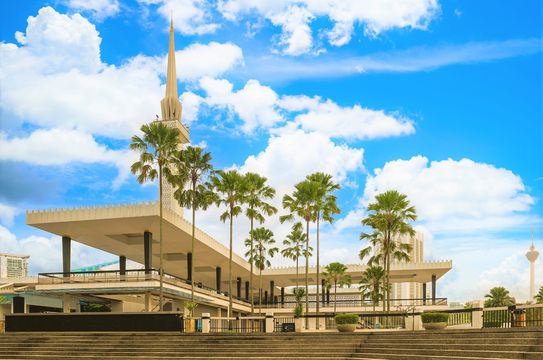
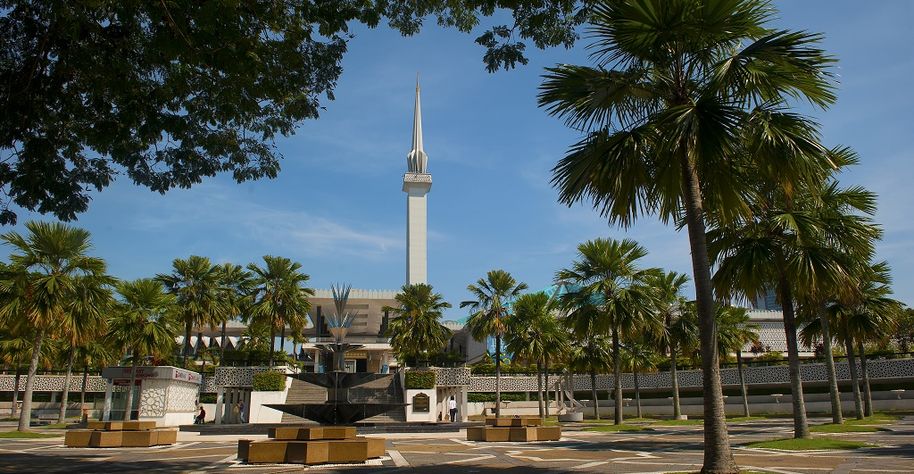
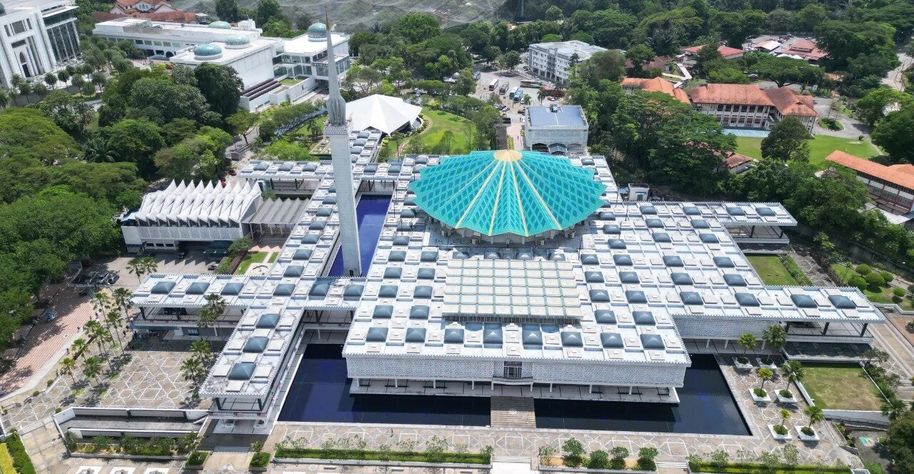
▲ The National Mosque of Malaysia is located in Kuala Lumpur, featuring a distinctive modernist design. Its pristine white dome resembles closed umbrella ribs, symbolizing shelter and unity, while the towering minaret points skyward. Inside the main prayer hall, the perforated star-patterned dome filters sunlight into soft dappled patterns, creating a serene and solemn atmosphere. The surrounding fountain pools reflect Islamic garden aesthetics while infusing the space with a refreshing coolness. As a symbol of Malaysia's Islamic faith, it serves not only as a place for worship and contemplation for believers but also welcomes visitors to experience tranquility in its public areas and learn about the integration of local culture and religion. Modest attire is required for entry.