Nagoa Ash Shatb

Things to do in Nagoa Ash Shatb

Search attractions or local attractions & tours
Search

Explore top experiences

Top 10 attractions in Nagoa Ash Shatb
View all Attractions
Nile felucca dock

Nile felucca dock

5.1

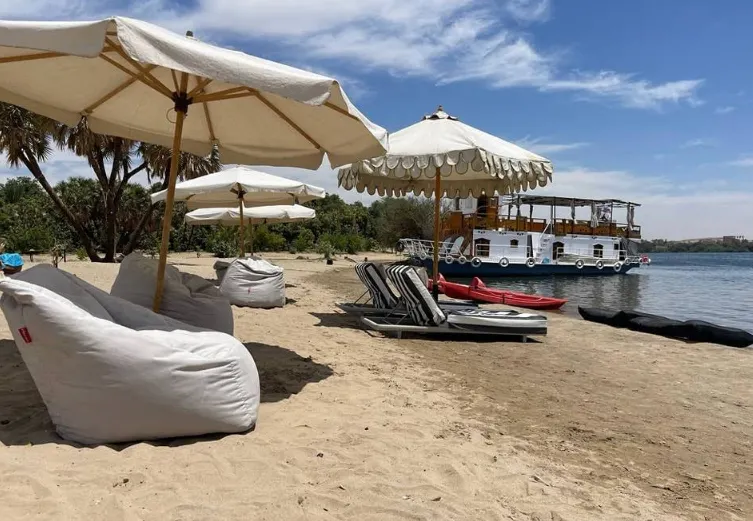
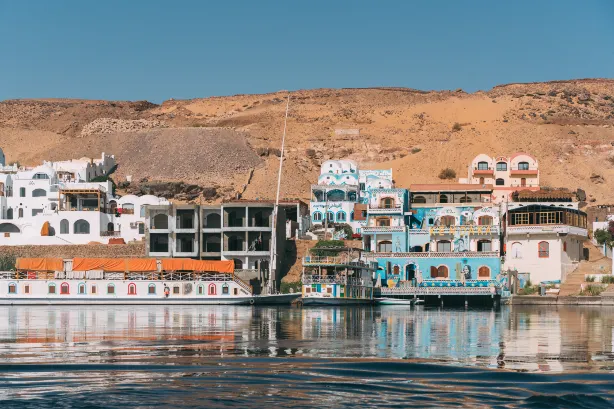
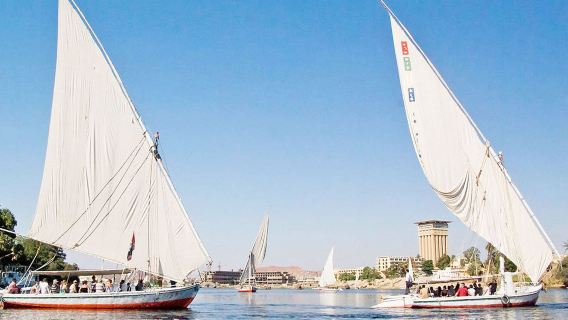
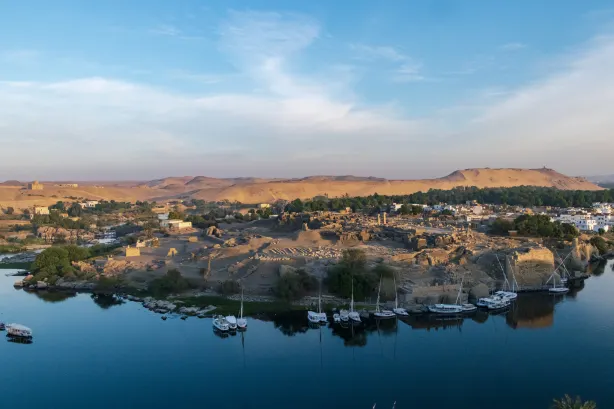
Located on the east bank of the Nile in Daraw, Aswan Governorate, Egypt, this is a riverside pier for docking and boarding traditional KA Felucca sailboats. KA Felucca are traditional wooden sailboats still in use on the Nile today. Equipped with large triangular sails, they rely entirely on wind power, offering a quiet and gentle sailing experience that contrasts sharply with common motorized tour boats. Along the Nile in the Aswan Governorate, the KA Felucca remains a common mode of water transport for both locals and travelers. After boarding at the pier, you can sail downstream along the Nile. This area features a wide river channel and gentle currents, with a striking contrast between the green banks of palms and farmland on one side and barren desert hills on the other. Sandbars and small islands are scattered across the river, and the sight of white sails slowly unfurling in the wind is a common scene on the Nile. Not far to the north of the pier is Kom Ombo, while heading dozens of km to the south leads to downtown Aswan, offering views of the unique landscape as the Nile winds through the desert. Riding a KA Felucca here is more than just a boat trip. It is a way to experience the Nile in an authentic, traditional manner. Without the roar of an engine, there is only the sound of the wind, the water, and the rustling of the sails, with a view of the wide river and the alternating oases and deserts on both banks.

Draw · 11.4km from Nagoa Ash Shatb
Nubian Village Aswan
2027 Africa 50 - Family-friendly Attractions

Nubian Village Aswan

6.8
4.8/5
5 reviews

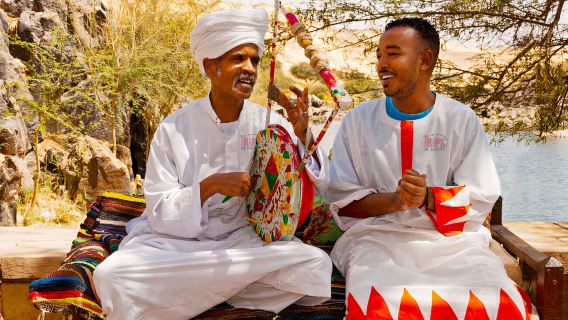
Nubian Village Aswan is located on the west bank of the Nile, across the river from downtown Aswan. The journey to the village is an experience in itself: take a felucca or motorboat from the riverside pier, crossing the waterways near Elephantine Island, which once served as the ancient boundary between Egypt and Nubia, with date palm groves and exposed granite reefs lining the banks along the way. This is a settlement for the Nubian people, many of whose ancestors relocated here due to the construction of the Aswan Dam. Today, the exterior walls of the houses are painted in bright blues, oranges, and yellows, with geometric patterns and murals depicting daily life extending from the walls to the doors and windows, making the entire village look like a spread of color. The village still preserves the Nubian language, music, dance, and hospitality traditions. Camels roam the dirt paths and are available for rides; some families keep crocodiles in their courtyards, continuing the local tradition of raising them, and sometimes you can even see baby crocodiles up close; many families will invite guests into their homes to serve sweet and sour hibiscus tea, offer a taste of home-cooked Nubian meals, and chat about their lives to the rhythm of drums and singing. The small market near the village entrance sells handmade beads, silver jewelry, scarves, and painted pottery, all featuring distinct Nubian patterns. Compared to temples and tombs, this place presents a vivid and lively side of Egypt that is worth slowing down to explore.

Aswan · 43.9km from Nagoa Ash Shatb
Free attraction
Valley of the Kings
2027 Africa 50 - Best Things to Do

Valley of the Kings

8.9
4.5/5
444 reviews

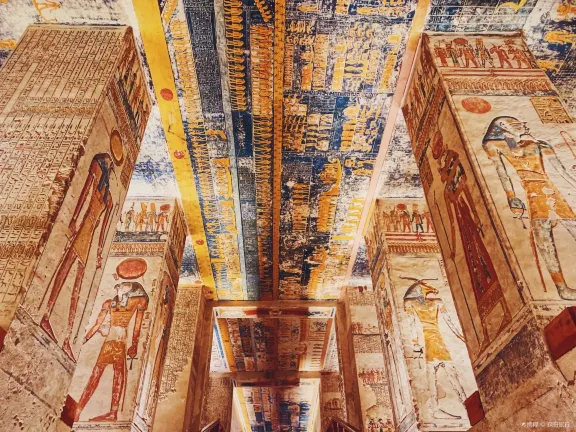
The Valley of the Kings lies on the west bank of the Nile in Luxor, Egypt, and was the royal resting place of ancient Egypt's New Kingdom. Over nearly five hundred years, from the Eighteenth Dynasty to the Twentieth Dynasty, pharaohs and nobles were buried in tombs cut into the cliffs; more than sixty tombs have been discovered to date, arranged under "KV" numbers, with the royal tombs mainly clustered in the East Valley, while the West Valley is more secluded. The tomb murals are the real highlight here: the corridors and the walls and ceilings of the burial chambers are covered with scenes from religious texts such as the Book of the Dead and the Book of the Underworld, and the pigments remain vivid after more than three thousand years. Tutankhamun's tomb became famous after archaeologist Howard Carter discovered a large trove of burial treasures there in 1922, and the pharaoh's mummy still rests in a temperature-controlled glass display case in the burial chamber; the tomb of Ramesses III is grand in scale with well-preserved painted decoration; the ceiling of the tomb of Ramesses VI depicts the sky goddess Nut stretching across the entire chamber; and the painted corridor of the tomb of Seti I is especially exquisite. Visiting tips: there is almost no shade in the valley, and afternoons are hot, so going in the early morning is more comfortable; a small electric shuttle runs between the entrance and the main cluster of tombs, saving you the walk. Most tomb entrances are inconspicuous openings in the cliffs, lined up along the path; slow down and take note of the hieroglyphs and images of the gods in the murals, and you will notice far more detail. Visitors with plenty of energy can also follow the ridge path up for a panoramic view over the whole valley; the peak of Al-Qurn above, shaped like a natural pyramid, is one of the reasons the ancient Egyptians regarded this valley as a sacred place.

Egypt · Qesm Al Wahat Al Khargah
From US$52.58
Luxor Temple
2027 Global 100 - Night Attractions

Luxor Temple

8.7
4.5/5
245 reviews

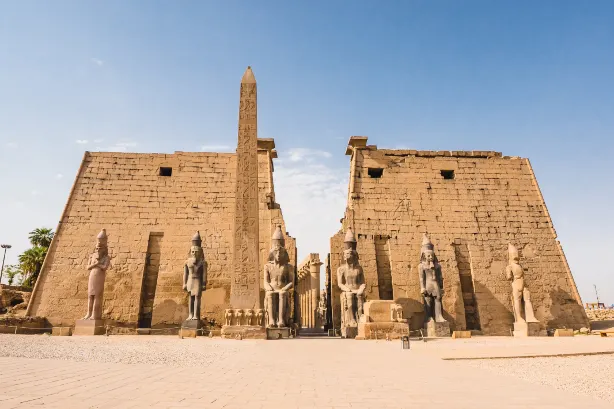
Luxor Temple is located on the east bank of the Nile in the city of Luxor, forming a north-south counterpart to Karnak Temple. It was a worship site built during the New Kingdom period of ancient Egypt for the "Theban Triad"—Amun, Mut, and Khonsu. In ancient Egyptian, it was called the "Southern Sanctuary" and is often referred to as the "Southern Harem of Amun." The main structure of the temple was constructed by Pharaoh Amenhotep III of the 18th Dynasty, while the pylon, forecourt, colossi, and obelisks at the entrance were added by Ramses II. Later pharaohs like Tutankhamun continued to add reliefs, and during the time of Alexander the Great, the rear sanctuary was rebuilt. A single temple thus layers over a thousand years of construction history. At the entrance still stands a granite obelisk of Ramses II, while its paired counterpart crossed the ocean as early as the 19th century and now stands in Paris's Place de la Concorde. The seated statue of the pharaoh in front of the pylon, the grand colonnade, and the sun court of Amenhotep III unfold layer by layer. The reliefs on the colonnade walls vividly depict the procession of the Opet Festival—during the Nile flood season in ancient Egypt, the statue of Amun was ceremoniously transported from Karnak Temple to here. The avenue of sphinxes in front of the temple gate was precisely the sacred path for this ritual. After years of archaeological restoration, this nearly three km-long avenue has been reconnected, and today, visitors can walk the round-trip route between this temple and Karnak Temple. In one corner of the temple stands a still-functioning mosque built atop the ancient pillars, sharing the same courtyard with the pharaonic-era pylon. When illuminated at night, the pillars, colossi, and minaret form a highly recognizable nightscape in Luxor.

Egypt · Luxor
From US$60.10
Karnak
2027 Africa 50 - Best Things to Do

Karnak

8.6
4.6/5
522 reviews

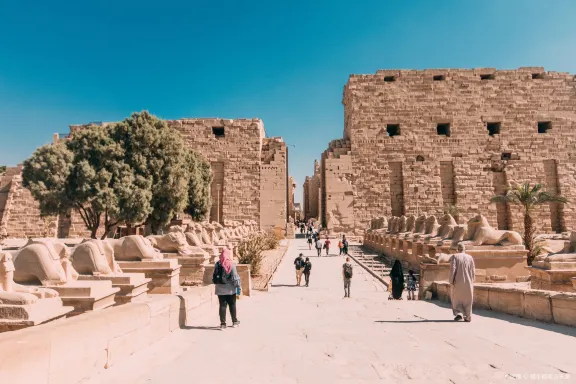
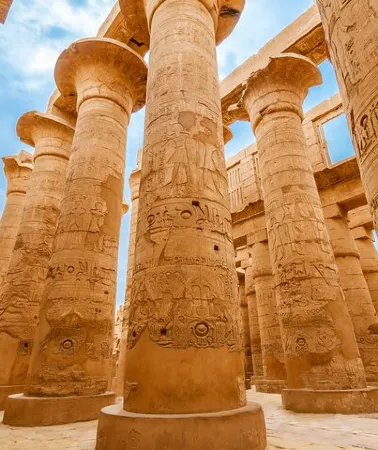
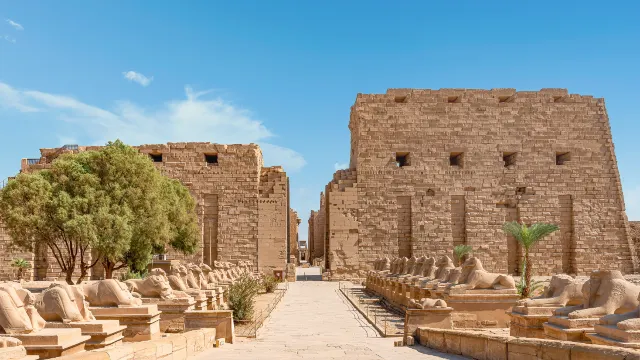
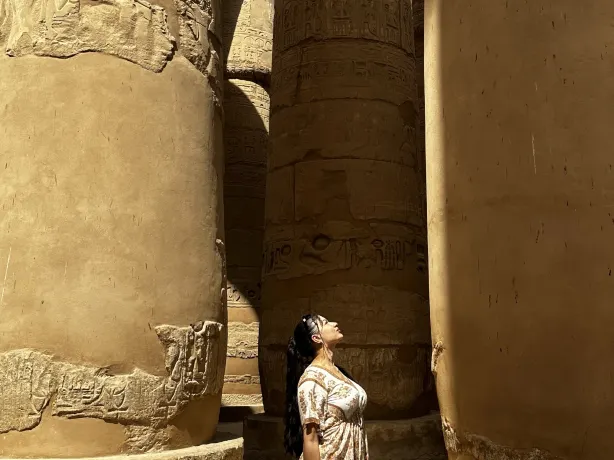
Karnak is located in Luxor on the east bank of the Nile. It is a massive ancient Egyptian temple complex and the core religious area of the ancient city of Thebes. Construction of the entire complex began during the Middle Kingdom (around 2000 BC) and continued through the New Kingdom and into the Ptolemaic period. About thirty pharaohs successively participated in its expansion and decoration, with construction lasting nearly two thousand years—an exceptionally long building period rarely seen in ancient human architecture. The complex is divided by enclosure walls into several main areas, of which the larger and better-preserved part is dedicated to Amun-Ra, the chief of the Theban gods; the northern area is dedicated to the war god Montu, and the southern area to the goddess Mut—companion of Amun-Ra, symbolized by the vulture. Numerous small temples and chapels are also scattered among the areas. Lining the processional way leading to the temple pylons are ram-headed sphinx statues; this ceremonial road once extended all the way to Luxor Temple to the south, a total distance of about 3 km, and was an important religious processional route in ancient Thebes. The core structure of the temple is the Hypostyle Hall, covering several thousand square meters and supported by more than a hundred massive stone columns, with the central colonnade reaching over twenty meters in height, its shafts covered with reliefs and painted decoration. Light enters the hall through high windows, falling among the dense forest of columns and creating a solemn and deeply atmospheric sense of space—one of the most impressive sights of Karnak. The complex also contains a large obelisk erected by Queen Hatshepsut and a sacred lake used for ritual purification. Many murals, reliefs, and statues record the military campaigns and ritual scenes of successive pharaohs, making them important physical materials for understanding ancient Egyptian religion and royal culture. Due to their great age, as well as human and natural erosion, many parts of the temple were once severely damaged. Through long-term archaeological excavation and restoration, large numbers of stone elements have been repositioned and reassembled, revealing the appearance seen today. When visiting, you can enter through the massive pylon at the entrance and follow the central axis past the Hypostyle Hall, the obelisk, and the sacred lake in turn, taking note of the well-preserved painted reliefs on the column capitals and walls.

Egypt · Luxor
From US$60.10

Experiences you can't miss in Nagoa Ash Shatb

Featured Culture & history in Nagoa Ash Shatb

View all Culture & history
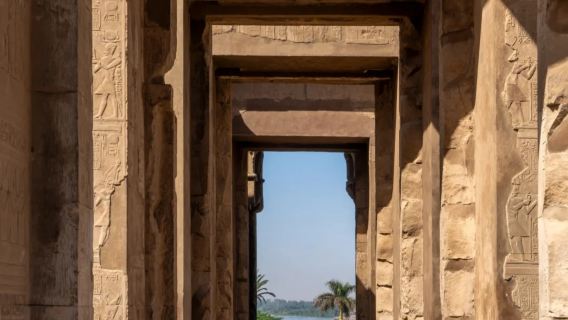
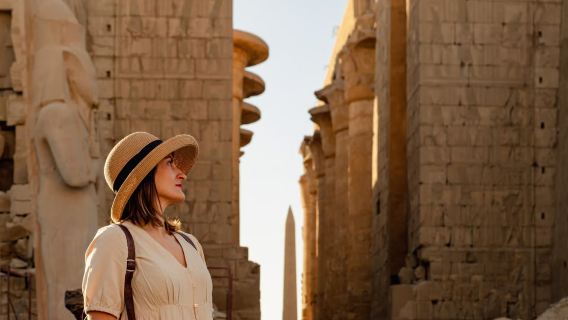
Tour from Aswan to Luxor in Egypt [Kom Ombo + Esna + Horus] temple
󱌍
FromUS$195.30
Luxor Full Day Private Tour To Aswan
󱌍
Duration: 4 hrs
English
Free cancellation
FromUS$285.87
Journey into Ancient Egypt: Gods, Kings & Temples
󱌍
FromUS$1,443.34
Luxor Full Day Tour visit Edfu Kom Ombo Temples
󱌍
Duration: 6 hrs
English
Free cancellation
FromUS$178.48
Aswan 1-day tour Nubian village + dam + Philae Temple guide + private car + lunch + admission ticket
󱌍
FromUS$145.00
Aswan Sightseeing Tour: Philae Temple, High Dam & Obelisk
󱌍
Duration: 5 hrs
English
Free cancellation
FromUS$60.39
Aswan Private Day Tour to Nubian Village
󱌍
Duration: 3 hrs
English
Free cancellation
Book now for tomorrow
FromUS$62.02
Aswan Classical: Philae Temple, High Dam & Obelisk from Luxor
󱌍
Duration: 10.5 hrs
English
Free cancellation
FromUS$73.26

Featured Day tours in Nagoa Ash Shatb

View all Day tours
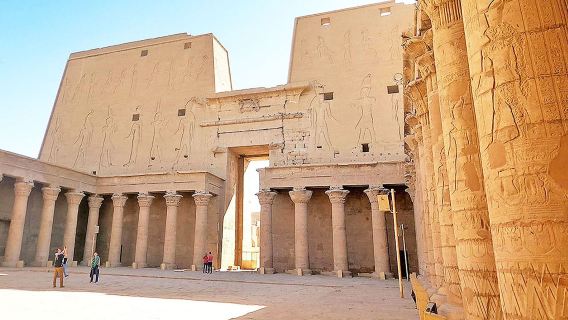
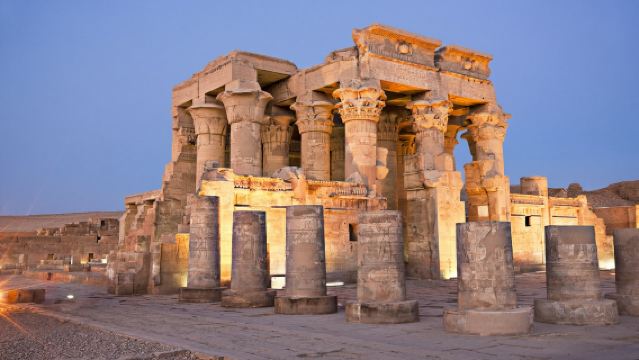
Kom Ombo & Edfu Temple Tour: Discover Ancient Egyptian History
󱌍
FromUS$75.00
Aswan Double Temples Day Tour from Luxor | Private Transfer | Minimum 2 Travelers
󱌍
FromUS$367.23
Sunset Sailing on the Nile by Felucca from Luxor
󱌍
Duration: 45 mins
English
Free cancellation
FromUS$21.73
Philae Temple from Aswan (Excluding Entrance Fees)
󱌍
Duration: 2 hrs
English
Free cancellation
FromUS$27.48

More things to do

Free things to do in Nagoa Ash Shatb
What travellers say about Nagoa Ash Shatb

user-avatar
YoYo_0T9A3B0L16 June 2025
5.0
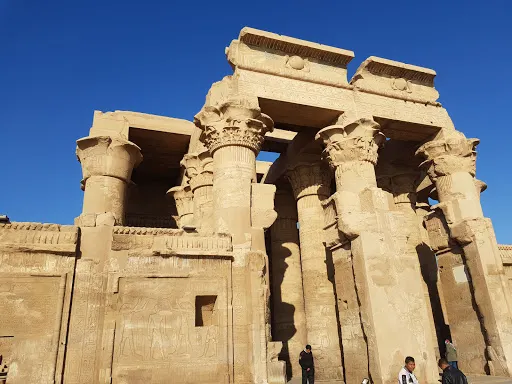
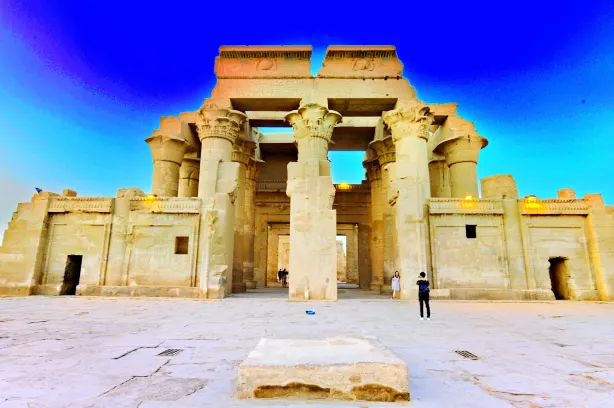
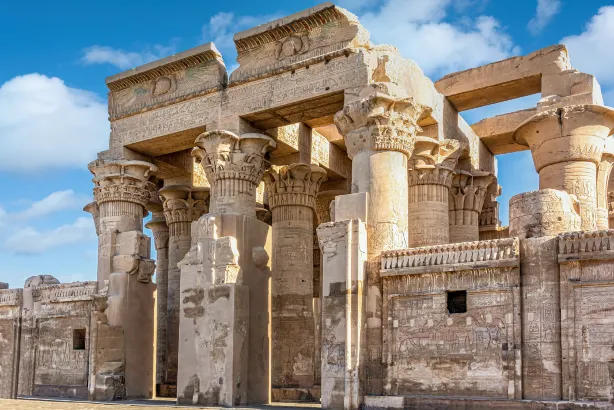
✨🏺探秘埃及的时空之门——康翁波神庙🏺✨🌟古老的尼罗河畔,坐落着一座见证千年风雨的神庙——康翁波神庙。这里不仅是虔诚的祭祀之地,更是历史的低语与现代的交汇点。🌌🐬步入其间,仿佛能听见历史在耳畔细语,每一块石头,每一道铭文,都诉说着古埃及的辉煌与神秘。📜🌥穿梭在这些伫立千年的柱子间,感受阳光透过缝隙,在地面上绘出时间的图案。每一束光,都是对过去致敬的诗行。🍃📸不妨让镜头捕捉这一刻,让康翁波神庙成为你旅途中最独特的风景,将这份古老与神秘永远定格在你的记忆中。📷

Kom Ombo Temple

user-avatar
我是水晶24 October 2020
4.0
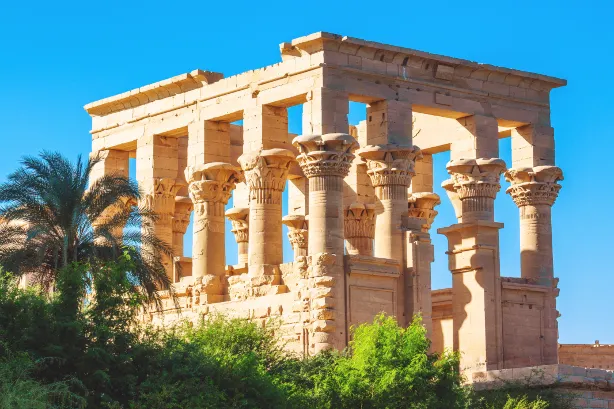
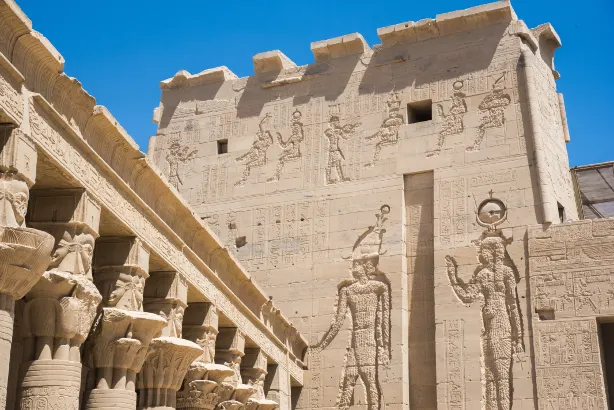
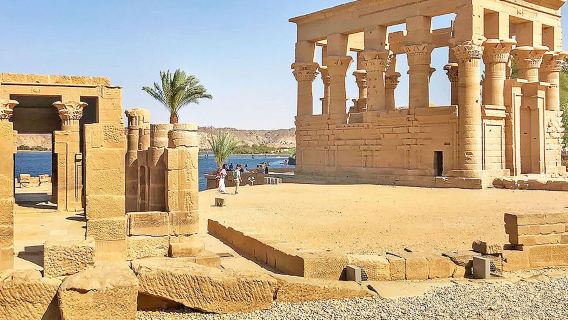
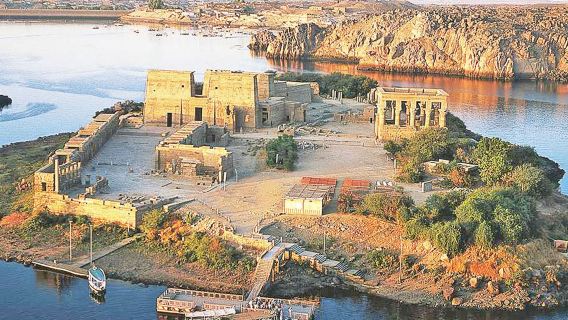
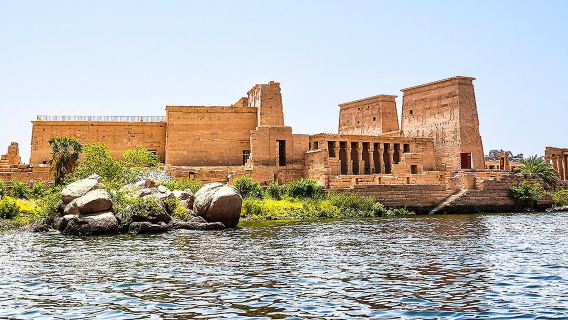
The Philae Temple is located in Aswan, Egypt. It was built on Philae Island in the Nile River south of Aswan City. It is dedicated to the goddess of love Isis. The Philae Temple complex you see today is not in its original location. After the Aswan Dam was built to store water, the temples were almost completely submerged. Since 1972, the Egyptian government has built a cofferdam around the temples to drain the river water in the cofferdam, and then dismantled the temples into more than 45,000 stones and more than 100 stone columns, and moved them to Aeglica Island, 500 meters north of Philae Island, as they were, and later opened them to the world.

Philae Temple

user-avatar
误虚醉9 October 2023
5.0
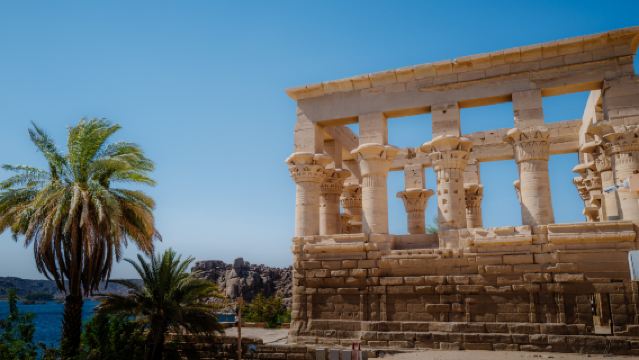
The Philae Temple on Agilkia Island was originally located on Philae Island, a small island in the shallows of the Nile River. After the British built the Nile Low Dam in 1902, the Philae Temple was submerged for several months every year. With the construction of the Aswan High Dam, the Philae Temple would be forever submerged. For this reason, the temple was moved as a whole to the nearby Akilkiia Island. Akilkia Island was not big enough, so it was deliberately expanded a little so that the temple could be rebuilt in its original form.

Agilkia Island

user-avatar
Gully2 September 2023
5.0
Nubian village is a must stop in Aswan. Across the Nile River from main town, it has a completely different feel from Egyptian cities. The people are incredibly friendly. Be sure to get a snack or two while you are there as well.

Nubian Village Aswan

user-avatar
yovela7 March 2023
4.0
very walkable, shops are very expensive but the tickets etc are pretty cheap, especially if you are a student

Valley of the Kings

user-avatar
Sadman Aayan23 September 2025
5.0
Luxor Temple 🏛️ – The Living Legacy of Ancient Thebes is a mesmerizing testament to Egypt’s rich history. ✨ Located in the heart of Luxor, this temple was a center of religious and political life for millennia. Its grand pylons, towering statues, and intricately carved walls tell stories of pharaohs, gods, and ancient ceremonies. 🌞 Visiting at sunrise or sunset enhances the magic, as the temple glows in golden light. 🌟 Walking through its majestic halls, you can feel the spirit of Thebes come alive. Luxor Temple is not just a site—it’s an unforgettable journey into the grandeur of ancient Egypt. 🏺

Luxor Temple

user-avatar
朱朱Hello24 September 2026
5.0
Karnak Temple, located on the east bank of the Solo River in Luxor, Egypt, is the world's largest ancient temple complex, dedicated to the sun god Amun-Ra. The most spectacular part is the Great Hypostyle Hall, with its 134 massive sandstone columns. Standing beneath them is a truly awe-inspiring experience, as if stepping back in time. To explore, simply follow the central axis. Inside, there's also the Scarab Stele; it's said that turning it seven times clockwise brings good luck. The Hatshepsut Obelisk is the tallest surviving obelisk in Egypt. The Avenue of the Rams leads directly to Luxor Temple. Karnak Temple is undoubtedly one of the must-see attractions for any traveler to Egypt.

Karnak

user-avatar
水漫三楼20 February 2026
4.0
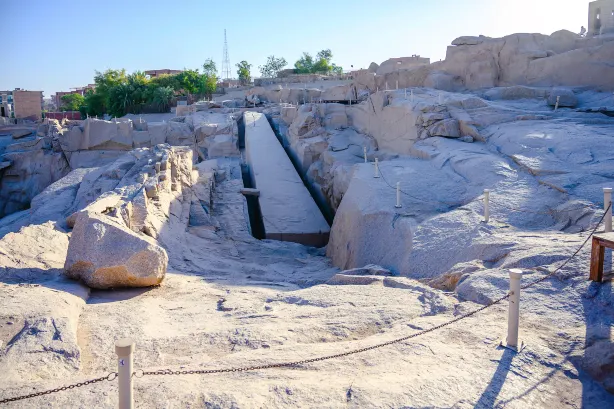
In ancient Egypt, obelisks served various purposes and functions. While most were monuments to Ra, the sun god and one of the most revered deities of ancient Egypt, some were also dedicated to famous Egyptian kings and queens. The unfinished obelisk is the largest known ancient obelisk. It is located in the northern part of an ancient stone quarry in Aswan, Egypt. It is said that the construction of this obelisk was commissioned by the female pharaoh Hatshepsut. In terms of size, this structure surpasses, in some respects, the largest obelisk ever built in Egypt. If completed, the obelisk may have reached a height of 41.8 meters and weighed approximately 1200 tons.

Unfinished Obelisk

Trip Moments in Nagoa Ash Shatb

Frequently asked questions

What are the must-do things in Nagoa Ash Shatb?

Don't miss these attractions in Nagoa Ash Shatb: Kom Ombo Temple, Nile felucca dock, and Crocodile Museum. If you like Culture & history, try Tour from Aswan to Luxor in Egypt [Kom Ombo + Esna + Horus] temple. If you enjoy Day tours, try Kom Ombo & Edfu Temple Tour: Discover Ancient Egyptian History.

When choosing a tour, start with how much time you have and the kind of experience you're looking for. Trending options right now include Kom Ombo & Edfu Temple Tour: Discover Ancient Egyptian History, Aswan Double Temples Day Tour from Luxor | Private Transfer | Minimum 2 Travelers, and Aswan Philae Temple + Nubian Village + guide + admission ticket + vehicle service [Chinese/English + private car]. Check the real-time availability and itinerary before you book.

As of 29 November 2026, the reference price for day tours and activities in Nagoa Ash Shatb is around USD 21.73 – USD 367.23. Rates vary by duration, group size, transport, tickets, meals, and any special admission requirements. Before you book, please confirm the billing currency and whether the price is quoted per person or per group.

Get help anytime, anywhere within 30 secondsContact customer support

Change and cancellation policies vary by attractions and tours. Please check the product details page for more information.

Ticket prices may vary between weekdays and weekends, as well as during peak and off-peak seasons. When booking with Trip.com, you can also use Trip Coins to get extra savings. For more tips on booking discounted tickets, please visit Trip.com for the latest information.