
Beijing to Shanghai high-speed bullet train guide
Travel between China’s two biggest cities in around 4.5 hours

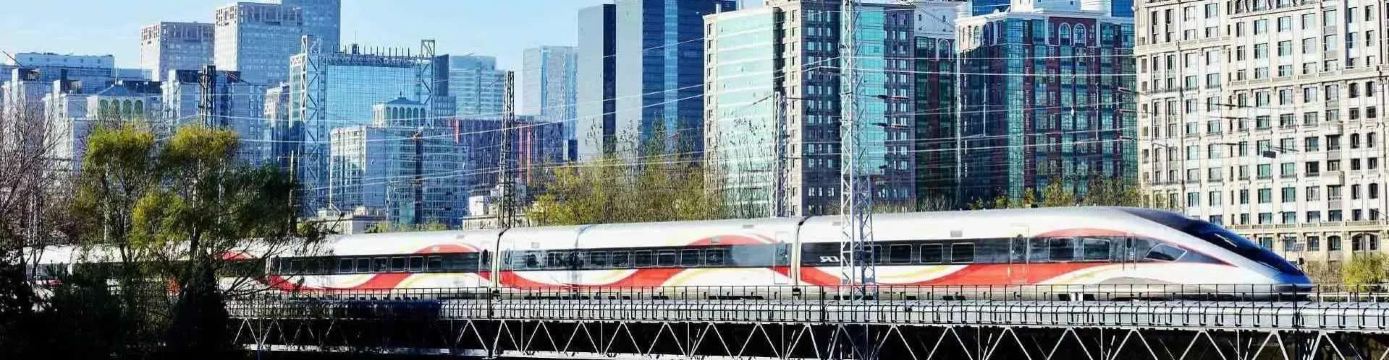
For a first trip to China, the route is an easy way to experience two very different sides of the country without adding a domestic flight. Spend a few days exploring the Forbidden City, Great Wall and Beijing’s hutongs, then board a morning train and arrive in Shanghai with time left for an evening around the Bund or the French Concession.
Most high-speed trains use Beijing South and Shanghai Hongqiao, with metro connections making the journey into either city relatively straightforward. The frequent timetable also gives you flexibility to choose a departure around your sightseeing plans rather than building the entire day around the train.
Beijing to Shanghai by Fuxing: Speed, journey times and daily trains
How fast is the Beijing–Shanghai Fuxing train?
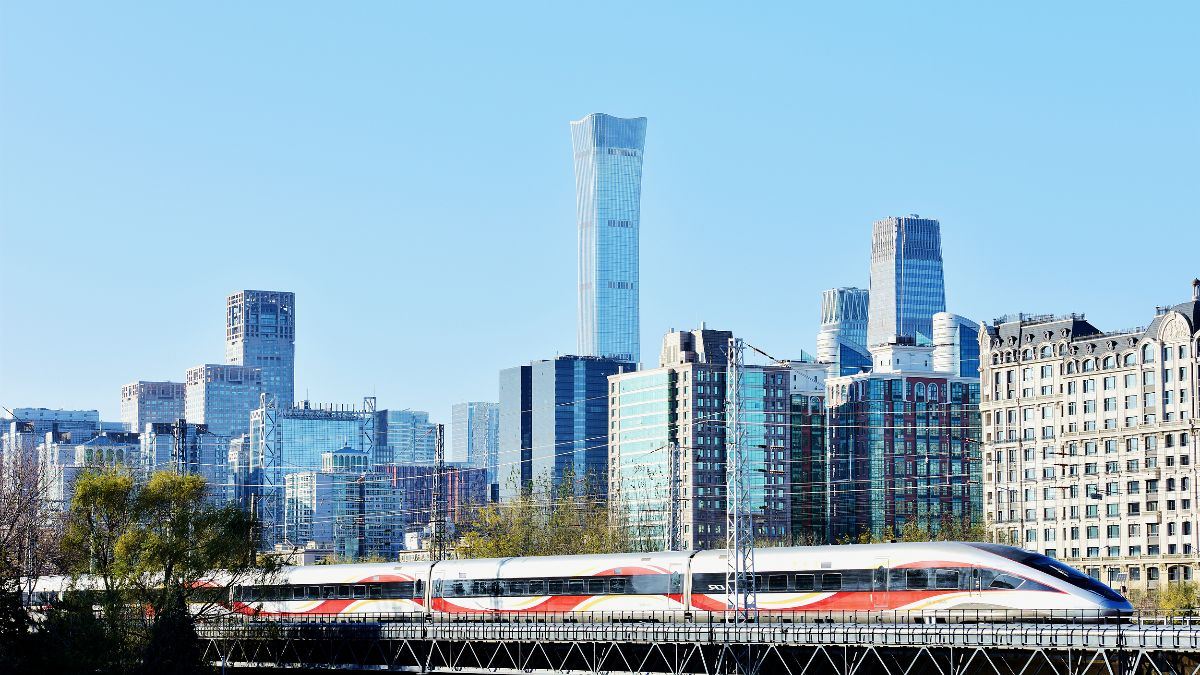
Rather than relying on the train number alone, remember to check the total journey time and number of stops when booking. The quickest Fuxing services run at speeds of up to 350 km/h (217 mph) and make only a small number of stops, while other G-trains call at more cities along the route and can add well over an hour to the journey.
How often do trains run between Beijing and Shanghai?
More than 40 daytime G-series trains run in each direction between Beijing and Shanghai, with departures spread from around 6 AM until after 9 PM. At the busiest points of the day, travellers may find several departures within the same hour, while a small number of overnight D-trains provide additional sleeper options.
Despite the frequency, Beijing–Shanghai is not quite a turn-up-and-go route. The fastest Fuxing services are among the most popular, while early-morning and late-afternoon trains also attract heavy business and leisure traffic. If reaching Shanghai by a particular time matters, it is better to choose your preferred service in advance rather than simply relying on the number of trains available.
Demand becomes much heavier during Labour Day, National Day and Spring Festival, when convenient departures can sell out quickly. For these periods, booking as soon as tickets are released gives you a better chance of securing both your preferred departure time and seat class.
Beijing South to Shanghai Hongqiao: Choosing the right stations
Which Beijing and Shanghai stations should you choose?
Both Beijing and Shanghai have several major railway stations, so checking the full station name is especially important on this route.
- Beijing South Station is the main departure point for high-speed trains to Shanghai. Served by Metro Lines 4 and 14, it handles the vast majority of G-series services on the Beijing–Shanghai corridor.
- Beijing West Station is important for routes toward Xi’an, Guangzhou and Hong Kong
- Beijing Station, Beijing Chaoyang and Beijing Fengtai have their own mix of conventional and high-speed services.
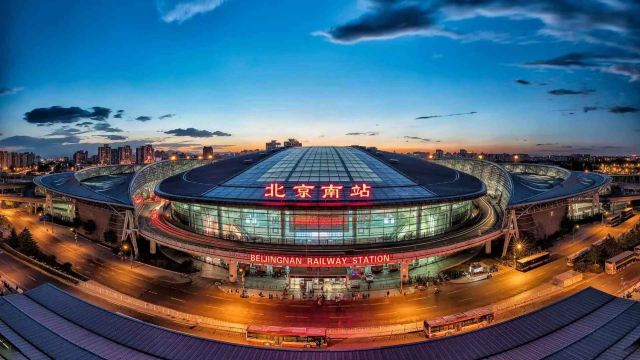
- Shanghai Hongqiao Station is the main terminus for Beijing high-speed services. It is served by Metro Lines 2, 10 and 17, connects directly with Hongqiao Airport Terminal 2, and is particularly convenient if you are continuing by rail toward Suzhou or Hangzhou.
- Shanghai Station is a more central location and can actually be an advantage if your hotel is around People’s Square, Jing’an or the Bund, reducing the amount of cross-city travel after arrival.
Don’t forget to check both the Beijing departure station and Shanghai terminus before booking, then choose the service that works best with your hotel or onward journey.
From Beijing South and Shanghai Hongqiao to the city centre
Both Beijing South and Shanghai Hongqiao connect directly to their city’s metro network, so you can continue into the main sightseeing areas without relying on a taxi.
- Tiananmen Square and the Forbidden City: Take Metro Line 4 to Xidan, then transfer to Line 1 for Tiananmen West. Allow around 30 minutes for the metro journey, plus walking time after arrival.
- Qianmen and Dashilan: Take Line 4 to Xuanwumen, then change to Line 2 for Qianmen. This is a convenient option if you want to explore the historic streets south of Tiananmen before or after your train.
- Beijing Daxing International Airport: Line 4 to Caoqiao connects with the Daxing Airport Express. If you are transferring directly from rail to air, leave additional time for the interchange and airport check-in.
- Beijing Capital International Airport: The journey requires a cross-city metro connection before joining the Capital Airport Express, so allow at least 70–80 minutes for the transfer itself.

- The Bund: Metro Line 2 to East Nanjing Road takes around 45 minutes, followed by a short walk to the waterfront.
- Yu Garden and the old city: Take Line 2 to East Nanjing Road and transfer to Line 10 for Yuyuan Garden, putting you close to both the garden and surrounding historic streets.
- Lujiazui and Shanghai Tower: Line 2 runs directly to Lujiazui in around 50 minutes, making Pudong particularly easy to reach from Hongqiao.
- Shanghai Disneyland: Take Line 10 to Jiaotong University, then transfer to Line 11 for Disney Resort Station. Allow around 70–80 minutes for the full journey.
If your train arrives at Shanghai Railway Station instead, its more central location can shorten the final transfer. Metro Lines 1, 3 and 4 serve the station, with People’s Square and the central city within a relatively short metro ride.
Which seat class is best for the 4.5-hour Beijing–Shanghai journey?
On a journey of more than four hours, seat class makes a much bigger difference than it does on short routes. The best choice depends on how much you value space, quiet and comfort during a half-day journey.
Second Class | First Class | Business Class | |
|---|---|---|---|
Seating Layout | 2+3 layout | 2+2 layout | 1+2 layout |
Legroom & Vibe | Standard space, lively atmosphere | Extra legroom, quiet & spacious | Fully flat leather seats, VIP Lounge access |
Luggage Space | Overhead racks & end-of-car rack | Larger overhead space & rear space | Dedicated luggage area |
Best For... | Budget travellers & short day trips | Families & travellers with large suitcases | Long-haul routes & business travel |
- Second Class works well for most travellers. Seats are comfortable for the four- to six-hour journey, although the 3+2 configuration makes the carriage busier than the higher classes.
- First Class becomes more attractive on this route. Wider 2+2 seating, extra legroom and a quieter carriage are easier to appreciate when you will be onboard for several hours.
- Business Class offers the most space and privacy on services where it is available, with premium reclining seating and lounge benefits available at eligible stations. Class availability varies by train.
Beijing to Shanghai: A 6-day two-city rail itinerary
Beijing and Shanghai work particularly well as the two anchors of a first China itinerary. With the fastest trains covering the journey in around 4.5 hours, you can move between the two without giving up an entire day to travel.
Three days gives you a good introduction to the capital. The Forbidden City and Tiananmen Square can take up much of one day, with another reserved for the Great Wall. Your remaining time can go to the Temple of Heaven, Summer Palace or Beijing’s hutong neighborhoods, depending on what you want to see.
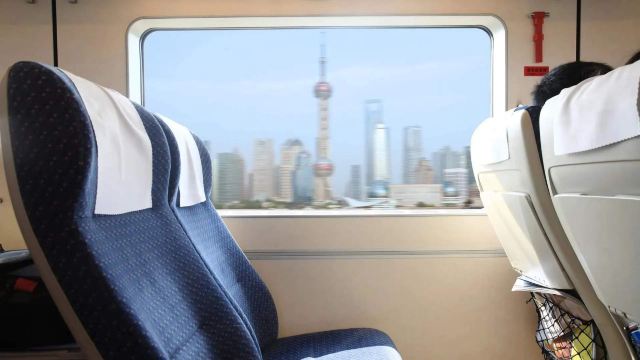
A morning train from Beijing South gets you to Shanghai Hongqiao by early or mid-afternoon on the faster Fuxing services. After checking in, the Bund and Nanjing Road make an easy introduction to Shanghai, particularly as the skyline begins to light up in the evening.
The next two days leave plenty of room for Shanghai itself. You might spend one around the former French Concession, Yu Garden and the older neighborhoods west of the Huangpu, then cross the river for the Pudong skyline. With another day available, Shanghai Disneyland is an option, while Suzhou and Hangzhou are both easy high-speed rail side trips.

How to book & ride rail trains in Beijing
Beijing–Shanghai is one of China’s busiest long-distance rail corridors, so the large number of daily departures does not always translate into last-minute availability. The fastest Fuxing services, along with convenient morning and early-evening departures, are often the first to fill.
Booking strategy
When comparing trains, pay attention to the total journey time and stopping pattern, not simply the departure time. Some Fuxing services reach Shanghai in around 4 hours 18 minutes, while G-trains making more stops can take considerably longer. Trip.com displays the full journey duration and station information for each service, while also providing English-language customer support and international payment options. Eligible tickets can be reserved in advance and submitted for booking once railway inventory is released.
Station arrival and paperless boarding
Lock in your passport-verified e-tickets on Trip.com and secure the Beijing–Shanghai departure that works best with your itinerary.
Explore more China visa‑free travel inspiration?



- Beijing to Shanghai by Fuxing: Speed, journey times and daily trains
- Beijing South to Shanghai Hongqiao: Choosing the right stations
- Which seat class is best for the 4.5-hour Beijing–Shanghai journey?
- Beijing to Shanghai: A 6-day two-city rail itinerary
- How to book & ride rail trains in
- Explore more China visa‑free travel inspiration?
Related travel guides
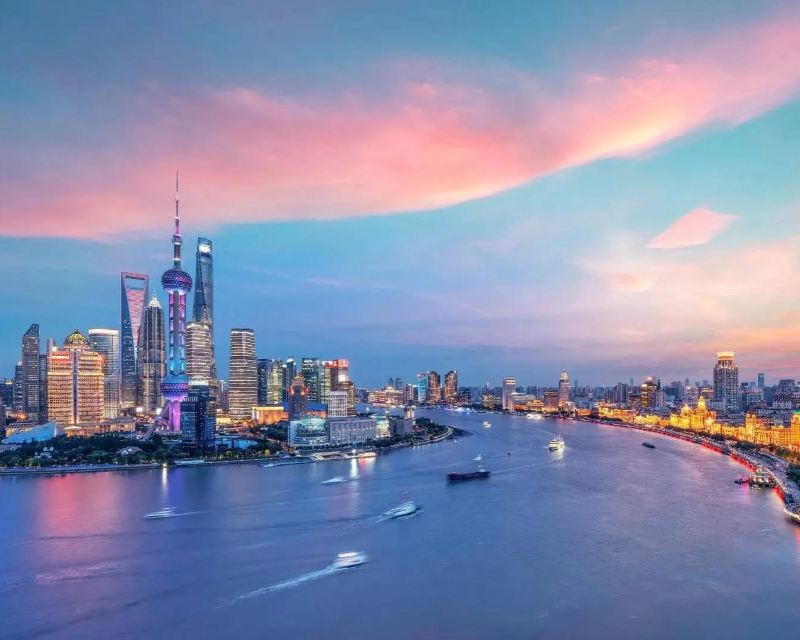 Updated: October 26, 2026
Shanghai visa-free rail itineraries
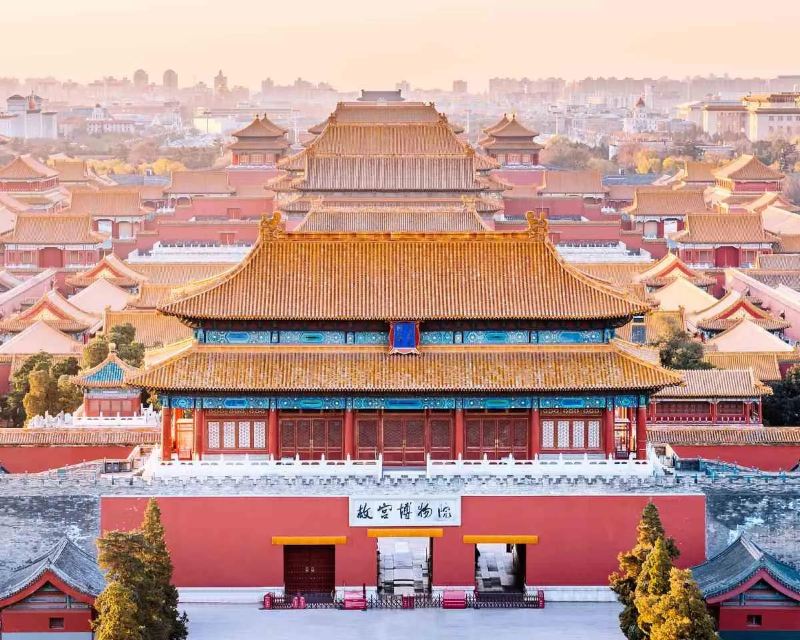 Updated: October 26, 2026
China visa-free travel guide
 Updated: October 10, 2026
Things to do in Beijing: palaces to the Great Wall
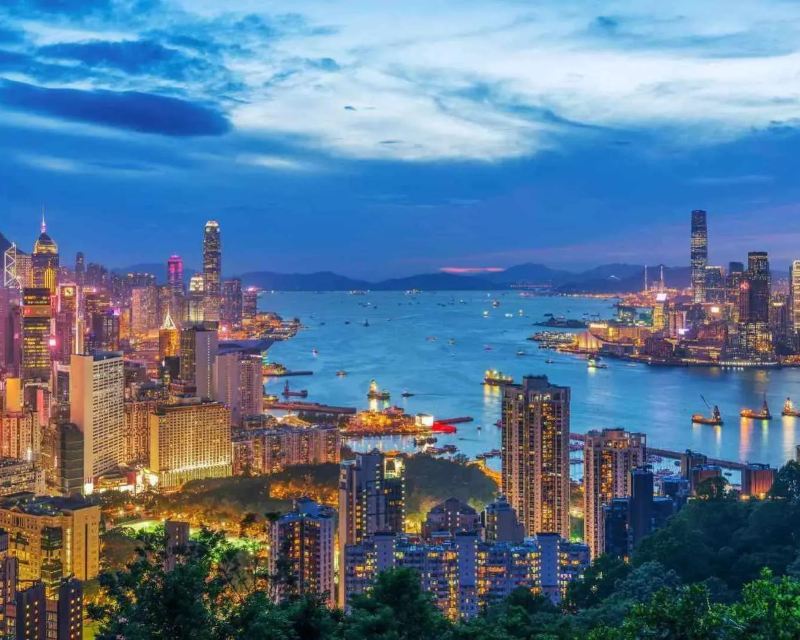 Updated: October 10, 2026
Hong Kong to Mainland China transit guide
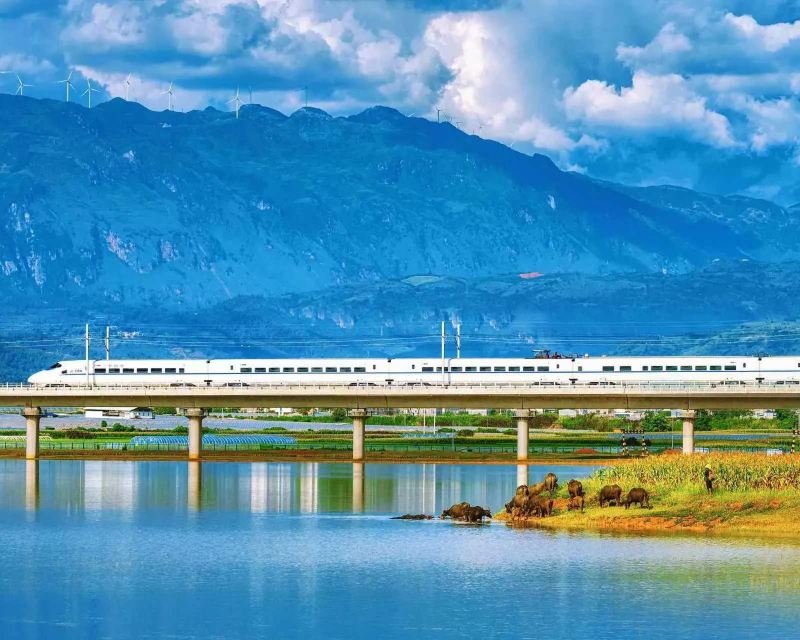 Updated: October 10, 2026
Yunnan rail guide: From Kunming to Dali and Shangri-La
 Updated: October 10, 2026
Chongqing to Zhangjiajie high-speed train guide
 Updated: October 10, 2026
Shanghai to Hangzhou high-speed bullet train guide
 Updated: October 10, 2026
Shanghai to Suzhou high-speed trains guide


- What platform is my train? How to quickly check and find it?Published: November 10, 2026
- What is an Open Return train ticket? Meaning, benefits and rulesPublished: November 10, 2026
- How to buy train tickets in Italy: Step-by-step guidePublished: November 10, 2026
- Do you have to book train tickets in advance in Italy?Updated: November 6, 2026
- Getting the train to Design Museum: Closest station & routesUpdated: November 6, 2026
- Do you have to book train tickets in advance in France?Updated: November 6, 2026
- Getting the train to Marble Arch: Closest station & routesPublished: November 6, 2026
- How to buy train tickets in France: Step-by-step guidePublished: November 6, 2026
- Paris Christmas Markets by Eurostar: Full guideUpdated: October 28, 2026
- Getting the train to Excel London: Closest station & routesPublished: October 28, 2026
- Getting the train to Clifton Suspension Bridge: Closest station & routesPublished: October 27, 2026
- Getting the train to Oxford Street: Closest station & routesPublished: October 27, 2026