
Chongqing to Zhangjiajie high-speed train guide
From Chongqing’s neon skyline to Zhangjiajie’s stone peaks

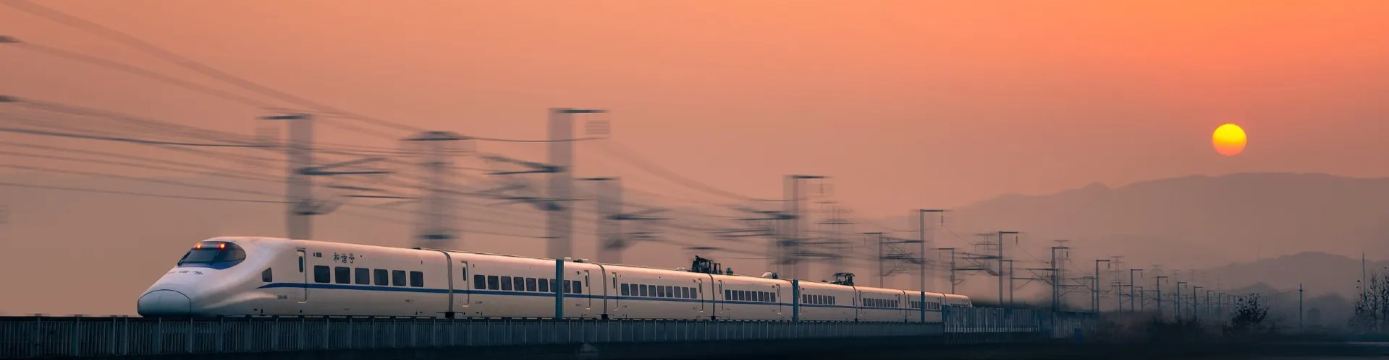
Chongqing’s cyberpunk streets & the canyon detour
What to eat & see in Chongqing
Chongqing is a city best explored on foot, where food, nightlife and an extraordinary urban landscape come together in the steep streets above the Yangtze and Jialing rivers.
- For a real taste of Chongqing, try a bubbling mala hotpot loaded with fiery red chilies and Sichuan peppercorns, or order a yuanyang split pot if you prefer a milder broth alongside the spicy one, and pair it with cold beer to survive the heat. A bowl of xiaomian, the city's everyday spicy noodles, is another local staple worth seeking out.
- For sightseeing, Hongyadong is the postcard shot everyone chases. It's an 11-storey stilt-house complex clinging to the cliffside, lit gold at night and mirrored in the Jialing River. Go around dusk to catch Chongqing at night at its best, with views that rival any skyline in the region.
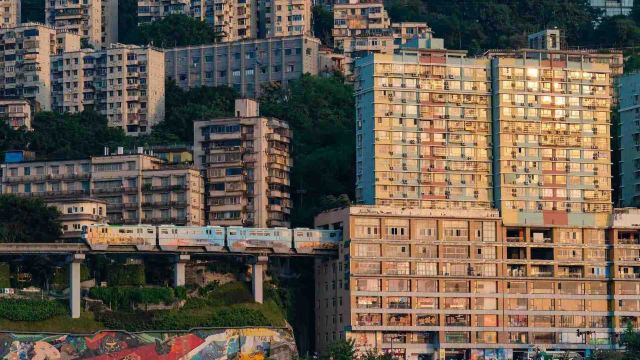
But the real thrill of Chongqing lies in its terrain. Carved into cliffs and stacked along the riverbanks, it's a genuinely vertical, multi-dimensional city where roads stack on bridges stack on tunnels. The clearest proof is Liziba Station, where metro Line 2 plows straight through the middle of a 19-storey residential building. This is a sight so strange that it's become a bucket-list photo op in its own right.
- For where to stay, skip the outskirts. Chongqing hotels around Jiefangbei put you within walking distance of Hongyadong and the pedestrian mall, making it easier to reach both the main sights and metro connections through the downtown centre.
Day trip to Wulong Karst via Chongqing East Station
From Wulong South Station, taxis and local tourist transport continue toward the bridges, Fairy Mountain and other attractions around the Wulong Karst area. These sights are spread out, so factor the road transfer into your day rather than treating the railway station as the final stop.
Adventuring in Zhangjiajie & the fairytale ancient towns
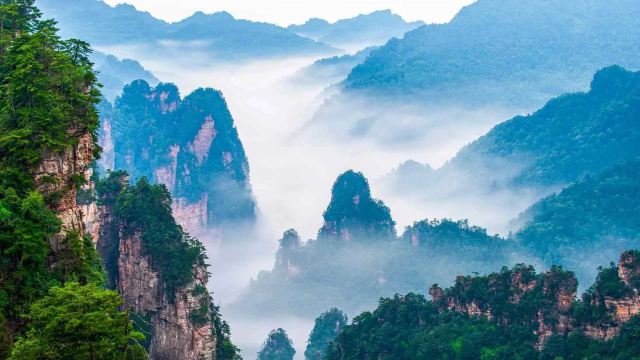
Between the Avatar mountains and Tianmen gate
Stepping off the train at Zhangjiajie West(Zhangjiajiexi) puts you within reach of two of Hunan’s most dramatic landscapes, and it is worth deciding which one to explore first.
The two areas are far enough apart that it is better to give them separate days rather than trying to rush through both, as each deserves plenty of time to explore.
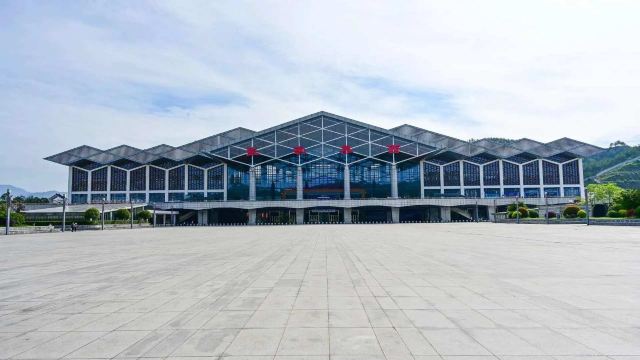
From Zhangjiajie West Station to downtown and the mountains
Zhangjiajie West Railway Station (Zhangjiajiexi) sits between downtown Zhangjiajie and the main scenic areas, so your onward journey depends on which attraction you plan to visit first.
If you’re planning to visit Wulingyuan and Zhangjiajie National Forest Park, the Wulingyuan scenic area is around 30–40 minutes by road from the station. Coaches run from the nearby bus terminal to Wulingyuan and other scenic areas, making public transport a practical option during the day. If you are arriving later or travelling with luggage, a taxi or DiDi is more convenient, with fares typically around CNY 100.
If you’re planning to visit downtown and Zhangjiajie Tianmen Mountain, Central Zhangjiajie is much closer, at roughly 10 km from the station. Public buses, including routes 4 and 17, connect Zhangjiajie West with the downtown area near the Tianmen Mountain cableway. Alternatively, a taxi generally takes around 15–20 minutes, depending on traffic.
It helps to decide where you are staying before leaving the station. Wulingyuan and downtown Zhangjiajie are in different directions, and each works better for different attractions. Staying in Wulingyuan gives you easier access to Zhangjiajie National Forest Park, while a downtown hotel is more convenient for Zhangjiajie Tianmen Mountain and its cableway. For a multi-day visit, splitting your stay between the two areas can reduce unnecessary travel time.
Continue by train to Furongzhen and Fenghuang Gucheng
Once you have explored Zhangjiajie’s mountains, high-speed rail makes it easy to continue south to two of western Hunan’s best-known ancient towns.
You can also travel directly between the two towns. Furongzhen to Fenghuang Gucheng takes around 35–45 minutes on faster trains, with Fenghuang Gucheng to Furongzhen services running in the opposite direction.
Booking & riding trains from Chongqing to Zhangjiajie
Booking is straightforward, but a little planning helps:
Search the correct stations. Enter Chongqing East and Zhangjiajie West, then compare the total journey time as well as the departure time, since stopping patterns vary.
Choose your train and seat class. Second Class is comfortable for the relatively short journey, while First Class provides more space and a quieter carriage.
Enter your full name and passport number exactly as shown on your physical passport.
Pay securely using UK-issued debit or credit cards (Visa, Mastercard, Amex) with direct billing in GBP (£).
Board with your passport. There is normally no paper ticket to collect. Your reservation is linked to your passport, so bring the original physical passport used for booking for station entry and boarding.
There are also direct high-speed services from Chongqing Jiangbei Airport Station to Zhangjiajie West, which can be particularly convenient if you are flying into Chongqing and heading straight for the mountains.
More train routes to Zhangjiajie
Trains from Changsha to Zhangjiajie
Changsha is the capital of Hunan Province, China, and it’s a useful gateway for travellers flying into the region.Before heading west, you can spend some time exploring Orange Isle or the Hunan Museum. Direct trains from Changsha and Changsha South to Zhangjiajie West run frequently throughout the day, with the fastest services covering the 173 km journey in around 1 hour 45 minutes. This makes it easy to combine the food, nightlife and city sights of Changsha with a few days among Zhangjiajie’s mountains.
Trains from Chengdu to Zhangjiajie
Trains from Shanghai to Zhangjiajie
Trains from Hong Kong (West Kowloon) to Zhangjiajie



- Chongqing’s cyberpunk streets & the canyon detour
- Adventuring in Zhangjiajie & the fairytale ancient towns
- Booking & riding trains from Chongqing to Zhangjiajie
- More train routes to Zhangjiajie
Related travel guides
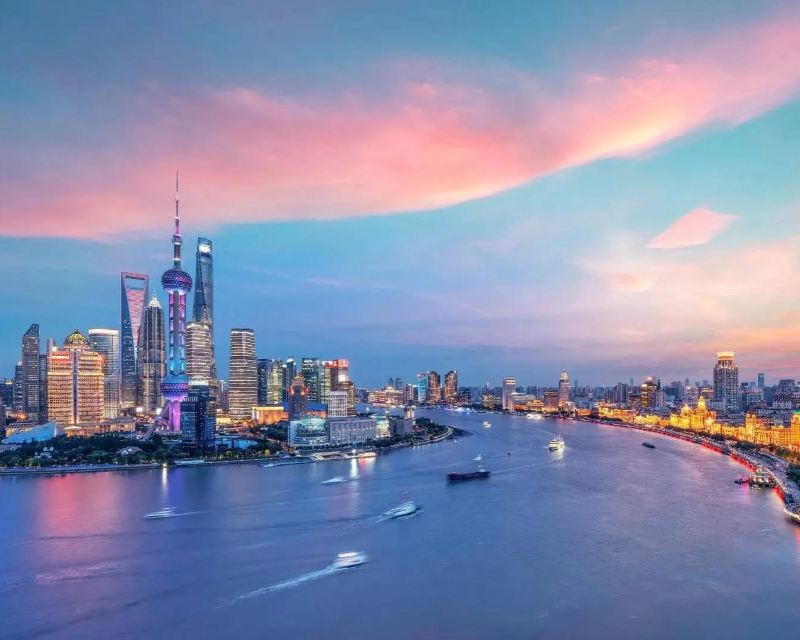 Updated: October 26, 2026
Shanghai visa-free rail itineraries
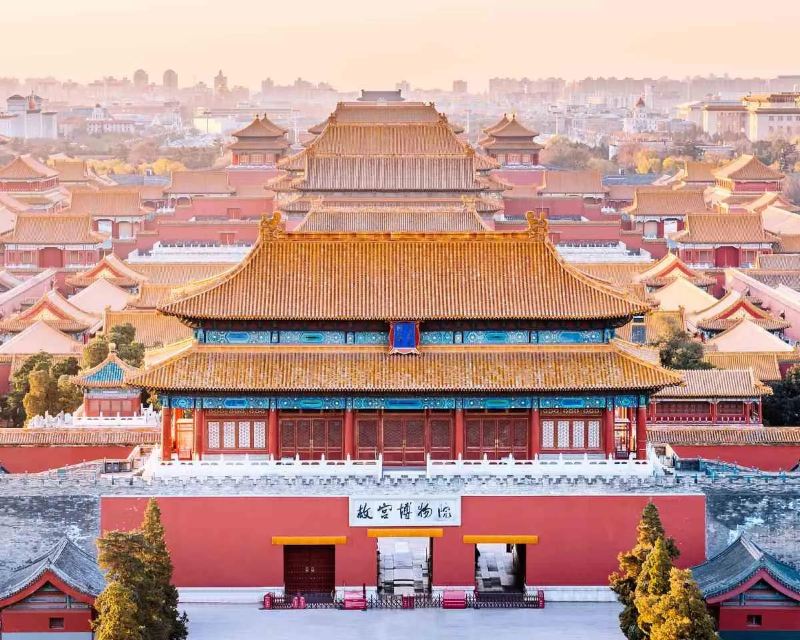 Updated: October 26, 2026
China visa-free travel guide
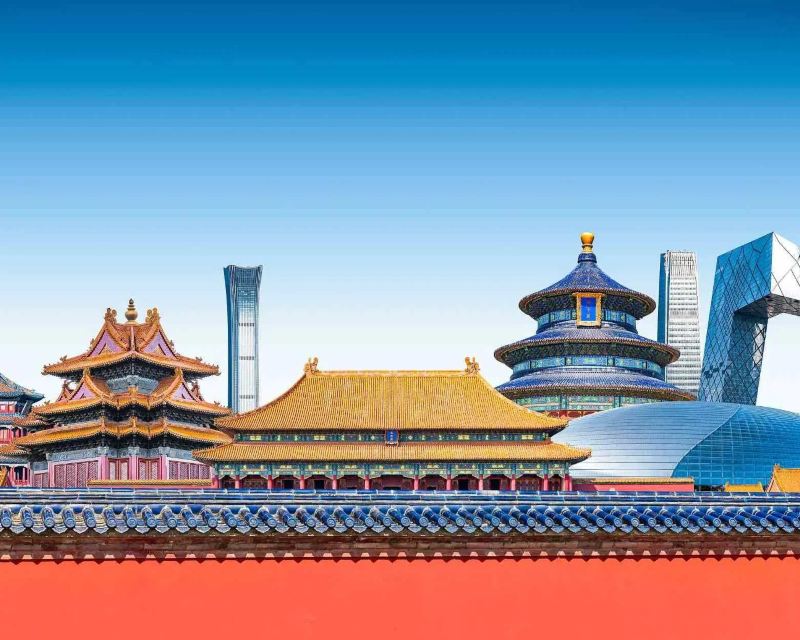 Updated: October 10, 2026
Things to do in Beijing: palaces to the Great Wall
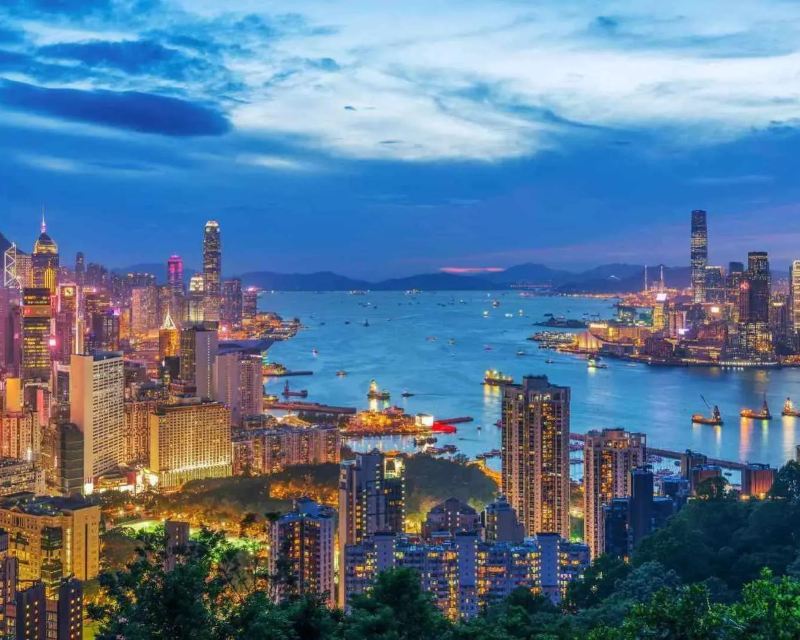 Updated: October 10, 2026
Hong Kong to Mainland China transit guide
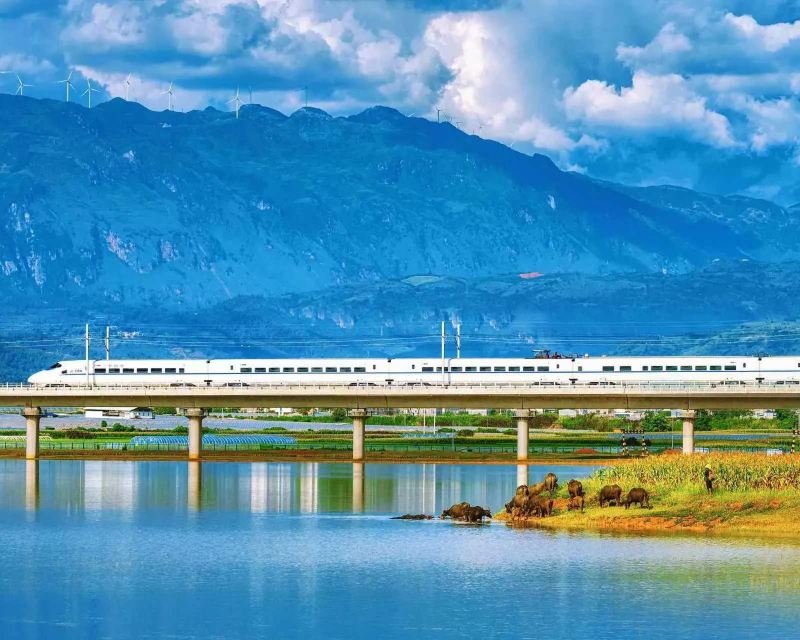 Updated: October 10, 2026
Yunnan rail guide: From Kunming to Dali and Shangri-La
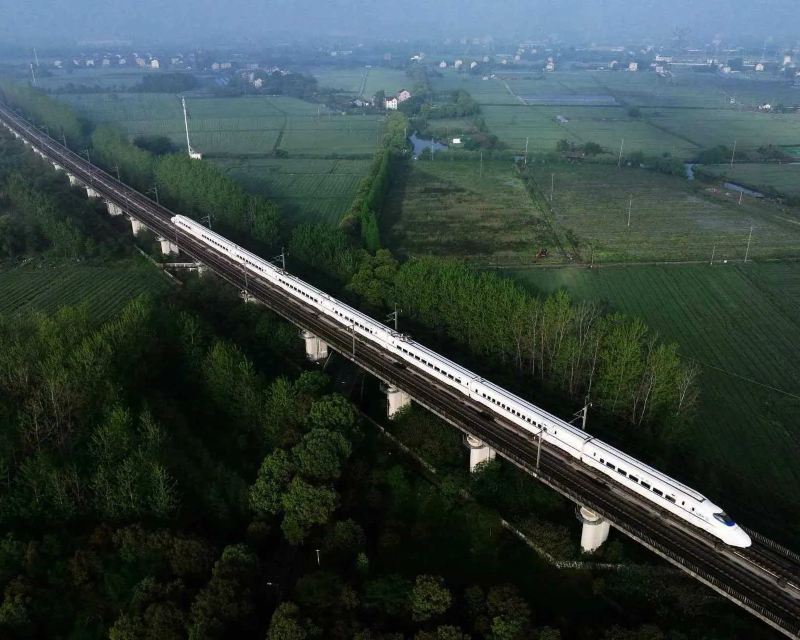 Updated: October 10, 2026
Shanghai to Hangzhou high-speed bullet train guide
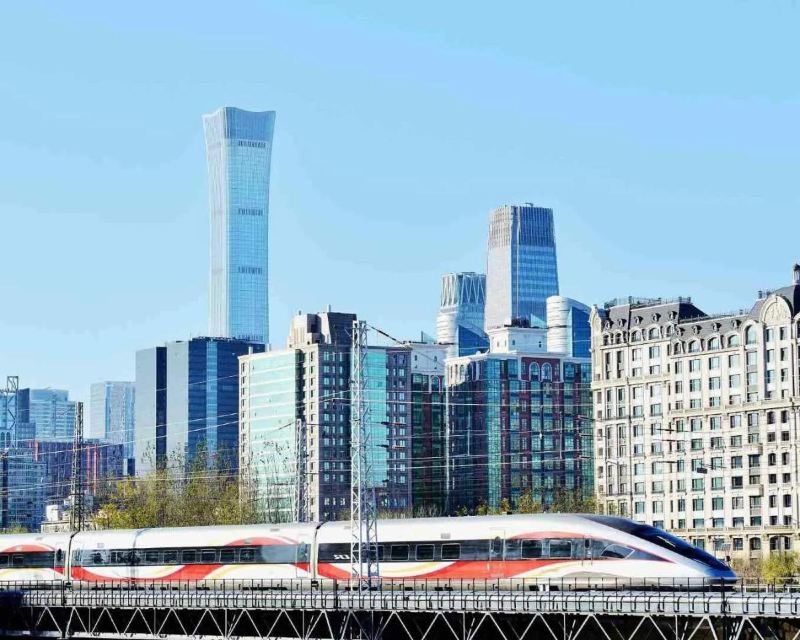 Updated: October 10, 2026
Beijing to Shanghai high-speed bullet train guide
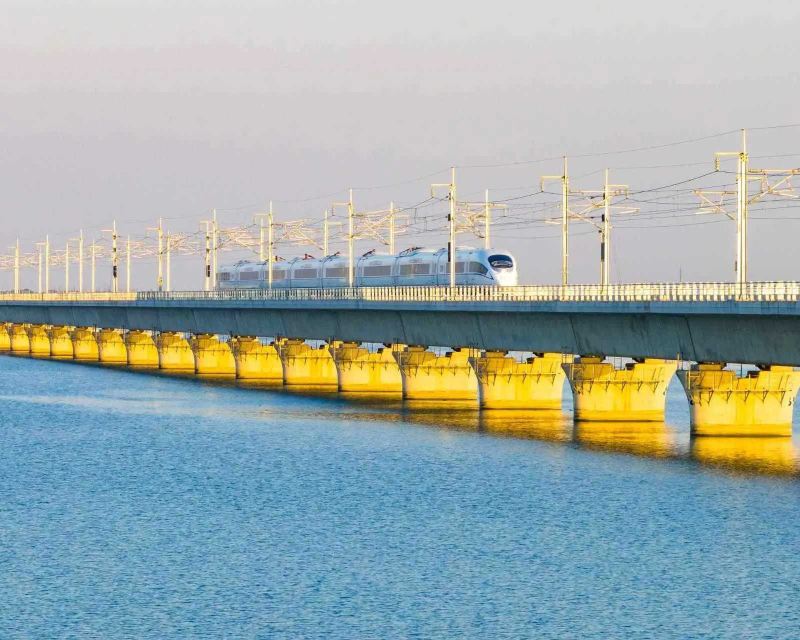 Updated: October 10, 2026
Shanghai to Suzhou high-speed trains guide

- Do you have to book train tickets in advance in Italy?Updated: November 6, 2026
- Getting the train to Design Museum: Closest station & routesUpdated: November 6, 2026
- Do you have to book train tickets in advance in France?Updated: November 6, 2026
- Getting the train to Marble Arch: Closest station & routesPublished: November 6, 2026
- How to buy train tickets in France: Step-by-step guidePublished: November 6, 2026
- Paris Christmas Markets by Eurostar: Full guideUpdated: October 28, 2026
- Brussels Christmas Markets (Winter Wonders) by Eurostar 2026Updated: October 28, 2026
- Getting the train to Excel London: Closest station & routesPublished: October 28, 2026
- Edinburgh Christmas Market by train: Nearest station and routesUpdated: October 28, 2026
- Getting the train to Clifton Suspension Bridge: Closest station & routesPublished: October 27, 2026
- Eurostar to Paris for New Year’s Eve: Our guidePublished: October 27, 2026
- Getting the train to Oxford Street: Closest station & routesPublished: October 27, 2026