
Hong Kong to Mainland China transit guide
High-speed rail routes, border rules and station choices from West Kowloon


Hong Kong is more than a stopover. It’s one of the most convenient gateways to Mainland China. From Hong Kong West Kowloon station, high-speed rail connects you with Guangdong province and destinations farther across China, while both Hong Kong and Mainland immigration procedures are completed in the same station before boarding.
Clearing border control at West Kowloon: The co-location arrangement
How the 'one-stop, two-check' (co-location) clearance works
The process is straightforward:
- Check in at Hong Kong West Kowloon Station: Head to the departure area with your passport and booking details ready.
Pass through Hong Kong immigration: Clear departure control before following signs toward the Mainland Port Area.
Continue to the Mainland Port Area: Walk through the station to the Mainland immigration checkpoint — there is no need to leave the building.
Clear Mainland immigration: Once your entry check is complete, continue to the departure lounge and platform.
Although both checks are completed in the same station, you’ll still pass through Hong Kong and Mainland immigration separately. Arriving 60–90 minutes before departure gives you plenty of time to complete both steps and make your way to the platform, with a little extra breathing room on weekends and public holidays.

Visa-Free transit & entry rules for foreign travellers
Before you travel, make sure you have two things ready:
- A valid physical passport: Bring the same passport used for your rail booking and make sure it meets the applicable validity requirements.
- A confirmed onward ticket: You need a ticket to a third country or region departing within the 240-hour period. Think of it as an A–B–C journey: you travel from A, transit through Mainland China (B), and continue to a different destination (C). Hong Kong, Macau, and Taiwan are treated as separate regions for this purpose.
Hong Kong to Shenzhen rail: Futian vs. Shenzhen North station
Futian Station: Ideal for business & central Futian district
Shenzhen North station: The hub for long-distance transfers
Hong Kong to Guangzhou rail: Guangzhou East vs. Guangzhou South station
Guangzhou East: Direct access to central Canton (CBD)
Guangzhou South: The mega-hub for interprovincial rail links
Onward high-speed rail adventures: Exploring deeper into China
Direct karst scenery: Hong Kong to Guilin & Yangshuo
For travellers who don’t want to break the journey in Guangzhou or Shenzhen, direct long-distance trains also run from Hong Kong West Kowloon deep into southwest China. One of the most scenic options is the direct service to Guilin West. The journey takes just over 3 hours, with second-class fares from roughly ¥415–450 and no transfer required.

Hardcore overland routes: Connecting to Chongqing & Zhangjiajie
For travellers chasing something further afield, Guangzhou and Shenzhen’s major rail hubs open up even more high-speed connections into central and southwest China, including Chongqing’s dramatic vertical cityscape and Zhangjiajie’s famous quartz-sandstone pillars. While direct trains run from Hong Kong West Kowloon to Chongqing, transferring at Guangzhou South or Shenzhen North can provide additional options for reaching destinations farther inland, including Zhangjiajie.
How to book & ride cross-border trains on Trip.com
China’s high-speed rail releases tickets on a rolling 15-day window. Seats for any date go on sale exactly 15 days ahead, and cross-border routes from West Kowloon can sell out fast around holidays on both sides of the border. Trip.com’s pre-booking feature handles the timing for you. Just enter your dates as soon as they’re more than 15 days out, and Trip.com automatically submits the booking the instant the window opens.
For a cross-border journey, getting the paperwork right matters. Trip.com’s platform is built specifically for international travellers. Trip.com has an English-language interface, accepts international credit cards, and provides customer support around the clock if anything goes wrong mid-journey. Paper tickets are entirely obsolete on this route. Your e-ticket is linked directly to the same physical passport you used to book, and you simply scan that passport at the automated or manual gates on both the Hong Kong and mainland China sides.
Lock in your e-tickets for your Hong Kong to mainland China crossing on Trip.com now to secure your seat the moment the 15-day booking window opens.







- Hong Kong to Shenzhen rail: Futian vs. Shenzhen North station
- Hong Kong to Guangzhou rail: Guangzhou East vs. Guangzhou South station
- Onward high-speed rail adventures: Exploring deeper into China
- How to book & ride cross-border trains on Trip.com
Related travel guides
 Updated: October 26, 2026
Shanghai visa-free rail itineraries
 Updated: October 26, 2026
China visa-free travel guide
 Updated: October 10, 2026
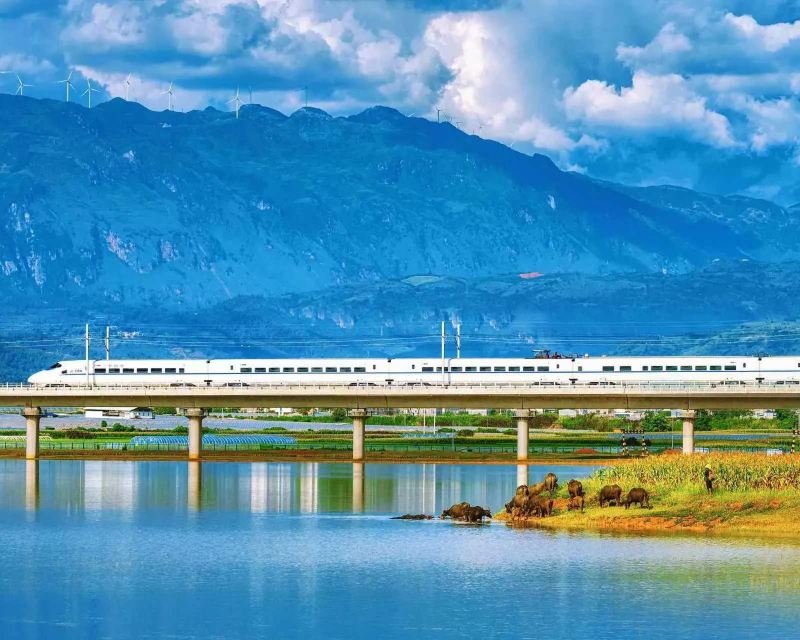
Things to do in Beijing: palaces to the Great Wall
 Updated: October 10, 2026
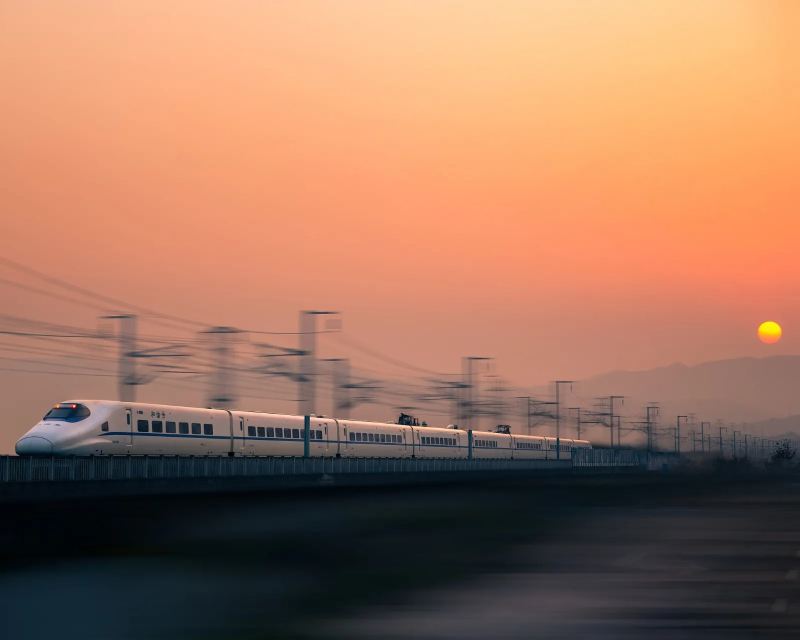
Yunnan rail guide: From Kunming to Dali and Shangri-La
 Updated: October 10, 2026
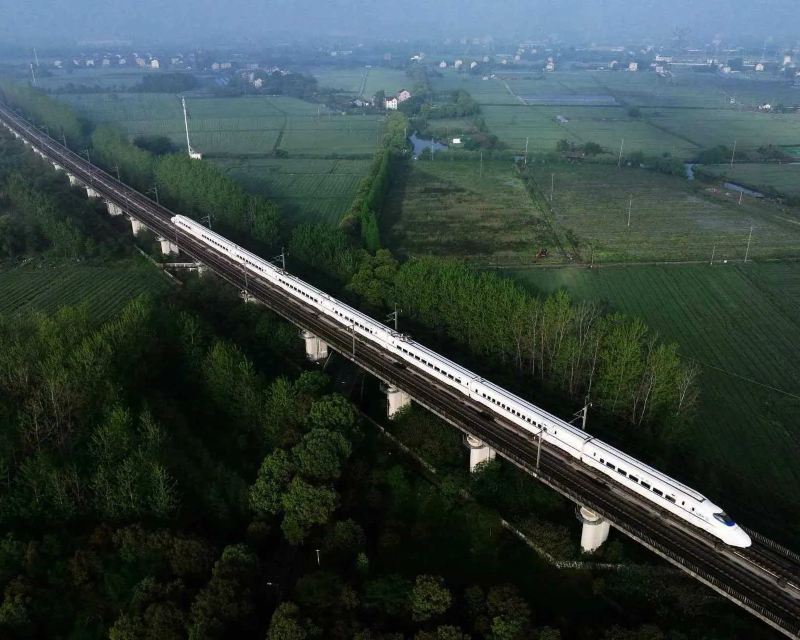
Chongqing to Zhangjiajie high-speed train guide
 Updated: October 10, 2026
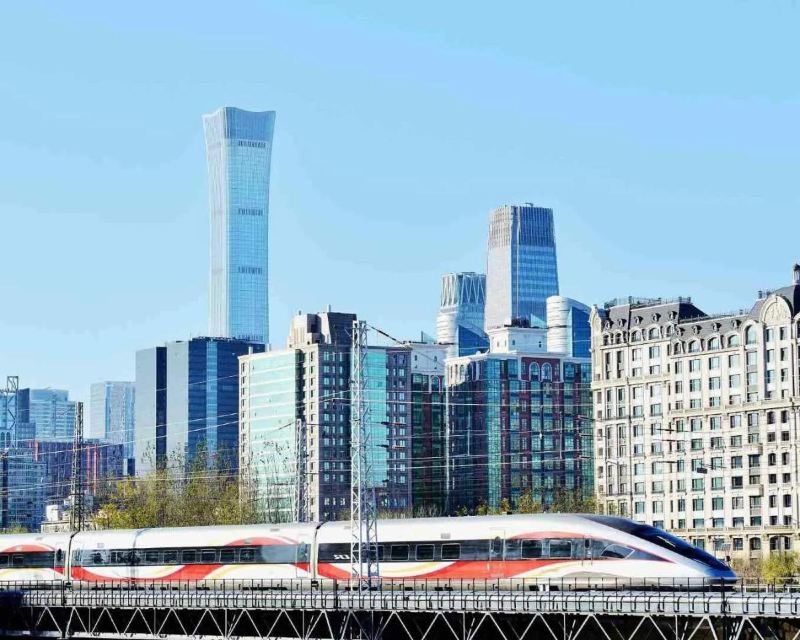
Shanghai to Hangzhou high-speed bullet train guide
 Updated: October 10, 2026
Beijing to Shanghai high-speed bullet train guide
 Updated: October 10, 2026
Shanghai to Suzhou high-speed trains guide


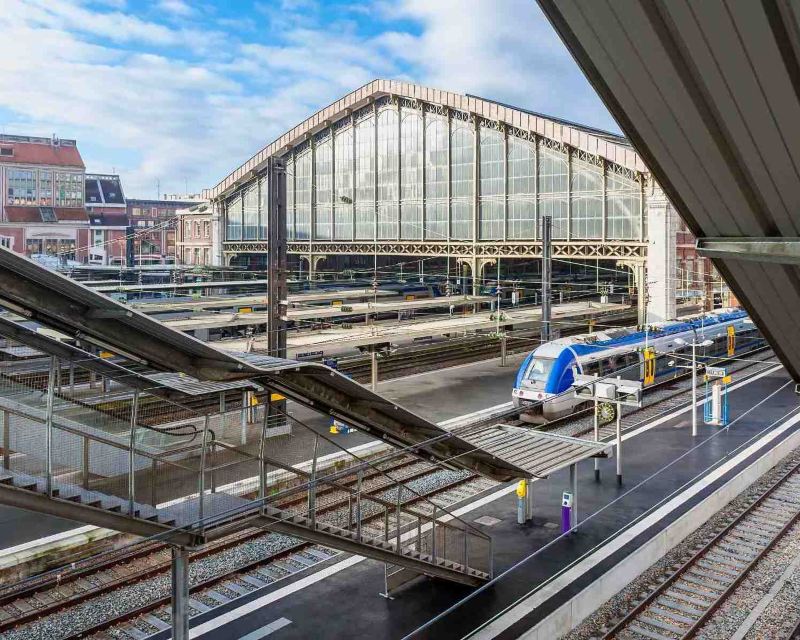




- What platform is my train? How to quickly check and find it?Published: November 10, 2026
- What is an Open Return train ticket? Meaning, benefits and rulesPublished: November 10, 2026
- How to buy train tickets in Italy: Step-by-step guidePublished: November 10, 2026
- Do you have to book train tickets in advance in Italy?Updated: November 6, 2026
- Getting the train to Design Museum: Closest station & routesUpdated: November 6, 2026
- Do you have to book train tickets in advance in France?Updated: November 6, 2026
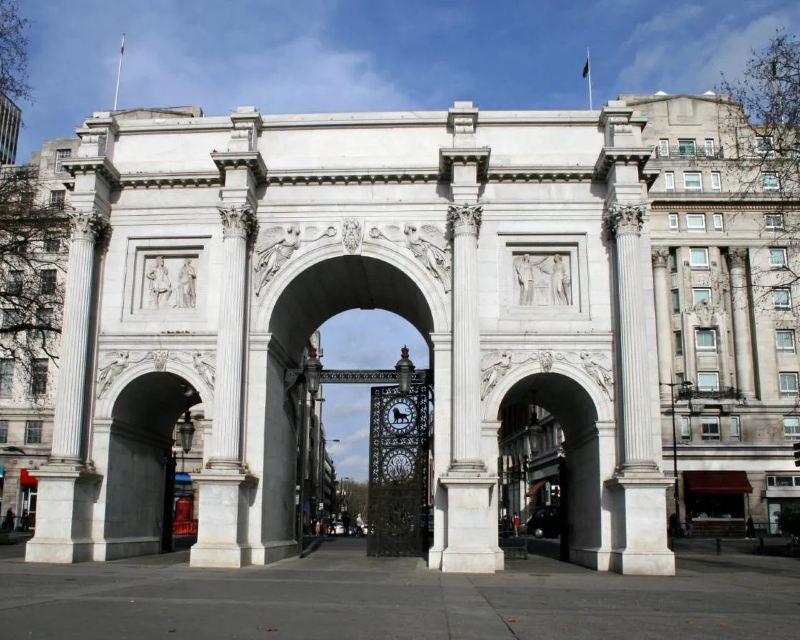
- Getting the train to Marble Arch: Closest station & routesPublished: November 6, 2026
- How to buy train tickets in France: Step-by-step guidePublished: November 6, 2026
- Paris Christmas Markets by Eurostar: Full guideUpdated: October 28, 2026
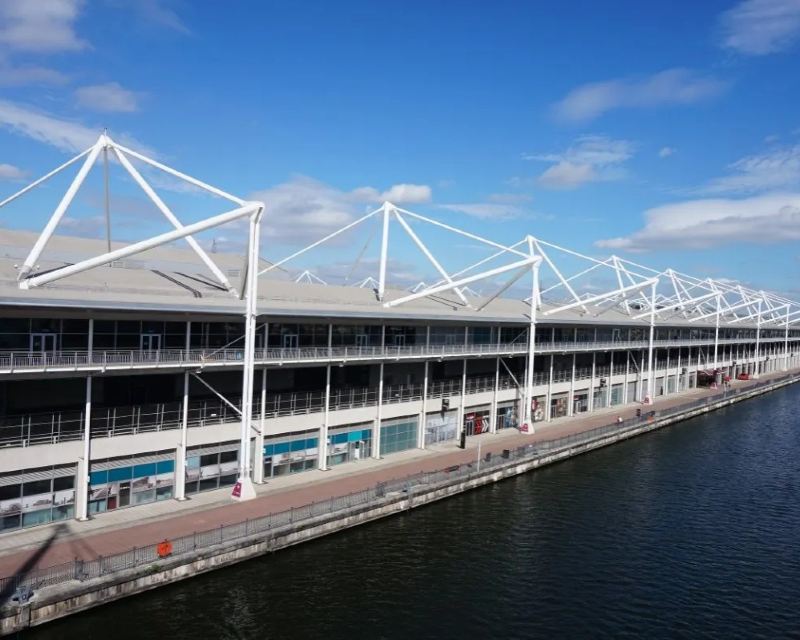
- Getting the train to Excel London: Closest station & routesPublished: October 28, 2026
- Getting the train to Clifton Suspension Bridge: Closest station & routesPublished: October 27, 2026
- Getting the train to Oxford Street: Closest station & routesPublished: October 27, 2026