
Shanghai visa-free rail itineraries
Explore Shanghai, Suzhou and Hangzhou by high-speed rail

Understanding the 240-hour visa-free rules: Scope & rail boundaries
Where you can travel from Shanghai
The 240-hour visa-free transit policy currently covers travellers from 55 eligible countries, with permitted travel across designated areas in 24 provinces and municipalities. For this itinerary, Shanghai, Jiangsu and Zhejiang are all included, so travellers can move freely by rail between Shanghai, Suzhou, Hangzhou and Nanjing. Anhui is also covered, making Huangshan a possible extension.
The key requirement is the A → China (B) → C transit rule. You must be transiting through mainland China (B) between two different countries or regions (A and C). For example, flying in from the UK and departing onward to Japan. Arriving from and departing back to the same country doesn't qualify. You must also hold a valid passport and confirmed onward ticket within the 240-hour period.
You'll also need to depart from one of the policy's approved ports, though this list now covers 60 airports, seaports and select land crossings. Shanghai's Pudong and Hongqiao airports are both included.
Always remember to check the latest eligible nationalities, permitted areas and approved entry and exit ports before travelling.
What to prepare before immigration and rail travel
At immigration, be ready to show your passport, a confirmed onward ticket to a third country or region within the 240-hour window, and your completed arrival card. Immigration officers may also ask for proof of accommodation in China.
Once inside China, keep your physical passport with you. Hotels use it for registration, while railway bookings are linked to the passport details entered when purchasing your ticket. China’s high-speed rail system is largely paperless, so there is normally no physical ticket to collect. Simply bring the original passport used for booking and use the designated passport or manual inspection channel where required.
Hotels normally register foreign guests automatically. If you are staying in private accommodation such as an Airbnb, however, make sure your stay is registered with the local public security authorities as required.
Arriving in Shanghai & day-tripping to Jiangsu (Suzhou)
Things to see and do in Shanghai: The Bund to Disneyland
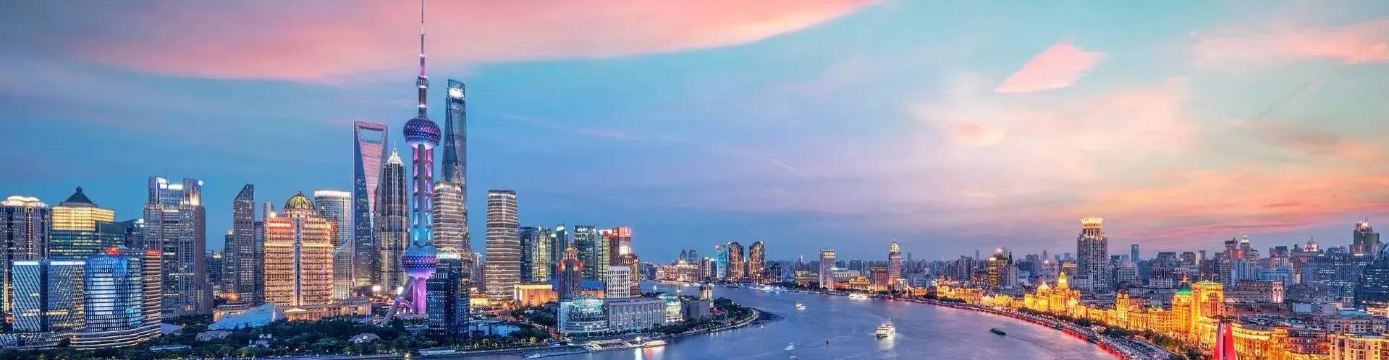
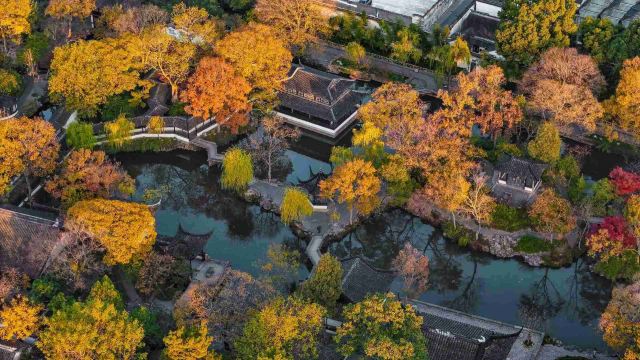
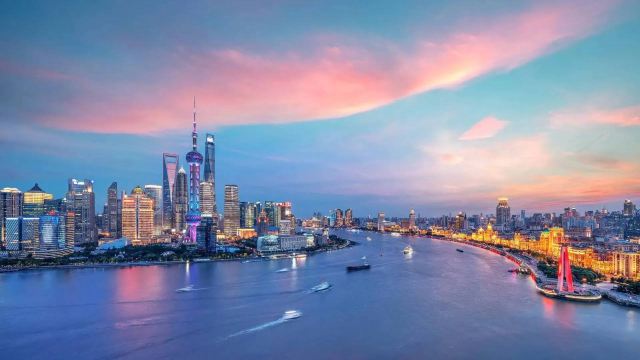
Give Shanghai at least two days before continuing through the Yangtze River Delta. Start at the Bund, where historic waterfront architecture faces the futuristic towers of Lujiazui across the Huangpu River. From there, head to Yu Garden, a Ming-dynasty classical garden tucked among the busy bazaar streets of Shanghai’s old city, before slowing the pace with a walk through the tree-lined streets, cafés and historic villas of the former French Concession.
Across the river, Lujiazui offers the modern Shanghai skyline, with some of the city’s best-known skyscrapers and observation decks. If Shanghai Disneyland is on your list, set aside most of a separate day rather than trying to combine it with central sightseeing.
For a rail-focused itinerary, location also matters when choosing a hotel. Staying near Shanghai Railway Station gives you convenient access to central neighbourhoods and selected Suzhou services. Shanghai Hongqiao Railway Station is farther from the Bund but offers a much wider choice of high-speed trains and connects directly with Hongqiao International Airport.
Taking the high-speed train: Shanghai to Suzhou
Shanghai to Suzhou is the shortest and most frequent rail leg of this itinerary. High-speed trains cover the roughly 84 km journey in as little as 23–25 minutes, with Second Class fares starting from around CNY30–40 and frequent departures throughout the day.
Station choice is worth checking before you book. Shanghai Hongqiao offers the widest selection of high-speed services, while Shanghai Railway Station can be more convenient if you are staying downtown.
In Suzhou, Suzhou Railway Station is usually the better choice for first-time visitors, putting you closer to the Humble Administrator’s Garden, Suzhou Museum and Pingjiang Road. Suzhou North is farther from the historic centre and generally requires a longer onward transfer.
Hopping to Zhejiang – Hangzhou’s West Lake & tea culture
Exploring Hangzhou & West Lake
Hangzhou is best known for West Lake, and much of a first visit naturally revolves around the water. Rent a bike or take one of the passenger boats that cruise between the lake’s causeways and small islands. Early morning and late afternoon are particularly pleasant times to explore, when the lake is quieter and the light is softer.
Just west of the lake, Lingyin Temple is one of China’s oldest and most important Buddhist temples, with grottoes featuring centuries-old Buddhist rock carvings. For a change of pace, head southwest to the Longjing tea plantations, where you can walk through terraced tea fields and stop for a tasting. This is the home of Dragon Well tea, one of China’s most famous green teas, and the surrounding hills offer a quieter escape from the crowds around West Lake.
Two days in Hangzhou gives you enough time to experience the city’s main highlights without rushing.

Taking the high-speed train: Suzhou to Hangzhou
There is no need to backtrack through Shanghai when travelling from Jiangsu to Zhejiang. Direct Suzhou to Hangzhou trains complete the journey in roughly 1 hour 45 minutes, with Second Class fares starting from around CNY50. Services run regularly throughout the day, although less frequently than the Shanghai to Suzhou route, so it is worth checking departure times in advance.
Depending on the service, trains depart from Suzhou Railway Station, Suzhou Industrial Park or other Suzhou-area stations, with many arriving at Hangzhou East, the city’s main high-speed rail hub. From Hangzhou East, Metro Line 1 provides a convenient connection toward West Lake and central Hangzhou.
This direct connection makes it easy to turn Shanghai, Suzhou and Hangzhou into a continuous rail circuit rather than a series of return day trips.
How many days to spend?
The classic 6-day (144-hour) high-speed rail Itinerary
For first-time visitors, 6 days (144 hours) is a comfortable amount of time for the classic Shanghai–Suzhou–Hangzhou rail loop.
- Spend Days 1–2 in Shanghai, exploring the Bund, Yu Garden, Lujiazui and the former French Concession before taking the short high-speed train west. For station and booking details, see [Shanghai to Suzhou high-speed train Guide].
Use Days 3–4 for Suzhou and Jiangsu, giving yourself time for the classical gardens, Pingjiang Road and the city’s historic canals without squeezing everything into a single day. Then continue directly by train to Hangzhou.
- Spend Days 5–6 in Hangzhou, with one day around West Lake and Lingyin Temple and another for the Longjing tea villages before returning toward Shanghai for your onward journey. See [Shanghai to Hangzhou Train Journey] for more detailed rail and station guidance.
This pacing keeps the journey moving naturally through the Yangtze River Delta while leaving enough time to experience each destination beyond its headline sights.
Extended 10-day (240-hour) regional itinerary expansion
If you are using the full 10-day allowance, the high-speed rail network makes it easy to extend the classic Shanghai–Suzhou–Hangzhou loop with another destination.
Either option gives you an easy way to make use of the additional days available under the 240-hour visa-free transit policy while staying connected by high-speed rail.
How to book & ride rail trains on a 240-hour visa
China Railway generally releases tickets 15 days before departure. If you are planning earlier, Trip.com’s pre-booking feature allows you to submit your preferred journey in advance, with the booking request automatically processed once tickets are released.
Booking is straightforward: search each route separately, choose your train and seat class, and enter your passenger details exactly as they appear on your passport. Trip.com provides an English-language interface, supports international payment methods and offers customer service for overseas travellers.
China’s high-speed rail system is also largely paperless. Your reservation is linked to the passport used when booking, so there is normally no physical ticket to collect. Bring the original passport to the station and use it for identity verification and boarding, following the designated passport or manual inspection channel where required.
For these relatively short regional journeys, Second Class is comfortable and practical for most travellers. First Class offers wider seating, extra legroom and a quieter carriage, making it worth considering if you are travelling with luggage or prefer more personal space.
Lock in your passport-verified e-tickets on Trip.com for the full Shanghai–Suzhou–Hangzhou rail loop and secure your preferred departures as soon as booking opens.
Returning to Shanghai & seamless airport transit
Taking the high-speed train: Hangzhou to Shanghai
Closing the loop is straightforward: trains from Hangzhou East (or Hangzhou Station) back to Shanghai Hongqiao or Shanghai Railway Station take around 45 minutes to 1 hour, with frequent departures throughout the day. Build in a little buffer before your onward flight. This leg runs fast and reliably, but East China's stations are large, and you'll want time to clear security and find your platform without rushing.
Last-mile airport connections (PVG & SHA)




- Understanding the 240-hour visa-free rules: Scope & rail boundaries
- Arriving in Shanghai & day-tripping to Jiangsu (Suzhou)
- Hopping to Zhejiang – Hangzhou’s West Lake & tea culture
- How many days to spend?
Related travel guides
 Updated: October 26, 2026
China visa-free travel guide
 Updated: October 10, 2026
Things to do in Beijing: palaces to the Great Wall
 Updated: October 10, 2026
Hong Kong to Mainland China transit guide
 Updated: October 10, 2026
Yunnan rail guide: From Kunming to Dali and Shangri-La
 Updated: October 10, 2026
Chongqing to Zhangjiajie high-speed train guide
 Updated: October 10, 2026
Shanghai to Hangzhou high-speed bullet train guide
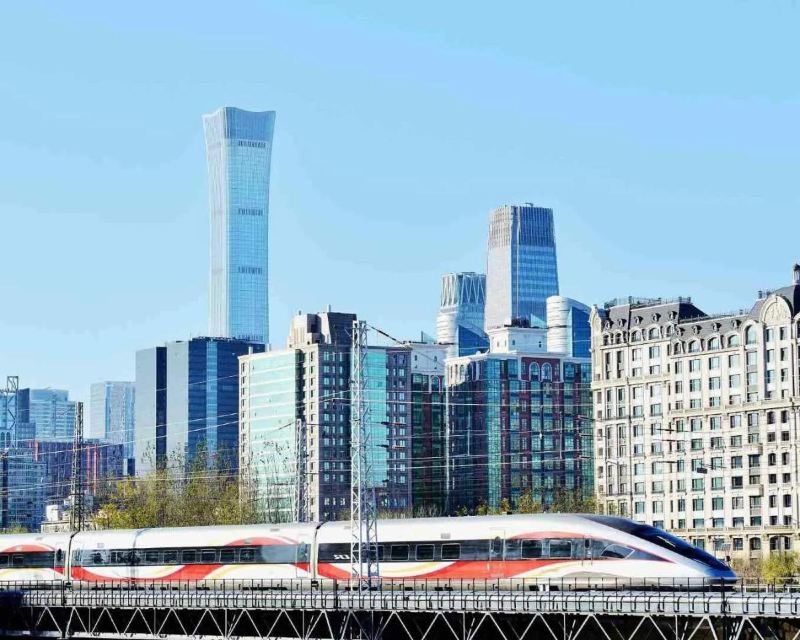 Updated: October 10, 2026
Beijing to Shanghai high-speed bullet train guide
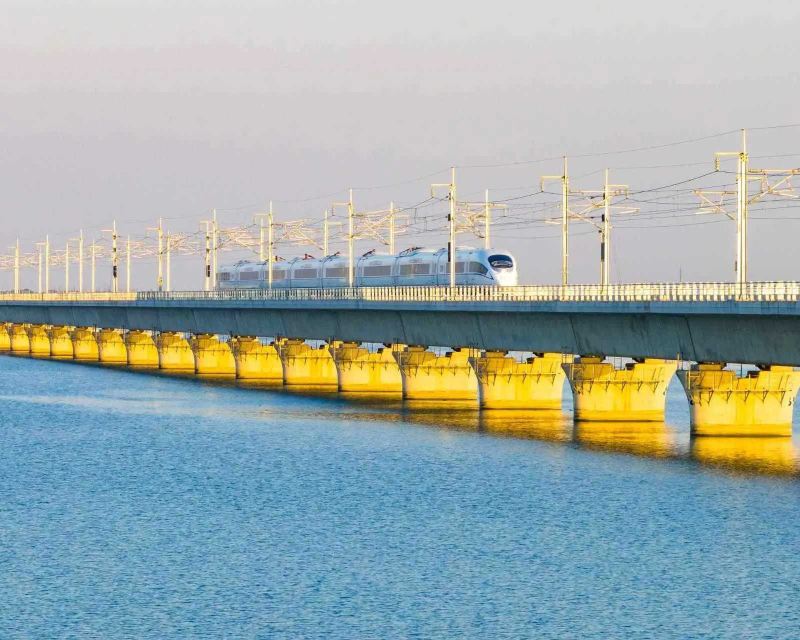 Updated: October 10, 2026
Shanghai to Suzhou high-speed trains guide



- Do you have to book train tickets in advance in Italy?Updated: November 6, 2026
- Getting the train to Design Museum: Closest station & routesUpdated: November 6, 2026
- Do you have to book train tickets in advance in France?Updated: November 6, 2026
- Getting the train to Marble Arch: Closest station & routesPublished: November 6, 2026
- How to buy train tickets in France: Step-by-step guidePublished: November 6, 2026
- Paris Christmas Markets by Eurostar: Full guideUpdated: October 28, 2026
- Brussels Christmas Markets (Winter Wonders) by Eurostar 2026Updated: October 28, 2026
- Getting the train to Excel London: Closest station & routesPublished: October 28, 2026
- Edinburgh Christmas Market by train: Nearest station and routesUpdated: October 28, 2026
- Getting the train to Clifton Suspension Bridge: Closest station & routesPublished: October 27, 2026
- Eurostar to Paris for New Year’s Eve: Our guidePublished: October 27, 2026
- Getting the train to Oxford Street: Closest station & routesPublished: October 27, 2026