
Shanghai to Suzhou high-speed trains guide
Reach Suzhou’s gardens and canals from Shanghai in around 25 minutes

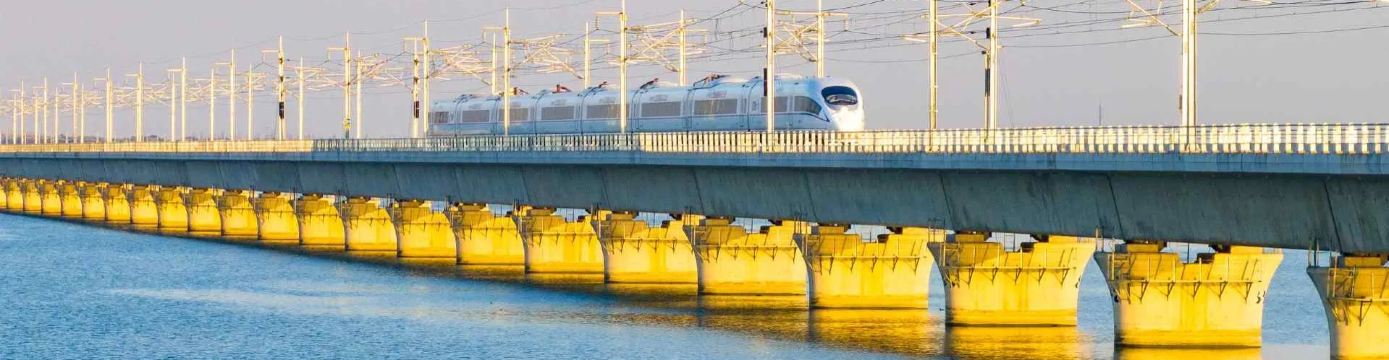
The contrast between the two cities makes the short journey especially worthwhile. Trains depart from both Shanghai Hongqiao and Shanghai Railway Station, while several stations serve Suzhou. For most first-time visitors, Suzhou Railway Station is the most convenient choice for the historic centre; Suzhou North sits farther from the main sightseeing areas.
For eligible international travellers, Shanghai and Suzhou can also be combined under China’s applicable visa-free transit arrangements, making the route a convenient addition to a short stay in the Yangtze River Delta. travellers should confirm the latest eligibility and permitted travel area for their nationality and itinerary before booking.
Shanghai–Suzhou by train: 25-minute journeys and all-day departures
How fast is the Shanghai–Suzhou high-speed train?
Some trains reach Suzhou North in just over 20 minutes, but the shortest train time does not always mean the quickest sightseeing journey. Suzhou Railway Station is much closer to the historic centre, including the Humble Administrator’s Garden, Suzhou Museum and Pingjiang Road. For a day trip, spending a few extra minutes on the train can save considerably more time after arrival.
Rail beats every alternative here by a wide margin. Driving takes 1.5–2 hours before traffic, and flying does not exist as an option on an 84 km hop. The train is also cheaper than a taxi across Shanghai.
How often do trains run between Shanghai and Suzhou?
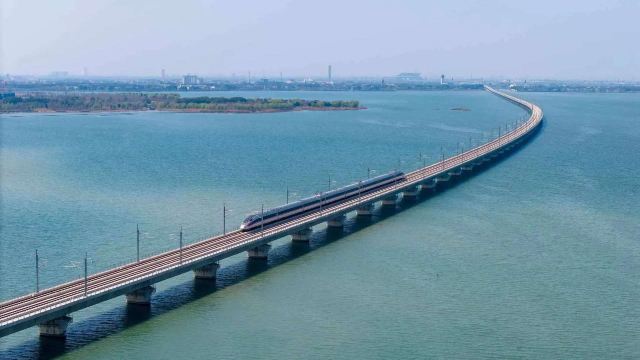
With around 450 departures a day in each direction, Shanghai–Suzhou is one of China’s most frequently served intercity rail routes. Trains begin running shortly after 5 AM and continue until late evening, with services often separated by only 5–15 minutes during the busiest periods. Return trains from Suzhou run late enough to leave room for dinner before heading back to Shanghai.
This is one of the few Chinese rail corridors where turning up unplanned genuinely works on a weekday. Weekends are the exception. Suzhou is Shanghai's standard escape, and Saturday morning services fill early.
Station Guide: Choosing the best route to Suzhou
Which Shanghai and Suzhou stations should you choose?
- Shanghai Hongqiao Station is the city’s largest high-speed rail hub and has the widest choice of high-speed departures to Suzhou and is especially convenient for travellers staying in western Shanghai or connecting from Hongqiao Airport.
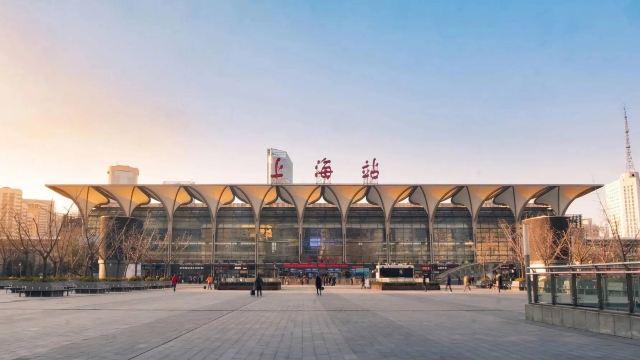
- Shanghai Station, however, is much closer to central neighbourhoods such as Jing’an, People’s Square and the Bund. If you are staying downtown, leaving from Shanghai Railway Station can save enough metro time to make it the more convenient option overall.
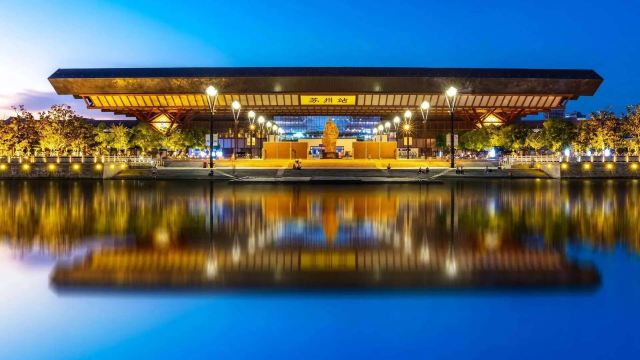
- Suzhou Station is usually the best choice for first-time sightseers. It sits just north of the historic centre and close to the city’s classical gardens, canals and old streets.
- Suzhou North Station is a major high-speed hub. It lies farther from the main attractions and is generally more useful for onward high-speed rail connections.
- Suzhou now also has Suzhou South Station.
Check the full station name before confirming your ticket.
From Suzhou Station to the gardens, canals and Tiger Hill
Arriving at Suzhou Railway Station puts you close to the historic centre, which is one reason it works so well for a day trip. Most of the major sights can be reached by metro, taxi or a short walk, without spending much of the day in transit.
- Humble Administrator’s Garden and Suzhou Museum: These neighboring attractions make a natural first stop after arriving in Suzhou. The area is around 15–20 minutes on foot from the station, or you can use Metro Line 4 and continue on foot for the final section.
- Pingjiang Road: The historic canal district sits southeast of the garden area, so it is easy to continue there on foot after visiting the museum or Humble Administrator’s Garden. From the station, Metro Line 4 toward Beisita also brings you closer to the old city.
- Shantang Street: A good choice for later in the afternoon or early evening, when the canal-side buildings begin to light up. Metro Line 2 to Shantangjie Station takes around 10 minutes from the railway station area.
- Tiger Hill: Located northwest of central Suzhou, Tiger Hill is less convenient by metro. A taxi or ride-hailing service takes around 15 minutes in normal traffic, making it easier to combine with a one-day itinerary.
Back in Shanghai, your arrival station affects the final part of the journey as well.
- Shanghai Station is relatively convenient for central neighbourhoods
- Shanghai Hongqiao requires a longer metro ride into the city. From Hongqiao, Metro Line 2 reaches East Nanjing Road for the Bund area in roughly 45 minutes.
Seat class guide for Suzhou
On a journey of around 25–35 minutes, seat class matters much less than it would on a long-distance route. For most Shanghai–Suzhou day trips, Second Class offers everything you need, while the higher classes are mainly useful for extra space or luggage.
Second Class | First Class | Business Class | |
|---|---|---|---|
Seating Layout | 2+3 layout | 2+2 layout | 1+2 layout |
Legroom & Vibe | Standard space, lively atmosphere | Extra legroom, quiet & spacious | Fully flat leather seats, VIP Lounge access |
Luggage Space | Overhead racks & end-of-car rack | Larger overhead space & rear space | Dedicated luggage area |
Best For... | Budget travellers & short day trips | Families & travellers with large suitcases | Long-haul routes & business travel |
- Second Class is the natural choice for a Suzhou day trip. The journey is so short that the difference in comfort between classes has little time to matter.
- First Class becomes more useful when you are travelling with luggage. The 2+2 layout provides more personal space and can make a busy commuter service feel less crowded, particularly if Suzhou is your next overnight stop rather than a day trip.
- Business Class provides the most spacious seating and a quieter travel experience, with lounge access available at selected stations. On a short 25–35 minute journey to Suzhou, it is best suited to travellers who prioritize privacy and comfort regardless of journey length.
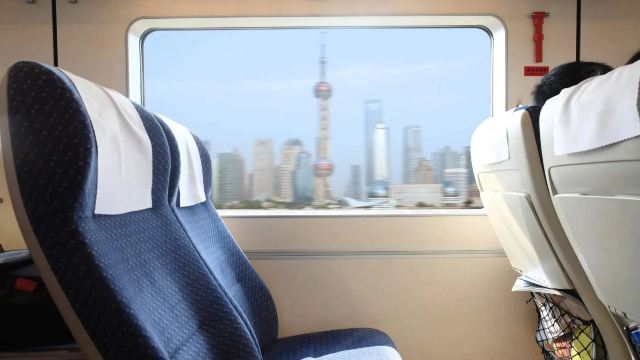
A day in Suzhou from Shanghai by high-speed rail
Suzhou is close enough to Shanghai that you do not need to rush through the city. An early train gives you a full sightseeing day, while staying overnight leaves more time for the gardens and canals after the day-trip crowds begin to leave.
A morning high-speed train from Shanghai Hongqiao or Shanghai Railway Station can have you at Suzhou Railway Station in around 25–35 minutes. From there, the Humble Administrator’s Garden and Suzhou Museum make a natural first stop, with both located in the same historic area.
After lunch, the route can continue through Pingjiang Road, where canals, stone bridges and traditional lanes offer a slower contrast to Shanghai. If time allows, another classical garden can easily fit into the afternoon without crossing the city.
Toward evening, Shantang Street becomes particularly atmospheric as the canal-side buildings and lanterns light up. Dinner here leaves enough time for a later train from Suzhou Railway Station back to Shanghai, with return services running well into the evening.
If you’re staying for the weekend, an overnight stay opens up the second day for Tiger Hill, another classical garden, or a nearby water town such as Tongli, without trying to squeeze everything into a single visit.

How to book & ride rail trains in Suzhou
Booking rules & pre-booking
With around 450 daily departures, Shanghai–Suzhou is one of the easiest high-speed rail routes to fit around your plans. The main exception is peak travel periods, including popular Saturday morning trains to Suzhou, Sunday evening returns to Shanghai and services during Chinese public holidays can fill much more quickly.
China Railway generally releases tickets 15 days before departure. On an ordinary weekday, the high frequency gives you plenty of flexibility, but for weekends and holidays it is safer to book as soon as your preferred train becomes available. Through Trip.com, international travellers can search schedules in English, pay with international credit cards and reserve eligible journeys before tickets officially go on sale, with the booking submitted when seats are released.
Boarding at the station
Remember to pay particular attention to the station name when booking. Shanghai and Suzhou both have multiple stations, so choosing the shortest journey without checking the arrival point can add unnecessary transfer time. For most day-trippers, Suzhou Railway Station is more convenient for the historic centre than Suzhou North.
Mainland China’s rail network is largely paperless, so there is normally no physical ticket to collect. Carry the original passport used for your reservation, as your booking is linked to your identity document and the passport is used to enter the station and board.
Lock in your passport-verified e-tickets on Trip.com and spend less time on the journey and more time exploring Suzhou’s gardens and canals.
Explore more China visa‑free travel inspiration?
Suzhou is only one of the easy high-speed rail trips you can add to a stay in Shanghai. Continue exploring the Yangtze River Delta or use Shanghai as the starting point for a longer journey across China.





- Shanghai–Suzhou by train: 25-minute journeys and all-day departures
- Station Guide: Choosing the best route to Suzhou
- Seat class guide for Suzhou
- A day in Suzhou from Shanghai by high-speed rail
- How to book & ride rail trains in
- Explore more China visa‑free travel inspiration?
Related travel guides
 Updated: September 29, 2026
Things to do in Chengdu: pandas, food and rail
 Updated: September 29, 2026
Things to do in Guilin and Yangshuo by rail
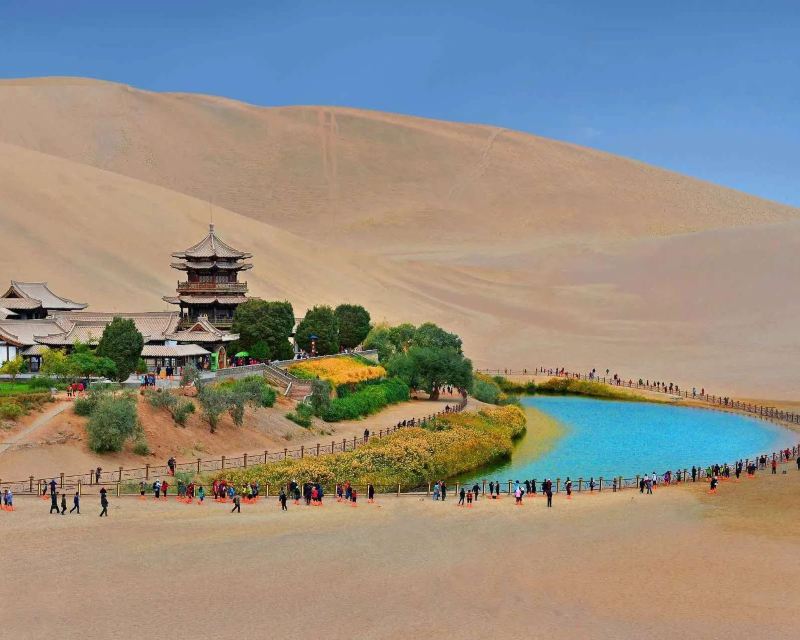 Updated: September 29, 2026
Dunhuang by rail: the last oasis on the Silk Road
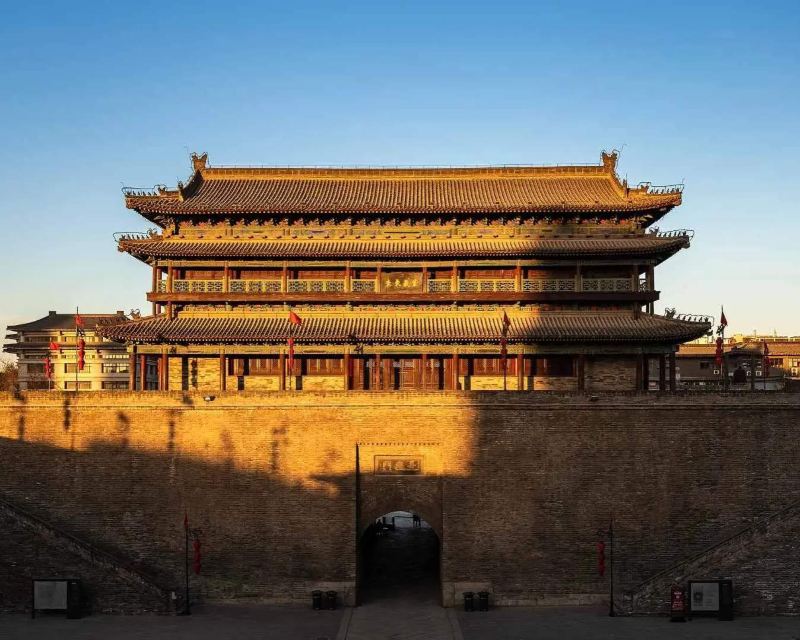 Updated: September 29, 2026
Xi'an rail guide: Terracotta Army and city wall
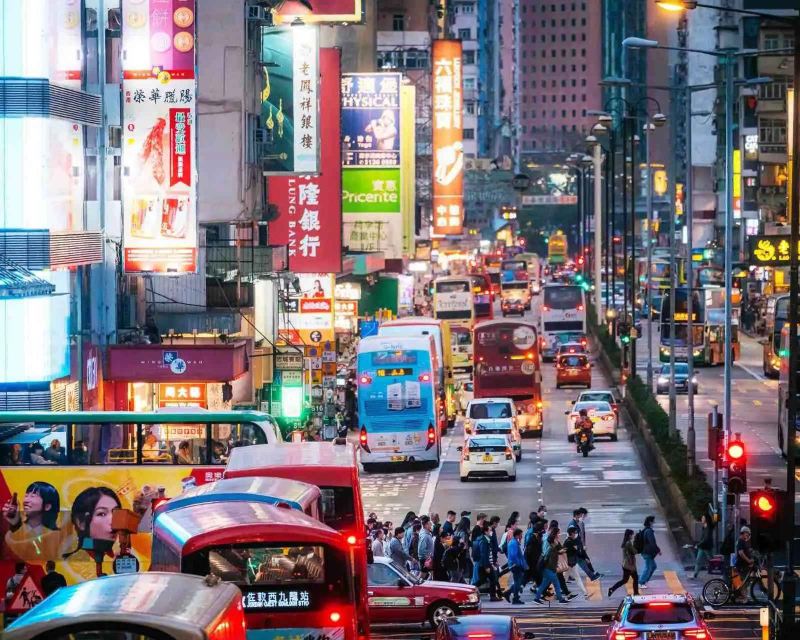 Updated: September 29, 2026
Hong Kong: gateway to Guangzhou and mainland rail
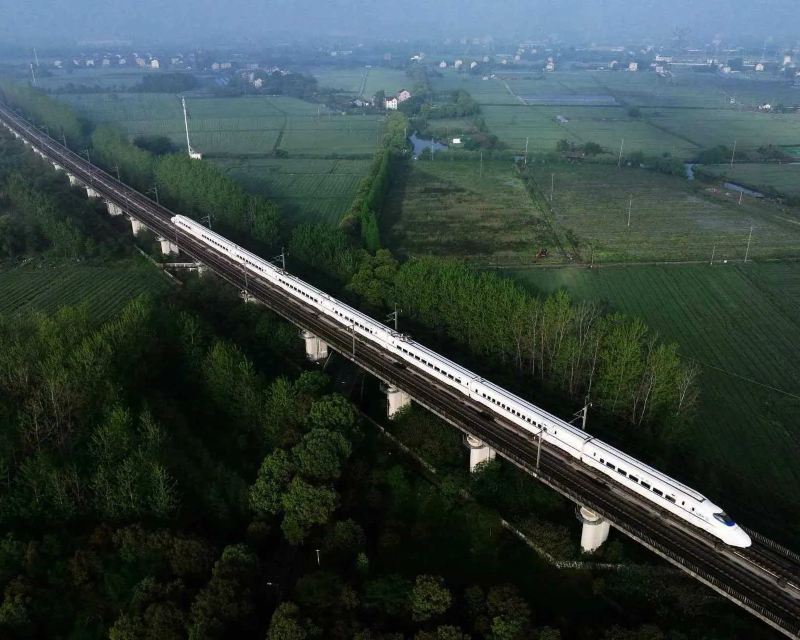 Updated: September 29, 2026
Shanghai to Hangzhou high-speed bullet train guide
 Updated: September 29, 2026
Beijing to Shanghai high-speed bullet train guide
 Updated: September 29, 2026
Chongqing to Zhangjiajie high-speed train guide


- Trains to Edinburgh University: Station & routesPublished: September 23, 2026
- Trains to Aberdeen University: Nearest station & routesPublished: September 23, 2026
- Getting the train to the University of Surrey: Nearest station, routes & student travel guidePublished: September 22, 2026
- Getting the train to the University of St Andrews: Nearest station, routes & student travel guidePublished: September 22, 2026
- Getting the train to the University of Bristol: Nearest station, routes and student travel guidePublished: September 22, 2026
- Getting the train to the University of Liverpool: Nearest station, routes & student travel guidePublished: September 22, 2026
- Getting the train to the University of Glasgow: Nearest station, routes & student travel guidePublished: September 22, 2026
- New UK train cancellation policy expanded: Simply hop on new servicesPublished: September 22, 2026
- Getting the train to the University of York: Nearest station, routes & student travel guidePublished: September 21, 2026
- Getting the train to the University of Southampton: Nearest station, routes & student travel guidePublished: September 21, 2026
- Getting the train to the University of Sheffield: Nearest station, routes & student travel guidePublished: September 21, 2026
- Portsmouth Historic Dockyard: Closest train station & routesPublished: September 21, 2026