
Hong Kong: gateway to Guangzhou and mainland rail
Things to do in Hong Kong, and gateway to Guangzhou, Shenzhen from West Kowloon

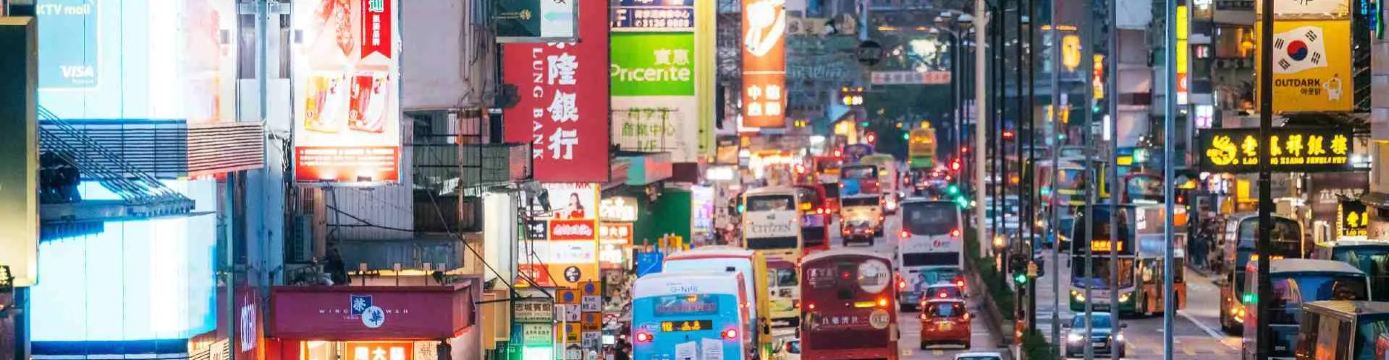
Hong Kong is a destination worth several days in its own right. It is a harbour city of historic tram lines and temples, dai pai dongs and mountain trails. The skyline may dominate the postcards, but much of the city’s character is found at street level, from morning dim sum and cha chaan tengs to the Star Ferry crossing between Kowloon and Hong Kong Island.
For first-time visitors, this creates an easy two-part itinerary: a few days exploring Hong Kong, followed by a high-speed rail journey into Shenzhen, Guangzhou and the rest of mainland China.
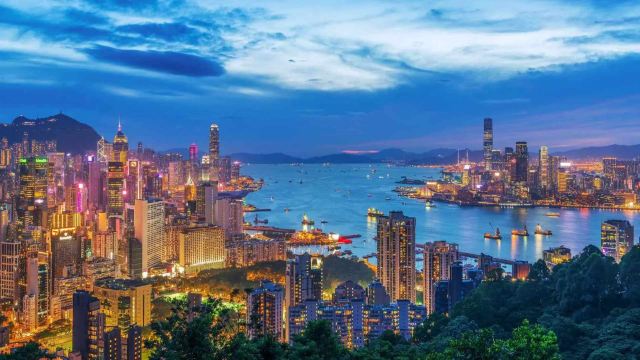
Top attractions & cultural highlights in Hong Kong
From Victoria Harbour to Hong Kong’s neighbourhood streets
- Victoria Harbour and Star Ferry: Victoria Harbour remains the visual heart of Hong Kong, and the Star Ferry offers one of the simplest ways to experience it. The crossing between Central and Tsim Sha Tsui takes less than ten minutes, with uninterrupted views of the skyline from the water. Around dusk, the trip pairs naturally with an evening walk along the Tsim Sha Tsui promenade and the Symphony of Lights at 8 pm.
- Victoria Peak: The classic view from the Peak stretches across Victoria Harbour, Central’s towers and the densely built neighbourhoods beyond. The historic Peak Tram is part of the experience, although queues can be long at popular times. Late afternoon offers both daylight and nighttime views, while the relatively flat Lugard Road walk provides excellent panoramas away from the main viewing areas.
- West Kowloon Cultural District: Sitting beside Hong Kong West Kowloon Station, the district is particularly convenient before an onward train. M+ focuses on modern and contemporary visual culture, while the Hong Kong Palace Museum presents Chinese art and rotating exhibitions. The waterfront lawns also offer some of Kowloon’s best open views toward Hong Kong Island.
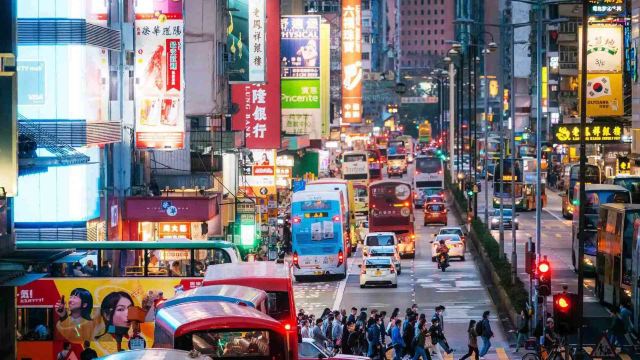
- Mong Kok and Temple Street: After dark, Kowloon shifts to street markets, neighbourhood restaurants and dense shopping streets. Mong Kok provides the busier side of the experience, while Temple Street is known for its evening market and casual food stalls.
- Tian Tan Buddha and Ngong Ping 360: On Lantau Island, the Ngong Ping 360 cable car crosses mountains and coastline before reaching the Tian Tan Buddha and Po Lin Monastery. The journey takes around 25 minutes and offers a quieter, greener contrast to central Hong Kong’s urban landscape.
Dim sum, cha chaan tengs and Hong Kong street food
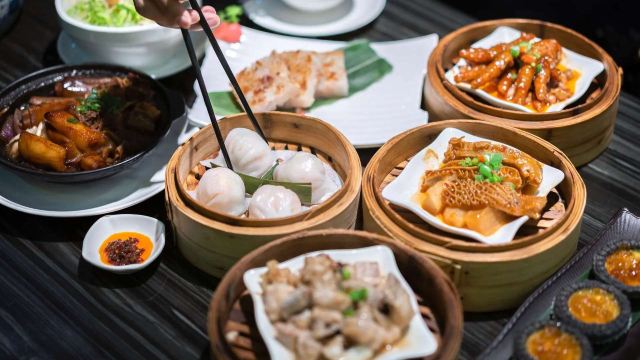
Hong Kong’s food culture moves easily between dim sum restaurants, cha chaan teng cafés, roast-meat shops and street-side snacks. A traditional morning might begin with har gow, siu mai and steamed buns over tea, while a cha chaan teng lunch brings dishes such as baked pork chop rice, macaroni soup, milk tea and pineapple buns.
Cantonese roast meats are another everyday staple, with char siu, roast pork and goose served over rice or noodles. Wonton noodles, egg tarts and fish balls are easy to fit between sightseeing stops rather than requiring a formal meal.
Neighbourhood matters as much as the dish. Central and Sheung Wan work well for combining food with historic streets, while Jordan, Yau Ma Tei and Mong Kok offer a more casual Kowloon atmosphere. West Kowloon Station is close enough to Jordan and Tsim Sha Tsui that a final dim sum breakfast or noodle lunch can easily fit before an afternoon train into mainland China.
Scenic day trips from Hong Kong by high-speed rail
Shenzhen, Guangzhou and Zhuhai from West Kowloon
Hong Kong West Kowloon connects directly with the mainland high-speed rail network, turning Shenzhen and Guangzhou into easy extensions rather than separate flight-based trips. The main difference from an ordinary domestic Chinese train journey is that passengers complete Hong Kong and mainland immigration procedures at West Kowloon before departure.
- Hong Kong West Kowloon → Shenzhen North: Shenzhen is the easiest first step into mainland China. Direct trains from Hong Kong West Kowloon to Shenzhen North can take as little as 18 minutes, while services to the more centrally located Futian Station can be even faster. There are around 140 daily departures across the Shenzhen route, giving travellers considerable flexibility throughout the day.
For visitors interested in Shenzhen as more than a transfer point, the city offers contemporary architecture, shopping, food and waterfront districts very different from historic Hong Kong. Shenzhen North is also a major interchange for onward high-speed trains deeper into Guangdong and the rest of China.
- Hong Kong West Kowloon → Guangzhou East: Guangzhou brings a very different side of the Greater Bay Area into the itinerary. Direct trains run from West Kowloon to Guangzhou East, with current services taking around 1 hour 30 minutes on many direct departures. Guangzhou East is useful because it arrives closer to established central districts such as Tianhe than Guangzhou South.
travellers searching for Guangzhou, Canton city, China or the city of Guangzhou will also encounter Guangzhou South when booking. It is the city’s larger high-speed rail hub, and the fastest Hong Kong services can reach it in under an hour. Guangzhou South is generally more useful for onward high-speed rail connections, while Guangzhou East can be more convenient when Guangzhou itself is the destination.
- Hong Kong → Zhuhai and the Greater Bay Area: Zhuhai is another natural addition to a southern China itinerary, although unlike Shenzhen and Guangzhou, there is currently no direct high-speed train from Hong Kong West Kowloon to Zhuhai. travellers going by rail have two main transfer options. From Shenzhen North, direct trains to Zhuhai take around 1 hour 55 minutes, although there are currently only a few direct departures each day. travelling via Guangzhou South takes 45–60 minutes to Zhuhai. The second leg is particularly frequent, with around 150 daily services on current schedules. Whichever route you choose, leave enough transfer time between trains rather than simply adding the two journey times together.
Together, Hong Kong, Shenzhen, Guangzhou and Zhuhai form a useful cluster for travellers who want to explore several Greater Bay Area cities before continuing north through China’s rail network.
West Kowloon and mainland arrival stations: Which one should you choose?
Hong Kong West Kowloon Station is the city’s terminal for high-speed trains into mainland China. It sits beside Kowloon Station and Austin Station, within easy reach of Tsim Sha Tsui, Jordan and the West Kowloon Cultural District.
The main difference from mainland domestic rail travel is immigration. West Kowloon uses a co-location arrangement, allowing travellers to complete both Hong Kong departure procedures and mainland China entry formalities inside the station before boarding. For that reason, arriving at the station requires more time than taking an ordinary domestic high-speed train.
Once across the border, the arrival station also matters. The most popular stations are listed below.
- Shenzhen North: Best for onward high-speed rail connections deeper into China.
- Futian (Shenzhen): More convenient for central Shenzhen and business/shopping districts.
- Guangzhou East: Best for Tianhe District and downtown Guangzhou.
- Guangzhou South: Major regional HSR hub best suited for onward long-distance journeys.
Checking the exact arrival station before booking can save a substantial cross-city transfer after reaching the mainland.
Four days in Hong Kong before crossing into Shenzhen
How to book & ride rail trains in Hong Kong
Station procedures: Co-location immigration at West Kowloon
Taking the high-speed rail from Hong Kong is straightforward, but West Kowloon works differently from a typical mainland station. Before boarding a train to Shenzhen, Guangzhou, or another mainland destination, you can complete both Hong Kong departure procedures and mainland China entry formalities inside the station. It is therefore worth allowing extra time for security, immigration and the walk to your platform, even when the train journey itself is short.
Booking tickets and the 15-day window
China Railway generally releases tickets 15 days before departure. Hong Kong–Shenzhen and Hong Kong–Guangzhou services are frequent, but convenient departures can still fill during weekends and Chinese public holidays. With Trip.com, international travellers can search schedules in English, pay with international credit cards and reserve eligible journeys before tickets are officially released, with the booking submitted once the sales window opens.
There is normally no paper ticket to collect. Your booking is linked to your identity document, so keep the original physical passport used for the reservation with you for immigration and boarding. Entry requirements for mainland China vary by nationality and should be checked separately before travel.
For the short trip to Shenzhen, Second Class is clean, comfortable, and usually all you need. First Class provides wider seats and a quieter carriage, which can be more worthwhile on longer journeys.
Lock in your passport-verified e-tickets on Trip.com and start your mainland China rail journey from Hong Kong West Kowloon.
Explore more China visa‑free travel inspiration?




- Top attractions & cultural highlights in Hong Kong
- Scenic day trips from Hong Kong by high-speed rail
- How to book & ride rail trains in Hong Kong
- Explore more China visa‑free travel inspiration?
Related travel guides
 Updated: September 29, 2026
Things to do in Chengdu: pandas, food and rail
 Updated: September 29, 2026
Things to do in Guilin and Yangshuo by rail
 Updated: September 29, 2026
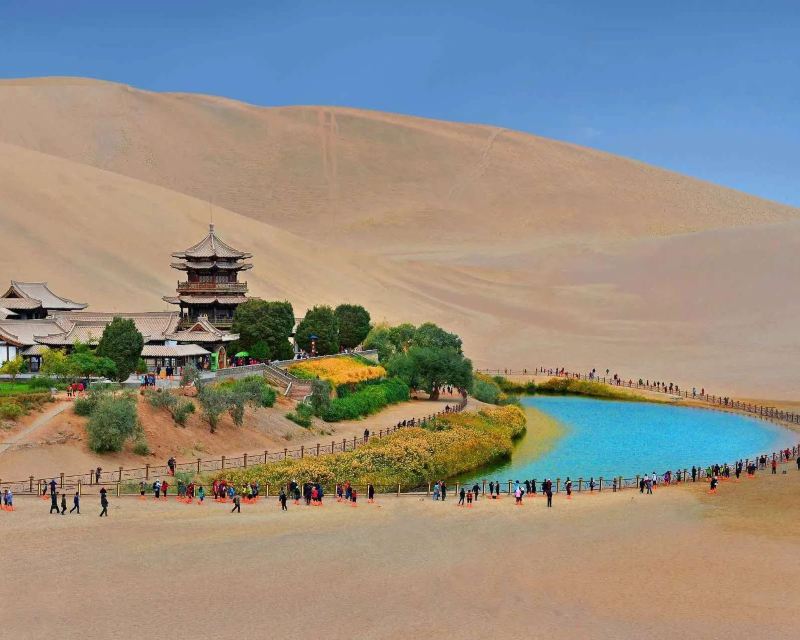
Dunhuang by rail: the last oasis on the Silk Road
 Updated: September 29, 2026
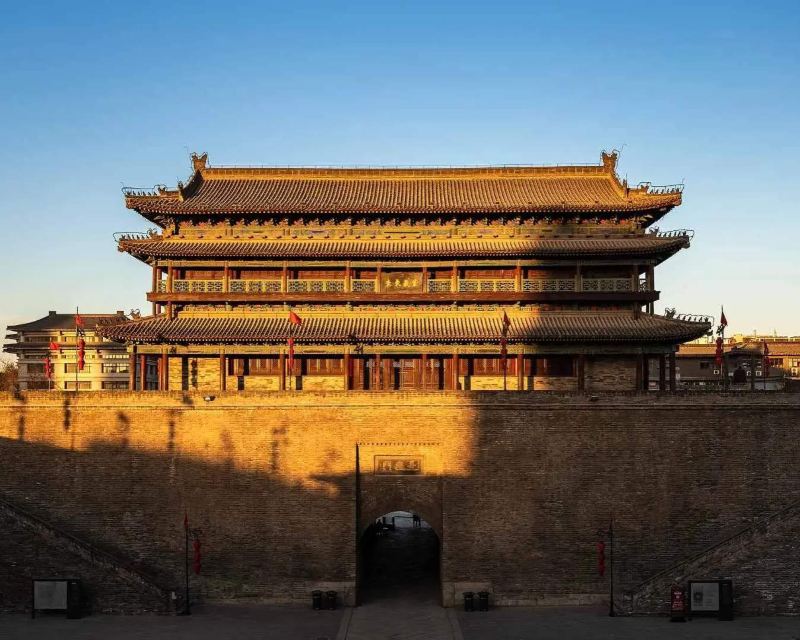
Xi'an rail guide: Terracotta Army and city wall
 Updated: September 29, 2026
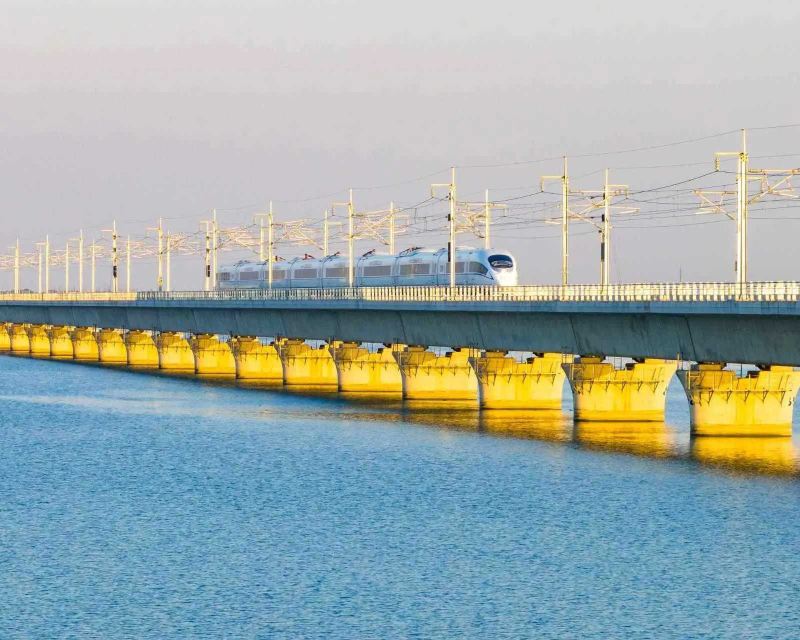
Shanghai to Suzhou high-speed trains guide
 Updated: September 29, 2026
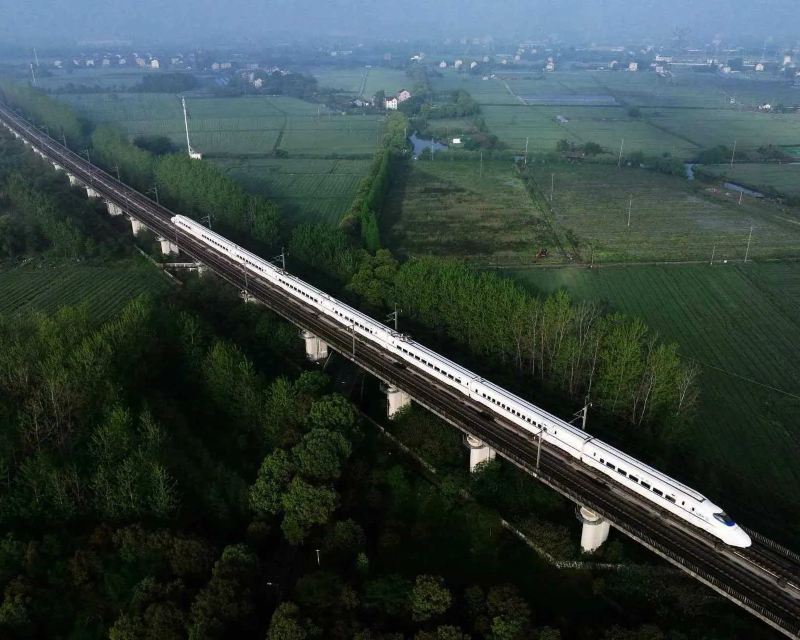
Shanghai to Hangzhou high-speed bullet train guide
 Updated: September 29, 2026
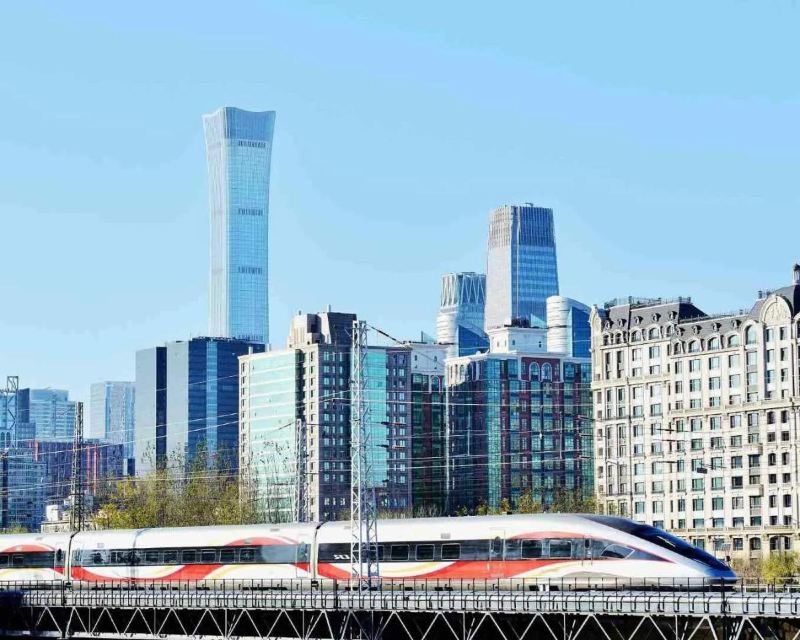
Beijing to Shanghai high-speed bullet train guide
 Updated: September 29, 2026
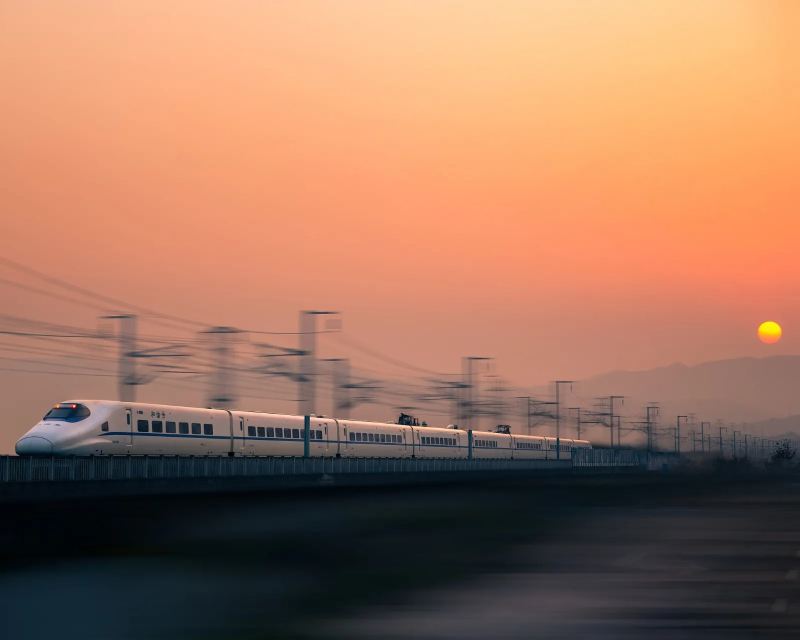
Chongqing to Zhangjiajie high-speed train guide
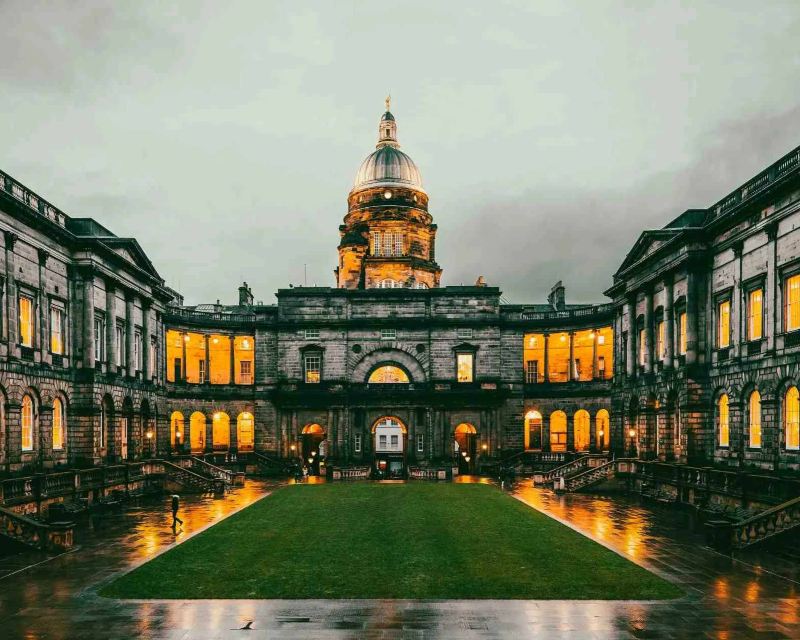

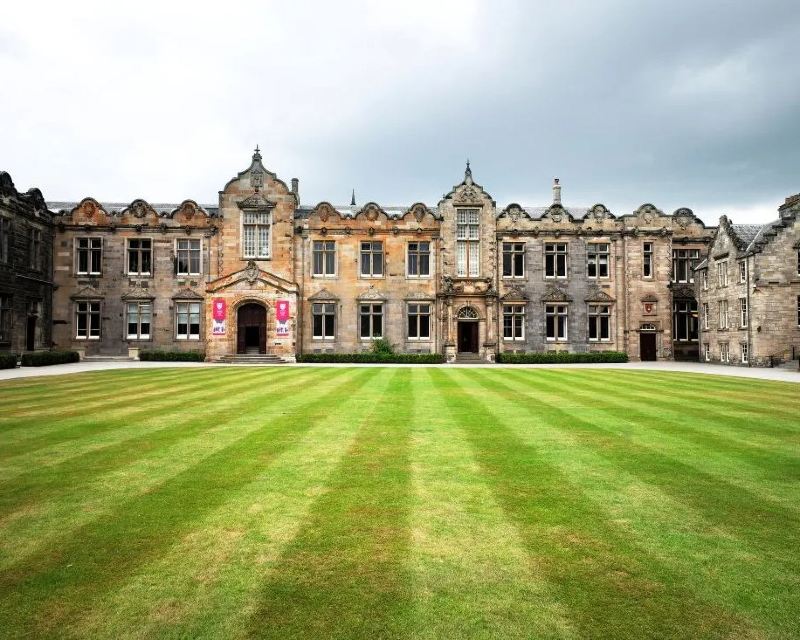
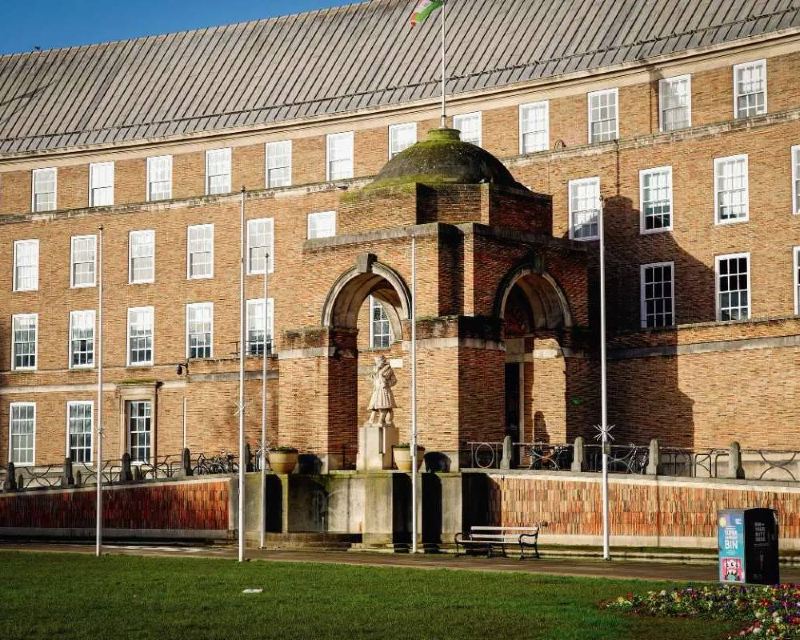
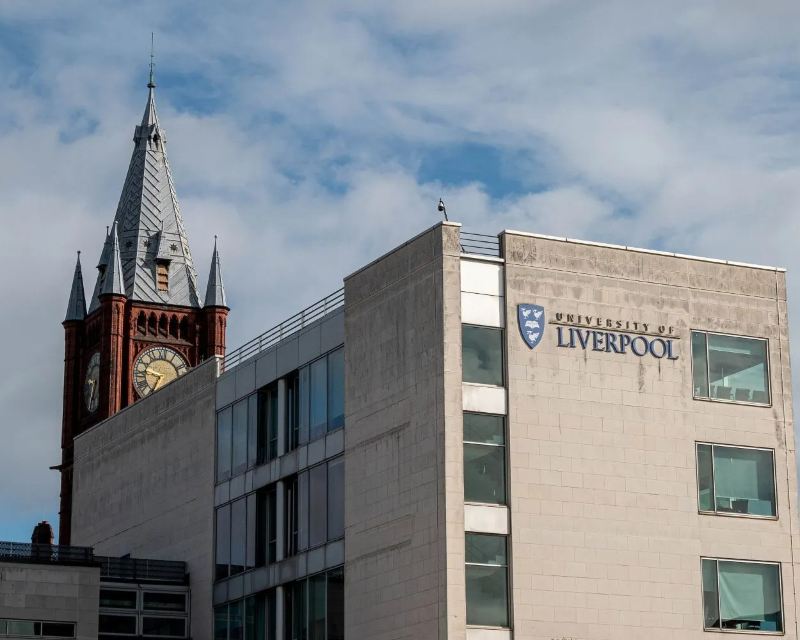
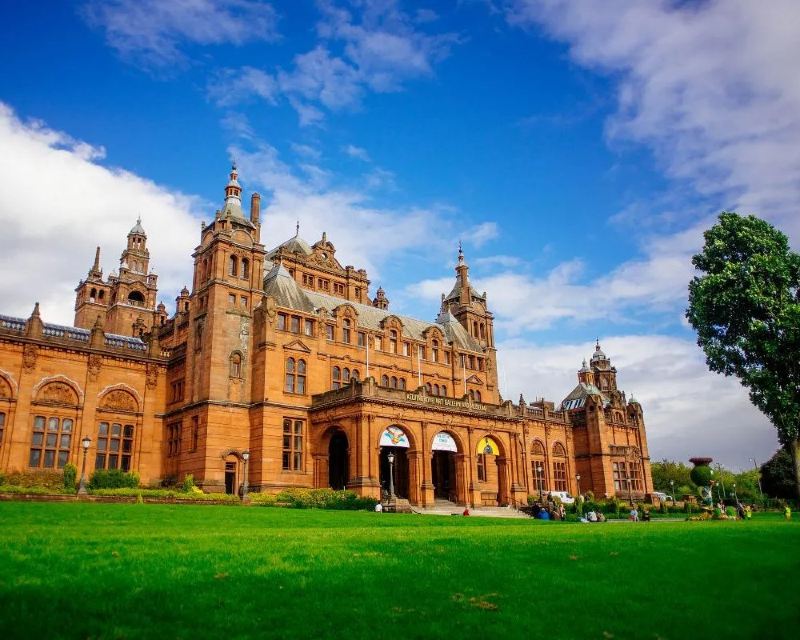

- Trains to Edinburgh University: Station & routesPublished: September 23, 2026
- Trains to Aberdeen University: Nearest station & routesPublished: September 23, 2026
- Getting the train to the University of Surrey: Nearest station, routes & student travel guidePublished: September 22, 2026
- Getting the train to the University of St Andrews: Nearest station, routes & student travel guidePublished: September 22, 2026
- Getting the train to the University of Bristol: Nearest station, routes and student travel guidePublished: September 22, 2026
- Getting the train to the University of Liverpool: Nearest station, routes & student travel guidePublished: September 22, 2026
- Getting the train to the University of Glasgow: Nearest station, routes & student travel guidePublished: September 22, 2026
- New UK train cancellation policy expanded: Simply hop on new servicesPublished: September 22, 2026
- Getting the train to the University of York: Nearest station, routes & student travel guidePublished: September 21, 2026
- Getting the train to the University of Southampton: Nearest station, routes & student travel guidePublished: September 21, 2026
- Getting the train to the University of Sheffield: Nearest station, routes & student travel guidePublished: September 21, 2026
- Portsmouth Historic Dockyard: Closest train station & routesPublished: September 21, 2026