Sweet Gaudi Dessert Adjustment
Casa Vicens
Casa Vicens Gaudí based on 2,734 reviews
 No. 9 of Best Things to Do in Costa del Maresme
Closed Today Opening hours of Casa Vicens
Casa Vicens attraction highlights
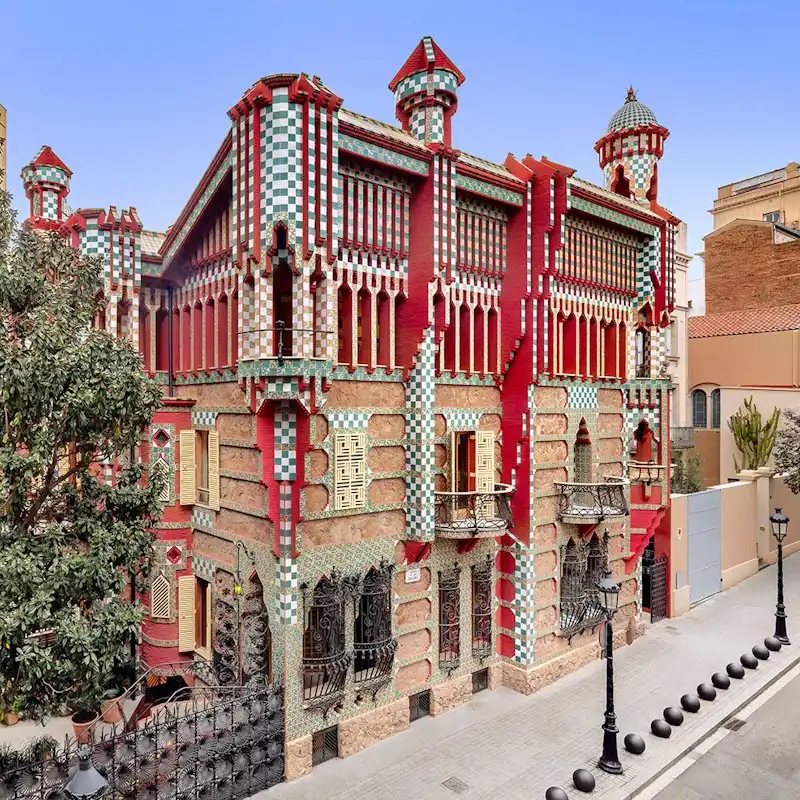
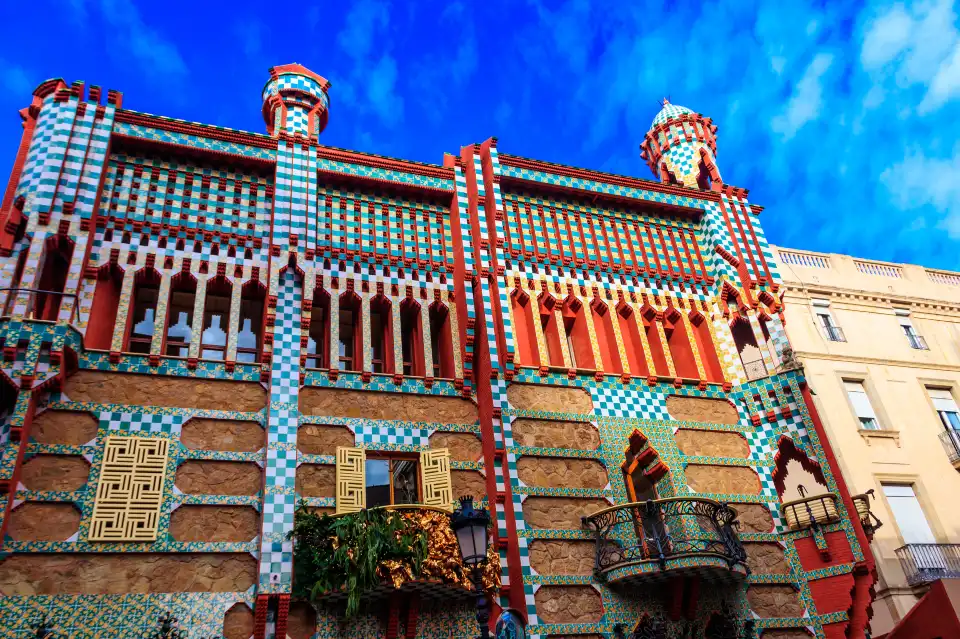
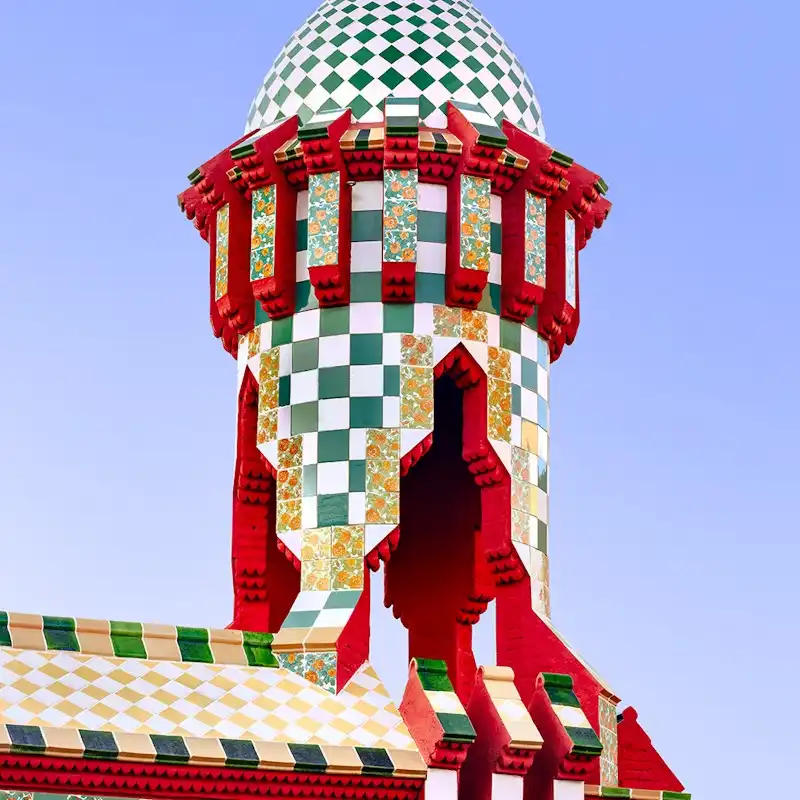
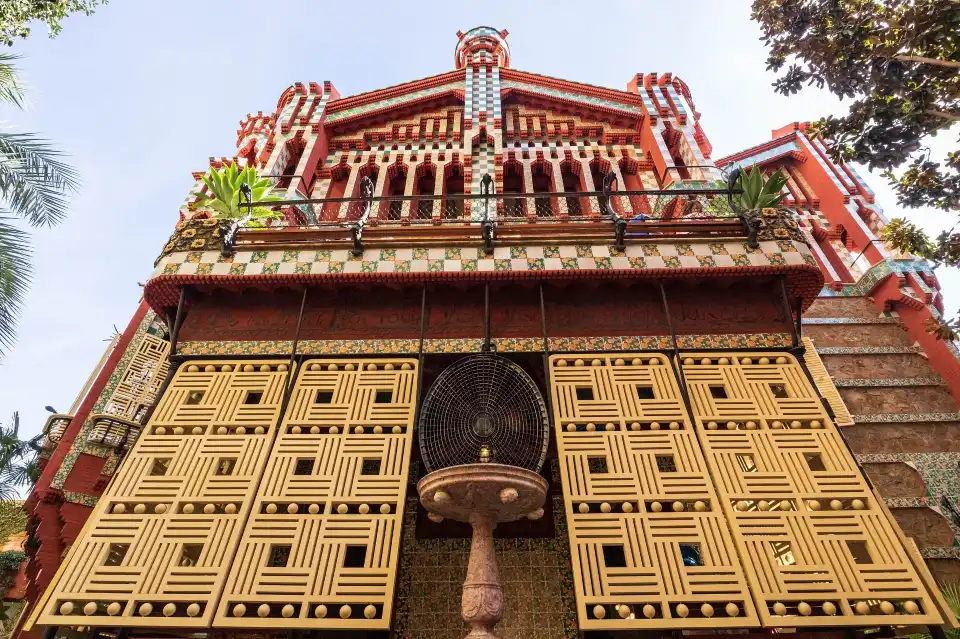
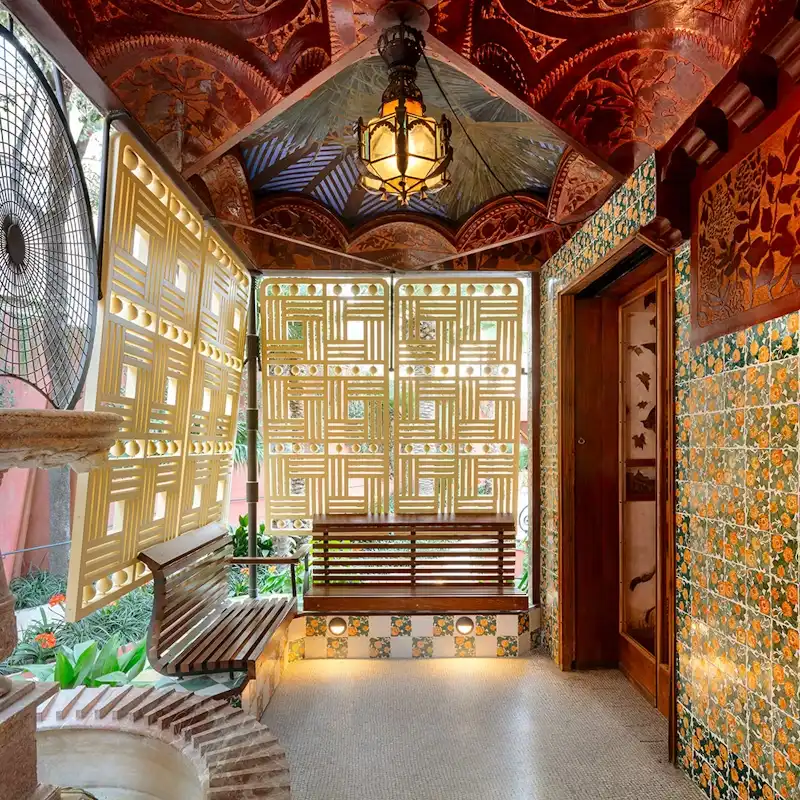
Casa Vicens is Gaudí's first architectural work, widely recognized by the art world as the origin of all his whimsical ideas. Located in Barcelona's vibrant Gràcia district, this building is a private residence blending Neo-Mudéjar, exotic Oriental, and Neoclassical styles. Construction began in 1883, incorporating diverse materials such as iron, glazed tiles, colored papier-mâché, mosaic tiles, and rough red bricks. With his unique craftsmanship, Gaudí harmonized these elements, showcasing the intrinsic value of materials in architecture. As a devoted naturalist, Gaudí drew decorative inspiration from local flora like palm leaves, marigolds, ivy, and daisies. He meticulously integrated these motifs into the house—wall paintings, roof ornaments, and balcony patterns all echo nature's forms, blurring the boundaries between indoors and outdoors. Every corner exudes a sense of natural balance. In his 1878 book *La Casa Pairal*, Gaudí elaborated on his philosophy of private residences and the concept of "home." These ideas found tangible expression in Casa Vicens, marking his first attempt to merge theory with practice and laying the foundation for his signature style. The house brilliantly demonstrates the beauty and power of design. Later masterpieces like Park Güell, Casa Batlló, Casa Milà, and the Sagrada Família further cemented the bond between Barcelona and Gaudí's name. As one of the early 20th century's foremost architects, the city fueled his genius, while his creations became its aesthetic legacy. Casa Vicens was inscribed as a UNESCO World Heritage Site in 2005. Until 2014, it remained a private residence before undergoing extensive restoration and opening as a museum in November 2017. After two years of refinements, this architectural gem unveiled its splendor to the public after a century of seclusion.
Other visitors' reviews of Casa Vicens
Show More ReviewsIt's Gaudí's debut work and the starting point of modernist architecture in Barcelona. Compared to the romance of Casa Batlló, this place is full of the fusion of Islamic and Japanese styles. The walls covered in marigold tiles, the exquisite wrought-iron birdcage windows, and the dreamy smoking room create a strong visual impact. Moreover, it's relatively less crowded, making for a very comfortable experience.