OverviewReviewsWin PrizesDetailsNearbyRecommended
Share to
Show all
Palau de la Música Catalana(Catalan Music Palace, Palau Barcelona, Palau de la Musica Concert Hall, Barcelona Music Palace, Palau Catalana, Palau de la Musica, Palau de la Musica Catalana Barcelona)
9.0
4.6/5
534 reviews
 based on 19,229 reviews
 No. 6 of Best Things to Do in Costa del Maresme
Open Opening hours of Palau de la Música Catalana
Age requirements
Recommended sightseeing time: 1–2 hours
Address:
C/ Palau de la Música, 4-6, Ciutat Vella, 08003 Barcelona, Spain
Map
Phone:Ticket inquiry: +34-938-555731|+34-932-957200
Palau de la Música Catalana attraction highlights
Some information may have been translated by Google Translate
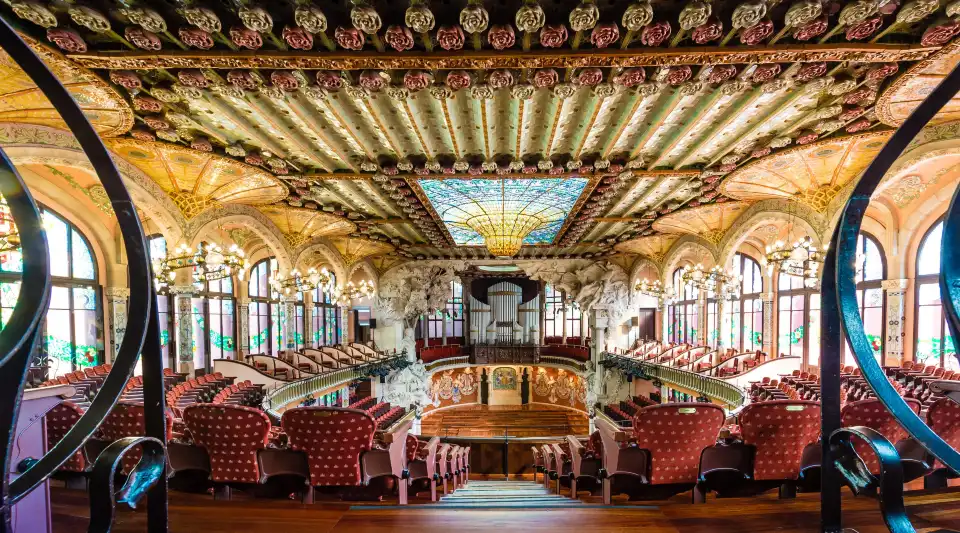
• Discover a shining example of Catalan modernism, a UNESCO World Heritage Site
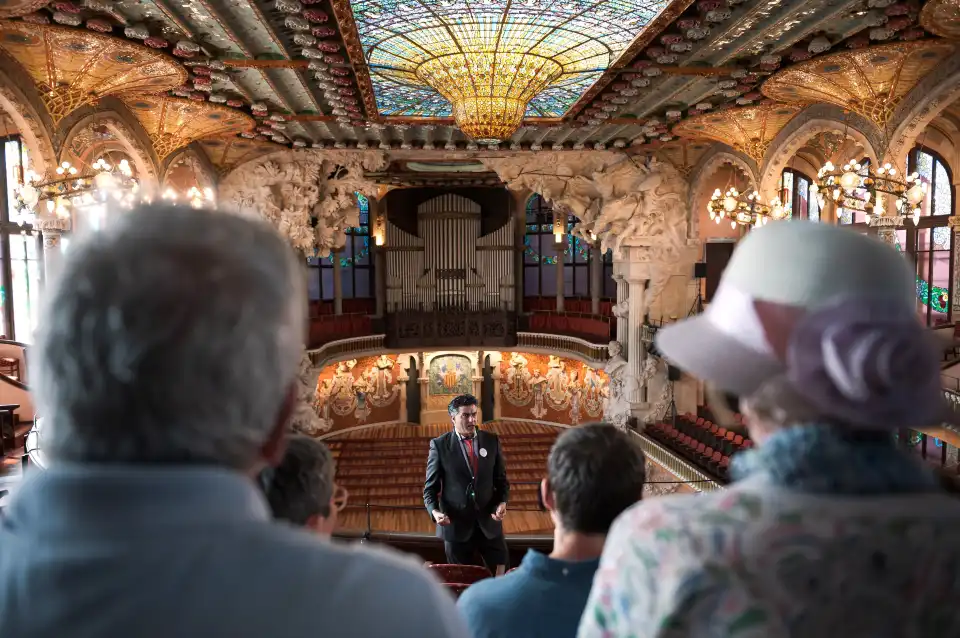
• Admire the ornate details inside and feel the beauty of this classical building
• Watch artistic performances with local ethnic characteristics such as flamenco dance and Catalan folk songs.
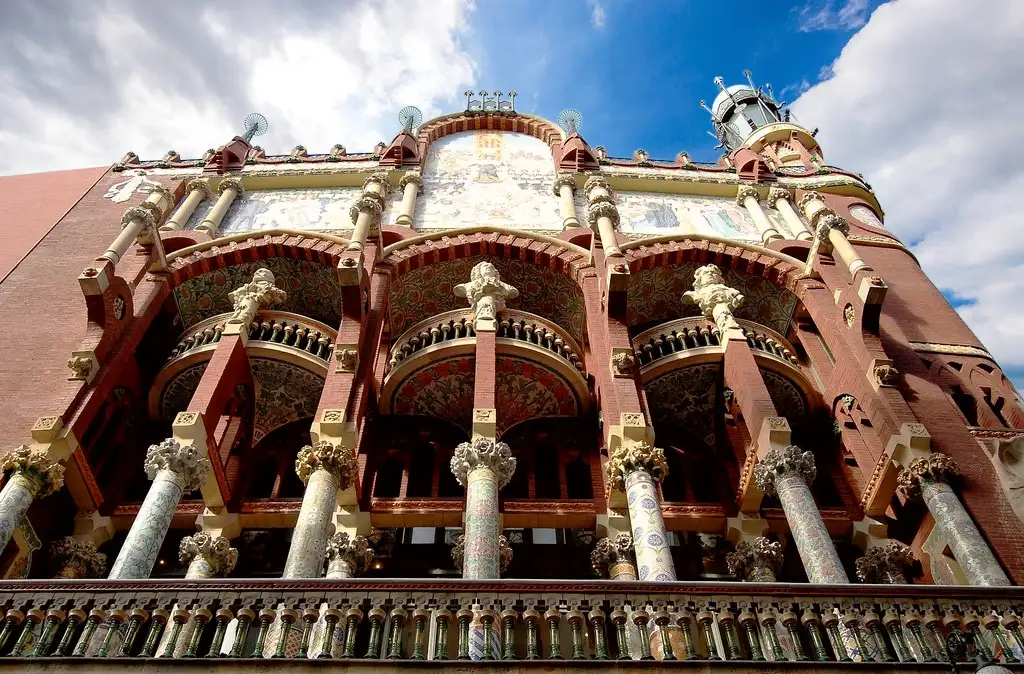
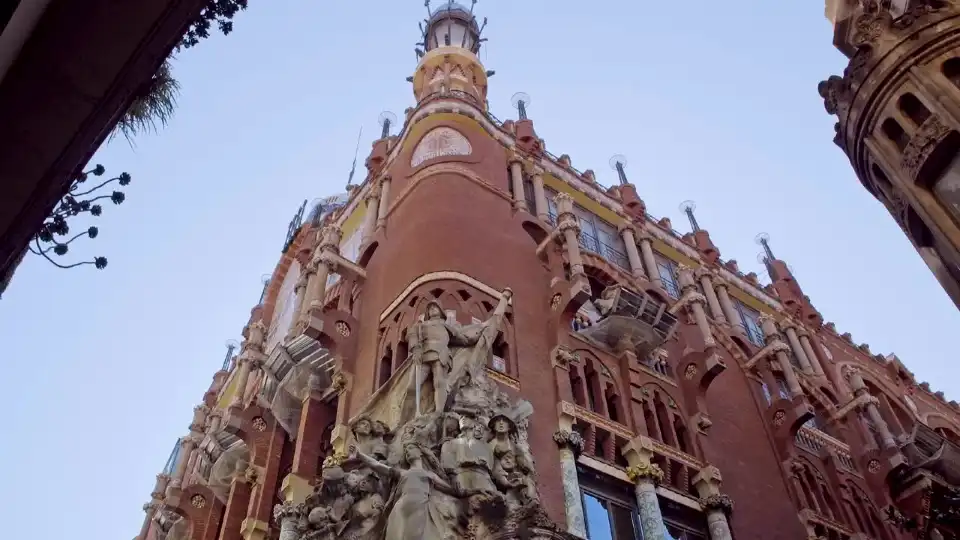
△ The outer wall of Palau de la Música Catalana is decorated with group sculptures based on folk songs, including traditional Catalan elements and Arabic elements. It is colorful and eye-catching.
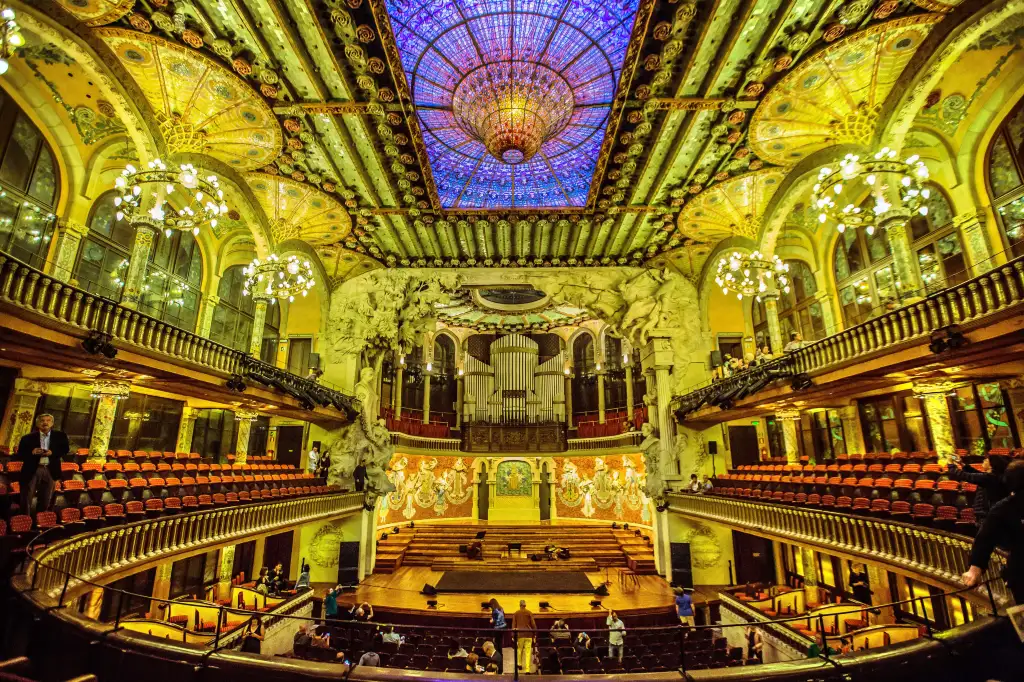
△ The Palau de la Música Catalana was built from 1905 to 1908. It is the work of the modernist architect Mondarnel. It is one of the shocking modernist-style buildings in Barcelona. Its colorful sculptures and ceramic mosaic decorations are its outstanding features
Surrounding area map of Palau de la Música Catalana
Trip.com picks
Popular cities in Spain
Popular Barcelona Tours
Best Barcelona Experiences
Popular Destinations
More recommendations
Nearby Attractions
Sagrada Familia | Casa Batlló | Park Güell | La Pedrera – Casa Milà | Picasso Museum Barcelona | Palau de la Música Catalana | Flamenco City Hall Theatre - Barcelona | Spotify Camp Nou | Casa Vicens | Cathedral of Barcelona | Recinte Modernista de Sant Pau | Güell Palace | National Art Museum of Catalonia | Gothic Quarter | Teleferic de Montjuic | FC Barcelona Museum | Tablao Cordobes Flamenco show | Aquarium Barcelona | Mercat de la Boqueria | Montjuïc
Popular Types of Attractions in Barcelona
Historical attractions | Nature and wildlife | Natural scenery | Beaches and shores | Mountain climbing | Sightseeing tours | Night view | Boat tour | Sightseeing bus | Cultural institutions | Themed exhibition halls | Museums | Exhibitions & events | Performances | Concerts | Exhibitions | Leisure activities | Farms and pastures | Camping and campsites | Spa/massage | Skybound experiences | Outdoor activities | Mountain climbing | Cycling | Parks | Water sports
Popular Restaurants in Barcelona
Arume Restaurant | 7 Portes | Tapa Tapa Passeig de Gràcia | Lasarte Restaurant | Les Quinze Nits | Aleia Restaurant | Cerveceria Catalana | Ciutat Comtal | ABaC Restaurant | Disfrutar | Vivo Tapas | La Flauta | Enoteca Paco Perez | Can Fisher | fismuler barcelona | Bodega Joan | Bar Cañete | La Pepita | Taverna El Glop | Vinitus | Caelis | Vivo Tapas | La Flauta | Dos Palillos | Enoteca Paco Perez | Alkimia | Can Fisher | fismuler barcelona | Casa de Tapas Canota | Antigua
Popular Destinations
La Coruna Travel | Santander Travel | Hackney Travel | Chatham Travel | Gifu City Travel | Hitoyoshi Travel | East Point Travel | Burqin Travel | Ringland Travel | Kamphaeng Phet Province Travel | Barking and Dagenham Travel | Oyster Bay Cove Travel | Xitang Historic Town of China Travel | Yabuli Ski Resort Travel | Orono Travel | Holyoke Travel | SeaTac Travel | Tilton Travel | County Mayo Travel | San Miguel County Travel | xiandu Travel | Kolomna Travel | Venus Bay Travel | St. Louis County Travel | Dubrovnik Travel | Quarry Township Travel | Pirna Travel
Recommended attractions at popular destinations
Popular Attractions in Bangkok | Popular Attractions in City of Manila | Popular Attractions in Tokyo | Popular Attractions in Taipei | Popular Attractions in Hong Kong | Popular Attractions in Seoul | Popular Attractions in Kuala Lumpur | Popular Attractions in Los Angeles | Popular Attractions in Shanghai | Popular Attractions in New York | Popular Attractions in Shenzhen | Popular Attractions in Osaka | Popular Attractions in Singapore | Popular Attractions in London | Popular Attractions in Guangzhou | Popular Attractions in San Francisco | Popular Attractions in Beijing | Popular Attractions in Macau | Popular Attractions in Bali | Popular Attractions in Jakarta | Popular Attractions in Paris | Popular Attractions in Ho Chi Minh City | Popular Attractions in Istanbul | Popular Attractions in Phuket | Popular Attractions in Chicago | Popular Attractions in Seattle | Popular Attractions in Toronto | Popular Attractions in Orlando | Popular Attractions in Cebu | Popular Attractions in Chiang Mai
Popular Ranked Lists
Popular Premium Hotels in Demerara-Mahaica | Top 20 Global Traveller-Picked Restaurants in Yanji | Top 20 Global Traveller-Picked Restaurants in Datong | Top 20 Global Traveller-Picked Restaurants in Yichang | Top 20 Global Traveller-Picked Restaurants in Zhoushan | Top 20 Global Traveller-Picked Restaurants in Yangzhou | Top 50 Global Traveller-Picked Hotels in Hangzhou | Top 10 Global Traveller-Picked Attractions in Dongguan | Popular Luxury Hotels Near East Macedonia and Thrace | Top 50 Global Traveller-Picked Hotels in Xi'an | Top 10 Global Traveller-Picked Attractions in Huangshan City | Top 20 Global Traveller-Picked Hotels in Qingyuan | Popular Premium Hotels in Georgetown | Top 20 Global Traveller-Picked Restaurants in Jinhua | Top 20 Global Traveller-Picked Hotels in Lijiang | Top 20 Global Traveller-Picked Restaurants in Shaoxing | Top 20 Global Traveller-Picked Restaurants in Shangrao | Top 20 Global Traveller-Picked Attractions in Huzhou | Popular Premium Hotels in Durango | Top 20 Global Traveller-Picked Hotels in Shangri-La | Top 20 Global Traveller-Picked Hotels in Qingdao | Top 50 Global Traveller-Picked Restaurants in Dujiangyan | Top 10 Global Traveller-Picked Attractions in Taiyuan | Top 10 Global Traveller-Picked Attractions in Jingdezhen | Top 10 Global Traveller-Picked Attractions in Jinan | Popular Global Traveller-Picked Attractions in Hunchun | Top 20 Global Traveller-Picked Attractions in Guiyang | Top 50 Global Traveller-Picked Restaurants in Guiyang | Top 10 Global Traveller-Picked Attractions in Lanzhou | Top 20 Global Traveller-Picked Restaurants in Zhengzhou
Popular Trip Moments
My Classic Distraction Pickpocket Moment in Barcelona and How You Can Stay Safe | Unforgettable Culinary and Travel Experience | An Unforgettable Yoga Journey with Yoga Weeks | 🇪🇸 Sweet Side of Spain: 5 Traditional Treats You MUST Try! 🍰✨ | Stepping Into a Fairytale at Casa Batlló – An Unforgettable Barcelona Experience | Cable car in Barcelona | 7-day Spain and Portugal itinerary: a beginner's guide to copy and go | This 9-day European multi-country tour guide for the National Day holiday is amazing! | Budget-friendly city to broaden your child's horizons | Barcelona offers the best value for family travel | Casa Batlló—Gaudí's dreamlike ocean, a perfect experience! | 7-Day Spain Trip: Perfect for Seniors | 🇪🇸 SPAIN — 5 Must-Visit Cities That Will Steal Your Heart! ❤️✨ | Casa Milà check-in: The nature-inspired design is breathtaking! | Family Travel: A Budget-Friendly Guide to Barcelona | Sagrada Família basilica checklist review | A pilgrimage of light and shadow | A low-cost city you must visit to broaden your child's horizons | A must-visit, budget-friendly gem of a city for a family trip!! | Nerja, Spain | A guide to a hidden gem on the Costa del Sol | Mataró: The Hidden Gem of the Maresme Coast 🌊 | In-depth Europe Tour | Golden Road Trip Route in Andalusia, Spain | Everyone's asking about my 8-day Spain itinerary for the long weekend! | The ultimate 7-day Spain and Portugal itinerary: must-visit hidden gems | How to Choose a Real Flamenco Experience in Barcelona | 15-day Spain and multi-country tour guide, save this now! | Barcelona, a design hotel I absolutely loved on this trip!! | 14 days of non-stop fun for National Day: The scenery in Spain and Portugal is absolutely stunning | Spain is fun, but I honestly don't recommend going in October, because... | Barcelona — A City Built for Wandering ☀️🏛️
More Things To Do in Barcelona
Spain 5G eSIM|All AI & TikTok|Daily data plan/Data plan|24-hour billing|1–30 days|QR code | Interrail Eurail | European 33-Country Rail Pass (Up to 50% Off! Includes European SIM Card/Multi-Date Consecutive/Flexible Ticket) | Round Trip Cable Car Ticket for Montjuïc in Barcelona | Sagalés Shopping Bus: La Roca Village | Hola Barcelona Public Transport Card, Spain | Barcelona: Skip-the-line walking tour of Gaudí's Sagrada Familia (optional small group tour) | Barcelona: Espectáculo de Flamenco íntimo en Las Brujas | Sagrada Familia: Fast Track Ticket | La Roca Village Shopping Express: Roundtrip from Barcelona | Sagrada Familia: Fast Track Ticket + Passion Tower Access | Barcelona Museum Pass - Articket: Skip-the-line Entry | Casa Batlló: Premium Entrance Ticket (Gold) | Barcelona El Prat Airport to/from Plaça de Catalunya Bus Ticket | Aerobús Barcelona: Bus Transfer To/From Airport and City Center | Hola Barcelona public transport travel card - Hola Barcelona public transport travel card | Park Güell and the Sagrada Familia morning guided tour | Sagrada Familia: Skip The Line Ticket + Small Group Guided Tour | Barcelona: Private 2-Hr Sunset Sailing Trip with Drinks & Snacks | Barcelona: Sagrada Familia Entry Ticket and Guided Tour | Girona and Dali Museum Full Day tour from Barcelona | Barcelona: Small-Group Sunset Catamaran Dinner Tour | Unique Sunset Sailing, Tapas, Drinks, with Music & Dinner Options | Combo: Skip the Line Sagrada Familia & Park Guell Guided Tour | Barcelona: Tipsy Food Tour with Paella, Sangria & History | Barcelona: Palau de la Música Guided Tour | Barcelona: 2-Hr Sunrise Sailing Tour + Drinks & Snacks | Barcelona: Tapas Walking Tour & Flamenco Show | Barcelona hop-on hop-off bus and catamaran cruise optional 1-day/2-day | Barcelona Sailing: Light Snacks & Open Bar with Private Option | Sagrada Familia Guided Tour with Tower Access
Some content is uploaded by users, and specific information is subject to actual conditions
Other visitors' reviews of Palau de la Música Catalana
Show More ReviewsThe Palau de la Música Catalana (Catalan Music Palace) is the only concert hall in the world listed as a UNESCO World Heritage Site. Designed and built in 1908 by architect Lluís Domènech i Montaner, it is one of the most representative buildings of Catalan Modernism. I. Architectural Highlights (A Sanctuary of Light and Color) * Stained Glass Inverted Dome: Designed by glass artist Antoni Rigalt, the golden center symbolizes the sun, surrounded by concentric blue-green rings. During the day, sunlight streaming through fills the hall with colorful dappled patterns, making it the only concert hall in Europe entirely illuminated by natural light. * 40 Mosaic Columns: Utilizing the typical Catalan trencadís (broken tile mosaic) technique, each column features a different floral pattern, creating a vibrant, multicolored effect under light and shadow. * Stage Sculpture Complex: Behind the stage are 18 life-size sculptures of the Muses (half mosaic, half sculpture). On the left is a Beethoven statue set against a scene from Wagner's *Die Walküre*, and on the right is a bust of the Catalan composer Anselm Clavé. * Exterior: Red brick walls inlaid with mosaics and sculptures. The second-floor balcony is supported by 14 pairs of floral columns, each topped with a bust of one of the musical giants: Palestrina, Bach, Beethoven, and Wagner. The Palazzo Música Nacional remains a vibrant concert venue, hosting hundreds of classical, choral, flamenco, and jazz performances annually. Historically, Johann Strauss, Stravinsky, Rachmaninoff, and Rubinstein have all performed here. The flamenco piece *Gran Gala Flamenc* is a perennial favorite, and the acoustics are superb when listening under the dome. If the Sagrada Familia represents Gaudí's fantasy, then the Palau de la Música is Montaner's "frozen symphony"—you shouldn't miss either of the two experiences: seeing the light by day and listening to the music by night.