Yumen Pass
玉门关 based on 118 reviews
 No. 20 of Best Things to Do in Gansu
Open Opening hours of Yumen Pass
Yumen Pass attraction highlights
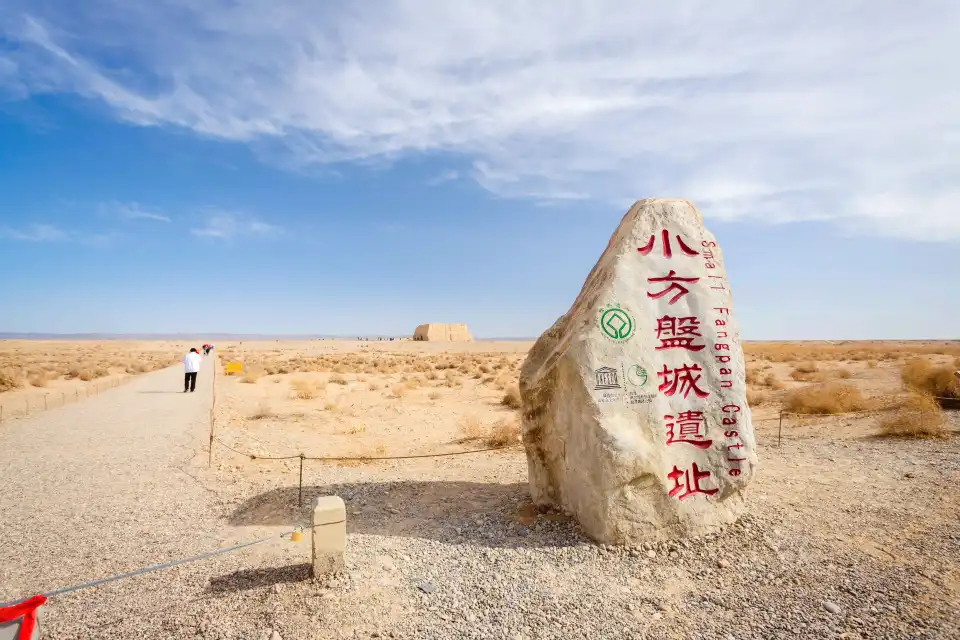
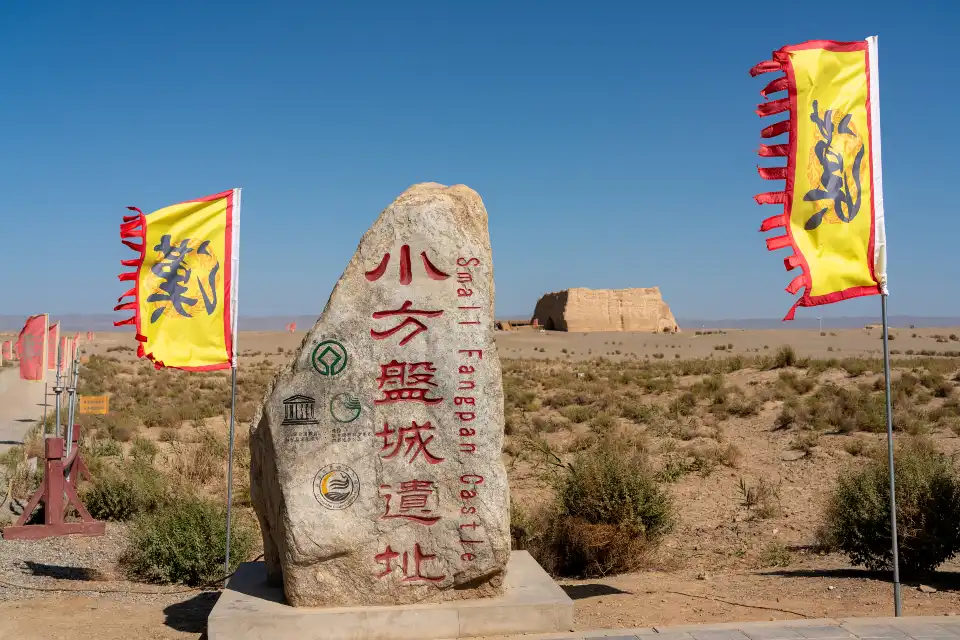
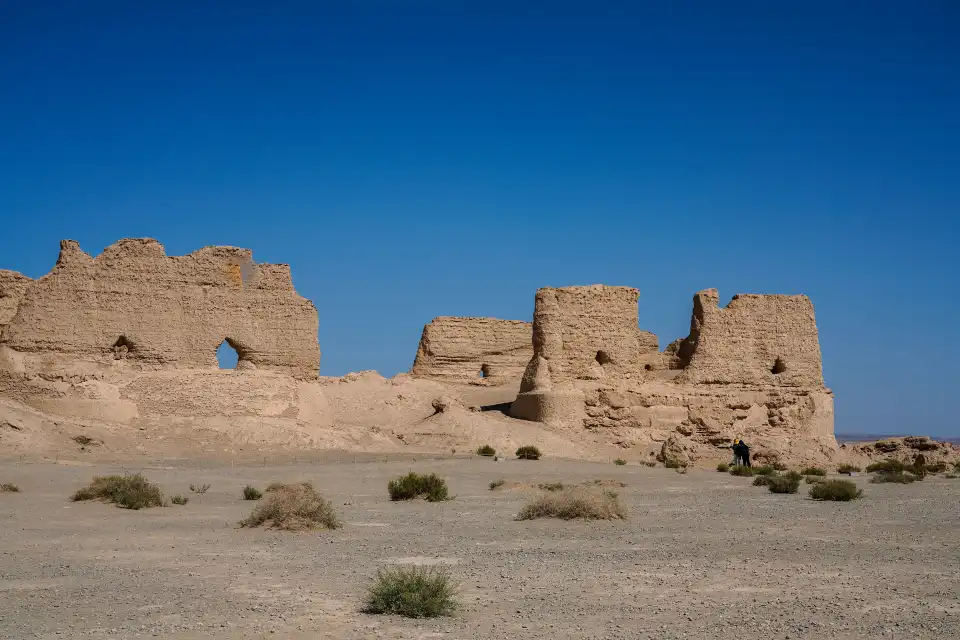
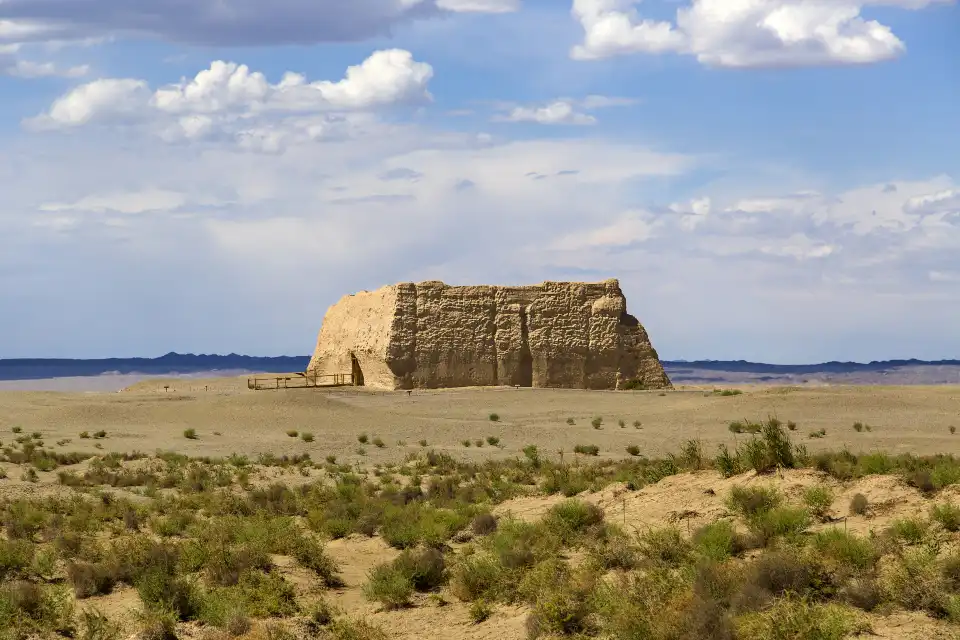
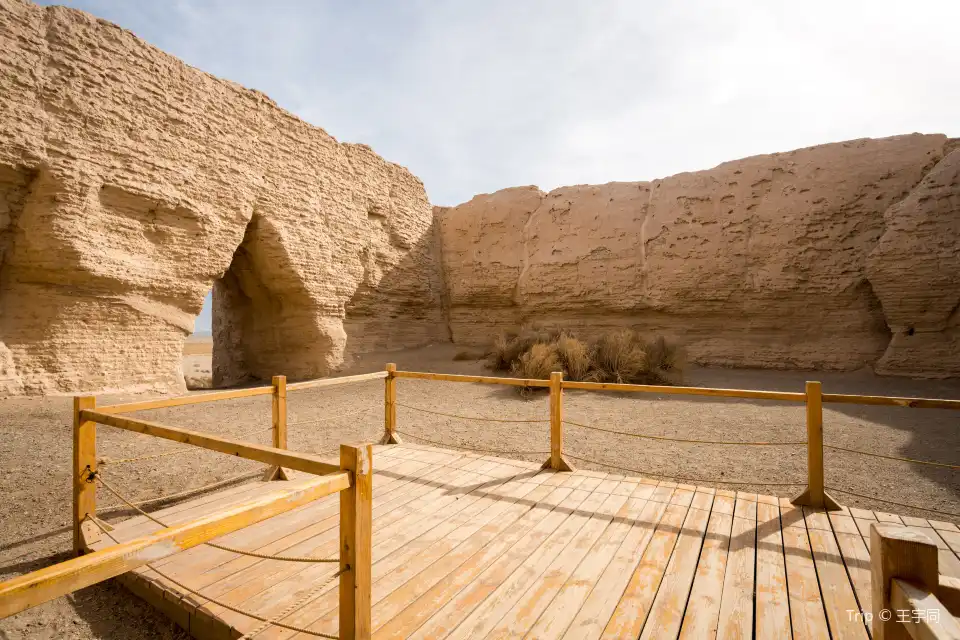
Yumen Pass is the core area of the "Silk Roads: the Routes Network of Chang'an-Tianshan Corridor" UNESCO World Heritage Site, featuring an archaeological complex centered around "one pass and two cities" that embodies the military defense wisdom of the Han Dynasty. The towering walls and winding horse paths of Xiaofangpan City (Yumen Pass) witnessed heroic feats like Zhang Qian's pioneering journeys and Ban Chao's frontier stabilization. Dafangpan City (Hecang Fortress), with its unique "three parallel granaries" layout and surrounding marsh barriers, stands as a living fossil of Han Dynasty military logistics. The extended Han Great Wall ruins and beacon tower system form a three-dimensional defense network with "one beacon every five li and one watchtower every ten li," fully showcasing the military marvel of "the Great Wall connecting two passes." Gazing west toward Lop Nur and backed by the Caohutan wetlands, these wind-battered ruins in the Gobi Desert whisper the historical melancholy of "spring breezes never reaching Yumen Pass."
Other visitors' reviews of Yumen Pass
Show More ReviewsFor history buffs, the Dafangpan City Ruins are a must-see! Photos are taken on a sunny day, capturing the authentic atmosphere of the Gobi Desert ruins. However, rainy days, with their hazy, grayish landscape, significantly diminish the experience. It's recommended to buy tickets online in advance. While it doesn't save money, it avoids queuing on-site, saving time and effort. Opt for a package ticket that includes shuttle bus access. The ruins are quite far apart, so the shuttle bus is essential. Dafangpan City (Hecang City) is truly worth a visit. This Western Han Dynasty Silk Road granary site, standing before its rammed earth walls, is overwhelming with a profound sense of history—it's truly awe-inspiring. Be aware of the strong winds and sandstorms in the Gobi Desert, so remember to bring sunscreen and drinking water.