Kyushu Jangara Ramen Harajuku
4.2/5
Great16 Reviews
14
Environment
Overview
Reviews
Currently closed|Open at 10:45 today
Show more
03-3404-5405
Japan, 〒150-0001 Tokyo, Shibuya, Jingumae, 1 Chome−13−21 1F
 空空CJTheir vegetarian ramen surprised us! Seriously the best we had during our trip to Japan, and the price is reasonable (1000 yen for ramen, 200 yen for extra toppings). It's only a 2 minute walk from Harajuku station, so make sure to stop by if you're in the area.
Reviews of Kyushu Jangara Ramen Harajuku
Some reviews may have been translated by Google Translate
4.2/5Excellent
All (16)
Latest
Photo reviews (7)
Positive reviews (5)
Save this restaurant
Their vegetarian ramen surprised us! Seriously the best we had during our trip to Japan, and the price is reasonable (1000 yen for ramen, 200 yen for extra toppings). It's only a 2 minute walk from Harajuku station, so make sure to stop by if you're in the area.
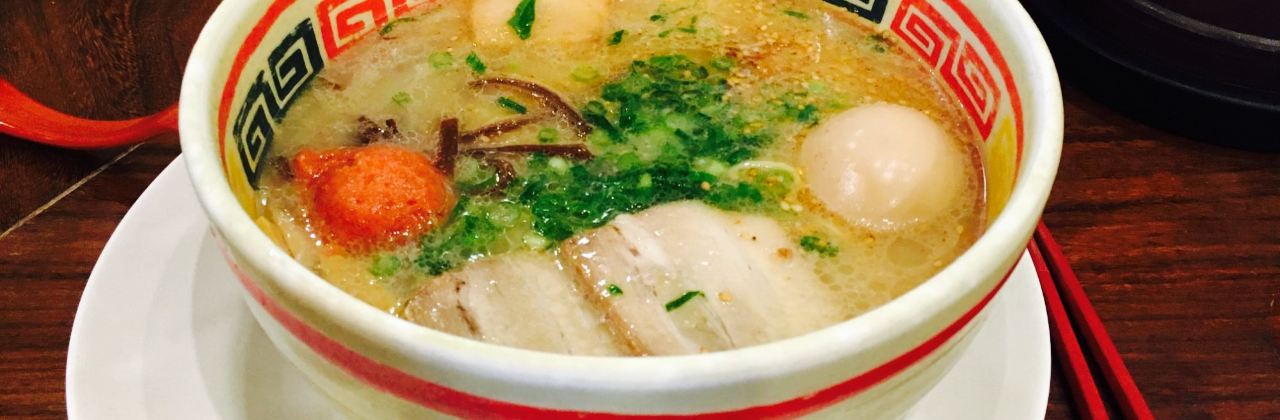
This ramen restaurant is doing very good business. When we went there, it was almost full of customers. We ordered the store's signature Kyushu ramen. The ramen soup is very rich and the noodles are very chewy. The soup is particularly flavorful. The noodles are mixed with soft-boiled eggs and thick meat, which gives you a full sense of happiness when you chew them.
In an alley of Ginza 6-chome, the food in this alley alone is very unforgettable? The special thing is that they serve vegetarian ramen. Kyushu's noodles are also thin noodles. I have eaten them many times and I can't describe them all at once. Because I don't want to repeat them, I try to try different flavors every time I go there. Looking at the photos now, I can't fully explain the content. There are six branches in Tokyo. In addition to Ginza, there are also branches in the bustling Harajuku. There are also branches in Akihabara and Ikebukuro.
Ramen is the most familiar delicacy in Japanese cuisine to Chinese people. Many friends who travel to Japan or eat Japanese food will focus on Japanese ramen. The essence of Japanese ramen is the soup base, the skill is in the noodles, the taste is in the side dishes, and the attraction is in the appearance. Many people think that Japanese ramen is just a kind of ramen, and it is almost the same in all parts of Japan. However, this is a wrong idea. I can be regarded as one of those who eats more Japanese ramen. From Ramen Yokocho in Hokkaido, to the Kanto flavor in Tokyo, to the central taste in Nagoya, to the Kansai taste in Kyoto and Osaka, I have eaten ramen in these places. It can be said that the Japanese ramen in these places has obvious regional characteristics, and Japanese ramen is not just a kind of ramen! There are really many customers in this Kyushu ramen restaurant! At lunch time, we lined up at the door of the store for more than 20 minutes before we got our turn. While waiting in line, I carefully looked at the menu. The menu is in three languages — Chinese, Japanese, and Korean, which saves the trouble of translating it in my mind. Kyushu pork bone ramen is made with a large piece of pork fat that is cooked until soft. It is then placed on a wire sieve for scooping noodles and gently tapped to allow the lard to squeeze out of the mesh and fall into the soup, one grain at a time. It's quite fragrant!
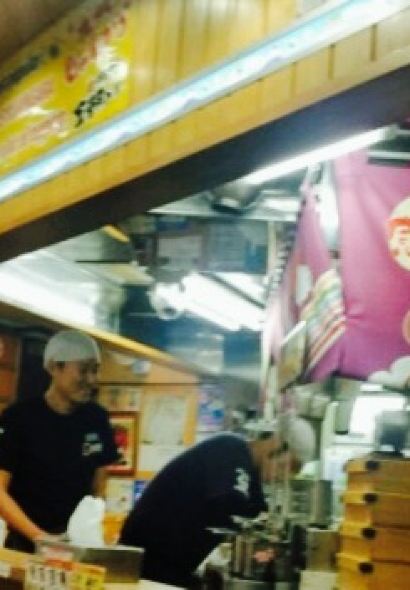
You can see this store as soon as you get off the Jingumae subway station in Omotesando. There are many sports brand stores next to it. The stairs here are relatively small. After going up, you will see the order reception desk. There is an old lady who can't speak English, but there is a special English menu. Just order to her. The store is not very big. You can directly see the chef making ramen in a long strip. In fact, the soup is different, but the noodles and pork are the same. The taste is still a bit greasy.