



▲ [Guide service] Full-day accompanying guide service, arranging all itineraries, planning routes, hassle-free, independent group, no shopping, ample private space, can be adjusted at any time according to the requirements of seniors and children [Full-journey chauffeur-guide] Multiple classic journeys, better care for your family [Service guarantee] VIP one-on-one professional service
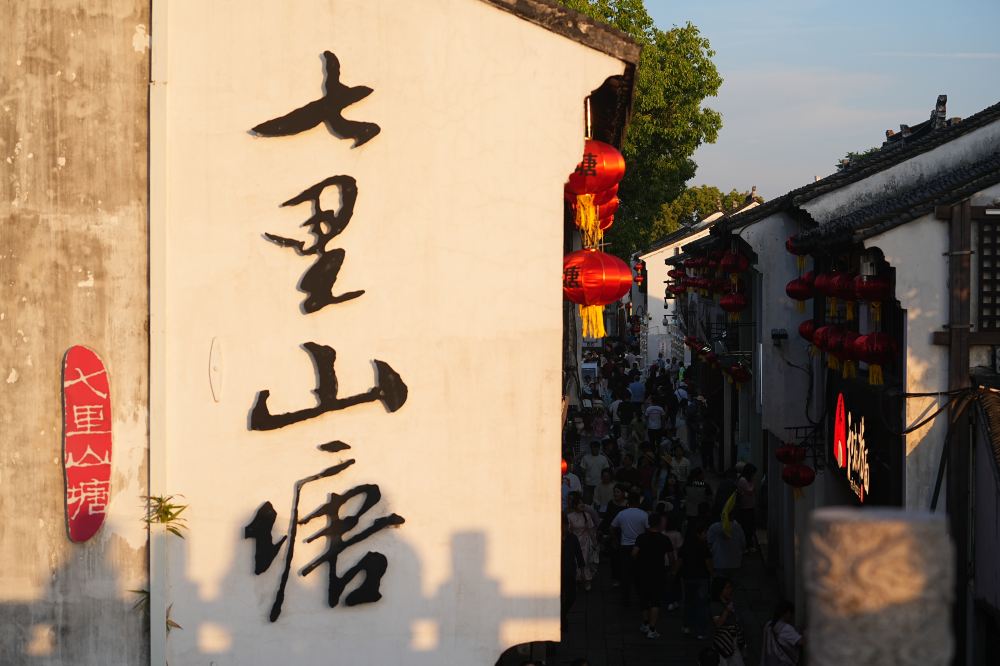
▲ Shantang Street is located outside Changmen Gate at the northwest corner of Suzhou's old town. Stretching approx. seven li from Duseng Bridge in the east to Tiger Hill in the west, it's commonly called "Seven-li Shantang" and hailed as "the foremost street of Gusu." Built in 825 during the Baoli era of the Tang Dynasty when Bai Juyi served as Suzhou's governor, the street was formed by dredging Shantang River and constructing an embankment to improve water-land transportation, hence its alternate name "Bai's embankment." The area preserves the classic Jiangnan waterside layout with "parallel waterways and adjacent streets," featuring whitewashed walls, black-tiled roofs, and stone bridges crossing the river - including Shantang Bridge, Tonggui Bridge, and Xing Bridge among seven historic spans. Along the street stand cultural sites like Bai Juyi Memorial Hall, Yuhantang Hall, ancient opera stage, Five Men's Tomb, and Nanshe Memorial Hall, blending historical charm, intangible heritage, and tourism. In 2010, it was designated as a "China Historical and Cultural Famous Street" and included in the UNESCO World Heritage List as part of Suzhou's Grand Canal section.