Jingyang

Things to do in Jingyang

Search attractions or local attractions & tours
Search

Explore top experiences

Top 10 attractions in Jingyang
View all Attractions
Qinhan Civilization Museum
No. 11 of Family-friendly Attractions in Shaanxi

Qinhan Civilization Museum

6.9
4.8/5
427 reviews

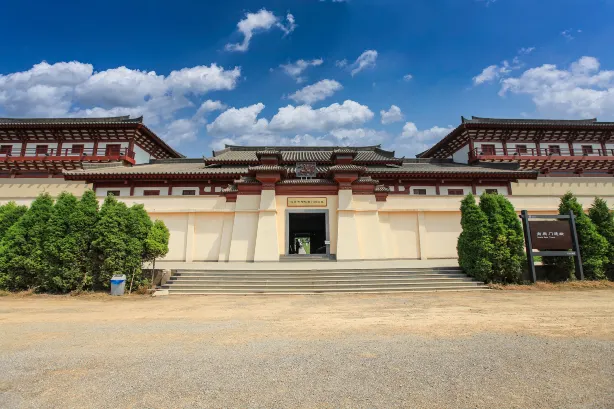
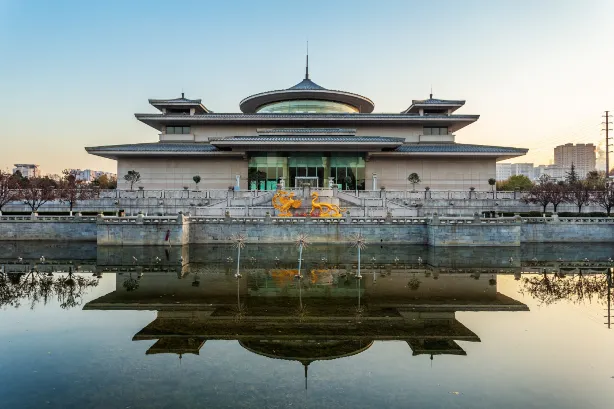
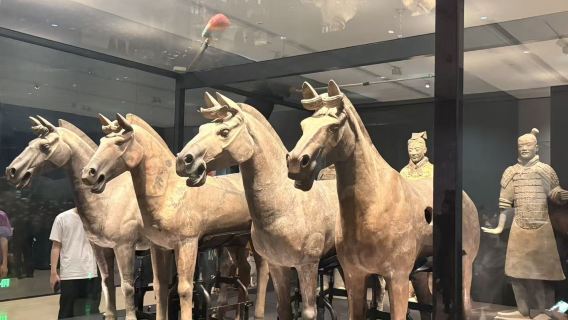
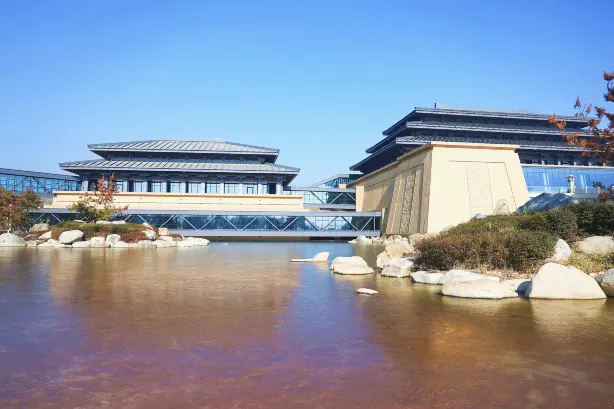
The Qin Han Museum of Shaanxi History Museum is located in the core area of ​​Qinchuangyuan and Weihe Science and Technology Innovation Belt in Qinhan New Town, Xixian New District. It is an important part of the large-scale comprehensive cultural tourism project Daqin Civilization Park. It is a collection of cultural relic protection, display and exhibition, academic research, science education, It is a modern museum with a strong traditional style that integrates tourism services and other functions. The Qin Han Museum of Shaanxi History Museum adopts the appearance of a high platform building. The exhibition area is located on a high platform on the first floor, and public activity areas such as tourism services are located in the "hall" on the high platform. It can not only meet the use requirements of different functions of the museum, but also It also presents the high-platform architectural modeling characteristics of the Qin and Han palaces of "high pavilions and beautiful palace rooms". Spreading out the plane of the museum area, each unit is distributed according to the layout of "Wei River runs through the capital, with Xiang Tianhan, crossing the bridge to the south, and Fa Qiangniu", with Yaoguang, Kaiyang, Yuheng, Tianquan, and Tianquan among the Big Dipper. The five stars of Tianji form a symmetrical layout and are connected to each other through overhead corridors. The axis determined with Yuheng as the center is set on the extension of the central axis of Palace No. 1 of Qin Xianyang Palace. Among them, the main building adopts the form of a high platform to meet different functions. At the same time, it also shows the characteristics of Qin and Han palaces such as "high terraces and pavilions, beautiful palaces and rooms, complex roads and empty roads, horizontal bridges and waves, lofty towers, and combination of palaces and gardens." The origin of high platform construction is very early, such as the Lutai of the Yin Shang Dynasty and the Lingtai of the Zhou Dynasty. From the Warring States Period to the Qin and Han Dynasties, the style of building platforms was very popular. The museum adopts the appearance of a high platform building, with the exhibition area located on a high platform on the first floor, and public activity areas such as tourism services located in the "hall" on the high platform. The interior is divided into five exhibition halls with an exhibition area of ​​about 11,300 square meters, including the main exhibition hall "Qin and Han Civilizations", the ruins exhibition hall "Cities and Tombs", the art exhibition hall "Technology and Beauty", the temporary exhibition hall and the public archaeological center. The core main exhibition hall explains the achievements and role of this period in the development of Chinese civilization at multiple levels and angles from the aspects of politics, economy, military, culture, science and technology, and foreign exchanges of the Qin and Han dynasties - this is not only the ancient politics of our country The era when the system was created was also the era when academic thought was laid, and it was also the era when the Chinese nation, with the "Han" as the main body, was formed. The exhibition halls on both sides are the permanent special exhibitions "City and Mausoleum" and "Technology and Beauty", which not only echo and in-depth explanation of the basic display of "Qin and Han Civilization", but also display the splendor and splendor of Qin and Han civilization from the aspects of archeology and art respectively. Specifically, "Cities and Tombs" aims to explore the role of capitals and mausoleums as the true carriers of civilized society through the analysis of four major sites in Yongcheng, Yueyang, Xianyang, and Chang'an based on the results of archaeological excavations. position in an ongoing process of development. "Technology and Beauty" mainly uses material remains such as sculptures, murals, portrait stones, and ceramic models to show the rich and diverse image world of people during the Qin and Han Dynasties, and also reveal people's understanding of the universe, life and death at that time. The temporary exhibition hall extended outwards can realize the multi-purpose effect of one hall. Temporary exhibitions, academic conferences and lecture salons can be held here, and it is planned to be built into a Qin and Han archaeological and historical research center. Nowadays, museums are also getting rid of the boring traditional exhibitions and adding a large number of perceivable and immersive technological means to make cultural relics come alive. For example, the digital exhibition hall and public archaeological center in the Qin and Han Museum use digital technology to present the food, clothing, housing, transportation, and social customs of the Qin and Han Dynasties, and then combine it with the display of archaeological results to tell archaeological stories in an all-round way and popularize archaeological knowledge.

Xianyang · 13.6km from Jingyang
Free attraction
Xi'an Land of Giants
No. 3 of Family-friendly Attractions in Xianyang

Xi'an Land of Giants

6
4.5/5
4.3k reviews

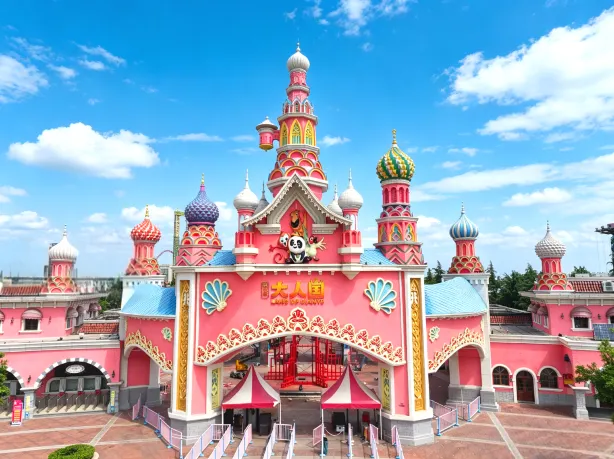
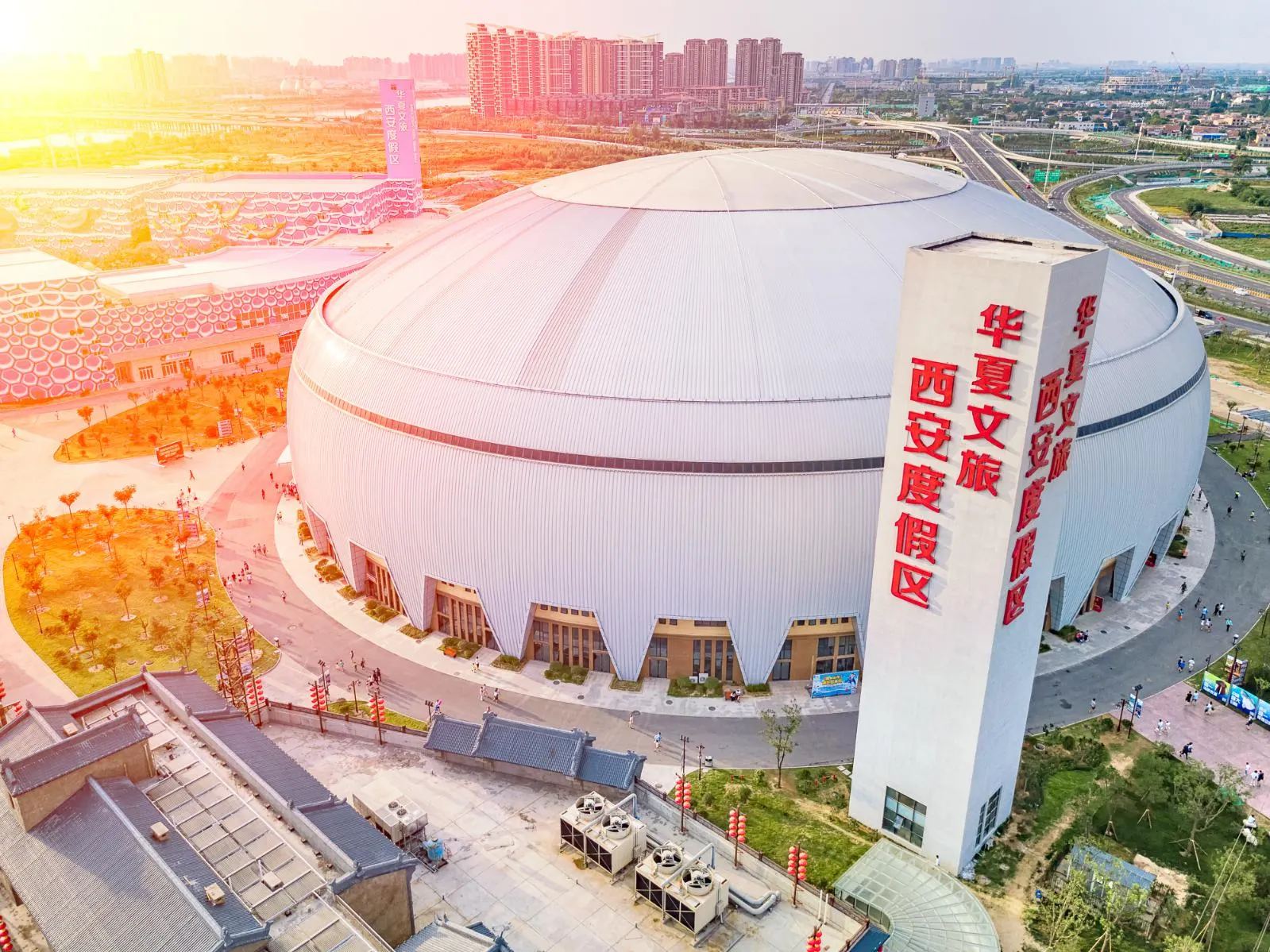
Xi'an Daren Kingdom (formerly Lehua Happy World) is a national AAAA-level cultural tourism benchmark project developed by Shaanxi Lehua Happy World Cultural Development Co., Ltd. Located in Jinghe New Town, Xixian New Area, Shaanxi Province, the project integrates classical culture with modern entertainment, innovatively combining four dimensions: "amusement + cultural tourism + commerce + local culture." It redefines the oriental fantasy amusement space, reshapes the cultural tourism routes of Xi'an's ancient capital, fills the gap in the cultural-commercial-tourism integration sector of Xixian New Area, and has become a must-visit landmark in the region. The park integrates 38 flagship attractions including Asia's largest roller coaster cluster, 6 themed zones (joy square, dinosaur valley, echo valley, boulder mountains, starry woodland and moon lake), 21 immersive themed scenes, over 500 daily local folk performances, 28 themed leisure brands and the giant's hotel. Offering year-round fun for all ages with full-scene experiences, it creates a deeply immersive, trendy and dreamy holiday destination. Since its opening, Lehua Cultural Tourism has consistently invested hundreds of millions of CNY annually in product upgrades, continuously leading new trends in cultural tourism, breaking the industry's homogeneity dilemma, and constantly enhancing experiences to create surprises. In the future, it will continue to use innovation as its engine, deeply cultivate classic IPs, and bring visitors more exciting, refined, and culturally charming new joyful experiences.

Jingyang · 8.9km from downtown
18% offFrom €25.82
Han Yangling National Archaeological Site Park
No. 4 of Fall Viewing Attractions in Shaanxi

Han Yangling National Archaeological Site Park

6.3
4.6/5
2.1k reviews

The Yangling Museum of Emperor Jing of Han Dynasty is located on the bank of Wei River in the northern suburbs of Xi'an. It is an archaeological site museum built based on the Yangling of Han Dynasty, a national key cultural relic protection unit. It was officially completed and opened in 1999. It is now a national first-class museum, a national archaeological site park, and a national AAAA-level tourist Attraction.  1. Main attractions As a large-scale site protection and display museum, Hanyang Mausoleum was rated as one of the top ten archaeological discoveries of the year and listed in the top 100 archaeological discoveries in China in the 20th century for its rich archaeological results, complete site preservation and complete protection and display system. It is China's first underground site museum that allows immersive experience. It is also one of the largest site museums in China with an area of more than 3,000 acres. It is famous both at home and abroad for its advanced and unique cultural relics protection concepts and display methods. Four basic exhibition halls have been built, including the Hanyang Mausoleum Archaeological Exhibition Hall, the Imperial Mausoleum Outer Storage Pit Site Protection and Exhibition Hall, the Nanquemen Site Protection and Exhibition Hall, and the Deyang Temple Site Protection and Exhibition Area, as well as natural landscapes such as the blooming rose garden, the colorful cherry blossom forest, and the swaying hundred-acre ginkgo forest. Here, you can not only feel the majestic and profound Han culture, appreciate the beautiful garden scenery, but also get a rare experience of the authenticity of the archaeological site, which can trigger Unlimited historical imagination. The Imperial Mausoleum's Outer Storage Pit Site Protection Exhibition Hall The outer storage pits are an important part of the imperial mausoleum, with 81 pits surrounding the imperial mausoleum. The Imperial Mausoleum Outer Storage Pit Protection Exhibition Hall is the world's first fully underground site museum using advanced cultural relic protection technology, built on 10 outer storage pits in the northeast of the imperial mausoleum. The hollow coated electrically heated glass curtain wall and passages in the museum separate the cultural relics and tourists in two completely different temperature and humidity environments. Under the premise of scientifically protecting the cultural relics, tourists can appreciate the archaeological excavation site and related relics from close range and from multiple angles in a mysterious environment. It is a model of the perfect combination of modern technology and heritage protection. In addition, the holographic imaging program uses internationally advanced film and television imaging technology to interpret the real historical events of the year, traveling through time and space, immersing tourists' thoughts in the colorful court life of the former Western Han emperors.  Hanyangling Archaeological Exhibition Hall The Hanyang Mausoleum Archaeological Exhibition Hall is a comprehensive exhibition hall with a unique architectural style and novel display methods. The unique exterior structure of the ruins is consistent with the overall ancient historical environment of the mausoleum, creating a sense of historical vicissitudes. The exhibition halls on the upper and lower floors are based on the historical background, archaeological discoveries and protection and inheritance of Han Yang Mausoleum. Nearly a thousand fine cultural relics are exhibited. Through beautiful pottery figurines, simple and elegant utensils, and seals that follow etiquette and regularity, etc., the exhibition strives to present the history of the Han Dynasty, the archaeology of Han Yang Mausoleum, and the results of protection, display and utilization from multiple angles. The design that combines the sense of history with modern elements makes the elements of Han culture perfectly fit with the connotation of the site. It wipes off the dust of history and walks into the era that was later revered as the "Reign of Wen and Jing" with the audience, appreciates the scene of governance that has been passed down for thousands of years, touches the memory of Han culture that is deeply rooted in the blood of the nation, and appreciates the stories behind the cultural relics.  Nanquemen Site Protection Exhibition Hall Nanque Gate is the southern gate of the four gates of the imperial mausoleum, also known as Zhuque Gate. It consists of two groups of symmetrically connected "three-que" buildings. It is the earliest, highest-level and largest imperial mausoleum que building site discovered so far. The Nanque Gate Site Protection and Exhibition Hall looks like a Han-style que gate building, which not only protects the existing site completely, but also shows tourists the majestic and tall style of the "three-que" building that only the emperors of the Han Dynasty could enjoy.  Deyang Temple Ruins Protection and Exhibition Area The Deyang Temple Ruins are extremely important architectural ruins in the Yangling Mausoleum, covering an area of 60,000 square meters. The plane is a "U"-shaped double corridor structure, with a regular shape and a large scale, comparable to the ritual architecture in the southern suburbs of Chang'an City in the Han Dynasty. It is the best-preserved imperial mausoleum temple architectural ruins discovered so far. In terms of protection and display techniques, the original state of the ruins is combined with partial restoration and elevation, and large-scale greening is adopted, so that this precious ruins can be effectively protected and tourists can appreciate the grand momentum of the Western Han Dynasty ancestral temple architecture.  Park scenery In order to further promote China's excellent traditional culture, promote the integration of culture and tourism, realize the consensus that culture is the soul of tourism and tourism is the carrier of culture, and strengthen the international competitiveness of China's cultural and tourism industries. Our institute uses green landscape as the site identification system and creates characteristic landscapes such as "Rose Garden", "Cherry Blossom Garden" and "Ginkgo Forest". Among them, the "Ginkgo Forest" has held nine consecutive unique "Hanyang Mausoleum Golden Autumn Ancient" Ginkgo Festival series activities since 2014, in November every year when the ginkgo leaves enter the viewing period. Since then, when talking about the "Ginkgo Forest", it is necessary to go to Hanyang Mausoleum.  Self-driving route 1. Visitors from Xi'an can drive north from Weiyang Road, take the Xitong Expressway, cross the Weihe River Bridge and drive onto the Airport Highway to arrive. 2. Visitors from Xi'an (Xi'an Ring Road) and Xi'an Xianyang International Airport can take the Qinhan New City exit of the airport expressway and drive eastward toward Lanchi Avenue, then follow Lanchi Avenue, Zhengyang 3rd Road, and Lanchi 3rd Road to the South Gate of Hanyang Mausoleum; or drive eastward along Lanchi Avenue via County Road 101 to the airport highway. 3. From Xianyang, drive east on Lanchi Avenue, then take Zhengyang 3rd Road and Lanchi 3rd Road to the South Gate of Hanyang Mausoleum; or drive east on Lanchi Avenue and take County Road 101 to the Airport Highway. (Note: Due to the progress of road maintenance, it is recommended to refer to the navigation results.) Kind tips 1.The airport highway entrance is the recommended entrance to the Attraction. 2. Visitors can enter the park with their valid ID card and reservation QR code. 3.People over 65 years old, the disabled, pregnant women and other people with mobility difficulties can be given priority for inspection and entry into the park under the guidance of security staff. Minors, the elderly and Seniors with mobility difficulties must be accompanied by their family members when visiting. 4.If you have any questions after reading this guide, please call the consulting service hotline: 029-62657530, 029-62657569. Thank you for your understanding and cooperation, and wish you a pleasant visit!

Xianyang · 13.6km from Jingyang
42% offFrom €5.50
Xi'an City Wall
2027 Asia 100 - Night Attractions

Xi'an City Wall

8.8
4.6/5
63.4k reviews

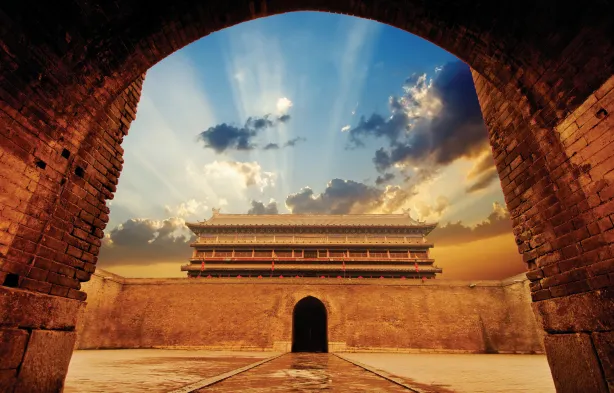
Xi'an City Wall, also known as the Xi'an Ming City Wall, is an ancient city wall defense system encircling the old city of Xi'an from the Ming and Qing dynasties. The main body of the existing wall was built during the Hongwu period of the Ming Dynasty, expanded on the foundation of the imperial city of Chang'an from the Sui and Tang dynasties, and has undergone multiple renovations since then, remaining well preserved to this day. The wall is roughly rectangular in plan, with a perimeter of about 14 km, and the area it encloses is the old city of Xi'an. The wall is about 12 m high, about 15 to 18 m wide at the base, and about 12 to 14 m wide at the top. The top of the wall is broad and flat, allowing visitors to cycle or stroll along it while overlooking the scenery inside and outside the city. The defensive system of the wall consists of the wall body, city gates, barbicans, bastions, corner towers, and the moat. Nearly a hundred bastions were built along the outer face of the wall, spaced about 120 m apart, precisely within bow-and-arrow range, reflecting the defensive wisdom of the cold weapon era. There is a corner platform at each of the four corners, among which the southwest corner platform is circular, forming a striking contrast with the other three square corner platforms—a unique form rarely seen among surviving ancient city walls. The moat outside the wall encircles the entire city, together with the wall forming a complete defensive layout. The wall currently has 18 city gates, among which Yongning Gate (South Gate), Anding Gate (West Gate), Anyuan Gate (North Gate), and Changle Gate (East Gate) are the four main gates originally built in the Ming Dynasty. Each main gate features three tiers of gate towers—the gate control tower, arrow tower, and main tower—forming a layered barbican defense. Yongning Gate is the one that has been in use the longest, with a history dating back to the Sui Dynasty, and is also the one whose form is relatively well preserved. The section of the wall at Hanguang Gate encloses the remains of the Sui and Tang imperial city, with a site exhibition that offers an intuitive sense of the wall's layered history spanning over a thousand years. Cycling a full loop around the city on the wall is a popular experience, taking about one and a half to two hours in total. Ascending the wall in the evening allows you to take in both the traditional architecture inside the city and the modern urban skyline outside, with the wall and moat set off beautifully against the glow of the setting sun.

Xi'an · 29.6km from Jingyang
45% offFrom €7.43
Shaanxi History Museum
No. 2 of Best Things to Do in Northwestern District of China

Shaanxi History Museum

9.5
4.8/5
35.8k reviews

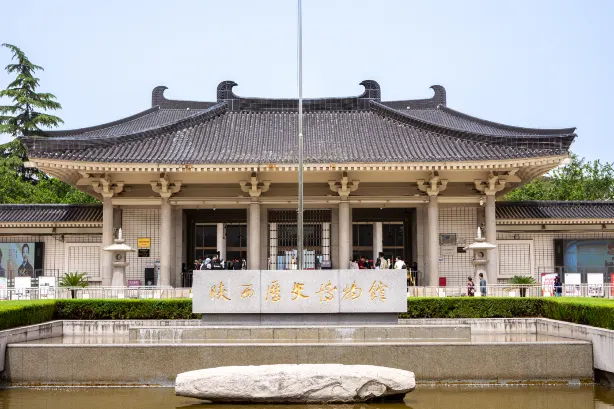
Shaanxi History Museum is a large modern museum built after China's reform and opening up and officially opened in 1991. The building was designed by architect Zhang Jinqiu and adopts a Tang-style architectural layout of "central hall and four corner towers," with a symmetrical central axis and a clear hierarchy of primary and secondary structures; in 2016 it was included in the first batch of the "Chinese Architectural Heritage of the 20th Century" list. Shaanxi was once the political center of dynasties such as the Zhou, Qin, Han, and Tang, and the museum's collection spans a million years of history, covering categories such as Shang and Zhou bronzes, pottery figurines of successive dynasties, Han and Tang gold and silver wares, and Tang tomb murals, with a total of over one million items. The permanent exhibition "Ancient Civilization of Shaanxi" follows a chronological main line and presents the historical process from prehistoric Lantian Man to the eve of the Opium War across three galleries, with the Zhou, Qin, Han, and Tang periods as the focus. The east and west sides of the central hall each host a thematic exhibition: on the west side, "Treasures of the Great Tang: Hejiacun Hoard Unearthed Artifacts Exhibition" concentrates on fine gold and silver wares of the High Tang, while on the east side, the "Tang Dynasty Mural Treasures Gallery" displays authentic murals removed from Tang tombs, with subjects covering figures, architecture, ceremonial guards, and more, making it a uniquely distinctive category of the museum's collection. Among the many artifacts in the museum, several are particularly notable. The agate cup with gold-inlaid beast head, from the Hejiacun hoard, is carved from a single piece of banded agate into the form of a curved-horn beast head, resembling Central Asian rhyton cups, and is one of the first batch of cultural relics prohibited from being exhibited abroad. The tri-color glazed camel carrying musicians figurine vividly recreates the lively scene of musicians playing and singers performing on a camel's back, with bright glaze colors and figures with distinct expressions. The Empress's Seal is made of Western Han Hetian mutton-fat jade and carved with a chi-tiger knob, and is the only known actual jade seal of a Han dynasty empress discovered to date. In addition, the gilt silver flask with a dancing horse holding a cup design, the celadon ewer with an overhead handle and bottom-filling design, and the black-glazed oil-spot bowl each have their own distinctive features. The gold and silver wares unearthed from the Hejiacun hoard are concentrated in the thematic gallery and are a highlight of any visit; visitors are advised to allow time to examine them closely.

Xi'an · 35.2km from Jingyang
Free attraction
Xi'an Museum
No. 1 of Family-friendly Attractions in Shaanxi

Xi'an Museum

8.7
4.6/5
4.5k reviews

Xi'an Museum is a modern comprehensive museum built upon the cultural relic protection site—the ruins of the Tang Dynasty Jianfu Temple and its iconic structure, the Small Wild Goose Pagoda. It integrates cultural relic collection and protection, academic research, exhibition and display, social education, and garden leisure. Its core area is the location of the original Tang Dynasty royal temple, Jianfu Temple, while the precious and striking historical relic existing within the temple—the Small Wild Goose Pagoda—has become the museum's unique landmark and soul. Therefore, the Jianfu Temple ruins and the Small Wild Goose Pagoda are not only the foundation and core carrier for the establishment of Xi'an Museum, but also important outdoor historical exhibition areas and focal points for visitors. The main building of the museum is located on the north side of the ancient temple ruins. The three elements (ancient temple ruins, ancient pagoda, and modern museum building) are organically integrated, jointly forming a unique cultural space that combines "museum, pagoda, temple, and garden," vividly showcasing the historical context of Xi'an from ancient times to the present. Xi'an Museum officially opened to the public on May 18, 2007. Its establishment aims to comprehensively showcase the glorious history and splendid culture of Xi'an (ancient Chang'an) as the capital of thirteen dynasties, filling the gap of a comprehensive museum of Xi'an's urban history. Collection highlights: The museum houses over 100,000 precious cultural relics from various historical periods of Xi'an. The collection spans from prehistoric times to the Ming and Qing dynasties, with particular emphasis on artifacts from the prosperous dynasties of Zhou, Qin, Han, and Tang, including bronze ware, jade articles, gold and silverware, ceramics, murals, stone steles, epitaphs, and Buddhist statues, systematically reflecting the political, economic, cultural, social life, and foreign exchanges of the ancient capital Chang'an. Main exhibition: The permanent exhibition "Ancient capital Xi'an" takes the urban development history of Xi'an as the main thread, showcasing the evolution and achievements of Xi'an as a capital (Zhou Fenghao, Qin Xianyang, Han Chang'an, Sui-Tang Chang'an) and a prefectural city (Song, Yuan, Ming, and Qing dynasties) through a large number of precious cultural relics, models, charts, and multimedia means. Unique environment: The museum's greatest feature lies in its surroundings. Travelers can not only visit modern exhibition halls but also stroll through the expansive heritage park encompassing the Small Wild Goose Pagoda, the ancient architectural complex of Jianfu Temple (including structures like the Ming dynasty bell tower housing a Jin dynasty ancient bell), an ancient stone sculpture art exhibition area, and garden views—experiencing the charm of the millennia-old capital at its historical site. The view of "morning bells at the Wild Goose Pagoda" is particularly renowned. Functional positioning: The museum is not only an important center for cultural relic collection, research, and display, but also an urban cultural park where citizens can relax, entertain, and immerse themselves in history and culture, undertaking significant social education and cultural exchange functions.

Xi'an · 33.4km from Jingyang
Xi'an Bell Tower
2027 Global 100 - Night Attractions

Xi'an Bell Tower

8.2
4.5/5
25.5k reviews

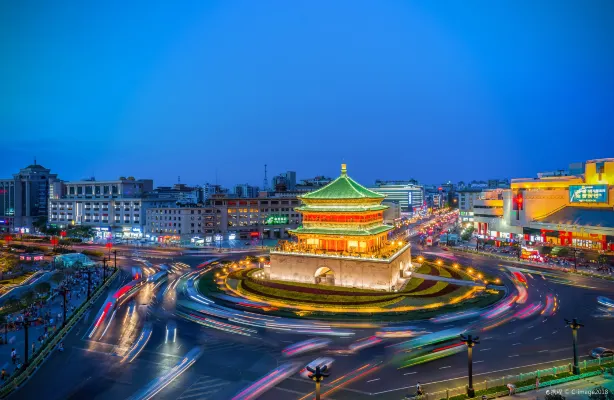
Xi'an Bell Tower is one of the larger and well-preservedBell tower, originally built in 1384, during the Hongwu reign of the Ming Dynasty,Bell towerLocated in the heart of Xi'an, it is one of the landmarks of the ancient city, radiating east, south, west, and north streets from its center, connecting to the east, south, west, and north gates of the Xi'an city wall respectively. The Xi'an Bell Tower was originally located on Guangji Street in the west. As the city center shifted eastward, it was relocated toDrum towerEast side, today's location. The Xi'an Bell Tower features a typical Ming Dynasty architectural style, with a square brick-and-stone base at the bottom and a triple-eaved pyramidal roof structure at the top, covered with dark green glazed tiles. The gilded pinnacle at the roof's apex is particularly striking under sunlight. Each side of the base has a central arched doorway approx. 6 m high, which were interconnected and once served as passageways for the intersection of four major streets—east, south, west, and north—allowing pedestrian and vehicular traffic. These doorways are now sealed, with a traffic roundabout built around them and an underground pedestrian passage. The entrance to the Xi'an Bell Tower is located within this underground passage, accessible via a spiral staircase. Inside the tower, there is a replica of the "Jingyun Bell," whose original was cast in the second year of Emperor Ruizong's Jingyun era (711 AD) during the Tang Dynasty and is now housed in the Xi'an Beilin Museum. Standing on the Xi'an Bell Tower, you can see the four main streets extending east, south, west, and north from the Xi'an Bell Tower. Around the Xi'an Bell Tower, there are bustling commercial areas and not far awayDrum towerTravelers can also enjoy wonderful historical performances when visiting the Xi'an Bell Tower.

Xi'an · 31.3km from Jingyang
From €4.13
Museums in Xi'an
No. 1 of Activities in Shaanxi

Museums in Xi'an

8.2

Xi'an Museum Tour explores imperial, archaeological, and artistic key museums with immersive activities, revealing the ancient capital's history across thirteen dynasties. Imperial Mausoleum Site Museums:Unearth the secrets of the Terracotta Army. At this UNESCO-listed site, witness the “Eighth Wonder of the World”—a stunning display ideal for history enthusiasts and families to explore the legacy of the Qin Dynasty. Archaeological Science & Art Museums:Get hands-on with the science of excavation. Here, visitors engage with restored artifacts, tech-assisted archaeology, and exhibits on cultural progress—highlighting the blend of science and art behind uncovering the past. Stele Calligraphy Art Museums:Dialogue with stone-carved classics. Home to steles, epitaphs, and calligraphic masterpieces, this museum offers a journey through the evolution of script, Confucian texts, and the legacy of Central Plains civilization. Prehistoric Sites & City History Museums:Trace the roots of ancient Chang'an. The Banpo Museum showcases a 6,000-year-old matriarchal village, while Xi'an Museum combines the Xiaoyan Pagoda landscape with artifacts from Zhou to Tang dynasties, illustrating the city's birth and growth. Museum Combo Tour: A curated combination of museum visits that weaves together iconic collections to form a holistic understanding of Chang'an from multiple perspectives, offering profound insights into the cultural legacy of this ancient capital of thirteen dynasties.

China · Xi'an
From €11.68

Experiences you can't miss in Jingyang

Featured Food & drink in Jingyang

View all Food & drink
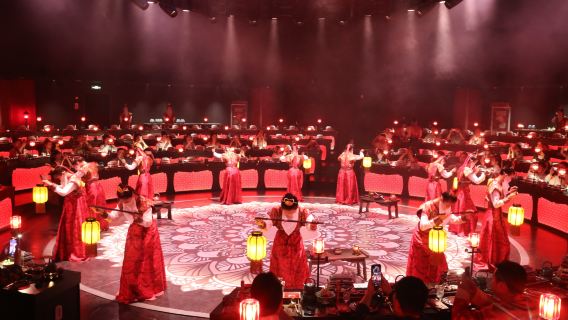
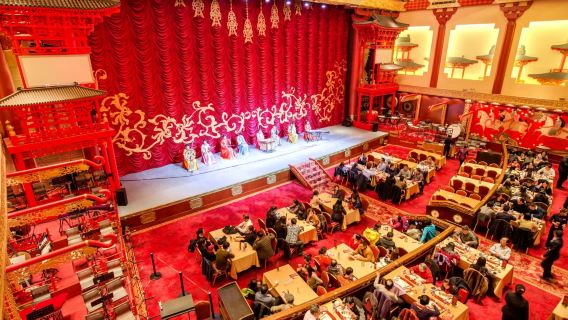
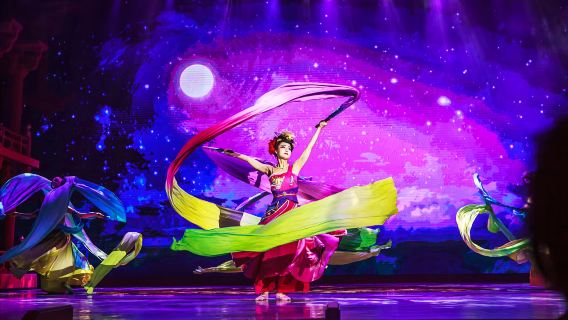
[Empress Wu's grand feast] Xi'an Datang Empress Wu's grand feast [Panoramic immersive ancient palace dining show]
󱌍
4.7/5
· 80 reviews· 1.7k booked
Duration: 1.5 hrs
English
Free cancellation
Book now for today
28 consecutive positive reviews
From€35.04
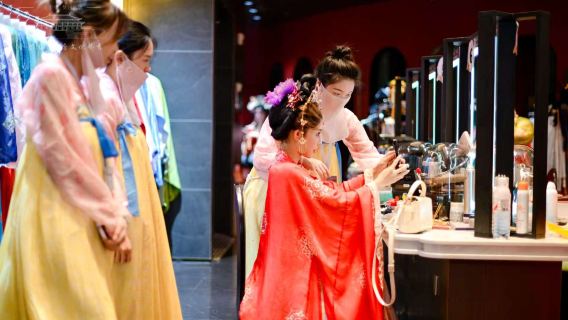
Daming Palace Banquet: A Journey Back to the Golden Age of Tang - Immersive Tang Culture Dining Show with Optional Hanfu Costume and Makeup
󱌍
4.6/5
· 30 reviews· 630 booked
Duration: 2 hrs
English
Free cancellation
Instant confirmation
Book now for today
10% off
Limited-time sale
From€36.42€40.47
"The Tang Palace Experience: Dine with Dynasty Music & Dance"
󱌍
4.4/5
· 20 reviews· 366 booked
Duration: 2–3 hrs
English
Instant confirmation
Book now for today
From€36.83
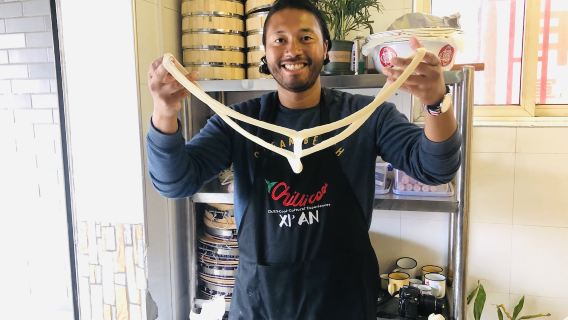
Half-day Xi'an Biang Biang Noodles Cooking Class with Spice Market Visit - Xi'an - Eatwith
Trip.Select
󱌍
5.0/5
· 28 reviews· 150 booked
Duration: 3 hrs
English
Free cancellation
Instant confirmation
Book now for tomorrow
28 consecutive positive reviews
34% off
Limited-time sale
From€45.34€68.71
Savory Secrets of Xi'an Food: Night Walking Tour at Muslim Quarter & Sajinqiao Food
Trip.Select
󱌍
4.9/5
· 16 reviews· 130 booked
Duration: 4.5 hrs
English
Free cancellation
Instant confirmation
From€38.94
Dinner and Show of Tang Dynasty Palace in Xian Since 1988
Trip.Select
󱌍
4.2/5
· 27 reviews· 512 booked
Duration: 2–3 hrs
English
Free cancellation
Instant confirmation
Book now for today
From€36.83
Xi'an Daming Palace Banquet: Enjoy food while watching performances | Embark on an immersive culinary journey through ancient Chinese dynasties
Trip.Select
󱌍
5.0/5
· 3 reviews· 79 booked
Duration: 2 hrs
English
Free cancellation
Instant confirmation
Book now for tomorrow
From€53.32
"Tang Dynasty Extravaganza: Feast, Dumplings & Live Dance"
󱌍
5.0/5
· 2 reviews· 43 booked
Duration: 2 hrs
English
Instant confirmation
Book now for today
From€36.83

Featured Spa & wellness in Jingyang

View all Spa & wellness
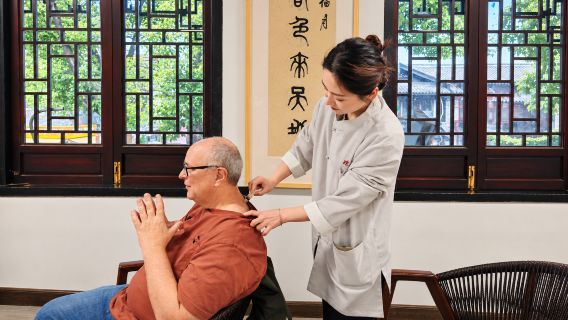
Xi'an Terracotta Warriors Day Trip + Optional Experiences: Chinese Massage/Flower-Shaped Steamed Buns and Noodle Making/Chinese Tea Drinking
󱌍
From€54.83
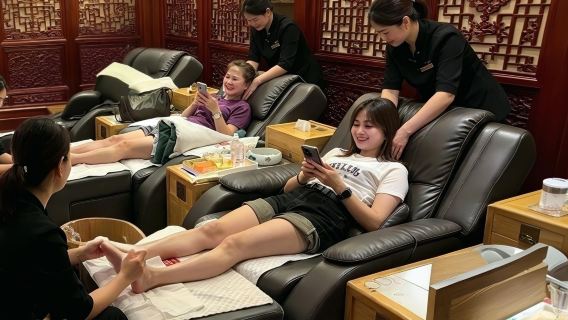
Traditional Chinese Tui‑Na Massage & Herbal Hot Compress  Experience | 60/90 Minutes
󱌍
Duration: 1 hr
English
Free cancellation
Instant confirmation
Book now for today
From€23.43
Xi'an | Traditional Chinese Tui‑Na Massage +3hr Local Food Tour
󱌍
Duration: 4 hrs
English
Free cancellation
Instant confirmation
Book now for today
From€76.52
Half‑Day Terracotta Warriors Tour with Traditional Chinese Tui‑Na Massage
󱌍
Duration: 3 hrs
English
Free cancellation
Instant confirmation
Book now for tomorrow
From€51.53

Featured Outdoor & sports in Jingyang

View all Outdoor & sports
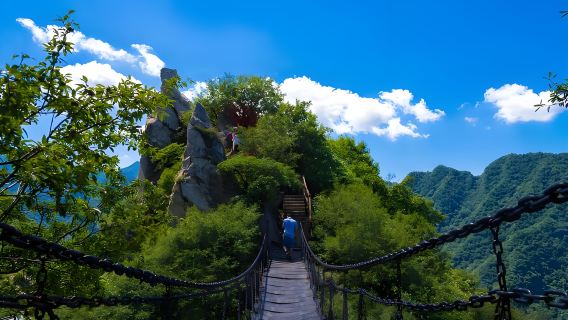
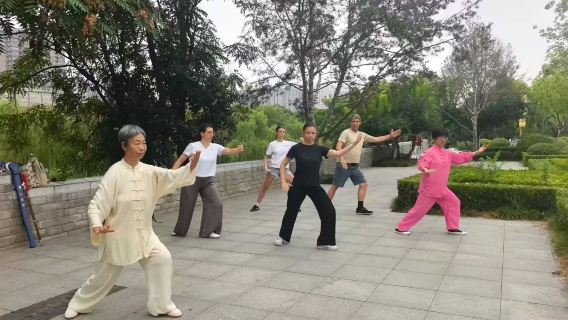
Xi'an Local Life Immersions:Morning Local Market & Traditional Tai Chi Experience
󱌍
Duration: 4.4 hrs
English
Free cancellation
Instant confirmation
Book now for tomorrow
9% off
Limited-time sale
From€64.56€71.73
Xi'an Cuihua Mountain Hiking 1-Day Tour: Natural Geological Museum and Secluded Paradise!
󱌍
4.0/5
· 1 review
Duration: 5 hrs
English
Free cancellation
Instant confirmation
From€40.29
Xi'an Boutique Small Group Tour · One-Day Trip to South Wutai of Zhongnan Mountain: Admire the Splendid Five Peaks and Savor a Millennium of Buddhist Charm
󱌍
From€65.59

Featured Culture & history in Jingyang

View all Culture & history
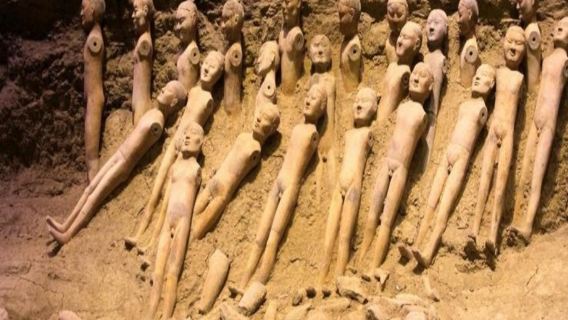
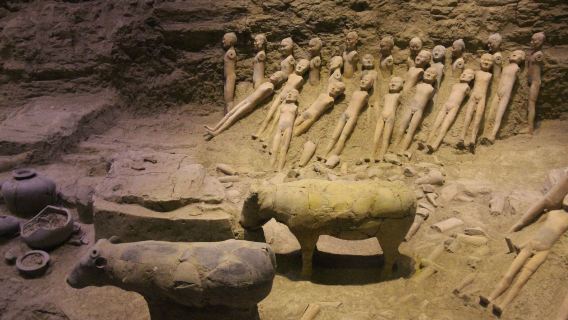
Xian Qianling Mausoleum and Hanyangling Museum Private History Day Tour
󱌍
Duration: 7.5 hrs
English
Free cancellation
Instant confirmation
Book now for tomorrow
From€62.62
Xi'an Terracotta Warriors & Han Yangling Mausoleum Private Day Tour
󱌍
Duration: 8 hrs
English
Free cancellation
Instant confirmation
Book now for tomorrow
From€65.90
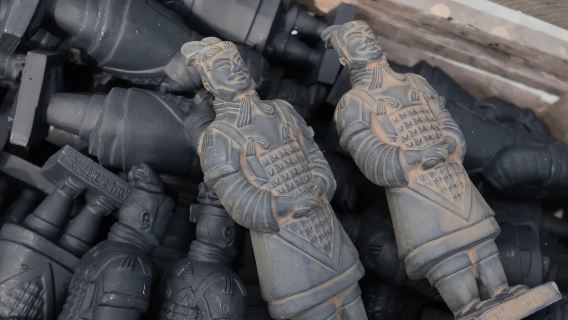
Make Your Own Mini Terracotta Warrior in Xi'an
Trip.Select
󱌍
4.9/5
· 8 reviews· 33 booked
Duration: 2 hrs
English
Free cancellation
Instant confirmation
10% off
Limited-time sale
From€64.21€71.35
Xi'An Terracotta Armys Museum Half Day with ENG/CHN/JAP/SPA /RUS Guide Daily Departure
Trip.Select
󱌍
4.3/5
· 70 reviews· 978 booked
Duration: 3 hrs
English
Free cancellation
Instant confirmation
Book now for today
From€32.72
Xi'an Terracotta Warriors+Huaqing Palace+The Song of Everlasting Sorrow Show+Lunch | Day Tour
Trip.Select
󱌍
4.8/5
· 126 reviews· 1.1k booked
Duration: 8.8 hrs
English
Free cancellation
Instant confirmation
Book now for tomorrow
95.2% of travelers recommend
From€100.18
Half-day tour to emperor Qinshihuang's mausoleum site museum private tour (includes: vehicle + guide + ticket)
Trip.Select
󱌍
5.0/5
· 162 reviews· 888 booked
Duration: 5.5 hrs
English
Free cancellation
Instant confirmation
Book now for tomorrow
100 consecutive positive reviews
From€45.29
Jingyang Today's weatherClear 1-13℃
Jingyang weather for the next 2 days11/29: 2-13℃, 11/30: 3-14℃

Free things to do in Jingyang
What travellers say about Jingyang

user-avatar
_M1***0425 November 2026
5.0
Although the Qin and Han Dynasty Museum is a bit out of the way, the advantage is that there are fewer tourists, allowing for a more relaxed viewing experience. I was very fortunate to meet Ms. Feifei, who explained every important artifact without missing a single one; her pace was unhurried, the content was insightful yet easy to understand, and she frequently interacted with us, adding a lot of fun; she even suggested the best photo spots and angles, which was incredibly helpful! The two-hour guided tour didn't feel tiring at all, and I felt like I wanted more!

Qinhan Civilization Museum

user-avatar
M23***227 October 2026
5.0
It's great, the price is reasonable, and the kids had a lot of fun. It's a great place with many roller coasters, both thrilling and mild. We were tourists and spent the whole day there. Thumbs up!

Xi'an Land of Giants

user-avatar
_We***3223 October 2026
5.0
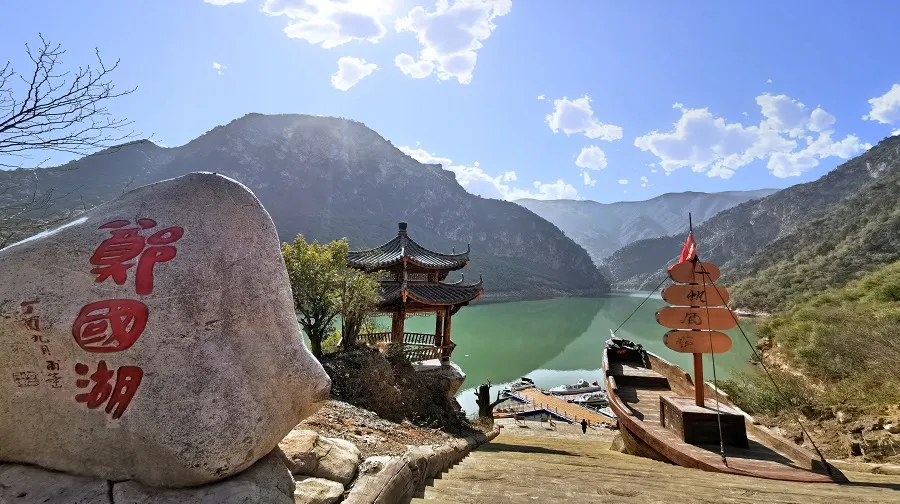
My second visit to the Zheng Guo Canal Scenic Area was once again captivating, leaving me deeply moved by the breathtaking scenery of this canyon. Zheng Guo Lake shimmered in the sunlight; a gentle bamboo raft ride offered picturesque views of the cliffs on either side. Reaching the waterfall, the sun shone brightly, and a rainbow appeared amidst the mist – so soothing! The Via Ferrata at Fuyuntai, perched atop a cliff overlooking the Jinghe River Canyon, was thrilling and exhilarating. This day trip combined the grandeur of a thousand-year-old water conservancy project with the natural beauty of the mountains and rivers, making it a fulfilling and perfect experience.

Zhengguo Canal Scenic Area

user-avatar
酷酷又可乐的杰瑞22 November 2026
5.0
It's definitely worth it! The only downside is the unclear signage; there are two ticket booths, which made me run around the entire Daling District. There are two main areas: one is an indoor exhibition hall and the Deyang Palace ruins (this site isn't very interesting). The other is an underground palace and the South Gate, about a kilometer away. This underground palace is the coolest part because it's almost deserted and has a much better atmosphere than the Terracotta Army.

Han Yangling National Archaeological Site Park

user-avatar
_TI***o526 November 2026
5.0
We were able to cycle around the entire city wall and it was such an achievement. Go during the golden hour and the lighting and views will be perfect and spectacular. What an experience.

Xi'an City Wall

user-avatar
魔法师王紫儿26 June 2026
5.0
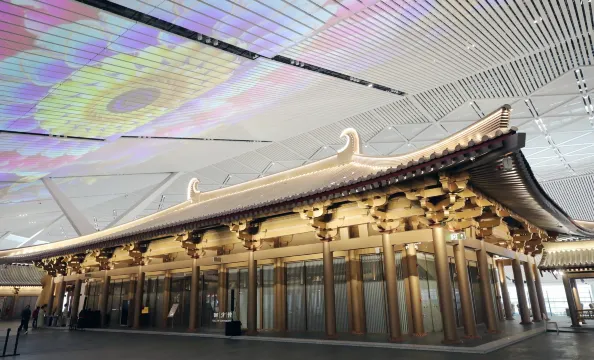
Xi'an Xianyang International Airport Museum (Terminal 5) is a rare archaeological site museum within an airport in China, built upon over 3,500 ancient tombs discovered during its construction. The museum features "underground artifacts, above-ground exhibitions," combining authentic archaeological sites with modern displays, showcasing approximately 120 precious artifacts, including the stone sarcophagus from the Northern Zhou Dynasty's Shi Jun Tomb, which is being exhibited for the first time. This innovative "airport + museum" model allows passengers to experience the civilization of the Zhou, Qin, Han, and Tang dynasties while waiting for their flights, making it a model of cultural tourism integration and well worth a special trip. But remember to visit it before security! It's located in the baggage check-in area.

China West Airport Group Museum of Heritage

user-avatar
Anonymous user27 November 2026
5.0
Today's trip to the Shaanxi History Museum was incredibly fortunate, and I had the privilege of meeting Ms. Fangyuan. Many explanations merely introduce artifacts, but Ms. Fangyuan guided us to understand the passage of time. Her solid foundation and rigorous approach, combined with her insightful and thoughtful interpretations, allowed her to narrate the history chronologically, bringing dry historical materials to life. What was particularly remarkable was her gentle and attentive nature; she constantly looked after the children in our group, maintaining a perfect balance between pace and relaxation. The entire visit was a rare and healing cultural journey, allowing me to see ancient artifacts and absorb a thousand years of history. I gained so much. May Ms. Fangyuan's beautiful and gentle narration of history be heard by more people!

Shaanxi History Museum

user-avatar
爱旅行的小吉熊28 November 2026
5.0
Xi'an Museum is an outstanding representative of comprehensive urban museums in China. It adopts a unique integrated museum-garden model, combining a modern main exhibition hall, the Small Wild Goose Pagoda, the Jianfu Temple ancient architectural complex, and garden landscapes, breaking the limitations of simply visiting exhibition halls. The museum's collection mainly consists of artifacts unearthed in Xi'an over the years, connecting the Western Zhou, Qin, Han, Sui, Tang, and Ming-Qing dynasties, comprehensively tracing the urban development of this ancient capital of thirteen dynasties. Among them, precious artifacts such as the Sancai (three-color glazed pottery) flying horse and the Yongyu (a type of ancient bronze vessel) vividly demonstrate the history of diverse cultural exchange and integration along the ancient Silk Road. It is not merely a place for displaying artifacts; it also serves multiple functions including ancient architecture preservation, historical education, research and experiential learning, and leisure tourism. Compared to large history museums, its size is moderate, and the pace of the visit is leisurely, suitable for visitors of all ages. For cultural tourism development, Xi'an Museum deeply integrates cultural relics, ancient architecture, and garden resources, conveying the history and culture of Chang'an in a visually appealing and experiential way. It serves as an excellent platform for urban cultural display, local cultural tourism promotion, and research and study tourism development, effectively achieving a balance between artifact preservation, cultural dissemination, and tourism development.

Xi'an Museum

user-avatar
新一代徐霞客123 November 2026
5.0
The Xi'an Bell Tower is a landmark in the city center of Xi'an. The Ming Dynasty bell tower features a vermilion pavilion with glazed tiles. It is most photogenic when lit up at night. Climbing the tower, you can overlook the traffic flow of the four main streets in the east, west, south and north, and feel the convergence of the ancient and the modern.

Xi'an Bell Tower

Trip Moments in Jingyang

Popular cities near Jingyang

Frequently asked questions

You can give [Empress Wu's grand feast] Xi'an Datang Empress Wu's grand feast [Panoramic immersive ancient palace dining show] and Daming Palace Banquet: A Journey Back to the Golden Age of Tang - Immersive Tang Culture Dining Show with Optional Hanfu Costume and Makeup a try. Before you go, please check their opening hours and menus online. Reservations are recommended, especially during peak hours.

Get help anytime, anywhere within 30 secondsContact customer support

Change and cancellation policies vary by attractions and tours. Please check the product details page for more information.

Ticket prices may vary between weekdays and weekends, as well as during peak and off-peak seasons. When booking with Trip.com, you can also use Trip Coins to get extra savings. For more tips on booking discounted tickets, please visit Trip.com for the latest information.