
Key Cotswolds train stations: A visitor's guide

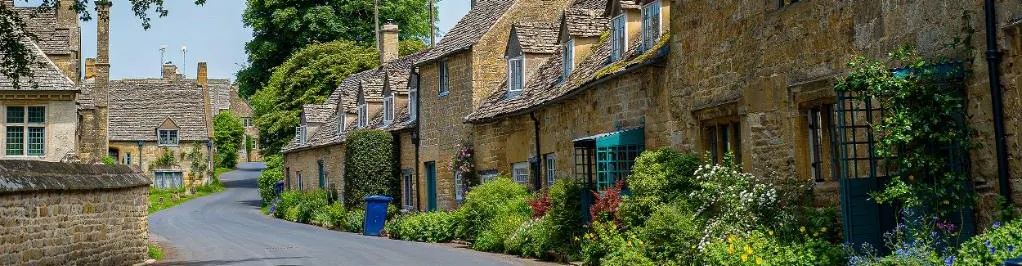
With its rolling countryside, picturesque villages, and scenic landscapes, the Cotswolds have long been one of the leading rural retreats for holidaymakers in the UK and beyond. As the UK’s largest National Landscape, at almost 800 square miles, it can take several trips to truly experience all that the Cotswolds have to offer.
There is no single main station for the Cotswolds, so the best place to arrive depends on where you’re planning to visit. Below, we’ll cover some of the most useful train stations for visiting the Cotswolds, including where you can travel from and the towns, villages, and attractions in easy reach once you arrive.
What are the best train stations for the Cotswolds?
The Cotswolds cover a vast area across six counties. They are:
- Somerset (Bath & North East Somerset)
The scale of the area means that choosing the right station is key to simplifying your journey and ensuring a smooth arrival.
Moreton-in-Marsh station
The town itself is worth exploring, with its broad High Street lined by traditional Cotswold stone buildings, shops, pubs, and cafés. More importantly for visitors without a car, Moreton-in-Marsh provides a useful starting point for onward journeys to several of the region’s best-known towns and villages.
Where can you reach from Moreton-in-Marsh?
Bus connections provide onward travel towards destinations including Bourton-on-the-Water, Stow-on-the-Wold, Broadway, and Chipping Campden, making Moreton-in-Marsh a particularly versatile base for exploring the northern Cotswolds by public transport.
The town itself is also a great destination for history lovers, being home to one of the largest markets in the Cotswolds, as well as attractions like the Wellington Aviation Museum.
Kemble station
Kemble is a useful station for exploring the southern Cotswolds and is particularly convenient for anyone visiting Cirencester.
Kemble itself is a small village, so many visitors arriving here will be continuing elsewhere. However, the surrounding countryside provides an ideal starting point in its own right for those looking to explore on foot or by bike.
Where can you reach from Kemble?
Cirencester provides a convenient base for exploring the southern Cotswolds, with onward connections for destinations including Bibury and Tetbury.
Charlbury station
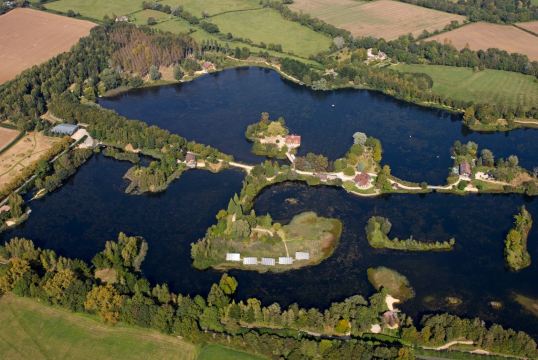
The town itself is home to traditional Cotswold stone buildings, pubs, cafés, and walking routes into the surrounding countryside, making it a worthwhile destination to explore.
Where can you reach from Charlbury?
While being a worthwhile destination in its own right, Charlbury also provides convenient onward travel to popular spots such as Chipping Norton via bus, although visitors should check timetables in advance to make sure connections align with their itinerary.
Charlbury is also surrounded by the ancient Wychwood Forest and sits along the Oxfordshire Way, making it a particularly useful station for walkers.
Kingham station
Kingham provides another useful entry point to the north-eastern Cotswolds, with connections from London Paddington and Oxford.
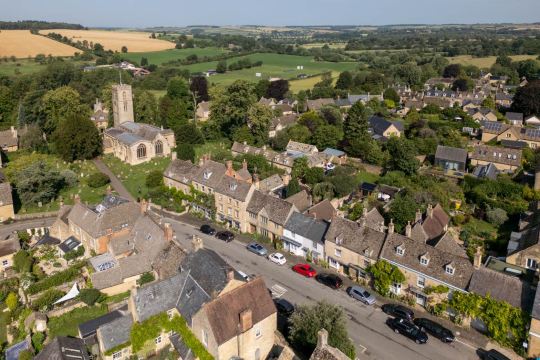
The village itself is quiet and less busy than some of the Cotswolds’ most popular tourist destinations, making it a popular choice for visitors seeking a more relaxed trip.
Where can you reach from Kingham?
While Kingham does not have direct, fixed-route bus services to Stow-on-the-Wold or Bourton-on-the-Water, visitors can bridge the gap using The Robin, Gloucestershire’s flexible on-demand minibus service.
Alternatively, you can take the short 10-minute train journey to Moreton-in-Marsh, which serves as a major hub for local bus connections. As such, Kingham works great for visitors looking to combine a quieter Cotswold base with easy access to some of the region’s best-known towns and villages.
Stroud station
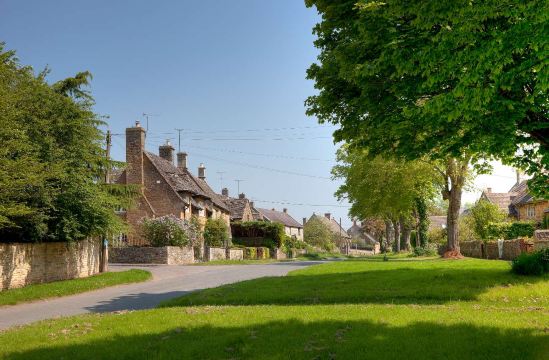
Stroud provides a different Cotswold experience to the picturesque villages further up north. Sitting amid the Five Valleys, this vibrant town is packed with independent shops, cafés, and markets, with easy access to surrounding hills and countryside.
Stroud station is served by trains on the route between London Paddington and Cheltenham, providing convenient access from several major destinations.
Where can you reach from Stroud?
Stroud is particularly useful for exploring the western and central Cotswolds, with bus services providing connections to surrounding towns and villages.
For a rich and varied day out, travellers can immerse themselves in Stroud’s independent shops and cafés before heading into the surrounding Five Valleys for countryside walks.
Painswick, known for its stone buildings and historic churchyard, is within easy reach, while connections towards Cirencester are also available.

Cheltenham Spa station
Direct rail connections link Cheltenham with major cities across the country, making it a useful route for many to the western and northern Cotswolds.
Known as one of the gateways to the Cotswolds, Cheltenham itself also has plenty to offer, with its Regency architecture, restaurants, shopping, parks, and famous racecourse making it a go-to day out for many across the country.
Where can you reach from Cheltenham Spa?
Local bus services connect Cheltenham with destinations across the surrounding Cotswolds, making it particularly useful for visitors who want to combine a rail trip with onward bus travel.
The combination of national rail services and local public transport also makes Cheltenham a convenient option for travellers arriving from the Midlands, North, Wales, and the south-west.

Oxford station
Oxford itself isn’t a Cotswolds station, but its location and transport connections make it a viable entry point to the eastern side of the region.
Where can you reach from Oxford?
Oxford is ideal for onward travel towards destinations including Woodstock and Blenheim Palace, while bus connections also provide options for reaching other towns on the eastern side of the Cotswolds.
Alternatively, you can continue by train to Charlbury, Kingham, or Moreton-in-Marsh and begin your Cotswolds visit from there.

Cotswolds train station FAQs
What is the main train station for the Cotswolds?
There isn't one main Cotswolds train station because the region covers such a large area. The best station depends on where you're planning to visit.
Moreton-in-Marsh is particularly useful for the northern Cotswolds and onward travel towards destinations such as Stow-on-the-Wold and Bourton-on-the-Water, while Kemble is the closest station to Cirencester. Stroud and Cheltenham Spa provide useful gateways further west.
Which Cotswolds villages can you reach by train?
Several Cotswolds towns and villages have their own railway stations, including Moreton-in-Marsh, Charlbury, and Kingham. However, many of the region's most famous destinations don't.
For example, visitors to Bourton-on-the-Water and Stow-on-the-Wold can travel by train to Moreton-in-Marsh before continuing by bus, while Cirencester can be reached via Kemble.
What is the best Cotswolds train station from London?
There is no single best station from London, as your best option depends on your destination. Moreton-in-Marsh is one of the most useful choices for exploring the northern Cotswolds, while Kemble is convenient for Cirencester and the southern Cotswolds.
Both can be reached directly from London Paddington, while other useful stations include Charlbury, Kingham, Stroud, and Cheltenham Spa.
How can I save money on train travel to the Cotswolds?
If your travel plans are flexible, compare different departure times and ticket options before booking to find the best fare for your trip.









- What are the best train stations for the Cotswolds?
- Charlbury station
- Kingham station
- Stroud station
- Cheltenham Spa station
- Oxford station
- Cotswolds train station FAQs
Related travel guides
 Updated: November 25, 2026
Leeds International Film Festival 2026: Cinemas, nearest station & cheap train tickets
 Updated: November 25, 2026
Cheltenham Festival 2027: Nearest train station to Racecourse
 Updated: November 25, 2026
London Book Fair 2027: Train tickets and closest station
 Updated: November 25, 2026
Head of the River Race London 2027: Trains, nearby stations & timings
 Updated: November 25, 2026
Six Nations Rugby 2027: How to get to key matches by train
 Updated: November 25, 2026
How to get trains to Scotland and other parts of the UK to celebrate Burns Night?
 Updated: November 25, 2026
New Year's Day Parade London 2026: Nearest station, when to set off & cheap train tickets
 Updated: November 25, 2026
Hogmanay 2026: Nearest station, when to set off & cheap train tickets
 Updated: November 25, 2026
London to Cotswolds day trip: Trains, sights & itinerary
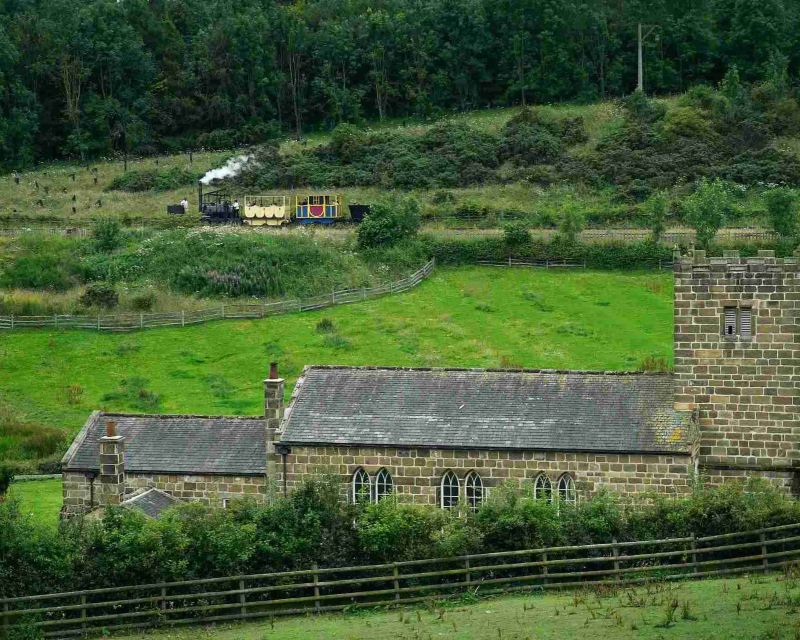 Updated: November 25, 2026
Everything you need to know about the Cotswolds Stream Train
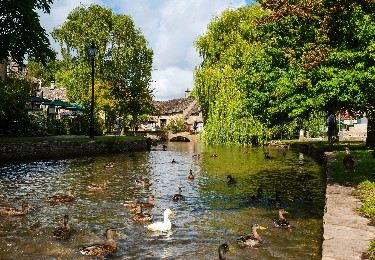 Updated: November 25, 2026
London to Cotswolds Staycation: Trains, sights & itinerary
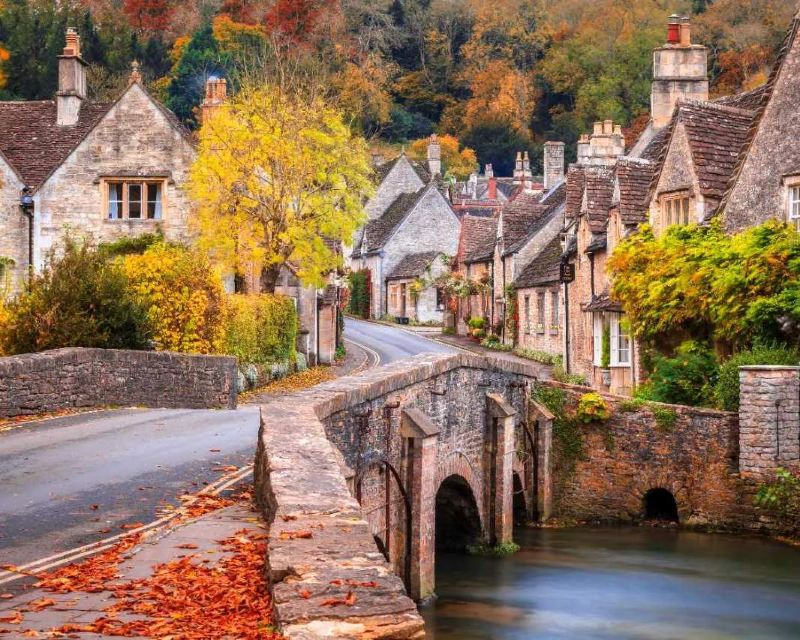 Updated: November 25, 2026
London to Cotswolds weekend trip: Trains, sights & itinerary






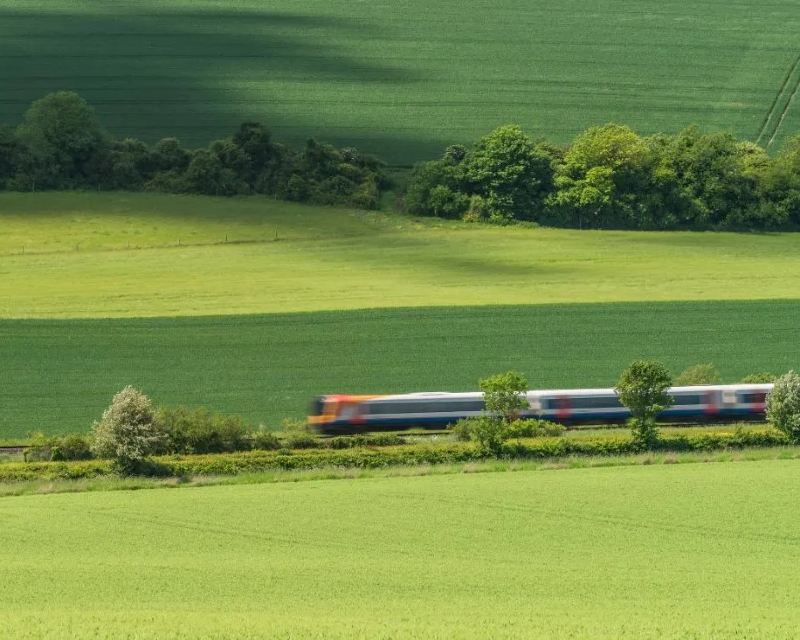




- How to buy train tickets in China online?Updated: November 26, 2026
- Regional trains in Italy: Everything you need to knowUpdated: November 25, 2026
- What times do trains stop running in the UK?Updated: November 25, 2026
- Getting the train to London Southbank: Closest station & routesUpdated: November 25, 2026
- Getting the train to Royal Festival Hall: Closest station & routesUpdated: November 25, 2026
- TGV trains in France: Everything you need to knowUpdated: November 25, 2026
- How fast do UK trains go? High speeds explainedUpdated: November 25, 2026
- What does an overtaken train mean? (UK)Updated: November 25, 2026
- Getting the train to SEA LIFE London: Closest station & routesUpdated: November 25, 2026
- Trenitalia discounts: Promos and savingsUpdated: November 25, 2026
- Are trains in Italy cheap? Ticket prices explainedUpdated: November 25, 2026
- How fast are China’s high-speed trains?Updated: November 24, 2026