

As the back-to-school season approaches, it brings with it many decisions. From where to buy school supplies, what to pack for lunches and – why we’re here today – what the best transport option for the school commute is. The main question is: should your kids take the train or bus to school?
Both transport options have their pros and cons, and for many, the decision may depend on transport links where you live and how far you are from the school. But when both options are readily available to you, the main factors to consider are cost, safety and convenience. We’ll break down where each option triumphs over the other, so you can choose what’s right for your child.
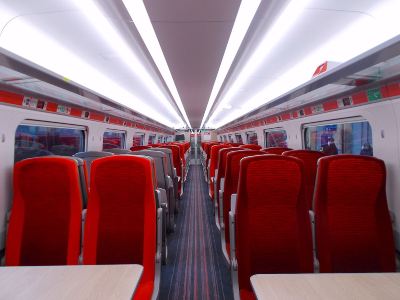
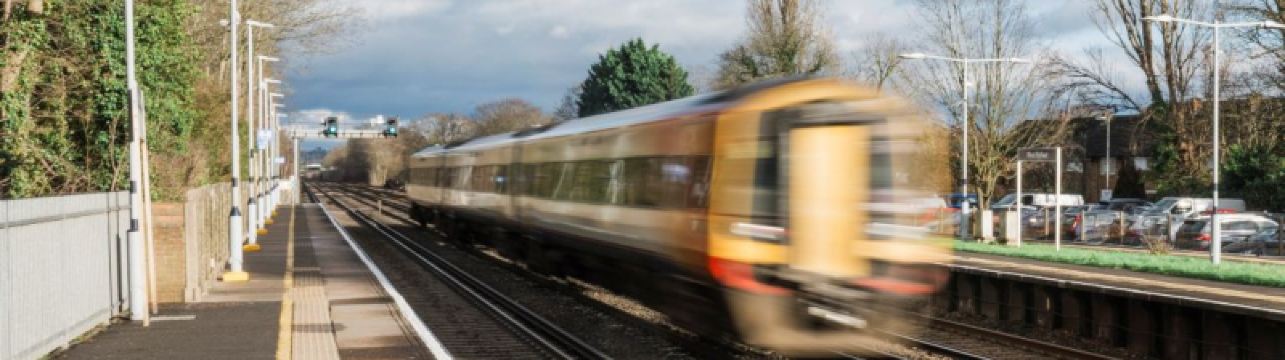
The case for the train
Let’s have a look at the main advantages for taking the train to school compared to the bus.
- Speed: Trains are often faster than buses when it comes to long-distance commutes and cross-city travel. And as the school day can already be long enough as it is, this allows for later morning wake-ups and earlier arrivals home to relax in the evenings.
- Reliability: Trains don’t have to contend with rush hour traffic, road works or fender benders, meaning they are often more punctual than buses. This practically eliminates the need to allow for disruptions on your kids’ school run with the train.
- Comfort: Trains are generally more spacious than buses, meaning your kids can commute to school more comfortably. This also makes things safer when students are laden with bags and laptops, as there is less opportunity for pickpockets to go unnoticed.
- Discounts: School comes with enough costs as it is, so the fact that student train tickets are often discounted comes as a great relief. Between 16–17 Saver passes, termly Season Tickets and child fares as little as £2 for under 15s on some trains, there are excellent savings to be had compared to regular train tickets.
With these advantages in mind, the bus wins out over the train for school run in certain cases. For example, a secondary school student with a 10-mile commute ahead of them will travel more comfortably and faster on a regional train – potentially taking just 20 minutes – compared to a 1 hr bus journey.
When the bus is better
- For rural journeys or long-distance school commutes, where trains will come out on top in terms of speed and comfort.
- For families who already own Railcards, and can thus benefit from discounted fares without additional costs.
- For students travelling with lots of equipment, for example a gear bag for after-school sports or a musical instrument. Trains will be superior to buses here for comfort and safety.
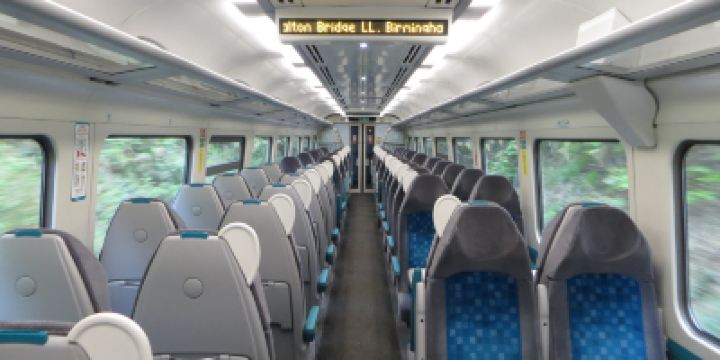
The case for the bus
Here you can see the areas where the bus comes out on top over the train for the school run.
- Cost: When it comes to short- or medium-distance school runs, the bus is usually the cheaper option than the train. This can be compounded by purchasing weekly bus passes, which often give discounts to students, making it a cheap school travel option for families in the UK.
- Coverage: Buses tend to have more stops along its route, meaning students are more likely to have a stop closer to home or school. This reduces walking times, which is especially handy on cold or rainy days.
- Frequency: If you’re living in an urban area, buses tend to run more frequently than trains, giving your kids more flexibility on their school commute. This is a win for mornings, as it’s no longer a disaster if sleepy-heads lying in miss their ride.
- Social aspect: Kids travelling to school by bus are more likely to be accompanied by friends and classmates, making it a more pleasant experience. Not commuting alone also makes this a safe way for kids to travel to school.
These aspects are where the bus wins the ‘train vs bus’ school run debate. An example of when we would recommend the bus as the better option for commuting to school would be where you live in an urban area that offers local bus passes – which tend to cost around £15–20 a week for school students – versus a season ticket for a train journey on the same route, which can cost quite a bit more.
When the bus is better
- For shorter commutes in urban areas, as the bus is more likely to collect and drop you closer to your destination, and the cost may be lower.
- For younger children who are not confident about navigating train stations. Waiting at a bus stop close to home and showing a bus pass for admittance can be less daunting for little ones.
- For budget-conscious families, the bus is usually a cheaper option.
Alternative school travel options
There are more than two choices among the best transport options for the school commute in the UK. Beyond the train vs bus commuting argument, you’ll find a few alternative ways for your kids to travel to school.
Park & Ride
Some train operators offer Park & Ride tickets, with all day car-parking offered either free or at a discounted price when bought with a combined train ticket. So you can drive to the train station, leave your car there and hop on the train for the school commute.
Cycling + train/bus
For when the train or bus stop is just slightly too far to walk, kids can cycle to where the bus or train picks them up. Folding bikes are a great option here, as you can usually board buses and trains with these without any restrictions. Or, if your station offers bike storage facilities, they can leave the bike there and collect it on their way home from school.
Taxi or carpool
Getting a taxi or organising a carpool is a nice backup to have for when timings go wrong or when the weather is working against you. We don’t recommend solely relying on these forms of transport, as they are both less economical and less environmentally friendly – but they can certainly dig you out of a hole in a pinch.
 New user welcome pack
 -
5% OFF
Europe Train New User Promo Code

-
2% OFF
UK Train New User Promo Code









- The case for the train
- The case for the bus
- Alternative school travel options








- Getting the train to Longleat Safari Park: Closest station & routesApr 3, 2026
- Getting the train to the National Railway Museum: Closest station & popular routesApr 3, 2026
- Getting the train to Victoria and Albert Museum (V&A): Closest station & popular routesApr 3, 2026
- Trains to RHS Sandringham Flower Show 2026: Nearest station, popular routes & event infoApr 3, 2026
- Trains to Goodwood Festival of Speed 2026: Nearest station, popular routes & event infoApr 3, 2026
- Scenic Scottish coastlines by rail: Ayr, North Berwick & moreApr 3, 2026
- Birmingham to Coventry: Cheapest vs quickest vs bestApr 3, 2026
- Birmingham to Leicester: Cheapest vs quickest vs bestApr 3, 2026
- Nottingham to Birmingham: Cheapest vs quickest vs bestApr 3, 2026
- Best hotels near London Liverpool Street stationApr 3, 2026
- What restrictions does my Railcard have? Senior, Network and moreApr 3, 2026
- Trains to Llangollen International Musical Eisteddfod: Nearest station, popular routes & event infoApr 3, 2026