Guilin Travel Guide 2026: Top Attractions, Local Food & Travel Tips | Trip.com
About Guilin
Recommended trip: 3–5 day(s)
Recommended trip: 3–5 day(s)Current weather conditions
 32°C
32°CGuilin Local Experiences Map






Trending in Guilin
Guilin Local Travel Guide 2026
Guilin Brief Guide
Guilin is renowned for its landscape of water and mountains throughout the whole country. With clear water shimmering in the sun, the Li River is surrounded by green mountains and oddly shaped boulders. You can take a bamboo raft to enjoy the natural beauty. Guilin is also famous for Elephant Trunk Hill, Jingjiang Princes’ Palace as well as Two Rivers and Four Lakes Scenic Spot featuring beautiful surroundings. Two Rivers and Four Lakes Scenic Area also depicts an awesome night view. The Li River section of Yangshuo offers idyllic countryside views. You can ride a bike or go hiking here. As one of the best places for rock climbing in China, Yangshuo has attracted numerous tourists. What's more, natural terraced fields and magical caves are also worth exploring.
Guilin Must-try local experiences
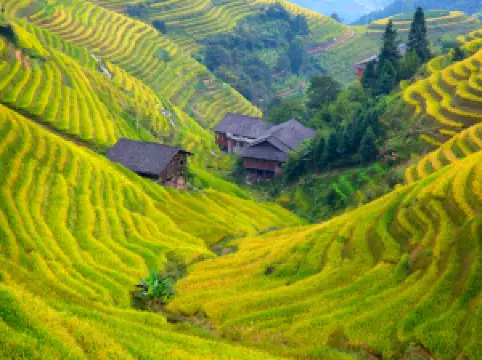
1. Cruise and Raft the Li River Embark on a scenic cruise along the Li River to soak in Guilin's iconic karst landscape and riverside villages. For a quieter experience, opt for a bamboo-style rafting trip — a more intimate way to glide past dramatic limestone peaks. 2. Wander Through the Longji Rice Terraces Hike through the Longji Rice Terraces, known as the "Dragon's Backbone," and marvel at their sweeping, layered beauty. Shaped by the Zhuang and Yao communities, they're a must-visit for photographers and those drawn to Guilin's rural highland scenery. 3. Explore Guilin's Natural Wonders Visit Elephant Trunk Hill, the city's most recognizable landmark, where a rock formation resembles an elephant drinking from the river. Head up Yao Mountain for panoramic views, descend into Reed Flute Cave to marvel at its colorful stalactites, or stroll through Seven Star Park among karst peaks said to mirror the Big Dipper. 4. Discover Ancient Towns and Hidden Gems Wander the cobblestone streets of Daxu Ancient Town for a glimpse into traditional architecture and local life. In the evening, capture the Sun and Moon Pagodas glowing in the reflection of Shanhu Lake. 5. Experience Local Arts and Festive Culture Be captivated by Impression Sanjie Liu, a large-scale outdoor performance set against the river landscape. Try a traditional Chinese fan painting workshop, or time your visit with the Guilin International Tourism Festival for parades and cultural performances. 6. Savor Authentic Flavors and Nightlife Dive into Guilin's local cuisine — from signature rice noodles to beer fish and osmanthus wine. Explore lively night markets for street food and souvenirs, or browse Xicheng Pedestrian Street for shopping and local handicrafts.
Guilin Must-see Attractions
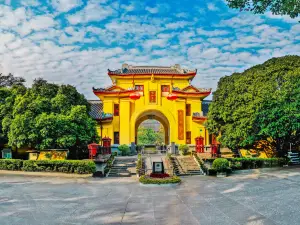
Guilin is a picturesque city renowned for its stunning karst landscapes, serene river cruises on the Li and Yulong Rivers, culturally rich Longji Rice Terraces, and the historical and natural beauty of the Two Rivers and Four Lakes system and Duxiu Peak Palace Destination.
Guilin Food Guide
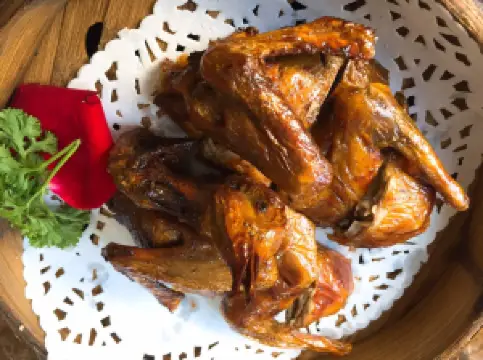
Renowned for its distinctive flavors and meticulous preparation techniques, Guilin's culinary ranges from its traditional rice noodles to freshly made beer fish. Local specialties, like Gongcheng oil tea and sweet caramelized taro, each highlights the area’s rich cultural and culinary heritage.
Guilin Transportation
Guilin is a critical tourism and transportation hub in South China, accessible by air, rail, bus, or road. By Air Guilin Liangjiang International Airport (KWL): The primary gateway, located ~28 km (17 miles) west of downtown. It serves both international and domestic flights. To City Center from KWL: Airport Shuttles run every 30–60 minutes to downtown drop-off points (~50 minutes). Taxis and private transfers are available for direct travel to the city center or nearby Yangshuo. By Train Guilin North Railway Station: The largest hub for high-speed trains connecting to other major cities. Guilin Railway Station: Most centrally located station, convenient for downtown access. Guilin West Railway Station: Primarily handles long-distance high-speed transit routes. To City Center: All stations are integrated with the local public bus network and taxi stands. By Bus Regional bus services provide easy access to nearby scenic destinations. Guilin North Bus Terminal serves as a key departure point for intercity routes. Yangshuo: Frequent express buses depart from areas near Guilin Railway Station and the North Bus Terminal, taking approximately 1.5 hours. Longji Rice Terraces: Direct tourist buses run to the Heping ticket office and onward to villages such as Dazhai and Ping’an, with a travel time of 2.5–3 hours.
Guilin Where to Stay
Guilin, known for its stunning karst landscapes, is a popular destination for both domestic and international tourists. The city's accommodation options cover several key areas, each offering unique experiences and conveniences for travelers.
Guilin Best Time to Visit
The best time to visit Guilin is from April to October, as this period offers a blend of warm sunshine, gentle breezes, and the most comfortable weather for exploring the enchanting natural scenery. April and May provide the opportunity to experience the Li River's beauty after the drizzle, while July and August are perfect for hiking and capturing the lush greenery. September and October are ideal for witnessing the golden terraced fields at sunset, and the autumn months offer less rain with hot-to-mild weather, perfect for outdoor activities and enjoying the golden autumn paddy fields. However, it is advisable to avoid Chinese public holidays due to large crowds and higher costs.
Guilin Useful Guide
Guilin, a city in China, predominantly speaks Mandarin Chinese, the official language of the country. Travelers to Guilin are encouraged to learn basic Chinese phrases to enhance their experience, as English is not widely spoken outside major cities. Translation apps and carrying hotel business cards with Chinese instructions can aid in communication. Guilin's multilingualism is limited, but some locals in tourist areas may speak English. To overcome language barriers, use gestures, maps, and facial expressions.
Trip.Best: Guilin







Plan Your Guilin Trip
What to do










Where to stay












What to eat






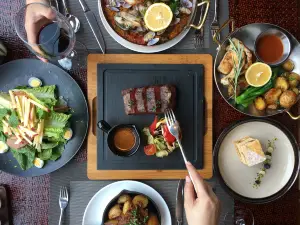





Guilin Moments: Through Travelers' Eyes

The Lijiang Bay Scenic Area in Lipu offers a wealth of activities for sightseeing and water activities! Don't just visit Yangshuo when you come to Guilin!! I was absolutely amazed by Lijiang Bay in Lipu; it's a real-life version of the "A Thousand Miles of Rivers and Mountains" painting.


From Guilin to Yangshuo: One of the Most Beautiful Journeys in China 🇨🇳

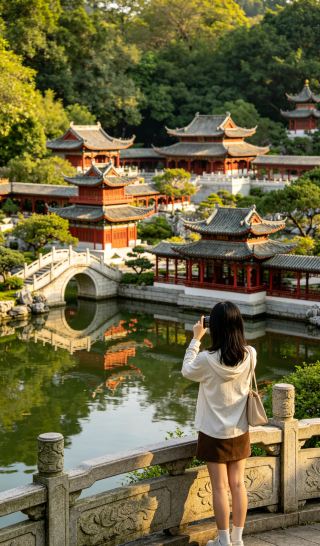
Shenzhen Splendid China One-Day Trip | Miniature traditional style + folk experiences, perfect for photos and family outings!

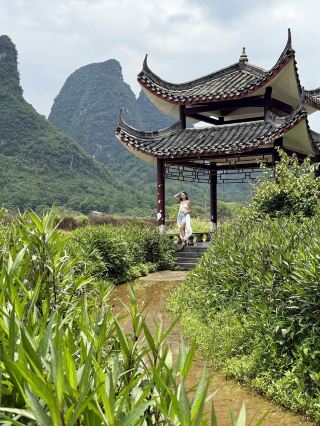
Must-Try Food in Yangshuo: Fish Cooked in Beer 🐟🍺


A healing courtyard amidst the Guilin landscape, turning life into poetry


✨ Exploring the Silver Cave in Yangshuo 🇨🇳🪨

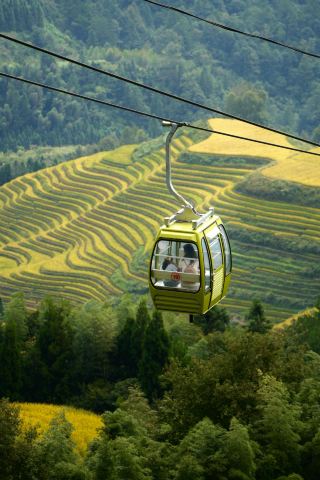
Enjoy autumn scenery, explore the countryside, and find tranquility—come visit for the Mid-Autumn Festival and National Day!


Would You Travel 3 Hours Just to See Rice Fields? Longji Might Change Your Mind! 🌾🏔️

Best of Guilin
Top 10 Instagrammable Hotels in Guilin

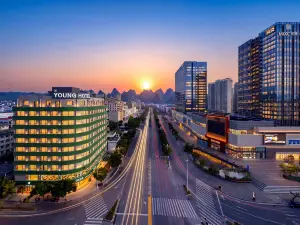




Top 50 Fall Viewing Attractions in Guilin

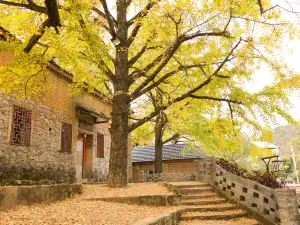
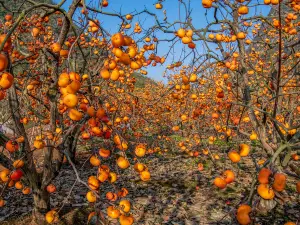








Top 10 Vacation Homes in Guilin
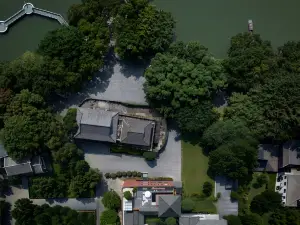






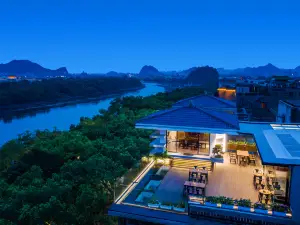
Top 10 Gourmet Hotels in Guilin







Top 20 Premium Hotels in Guilin
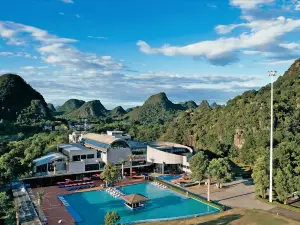




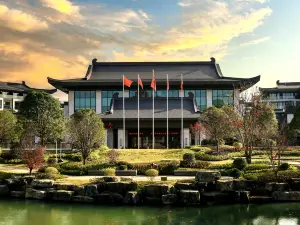

Top 20 4-Star Select Hotels in Guilin











Popular Best Things to Do Near Guilin










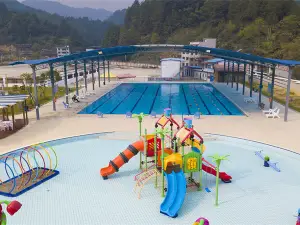
Popular Family-friendly Attractions Near Guilin






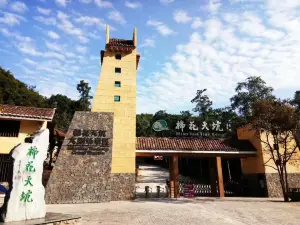

Popular Fall Viewing Attractions Near Guilin






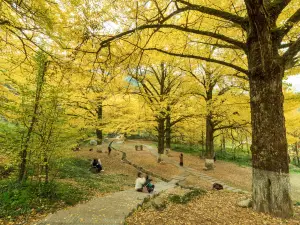



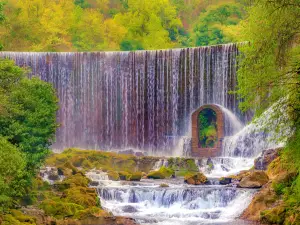
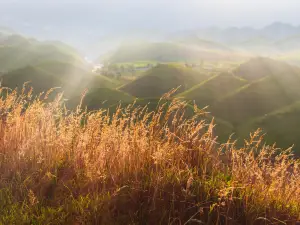
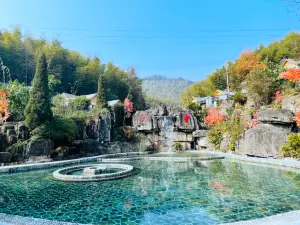
Popular Hot Springs Attractions Near Guilin







Other recommended cities

Hangzhou
Shanghai
Chengdu