Antique Market Beijing: Location, Prices & Buying Tips

By Tina
August 26, 2026
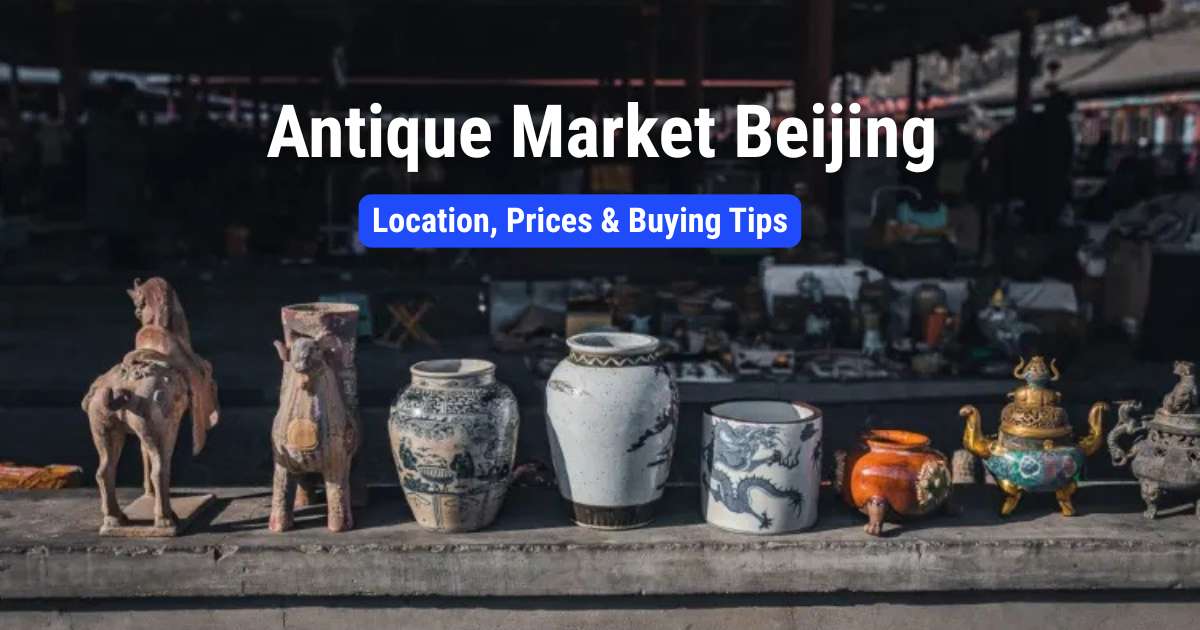
Beijing is full of markets, but Panjiayuan is so much more. The famous Antique Market in Beijing (which you might also see referred to as Panjiayuan Antique Market) is huge and has a little bit of everything.
There’s jade, porcelain, books, Chinese art, collectables, and the odd rarity. Without a doubt, it’s one of those places in China to rummage through at your leisure and see what turns up.
In this Trip.com guide, we’ll tell you what’s worth looking for, when to go, how to haggle, and what you should check before taking a piece home.
✈️ Already have your next destination in mind? Find cheap flights and book the best hotels in China with Trip.com 🏨
📍 How to Get to Panjiayuan Antique Market in Beijing?
Panjiayuan is much more accessible than it seems. It's located in the Chaoyang district, right by the East Third Ring Road, and there's a metro station practically next door.
So there's no need to cross half of Beijing by taxi, because getting to the Antique Market is quite simple, even on a first visit to the city.
- 📍 Address: 18 Huaweili, Chaoyang District, Beijing
- 🚇 Metro: Panjiayuan Station (潘家园站), Line 10
From Panjiayuan station, it’s just a 5-10 minute walk to the market entrance.
🚏 From | 🚇 How to get there | ⏱️ Approx. time |
Forbidden City | Metro with a transfer to Panjiayuan | 35-45 mins |
Wangfujing | Metro to Panjiayuan, with a transfer | 30-40 mins |
Qianmen | Metro with a transfer to Panjiayuan | 30-40 mins |
Sanlitun | Metro or Didi | 25-35 mins |
🕐 Antique Market Beijing Opening Hours
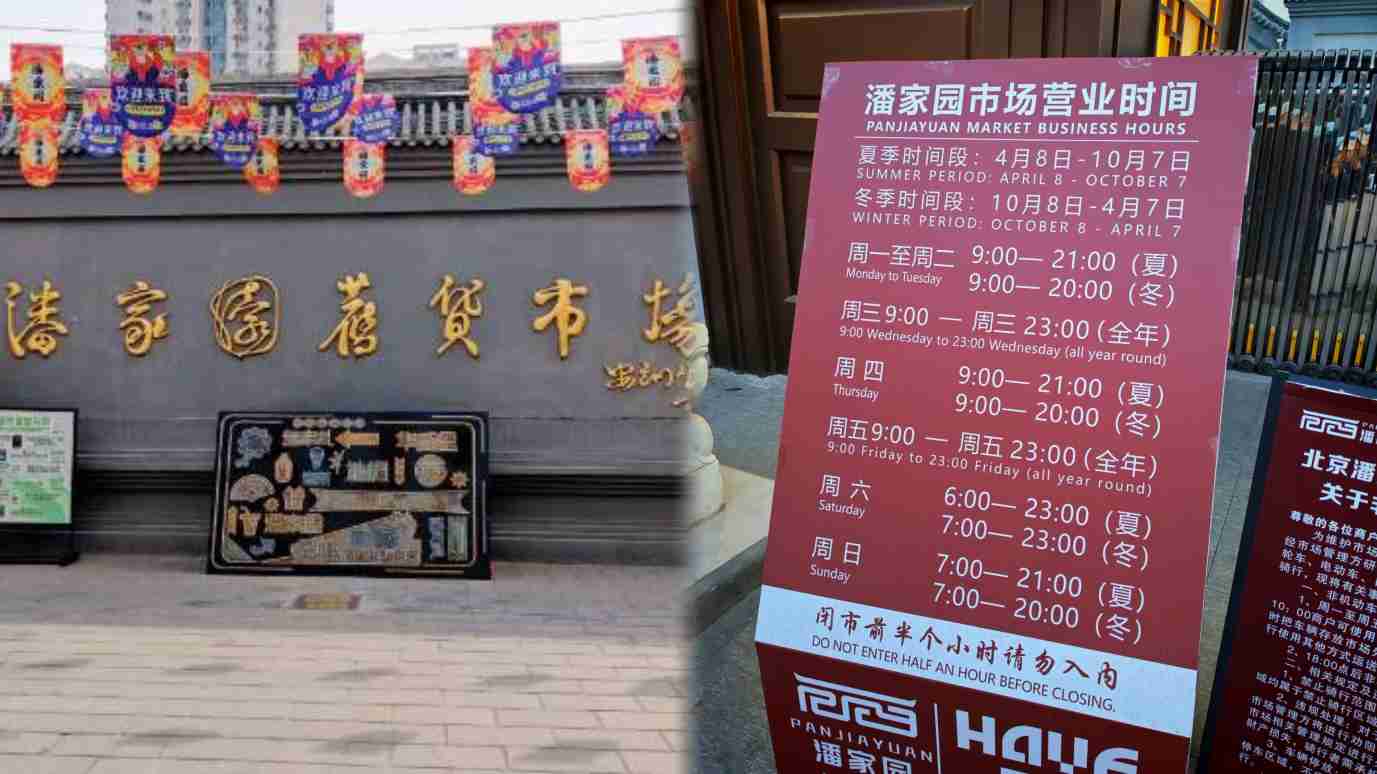
The day matters almost as much as the time here. Panjiayuan's opening hours usually run from early morning until late afternoon, but that doesn't mean all the stalls are operating throughout the entire day.
- 🏪 Permanent shops: these keep more regular hours and are the easiest to find open during the week.
- 🏮 Covered stalls: these house a good selection of antiques, jade, porcelain, calligraphy, and collectables.
- 🧺 Temporary vendors: this is part of the charm of Panjiayuan. They appear in greater numbers over the weekend, especially in the morning.
- 🌅 Best time: Saturday or Sunday morning. There are more vendors, more pieces on the tables, and a much better atmosphere.
- 😌 To see it at a leisurely pace: during the week you'll find fewer temporary stalls, but also far fewer visitors.
🛍️ What to Buy at Antique Market Beijing?
Panjiayuan is a market where you need to be in the mood for a rummage. Among its stalls, you’ll find jade, porcelain, books, paintings, coins, statuettes, and all sorts of curious objects.
🧿 Jade, stones and jewellery
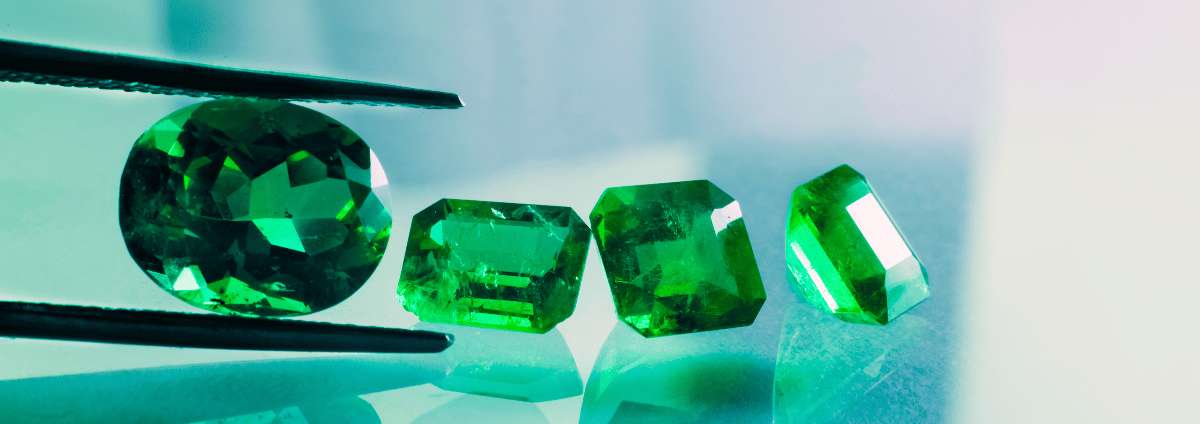
Jade at Panjiayuan takes up a significant part of the market. You’ll see classic rigid bangles, but also dragon and zodiac animal pendants, bi discs, beads, rings, small carvings, and amulets. Alongside the jade, you’ll find agates, turquoises, and other stones.
Here, the difference in quality can be huge. Colour, transparency, veining and treatment all influence the price, and a very green or shiny piece isn't necessarily better. If you're buying a souvenir, go by aesthetics; if you're looking for a valuable piece, ask for a certificate and don't just take the seller's word for it.
🏺 Porcelain, ceramics and decorative objects
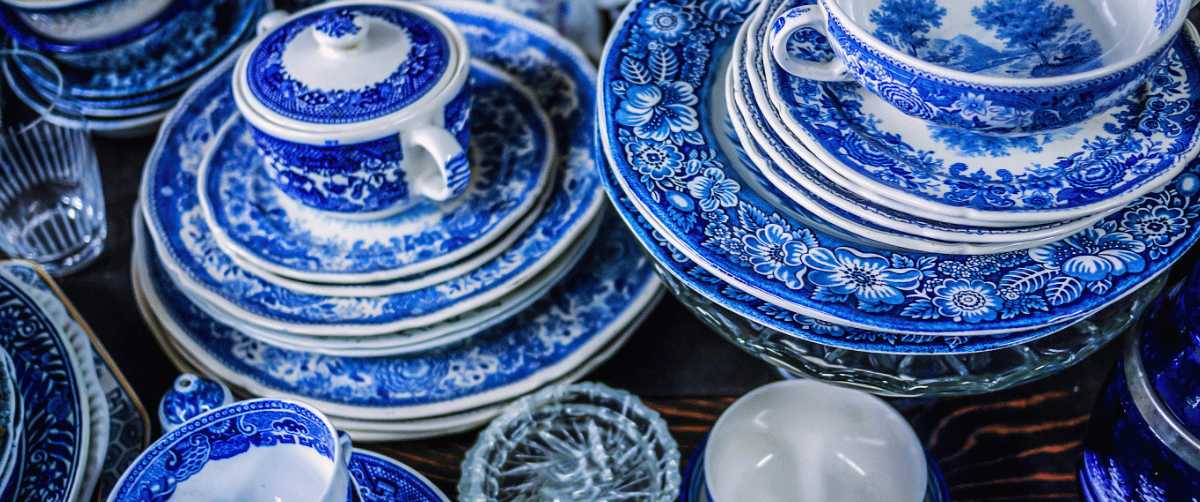
Another unmissable stop. There are entire tables covered in blue and white vases, teapots, bowls, plates, animal figurines, small pots, and hand-decorated porcelain.
Many pieces imitate styles from the Ming and Qing dynasties, even featuring marks on the base and aged finishes. They look great as decoration, but don't mistake the style for the age. In Panjiayuan, a piece that looks like it came straight out of an imperial palace may have been made relatively recently.
📚 Books, maps, calligraphy and scrolls
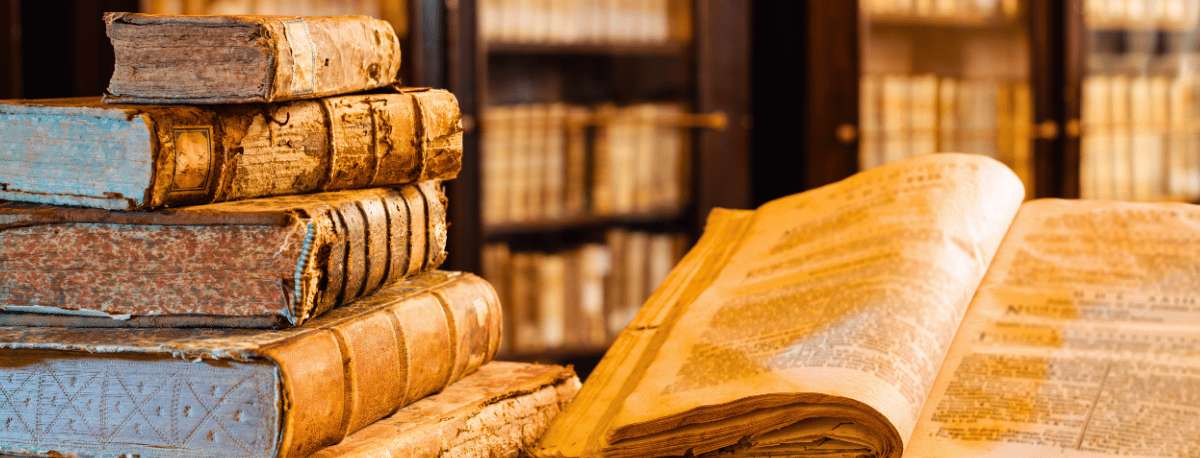
This is one of the sections where you'll want to spend the most time. You can find second-hand books, old publications, maps of China, notebooks, prints, paintings, calligraphy, and classic Chinese vertical scrolls.
It’s also well worth keeping an eye out for the stone calligraphy seals—some are already carved, while others can be personalised with Chinese characters.
They’re small, easy to carry and much more original than your typical souvenir.
☯️ Buddhist statues and traditional decor
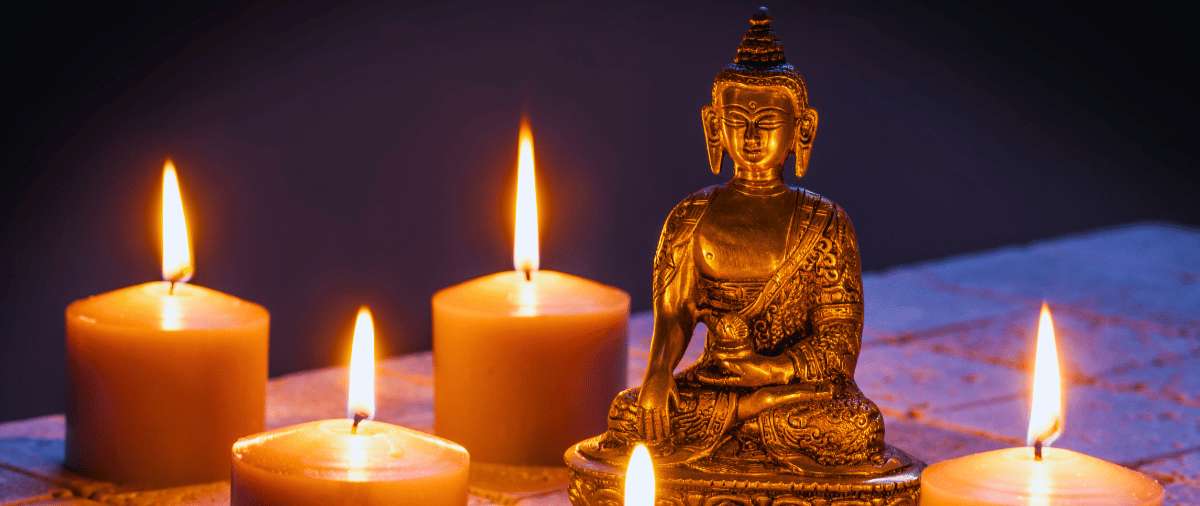
Buddhas, Guanyin figures, guardian lions, small deities, wood carvings, and stone or metal sculptures are scattered across numerous stalls.
There’s everything from figurines that fit in the palm of your hand to absolute monstrosities. And, of course, a stone statue might seem like a brilliant idea until you remember it has to come back in your suitcase.
With supposedly antique pieces, also check for any restrictions on taking cultural goods out of China.
🧧 Mao memorabilia and historical souvenirs
Panjiayuan also has that historic flea market vibe that’s hard to find in a souvenir shop. You’ll find Mao badges, copies of the Little Red Book, photographs, posters, medals, newspapers, and political propaganda from the 20th century.
It’s a curious section for collectors, but the same rule applies again: an old piece isn't necessarily rare, and a piece that looks old doesn't have to be, either. Reproductions are common.
🗺️ How Is Antique Market Beijing Organised?
Panjiayuan is huge, and when you first walk in, it’s easy to start wandering without really knowing which way to go. The market is spread across open areas, covered walkways, and more formal shops, with each section featuring its own type of product.
To save you wandering around aimlessly, this guide comes in pretty handy:
Area | What you'll find |
🗿 Statue area | Buddhas, stone sculptures, bronzes, and traditional decor |
🪑 Antique furniture | Chinese furniture, folding screens, trunks, carvings and decorative pieces |
🏺 Specialist shops | Antiques, porcelain, jade and higher-priced items |
📚 Books and scrolls | Second-hand books, maps, paintings, calligraphy and Chinese scrolls |
🧿 Central area | Jade, beads, porcelain, bronzes, handicrafts and souvenirs |
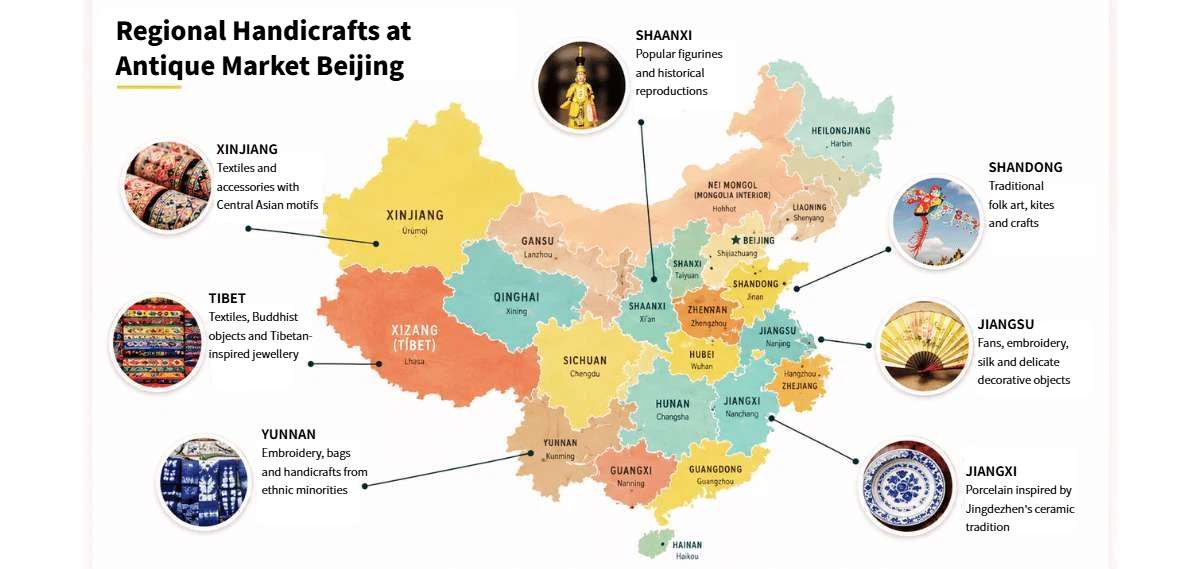
🌏 Regional Handicrafts at Antique Market Beijing
One of the things that makes Panjiayuan special is that it doesn't just sell items related to Beijing.
Among its stalls, you'll find handicrafts that come from, or are inspired by, traditions from different parts of China. In short, you can find completely different styles within just a few streets.
- 🏔️ Tibet: Tibetan-inspired jewellery, beads, colourful textiles, small Buddhist objects and decorative amulets.
- 🧿 Xinjiang: textiles with Central Asian motifs, accessories, jewellery, and decorative pieces in styles very different from the rest of China.
- 🌷 Yunnan: embroidered bags and textiles, silver ornaments, and handicrafts inspired by the province's numerous ethnic minorities.
- 🌸 Jiangsu: fans, silk, traditional embroidery and more delicate decorative pieces, some of which are very easy to pack as souvenirs.
- 🏺 Jiangxi: porcelain reigns supreme here. Look for vases, bowls, and pieces inspired by Jingdezhen, one of the great historical capitals of Chinese porcelain.
- 🐎 Shaanxi: small figurines, items with a historic feel, and reproductions inspired by the imperial past, including souvenirs related to the Terracotta Warriors.
- 🪁 Shandong: traditional kites, figurines, small decorative items, and other pieces of Chinese folk craft.
Mind you, provenance and style are not the same thing. Just because a seller has a Tibetan-looking piece or some Jingdezhen-style porcelain doesn't guarantee it was made there.
For a souvenir, it matters relatively little; for a collector's piece, it's worth asking a lot more questions.
💰 Antique Market Beijing Prices
Prices at Panjiayuan vary hugely. You could walk away with a souvenir for just a few euros, or find a piece that will set you back several thousand yuan. And of course, the initial price isn't necessarily the final one: at many stalls, there's still room to haggle.
As a guide, here are some prices you might come across:
Product | Guide price | approx. GBP |
🧧 Small souvenir | ¥10–50 | £1–5 |
🖌️ Calligraphy or simple engraving | ¥30–150 | £3–14 |
📚 Used book or print | ¥20–120 | £2–12 |
🏺 Decorative porcelain | ¥50–300 | £5–27 |
🧿 Simple jade | ¥50–500 | £5–45 |
🗿 Figurine or small sculpture | ¥80–600 | £8–54 |
🏛️ Specialist antiques | Highly variable | From tens to thousands of pounds |
These are just guide prices, as two identical items can have completely different values. Age, material, condition, provenance and, above all, authenticity can make a huge difference to the price.
⚠️ And be careful about paying hundreds of pounds just because something “looks antique”.
Porcelain with imperial marks or jade with an aged appearance could be a recent reproduction.
For cheap souvenirs, this isn't really a big deal. When the seller talks about a valuable antique, it's worth asking for documentation and knowing exactly what you're buying.
💳 How to Pay at Antique Market Beijing?
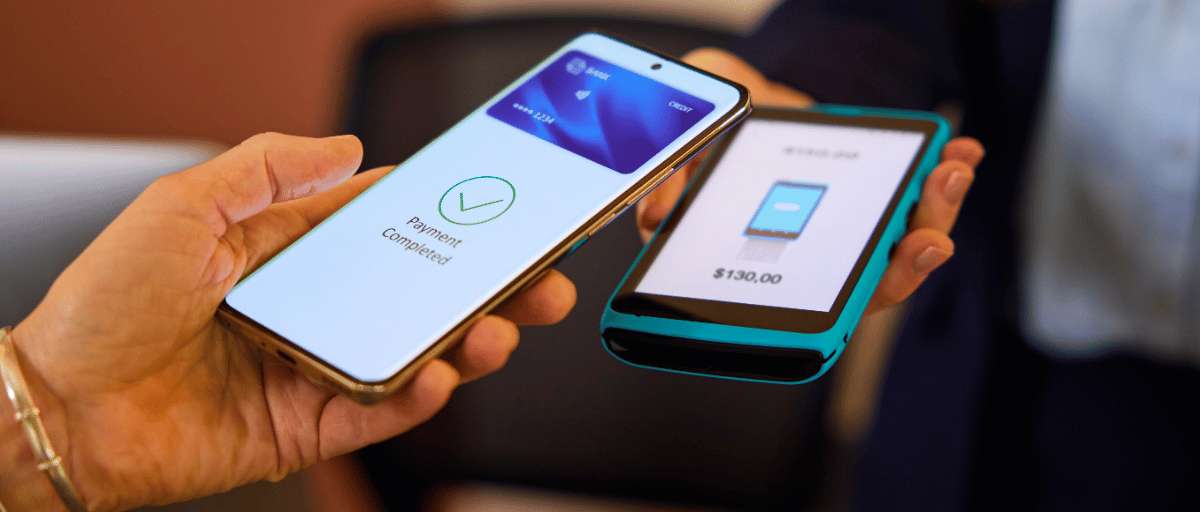
In Panjiayuan, you pay as you do in much of China: with your mobile. The most convenient way is to arrive with Alipay or WeChat Pay set up, as you'll see QR codes at many of the stalls.
- 📱 Alipay and WeChat Pay: these are the most practical options. Foreign travellers can link certain international cards and pay by scanning the vendor's QR code.
- 💴 Cash in RMB: it's still useful, especially at small stalls. Carrying some yuan also comes in handy as a backup in case your phone fails or you have any issues with the app.
- 💳 Visa and Mastercard: some permanent shops may accept them directly, but don't count on it throughout the market. In smaller stalls, it's more common to come across a QR code than a card machine.
📱🐼 Download the Trip.com app and activate your eSIM for China before you land, so you arrive connected from the very first minute.
✈️ Can You Take Antiques Out of China?
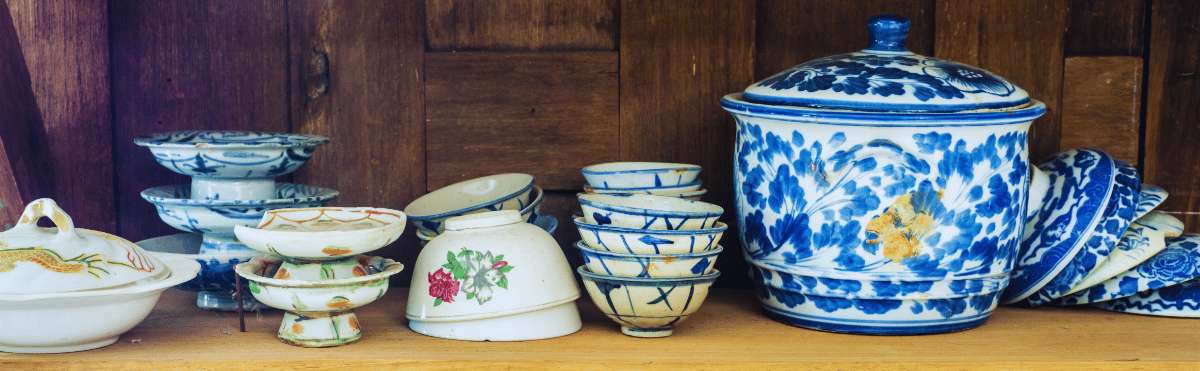
Yes, but you need to be careful with authentic antiques. China controls the export of certain cultural goods, so a historical piece may require documentation, an inspection, or authorisation before it can be legally exported.
The key is to distinguish what you're buying:
- 🏺 Authentic antique: ask about its provenance and the documentation required to take it out of China before you pay.
- 🧾 Reproduction: usually much easier to transport, but keep the receipt so you can prove what you've bought.
- 🧧 Modern souvenir: generally, it doesn't pose the same issues as a protected historical piece.
Remember to take a good look at any paintings, antique calligraphy, porcelain, sculptures, books, archaeological objects, and religious items that might have historical value. Just because a seller is willing to sell it to you doesn't automatically mean you can pop it in your suitcase and get it through customs.
⚖️ Panjiayuan or Liulichang: Which Is Better for Antiques in Beijing?
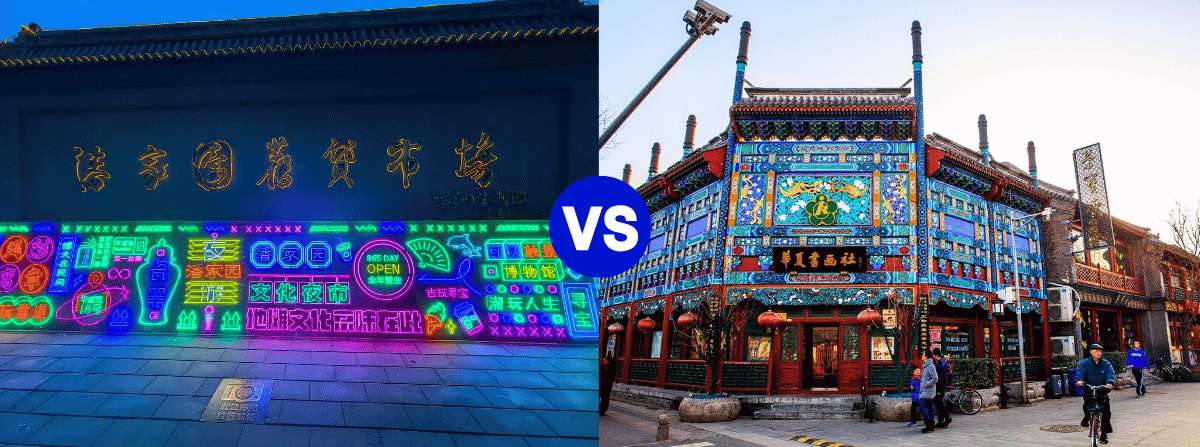
Although both appear among Beijing's traditional markets, the experience is quite different. Panjiayuan is better for rummaging and haggling; Liulichang makes more sense if you are looking for art, books, and calligraphy in specialised shops.
Appearance | Panjiayuan | Liulichang |
🏮 Atmosphere | Great market, lively and a bit chaotic | Historic street, quieter |
🛍️ Best for | Scour, compare and haggle | Art, books and calligraphy |
🏺 Antiques | A huge variety and reproductions | More specialist shops |
🎁 Souvenirs | Excellent variety | Good option |
⏱️ Recommended time | 2–4 hours | 1–2 hours |
👀 Perfect for | Curious travellers and collectors | Art and traditional culture |
Which one to choose? For a first visit, Panjiayuan is much more charming. It’s bigger, unpredictable, and entertaining even if you don’t end up buying anything. Liulichang fits better into a route through the historic centre and for those looking for calligraphy, brushes, books, or Chinese painting.
⭐ Is Antique Market Beijing Worth Visiting?
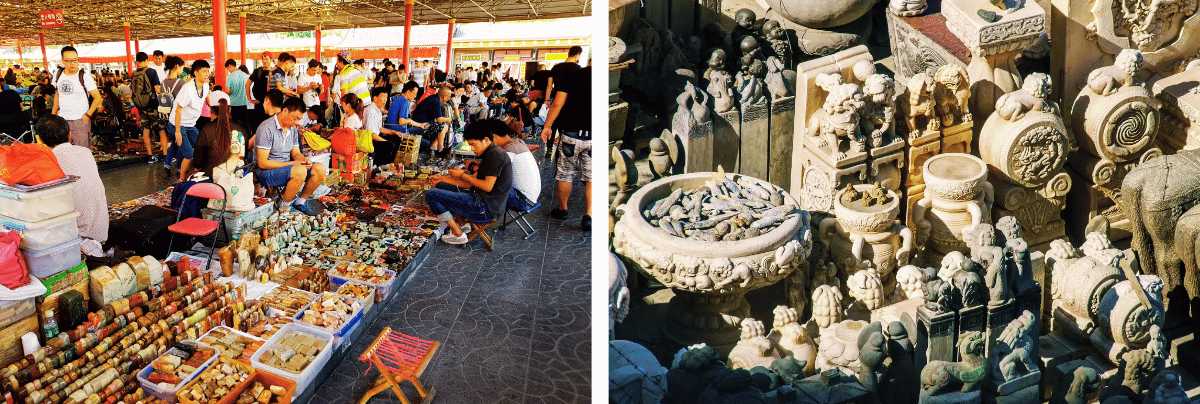
Yes, Panjiayuan is worth it, especially if you go on a weekend morning, when there are more vendors and the market has a much better atmosphere.
You'll love it if:
- You’re looking for unique souvenirs: jade, porcelain, calligraphy, books, and curious objects.
- Love photography? The bustling stalls and the atmosphere are perfect for snapping a few photos.
- You enjoy rummaging around: here, part of the fun is looking, comparing, and haggling.
- You want to see another side of Beijing: it’s a nice change from the palaces, temples, and grand monuments.
When would we skip it? On a very short trip or if you’re only looking for high-value certified antiques.
✈️ Book your flight + hotel to China at the best price on Trip.com
❓ FAQ - Antique Market Beijing
-
Where is Panjiayuan Antique Market?
-
What's worth buying at Panjiayuan?
-
Are the antiques at Panjiayuan genuine?
-
Can you haggle at Panjiayuan?
-
How long do you need to visit Panjiayuan?