Hotels: Save up to 10% (Book online or on Mobile)
Homes & Apts: Save up to £39 (App-only deal)

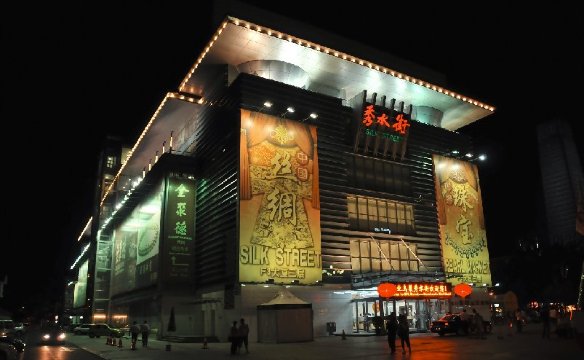
There are must-see spots in Beijing, and the Beijing Silk Market is one of them. No matter where you go, it always comes up in conversation. It’s not just a place to shop; it’s an experience in its own right.
Its popularity among travellers makes perfect sense. It's well located, easy to reach and offers a huge variety of goods, from silk and clothing to souvenirs of every kind. And of course, haggling here isn't optional; it's part of the plan.
In this guide, we’ll tell you everything you need to know… from where Beijing’s Silk Market is, how to get there without getting lost, opening hours, what’s worth buying, and a few practical tips to avoid paying over the odds.
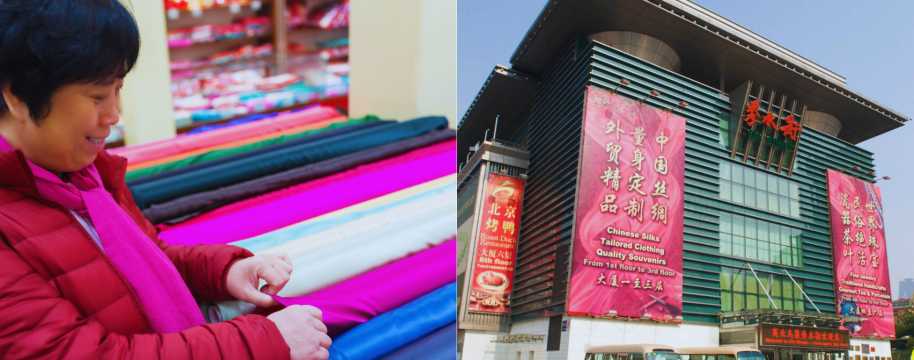
Beijing Silk Market is an indoor shopping centre focused on selling silk and textile products, although these days its offering is much broader. It started out as a market specialising in genuine silk and, over the years, grew into one of the city’s best-known places to shop.
Today, locally known as Xiushui Market (秀水街市场), it spans several floors and hosts dozens of stalls selling clothing, accessories, souvenirs and made-to-measure items. And of course, haggling is part of the experience, which makes it a very popular spot among tourists who want to shop in Beijing in a convenient, central location.
💡 Why is it still a classic stop for tourists? Because it combines three things that work brilliantly together: variety, a central location and haggling. And that’s where it sets itself apart from other markets in Beijing.
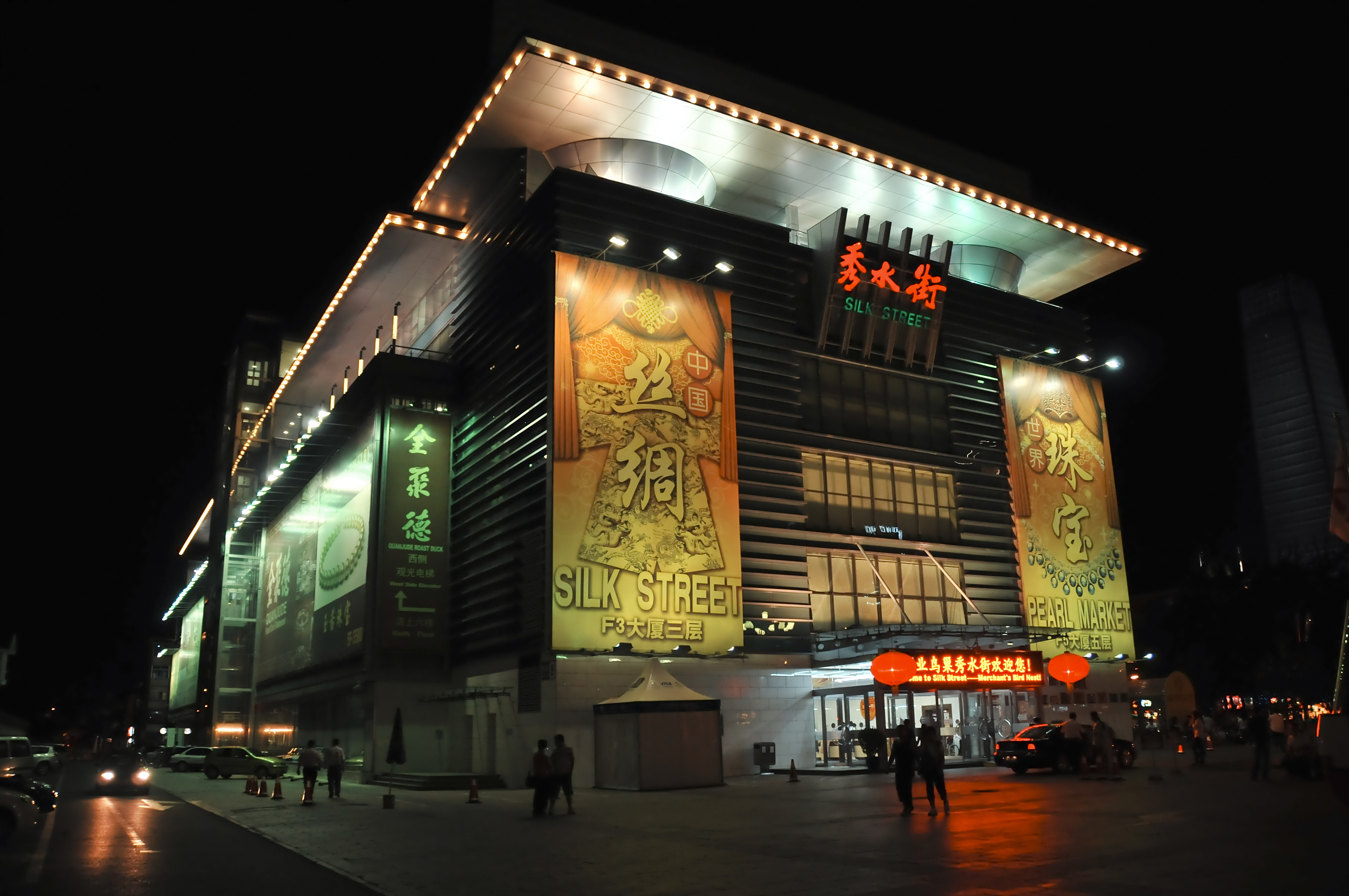
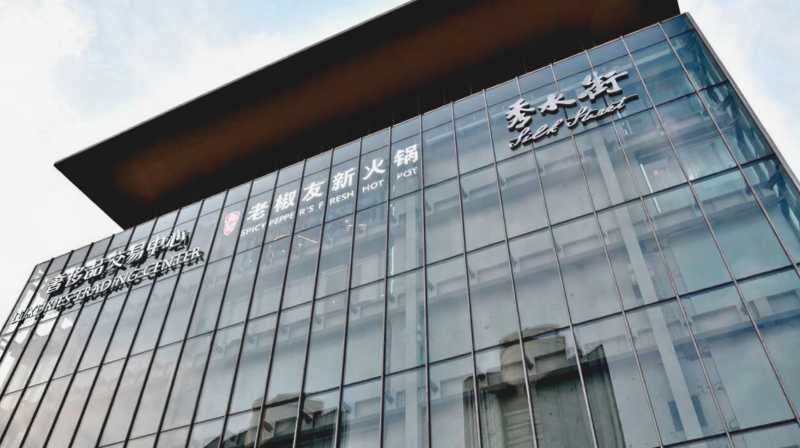
 Visiting Silk Street (Xiushui Street, 秀水街) in Beijing was honestly an absolute adventure! This famous shopping mall is located at 8 Xiushui E St, Jianguomen, Chaoyang District, Beijing, China (Hours: daily 9:30am–9:00pm). Whether you’re a shopaholic or just hunting for cool souvenirs, Silk Street seriously delivers!When I walked in, I was immediately hit by the wild energy—so many colors, stalls, and people everywhere! 🛍️ It’s a paradise for fashionistas. I ended up buying a new suitcase, which was sooo good because my old one was barely hanging on. The selection here is 🤩—bags, clothes, electronics, and everything in between.Here are 5 reasons you gotta check out Silk Street:1. Endless shopping options—everything from fashion to tech.2. Bargain central! Get ready to haggle 😏.3. Unique souvenirs for everyone back home.4. Super convenient location right in the heart of Beijing.5. Tasty snacks & quick bites for shopping breaks.But also—keep your eyes open! Here are 5 things to watch out for:1. Sellers here are pros, so bargain hard but keep it chill.2. Double-check quality; some deals might be too good to be true.3. Try to pay with cash (RMB) instead of cards for better prices.4. Mind your belongings—pickpockets love busy malls.5. Some “brand name” goods are…let’s say, not official 😅.Final thoughts: My suitcase is now travel-ready thanks to Silk Street, and I scored it for a sweet price. The whole experience is so iconic for Beijing—don’t miss it if you’re in town!
The Beijing Silk Market is in the Chaoyang district, a very central and bustling area, close to shopping areas and hotels.
It’s just a short stroll from Yong’anli (about a 7-minute walk), and very close to major avenues, so getting there is a breeze. The great thing about this market is that it’s designed with travellers in mind.
The metro is close by, taxi drivers know it well, and there are plenty of sights nearby, so you can combine shopping with other visits.
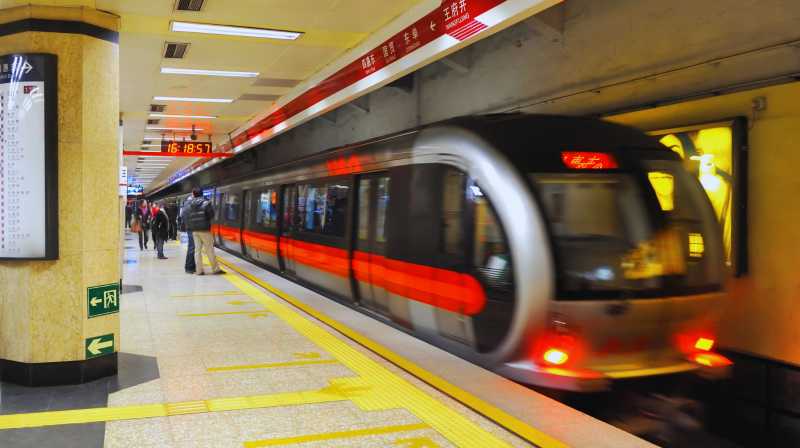
Once you’ve decided you want to go, the next step is figuring out how to reach the Beijing Silk Market without taking the long way round. You’ll find that getting to the Silk Market is quite straightforward, whether you’re hopping on the metro or you prefer a taxi or a ride-hailing app.
Honestly, it’s impossible to miss once you know which way to go.
🚶♂️ Transport | 📍 How to get there | 📝 Practical details |
🚇 Subway | Line 1 or Line 2, Jianguomen Station (Although if you want to go direct, head to Yong’anli on Line 1) | From the exit, you walk about 10–15 minutes. It’s the cheapest and most convenient option if you’re getting around the city centre. |
🚕 Taxi / DiDi | Ask for Xiushui Jie (秀水街) or the Silk Market | Drivers know it well. Keep the name in Chinese on your mobile to avoid misunderstandings. |
🚶 On foot | From areas such as Jianguomen or Dongdan | If you're in the area, the walk is pleasant and well signposted. It's great to combine with other shopping. |
If you want a smoother trip, these guides will help you get around Beijing with confidence.
To start with, the basics. The Beijing Silk Market is open every day from 09:30 to 21:00, so you’ve got plenty of time to spare. And of course, that doesn’t mean every hour is equally ideal.
In the morning, between 9:30 and 11:30, everything is much calmer. There are fewer people, the aisles are easier to wander, and vendors are usually more patient when showing their products without any rush.
Then the afternoon rolls in, and that’s when the market truly comes alive. From that point there’s more bustle, more noise and more tourists. It’s not all perfect, mind you. Haggling gets a bit more intense, but of course there’s also more buzz and more stalls open, all in full swing.
And now, finally, that last hour, close to closing time, has its own charm. Some sellers are more willing to adjust prices, especially if the day’s been quiet.
Once you get past the initial visual shock, you start to notice the market isn’t as chaotic as it seems. And yes, you’ll spot the same products again and again, but with subtle variations—and that’s where you need to sharpen your eye. Not everything is worth it, but if you know what to look for, you can come away with some pretty decent buys.

Here, the most common items are rectangular scarves, fine shawls, lightweight T-shirts and silk pyjamas. You’ll also see cushion covers and sheets, although the latter are less practical for travelling.
📌 You can tell good silk right away: it's soft, cool to the touch and doesn't make a sound when you crumple it.
Typical prices after haggling: 80 to 200 CNY (around £9–22) for scarves, and 250 to 400 CNY (£28–45) for basic clothing items. If they say “100% silk” from the word go, heads up—ask to feel a few pieces first.
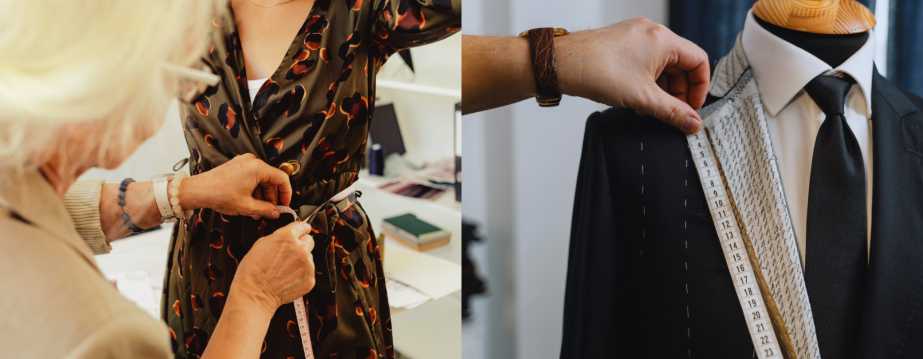
This is one of the market’s great classics. The most common items are two-piece suits, cotton or blended shirts, and trench coats. The process is quick and fairly straightforward—almost industrial—but it works.
📌 The thing is, you can choose the cut, buttons and lining, and they usually have it ready within 48 or 72 hours.
Approximate prices: 600 to 1,200 CNY (£65 to £130) for basic suits, and 150 to 300 CNY (£15 to £30) per shirt.
Don’t expect high-end tailoring, but for the price, it does the job.
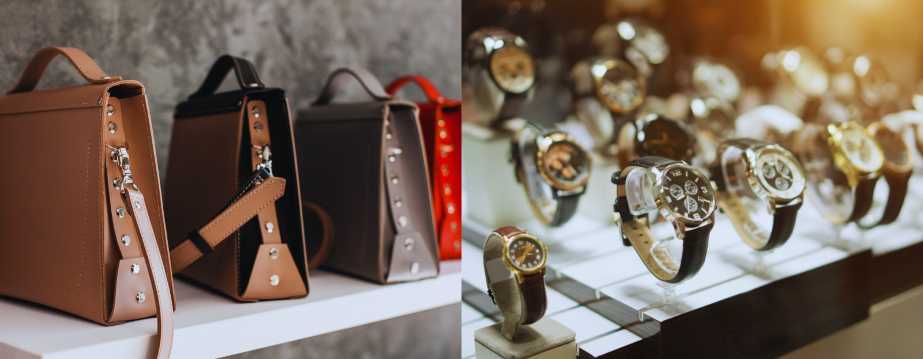
We’re in mixed territory here. Tote bags, urban backpacks, wallets and watches dominate several floors. Many items imitate well-known brands—let’s not kid ourselves.
And that’s where you need to check the zips, the inner seams and the weight of the material.
Typical prices: 50–200 CNY (£6–£22), depending on quality and how keen you are to haggle. If the seller lowers the price quickly, they probably still have some wiggle room.
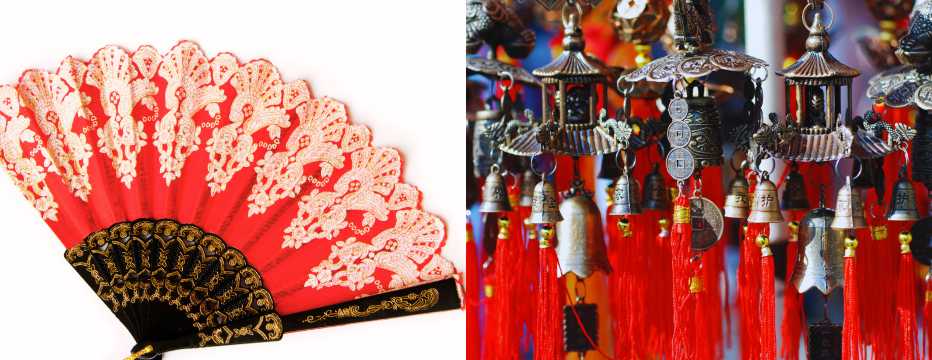
To wrap up, the go-to souvenirs: hand fans, keyrings, silk bags, T-shirts with Chinese motifs, small paintings or decorative figurines. They're easy to carry and won't break the bank if you buy several.
Typical prices: 20 to 60 CNY (£2 to £7). Ideal for simple gifts for family or friends.

Let’s get one thing straight from the start. Here’s the thing: paying at the Silk Market doesn’t work the same way as it does in Europe. And of course, if you arrive without knowing this, you could be in for a surprise.
The thing is, in Beijing, mobile payments are king, but cash still has its place—especially when it’s time to haggle.
To begin with, having cash in yuan is still a very good idea. Many stalls accept it without any fuss and, on top of that, it really helps when haggling over prices. In plain terms: paying in cash usually opens the door to a quick discount.
Here's the key these days. WeChat Pay and Alipay are the undisputed kings of the market. The thing is, many vendors prefer QR codes over anything else.
If you’ve got any of these apps switched to tourist mode, you’re all set. Plus, it’s quick, convenient and you avoid having to count out notes.
That said, international cards aren’t the norm. Some larger stalls might accept them, but let’s be honest, it’s not typical and they sometimes add a surcharge. So it’s best not to rely solely on your card to make purchases here.

Before you rush into shopping, it’s worth going in with a couple of clear ideas. The market may be a bit of a spectacle, but there’s also plenty of small print. So the best approach is to shop with plenty of common sense. And to help with that, we’ve prepared these handy little tips:
Check the quality—this is the most important bit; get hands-on. Look closely at the seams, give the fabric a little stretch, and check the zips and buttons. Keep an eye on the interior finishes—they’re usually a giveaway as to whether a garment will last two trips or five years.
 928182 booked