What to Buy in China: Best Souvenirs & Local Shopping

December 26, 2025
China has a special knack for tempting you without warning. You head out for a browse, wander through a big market, discover a hidden shop and, before you realise it, you’re already carrying something lovely, something practical and an unexpected little treat.
Amid silk, tea, ceramics, gadgets and souvenirs with a story to tell, the secret is knowing what’s worth your while and where to shop without paying over the odds.
In this Trip.com guide, you'll discover what to buy in China, with ideas for every budget, haggling tips, and useful purchases for your trip.
💸 Best Chinese Souvenirs for Every Budget
In China, you can pick up an eye-catching little gift for just a few euros, or go all out with a premium present that looks like it belongs in a museum. What really matters, though, isn’t how much you spend, but what the souvenir means and whether it truly suits the person.
Because, you see, sometimes a well-chosen tea brings more delight than an expensive item with no story to tell.
Budget | Classic gift ideas | Approx. Price | Quick tip to get it right |
💰 Affordable ideas | Simple hand fans, magnets, keyrings, local snacks, tea bags | £1 – £9 | Better fewer things, but with flair: a quirky snack or proper tea, not the usual packet without a clear label. |
🎎 Mid-range | Silk scarves, basic tea sets, decorative figurines, pretty stationery | £9 – £34 | Look at the finish and the feel. With silk, if it feels scratchy or looks too shiny, it’s usually a cheap blend. |
💎 Premium ideas | Jade (small pieces), porcelain, handcrafted tea sets, quality mahjong | £34 – £250+ | Shop at reputable stores, ask for a certificate where applicable, and don’t fall for ‘miracle’ bargains in ultra-touristy areas. |
🧧 Traditional Souvenirs in China by Category
If you’re set on taking home something quintessentially Chinese, without going mad comparing shops, these categories are a safe bet. The good thing is you’ll find them in almost any city, from street markets to more upmarket shopping centres.
That said, there’s a world of difference between a charming piece and a generic souvenir, so here are the key tips for shopping wisely.
Silk
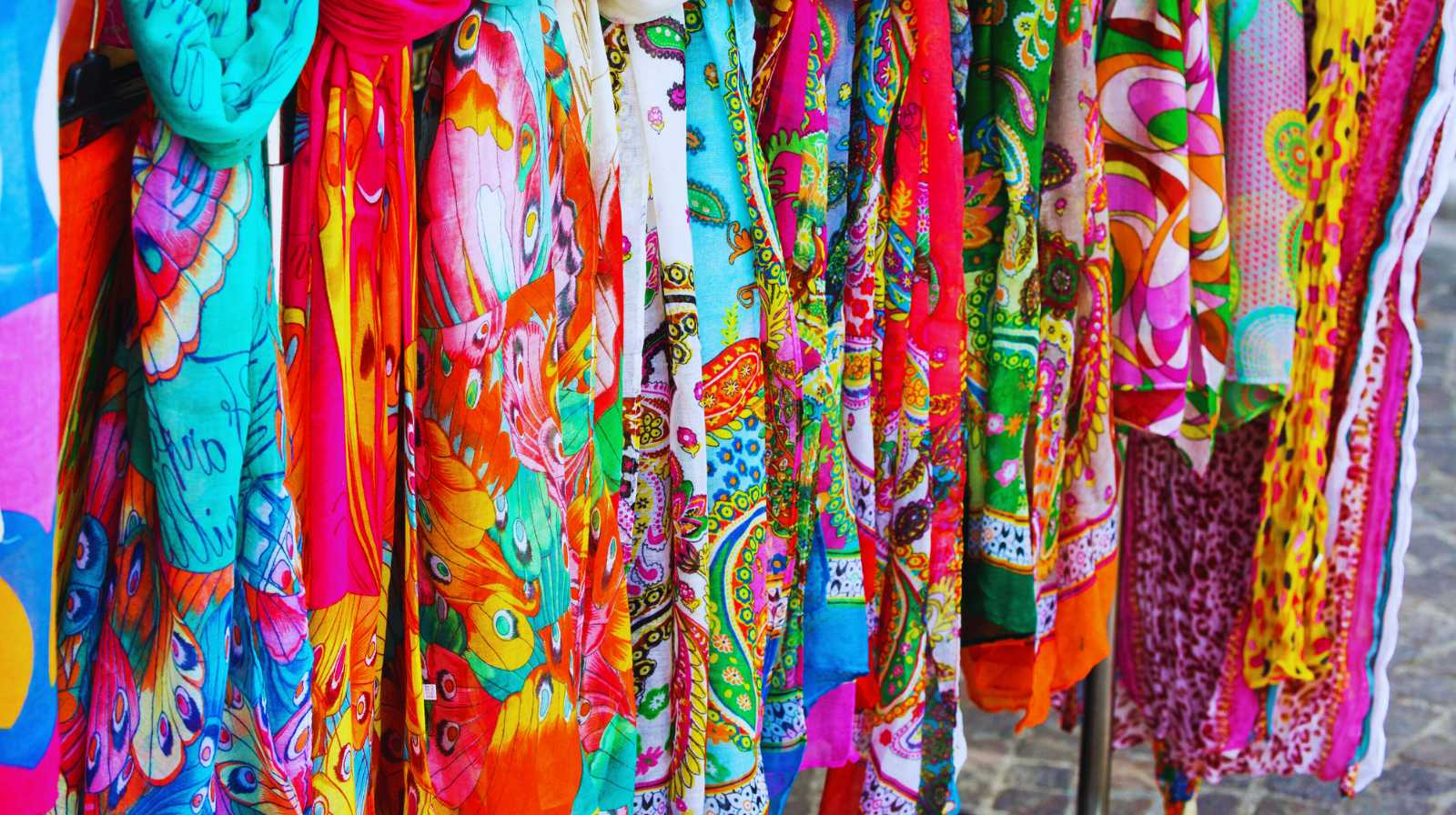
Silk is a timeless classic, but not everything that glitters is silk, you know what I mean. You’ll see everything from scarves and shawls to shirts, pyjamas, pillowcases, or even more traditional qipao in tourist areas.
To spot genuine silk, look for three simple things:
- Feel and drape: genuine silk falls softly; it doesn’t ‘stay stiff’ like some synthetics.
- Gloss: an elegant sheen, not that plastic effect that looks like wrapping paper.
- Label and composition: if it says 100% silk (or ‘silk’), perfect; if it’s blended with polyester, you know why it was so cheap.
Looking for a gift? Scarves and shawls are often the most appreciated because they don’t take up much room, look great, and you don’t have to worry about sizes.
🍵 Tea
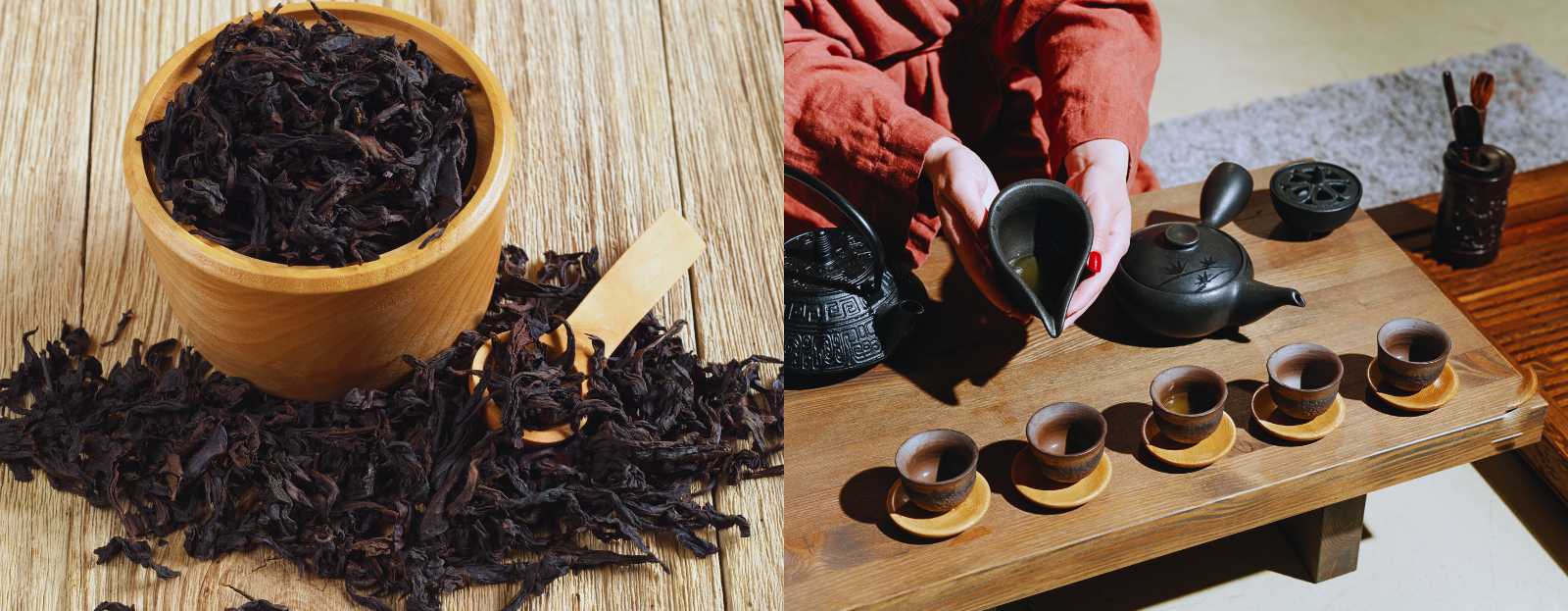
Here it’s easy to think you’re being clever and end up paying a small fortune for a pretty ordinary tea. China has an entire world of tea, but three types are the most popular and easiest to find:
- Green tea: fresh and light, ideal if you don’t want very strong flavours.
- Oolong: somewhere in between, with a more complex aroma and wonderfully rewarding.
- Pu-erh: fermented, with character and an “earthy” note; you’ll either fall in love with it or it’s not your cup of tea.
When travelling, the most convenient formats are individual sachets, small tins or pressed pellets.
📌 Tea tins take up little space and won’t get bashed about as much in your suitcase. And when it comes to buying, opt for a specialist shop or a market with bustling stalls, where you see locals shopping.
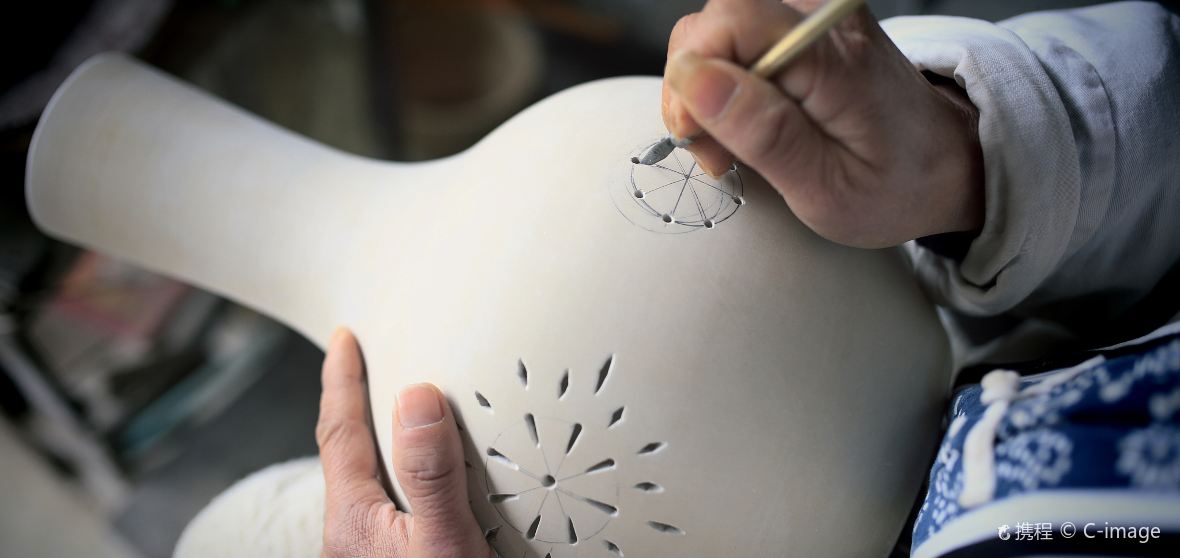
🏺 Jingdezhen Porcelain
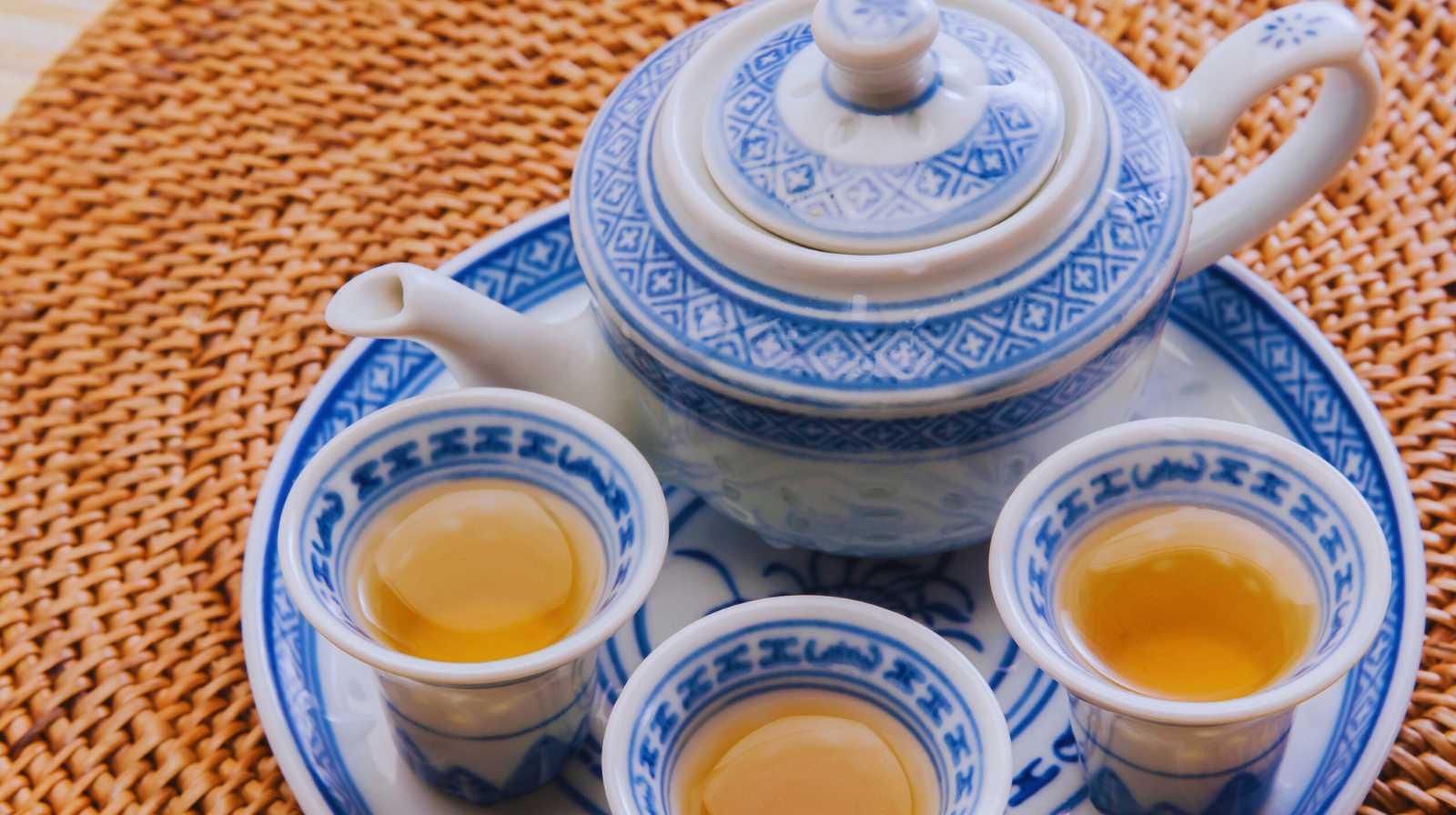
Jingdezhen is famous because, in short, it’s one of the great birthplaces of Chinese porcelain. You’ll spot the name on boxes and labels as a selling point, though it isn’t always the true origin, so it’s worth looking a little deeper.
Here are two typical purchases:
- Decorative items: vases, ornamental pieces, things to display.
- For everyday use: mugs, bowls, tea sets or plates you'd actually use at home.
If you're after something practical, everyday pieces are usually the best option.
💡 Suitcase tip? Ask to have it packed properly, with bubble wrap and a rigid box, and place it in the centre of your suitcase, surrounded by clothes. It sounds obvious, but it’s what makes the difference between arriving happy or opening your suitcase to a nasty surprise.
💎 Jade as a souvenir
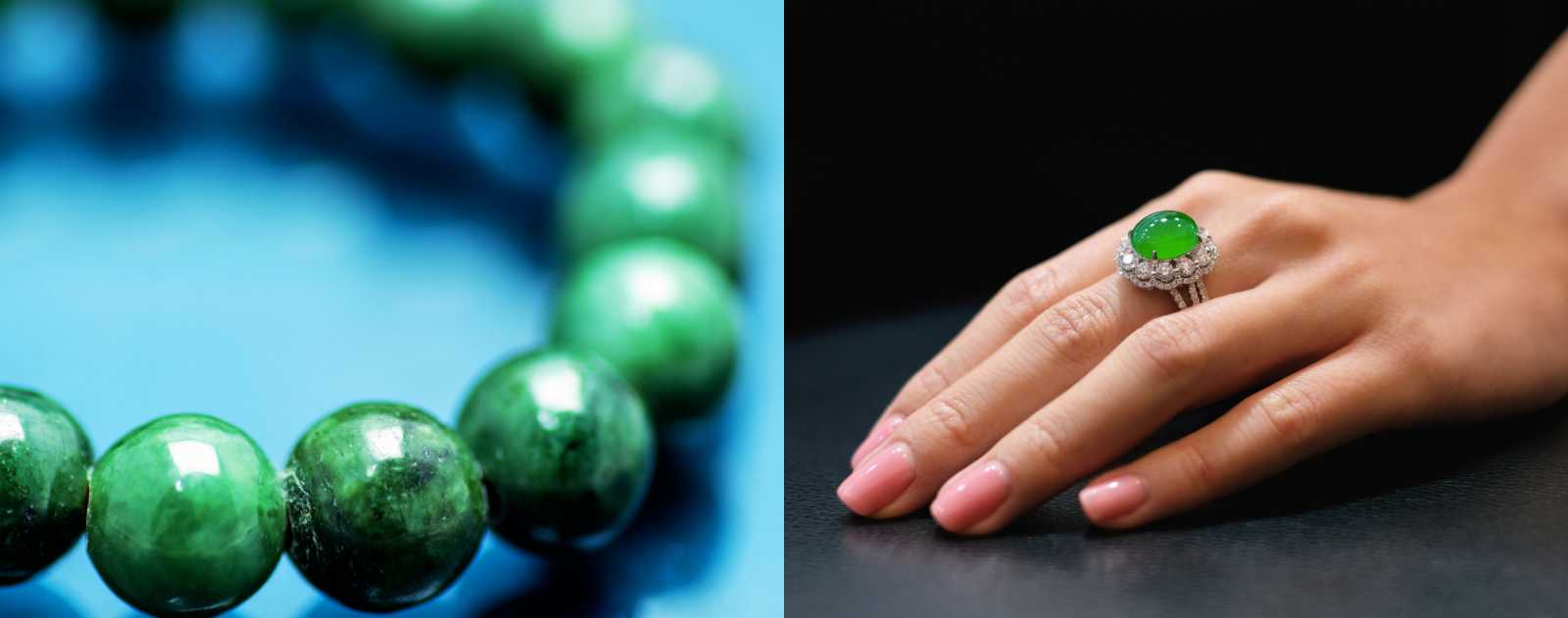
Jade in China isn’t just beautiful; it carries immense cultural significance. It’s associated with protection, good fortune and values like harmony, so it’s a meaningful souvenir, not just decoration.
The problem is that there are many imitations. To avoid getting caught out:
- Be wary of prices that are too low in hyper-touristy areas.
- If they’re selling it to you as “pure jade” with no info whatsoever, that’s a bad sign.
- In reputable shops, they sometimes provide certificates or at least explain the type of stone.
For jade souvenirs in China, small pieces work well: delicate bracelets, discreet pendants, or simple amulets that don’t draw too much attention, but have that special something.
🀄 Buying Mahjong in China: What to Look For and Where to Find It
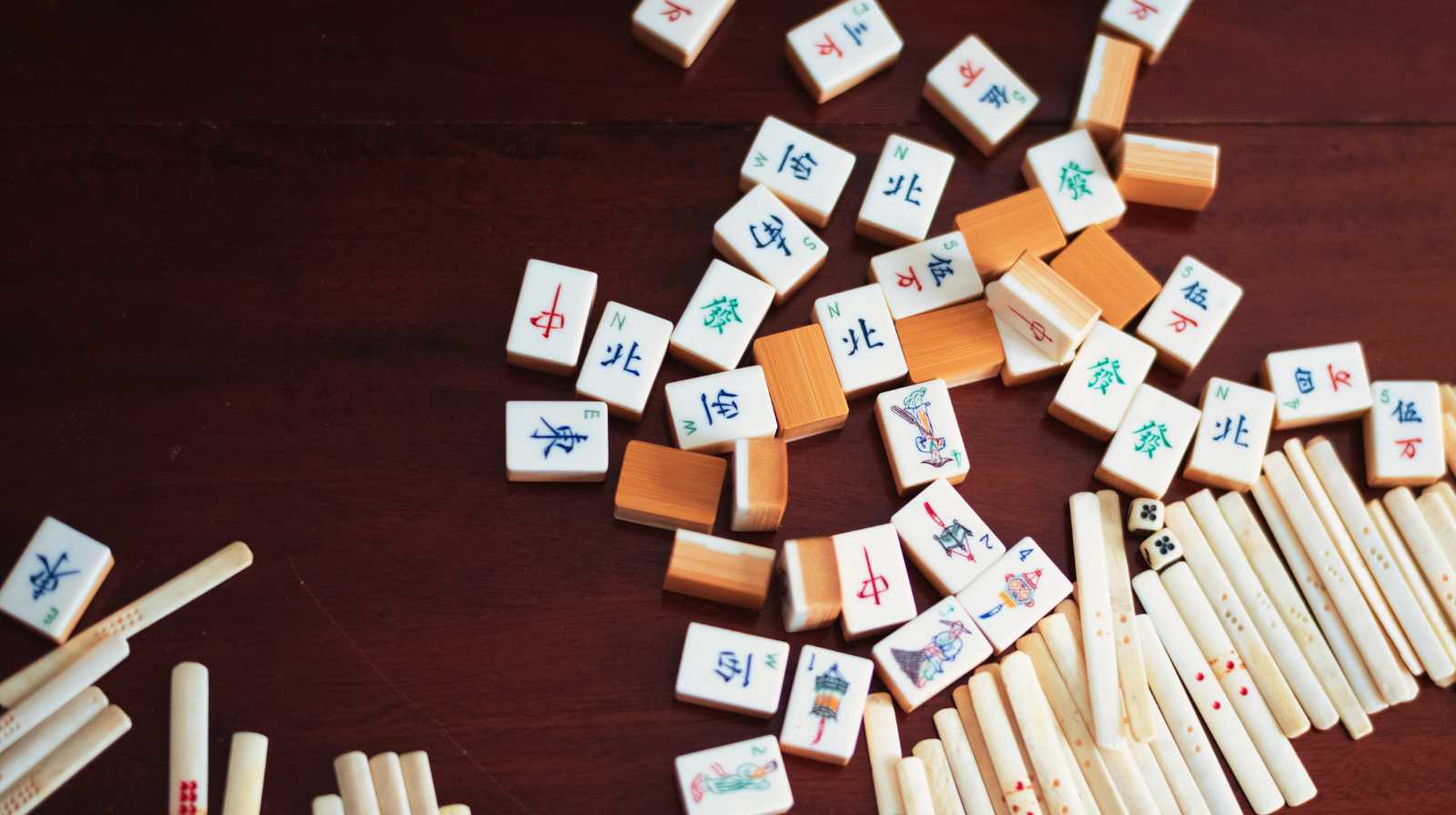
For a souvenir with genuine history, mahjong is a brilliant choice. It’s not just a game—it’s part of Chinese culture. Street-side tables, families playing, that neighbourhood vibe that really stays with you.
That said, there are sets and sets.
The cheap ones tend to be plastic—lightweight and look the part—but they feel more like souvenirs. If you’re after something better, consider resin (better finish) or bamboo, which is in a different league for feel and durability.
Keep an eye on size and weight too: a large set can be dead weight in your suitcase, so consider more compact versions if you’re short on space.
❓ Where to buy mahjong in China? It’s best to look in local markets, speciality shops, or traditional neighbourhoods where the locals shop.
🏮 Shopping at Markets in China Without Getting Scammed
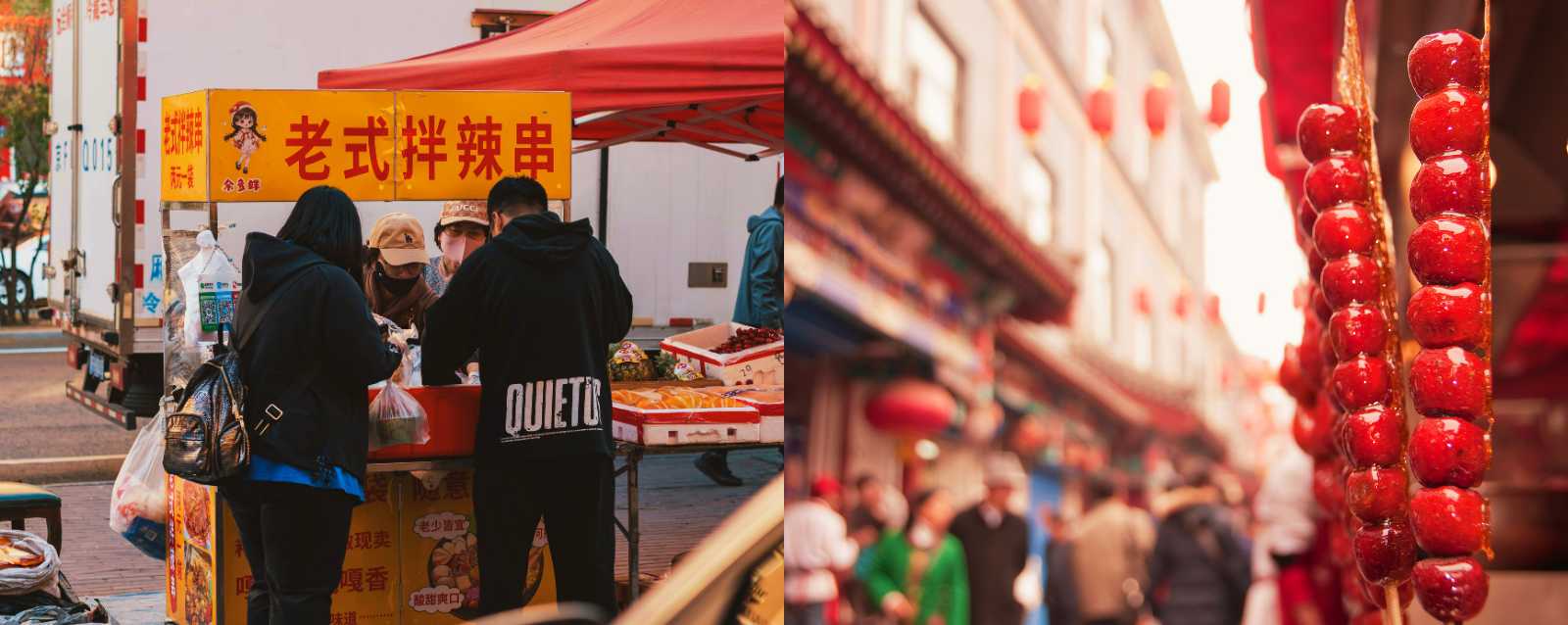
Shopping in markets in China is part of the plan. There’s the hustle and bustle, endless stalls and that feeling of “let’s see what turns up”. Still, it pays to keep a cool head so you don’t pay over the odds or end up with something that won’t even survive the flight home.
To start with, haggle tactfully. Ask the price, offer a little less and edge up if you’re interested—no drama. If it doesn’t work out, say thank you and carry on. And that’s it.
It also helps to distinguish between a bargain price and a suspicious one. Because if something is too cheap, it’s usually due to flimsy materials or imitations.
Before you pay, check the basics: seams, zips, cracks—and if it’s electronic, ask them to switch it on. Many stalls accept payment via QR codes and apps, so carry some cash just in case.
💡 A handy tip: If you buy something expensive, ask for a receipt or proof of purchase—you’ll thank yourself later.
🎁 Get 5% off & save up to £2 on your first China Attractions & Tours booking! 👇
🛒 What to Buy at a Chinese Supermarket to Pack in Your Suitcase

If you fancy bringing back souvenirs from China without the hassle of haggling, the supermarket is a fantastic option.
You pop in, nose around whole aisles of new finds, and walk out with a haul that becomes a talking point back home, because almost everything prompts a “What’s this then?”. Here’s a short, carefully curated list of what to buy in China when you want something practical and easy to carry:
Packaged local snacks: crisps in wildly unusual flavours, crunchy seaweed, spiced nuts.
- Tea in sealed tea bags: handy, lightweight and no drama at security checks.
- Unusual sweets and chewing gum: the fruit, herb or “impossible” flavours usually go down a treat.
- Traditional sweets in a pack: mini pastries, mochi-style, filled biscuits.
- Traditional biscuits: sesame, green tea or crunchy wafer-style — they fly off the shelves.
- Instant soups and noodles: better in a cup or in rigid packaging, so they don’t get squashed.
- Dry seasonings: hot pot seasoning blends, Sichuan pepper, five-spice, and the like.
- Sauces in small sizes: soy sauce, chilli oil, sesame oil, but in mini bottles if you see them.
- Drink sachets: milk tea, barley drinks, powders to make something quickly
- Basic cosmetics and face masks: only if you understand the labels or trust well-known brands.
And a couple of tips to avoid any hassle at the end of your trip: check the customs regulations of the country you're returning to, because some items can cause problems (especially meat, dairy or anything 'fresh').
When it comes to liquids, if you’re buying sauces, keep them tightly sealed and inside an airtight bag, because a leak can ruin half your suitcase. Avoid “odd” products without clear labelling and, if something is fragile, wrap it in clothes in the centre of the suitcase. That way you shop like a king and come home without any surprises.
Use a China eSIM to check prices, find shops, use maps and make mobile payments without relying on public Wi-Fi.
See all attractions
 879029 booked


🏙️ What souvenirs to buy in each city
China, with its 9.6 million km², is… huge. Very huge. And you can tell even by the souvenirs. You won’t be buying the same things in Beijing as in Shenzhen, and life in Shanghai isn’t the same as in Guangzhou, so it makes sense to tailor the “what to bring home” to the city.
Here’s a guide to some very specific Chinese souvenirs and, above all, where to find them so you don’t waste half the afternoon wandering around.
🏯 Beijing

Beijing is all about history, tradition and that imperial touch you feel as soon as you wander a couple of streets. Here, the most meaningful souvenirs tend to be handcrafted and come with a story, rather than the trendy modern ones.
- Calligraphy, seals and rice paper: writing kits, brushes and lovely notebooks on Liulichang Cultural Street.
- Crafts and antiques: quirky finds, vintage posters, decorative items at Panjiayuan Antique Market (Heads up, compare and check).
- Pearls and simple jewellery: the classic choice is Hongqiao Pearl Market for necklaces and earrings, ideal if you want to give something “wearable”.
🌆 Shanghai

Shanghai is all about design, trends and shopping with an eye for aesthetics. What’s typical here isn’t so much the traditional souvenir as something modern that looks ‘from here’.
- Stationery and local design: small shops and charming finds in Tianzifang.
- Art and prints: here you’ll find art prints and creative souvenirs at M50 (Moganshan Road).
- Travel gadgets and accessories: it’s also a good idea to look for cases, chargers and headphones at AP Plaza (Shanghai Science and Technology Museum metro). Just make sure to compare prices before you decide.
🏗️ Guangzhou

Guangzhou is the city of variety and competitive prices. So if you want to shop to your heart’s content, compare and find anything and everything, they make it easy for you here.
- Wholesale markets: perfect for stocking up on souvenirs or bagging great deals if you take your time.
- Clothing and accessories: areas like Baima Clothing Market for garments and accessories.
- More 'stroll-around' shopping: Shangxiajiu Pedestrian Street if you’d prefer shops and atmosphere without venturing into an enormous market.
💻 Shenzhen

Shenzhen is pure technology, and it shows. Here, the typical souvenir isn’t a keyring; it’s something practical you’ll actually use: cables, accessories, gadgets.
- Electronics and accessories: Huaqiangbei is the temple for all kinds of gadgets and spare parts.
- Quick and useful shopping: adaptors, power banks, stands and organisers in SEG Plaza-type buildings (Huaqiangbei area).
💡 Tip: check compatibility and try what you can before paying, as there’s plenty of variety and not everything is a good idea.
Electronics, trendy gadgets, and handmade crafts are top picks in Huaqiangbei or OCT Loft. Book a hotel in Futian to stay near shopping districts and convenient transport.
🌉 Hong Kong

Hong Kong is a special administrative region, and the shopping experience is quite different: more retail, more international brands, and less “market” haggling.
- Brand-name shopping: shopping centres such as Harbour City (Tsim Sha Tsui) or areas like Causeway Bay.
- Classic souvenirs: Ladies’ Market (Mong Kok) and Temple Street Night Market for traditional souvenirs.
- Local design: PMQ if you're looking for something different, more curated and less touristy.
Hotels: Save up to 10% (Book online or on Mobile)
Homes & Apts: Save up to £39 (App-only deal)
📱 Shopping in China: Useful Apps and Tools to Shop Smarter
If you’re planning to shop in China, having a couple of well-chosen apps on your phone will save you from misunderstandings, nasty surprises on prices, and more than a few pointless detours when you’re trying to find the right place.
They’re the essential kit for the practical traveller.
- Instant translation (camera for menus and labels): Microsoft Translator works a treat when you need a quick fix. If you’re after something more polished for signs and menus, Pleco is a gem for individual words and specific terms.
- Maps for locating markets and shops: Apple Maps usually works pretty well, and Maps.me is brilliant if you run out of data because it stores offline maps.
- Label or ingredient scanner: for supermarket or cosmetics shopping, Google Lens helps you translate and ‘understand’ packaging quickly. If you’re concerned about food, apps like Open Food Facts can be a helpful ally, though with local products not everything always shows up.
- Mobile payments (QR): Alipay and WeChat Pay are the norm. It’s not always easy to set them up as a tourist, but if you do, it’s a game-changer, because at many stalls it’s the number one method.
How to Pay in China as a Foreigner: Alipay, WeChat, Cash & Card
Learn how to pay in China as a foreign tourist using Alipay, WeChat Pay, bank cards, or cash. Simple tips for easy payments while travelling.
September 25, 2026
How to Use Alipay in China as a Foreign Tourist?
The most popular payment method in China now is mobile payment, such as Alipay, WeChat Pay, etc. Today, we will learn how to use Alipay to pay like a local!
September 25, 2026
How to Use WeChat Pay in China as a Foreign Tourist?
WeChat is not only a chat tool, but also your "electronic wallet + life assistant". Today, let’s talk about how to use WeChat Pay like a local!
September 25, 2026
How to Use the English Version of Amap/Gaode
Learn how to use Amap (Gaode Map) in English for China travel! Navigation, public transport & more. Best alternative to Google Maps in China.
September 25, 2026
How to Use Baidu Maps App in English?
Baidu Maps is one of the most popular navigation apps in China, providing accurate navigation, street view maps, traffic information, special taxi deals, etc.
September 25, 2026
China Map Apps - Best Google Maps Alternative in China
Best China Map Apps: Baidu, Amap, Tencent, Apple, Google & Maps.me – Compare features, accuracy & usability for navigation in China. Choose the right map app for your trip.
September 25, 2026
Best China Travel Apps: 16 Must-Have Apps for Foreigners in China
From scanning codes to pay, checking metro routes in real time, to booking tickets for popular attractions and translating menu names, a series of local Chinese apps make your travel easy.
September 25, 2026
Best China Taxi App for Foreigners - Uber in China
Best Chinese taxi app for foreigners: DiDi, Amap, T3 Chuxing, HelloRide, Meituan, etc. Choose an English Taxi App to make your trip to China easier.
September 25, 2026
✅ Shopping Tips for Travellers in China

When you’re already juggling two bags, a water bottle and your mobile with the map open, it’s tempting to buy on impulse and end up regretting it.
So, before you wrap up your souvenir shopping in China or dive into buying at China’s markets, here’s a quick checklist—the kind that can save your trip.
- Check the authenticity: if someone is selling you silk, jade or “fine porcelain”, look closely at the workmanship, ask without hesitation, and compare in two shops. Miracle bargains are usually just that—miracles.
- Ask for certificates if applicable: especially for jade, jewellery or high-value pieces. If the seller plays dumb, it’s a bad sign.
- Check the packaging: if it’s fragile, ask for bubble wrap, a sturdy box, and make sure they show you the exact piece you’re taking. It seems silly until you open your suitcase.
- International shipping vs suitcase: if you buy something bulky (a large mahjong set, porcelain, several items), consider shipping it. If you’re taking it yourself, it’s best to place it in the centre of your suitcase, protected by clothes.
- Keep your receipts—especially for expensive purchases. Even a simple receipt gives you proof if there’s a problem or if customs have questions.
And that's it: shop at your own pace, enjoy the process, and take home things you'll be excited about when you get back, because in the end that's what turns a memory into a fond memory.
❓ FAQ: What to Buy in China
-
What are typical souvenirs to buy in China?
-
What are the cheapest things to buy in China as gifts?
-
Is jade a good souvenir to buy in China?
-
Where is the best place to buy souvenirs in China: markets or shops?
⭐ Explore More Travel Guides
What to Buy in Beijing: Souvenirs, Shopping Areas & Tips
Find the best souvenirs to buy in Beijing, top markets and shopping areas, what to avoid, useful apps, and practical tips for a smooth shopping experience.
September 25, 2026
What to Buy in Shanghai: Souvenirs, Shopping Areas & Tips
What to buy in Shanghai, where to shop, and smart tips for souvenirs, markets, malls, and local products. A practical shopping guide for first-time visitors.
September 25, 2026
Beijing Silk Market Visitor Guide and Shopping Tips
Discover the Beijing Silk Market with this visitor guide, including location, how to get there, opening hours, and practical tips for shopping and bargaining.
September 25, 2026
What to Buy in China: Best Souvenirs & Local Shopping
Discover the best Chinese souvenirs and local products, where to buy them, what to avoid, top markets, useful apps and practical shopping tips for China.
September 25, 2026
Disclaimer: This article has been provided by an individual contributor or third party platform. If there is any discrepancy regarding the copyright, please contact us directly and we will delete the content immediately.
Trending Searches
-
Travel guides