2026 Flight Fuel Surcharges: Are Costs Impacting Airfares?

Author's Profile Picture
Flight Fuel Surcharges

Discover the ins and outs of fuel surcharges—what they are, why airlines add them, and how they affect everything from flights to freight. We'll also explain how they're calculated, how to reduce them, and whether you can avoid them altogether.

What Is a Flight Fuel Surcharge?

A fuel surcharge is an extra charge added to your ticket when fuel prices go up. It is not part of the base fare. Instead, airlines use it to cover rising jet fuel costs.

In the UK, this cost is usually not shown clearly as a separate fee. It is often built into the total price you see when booking flights, especially for short-haul journeys across Europe.

Fuel surcharges are not unique to airlines. You may also see them in freight, courier services, and logistics when diesel or petrol prices rise.

Cheap flights to popular destinations

Amsterdam
Paris
Dubai
Istanbul
New York
See all flights
London
LGW
|
19:45
1h 20m
Direct
Amsterdam
AMS
|
22:05
Wed, May 13
One way
42% off
From 38.00€22.00
London
SEN
|
16:55
1h 5m
Direct
Amsterdam
AMS
|
19:00
Mon, May 11
One way
42% off
From 38.00€22.00
London
SEN
|
16:50
1h 5m
Direct
Amsterdam
AMS
|
18:55
Wed, May 13
One way
39% off
From 38.00€23.00
London
LGW
|
17:00
1h 20m
Direct
Amsterdam
AMS
|
19:20
Tue, May 12
One way
37% off
From 38.00€24.00
London
LGW
|
18:00
1h 20m
Direct
Amsterdam
AMS
|
20:20
Mon, May 11
One way
37% off
From 38.00€24.00
London
STN
|
20:10
1h 5m
Direct
Amsterdam
AMS
|
22:15
Wed, May 13
One way
32% off
From 38.00€26.00
London
LGW
|
07:00
1h 20m
Direct
Amsterdam
AMS
|
09:20
Sun, May 10
One way
32% off
From 38.00€26.00
London
STN
|
19:50
1h 5m
Direct
Amsterdam
AMS
|
21:55
Mon, May 11
One way
29% off
From 38.00€27.00
🎁 Book your flights and hotels on Trip.com. Grab a fast and reliable global eSIM before you go!

2026 Update: Why Are Flight Fuel Surcharges Increasing?

2026 Update: Why Are Fuel Surcharges Skyrocketing?

If you are booking travel in 2026, you may notice higher “taxes and fees” added to your ticket.

🚨 March–April 2026 surge in the UK & Europe

From early March 2026, many airlines operating in the UK and Europe increased fuel-related charges by around 15% to 30%, especially on long-haul flights.

Some long-distance routes now include £20–£35 extra per passenger per segment, depending on airline and destination.

If you're planning a getaway for 2026, you might spot a bit of a surprise in the "Taxes and Fees" section when you go to book your flight.

🔥 Why prices are rising in 2026

1. Geopolitical disruption

Global oil supply has been affected by ongoing Middle East tensions in 2026. This has reduced supply routes and pushed up crude oil prices worldwide.

2. Higher jet fuel processing costs

Refining aviation fuel is now more expensive due to tight global capacity, increasing the cost of “jet fuel margins” used by airlines.

3. Sustainable Aviation Fuel (SAF) rules in the UK & EU

From 2026, UK and EU airlines must use a higher percentage of Sustainable Aviation Fuel (SAF).

While this is better for the environment, SAF is significantly more expensive than standard jet fuel, and part of this cost is now being passed on to passengers.

4. Limited airline hedging protection

Some airlines previously locked in lower fuel prices, but these contracts are expiring in 2026, meaning more price rises are being passed through.

💡 Pro-Tip: Planning a getaway in the coming months? Lock in your tickets now! Fuel surcharges are typically set the moment your ticket is issued. That means even if fuel prices climb before your departure date, you're protected from paying the difference, so book early and travel worry-free!

Why Fuel Surcharges Exist and How They Work

Fuel Surcharges: Why They Exist and How They Work

Photo credit: Unsplash

Airlines and transport companies use fuel surcharges to deal with changing fuel costs without constantly changing ticket prices.

Instead of adjusting fares every week, they apply a flexible surcharge linked to fuel price changes.

In practice:

  • When fuel prices go up → surcharge increases
  • When fuel prices go down → surcharge may reduce or disappear

In the UK, this is usually adjusted monthly or quarterly depending on the airline.

Why Businesses Choose Us

Daily Operations

To avoid hiking base prices whenever fuel costs soar

Adjusted in line with real-time fuel prices (such as EIA data or local fuel reports)

To keep pricing predictable for our travellers, we ensure the base rate stays steady.

Added as a separate line on your bill, so it's easy to spot!

To protect their profits when fuel prices skyrocket

This amount varies from week to week or month to month—there's no fixed rate!

How to Calculate a Flight Fuel Surcharge

How to Calculate Your Fuel Surcharge

Photo credit: Benjamin Wong, Unsplash

There is no single fixed formula, but most UK and European transport companies use a similar method:

(Current fuel price − base fuel price) × fuel usage

The "base price" is the normal fuel level set by the airline or contract.

✈️ Aviation Example

If jet fuel increases significantly above baseline pricing, airlines distribute the additional cost across passenger tickets.

Example:

  • Aircraft fuel use: 18,000 litres
  • Jet fuel increase: £0.30–£0.50 per litre
  • Total extra cost: ~£5,400–£9,000 per flight
  • Split across passengers → surcharge per ticket increases
🎁 Exclusive Offers For You:
Hotels: Save up to 10% (Book online or on H5)
Homes & Apts: Save up to £39 (App-only deal)

Global Airline Fuel Surcharge Policies and Estimated Fees

Global Airline Fuel Surcharge Policies & Estimated Fees

Photo credit: Unsplash, Nicholas Jeffries

Heads up: fuel surcharges can change quickly depending on oil prices, geopolitical events, and government policies.

Figures below reflect UK-relevant estimates as of April 2026, with recent increases across Europe due to fuel supply pressure and SAF requirements.

✈️ Estimated Fuel Surcharges by Region

Region

Airline Examples

Short-haul (<800 km / 500 miles)

Long-haul (>800 km / 500 miles)

2026 Travel Trends

Europe (UK & EU)

British Airways, Lufthansa, easyJet

~£15–£28

~£40–£90+

Sharp increases driven by SAF mandates and fuel shortages risk

North America

Delta, United, American

~£18–£32

~£45–£80+

Rising due to strong demand and fuel price volatility

Mainland China

Air China, China Eastern

~£4–£6

~£9–£15

More regulated pricing, relatively stable after early 2026 peak

Asia-Pacific

Singapore Airlines, ANA

~£18–£30

~£45–£95+

Volatile pricing with further adjustments expected

Middle East

Emirates, Qatar Airways

~£20–£35

~£60–£110+

Most impacted by regional instability and rerouting costs

💡 Top Tips to Remember

  • Distance is everything. The biggest factor is how far you fly—whether under 800 kilometres (500 miles), over 1,000 miles, or intercontinental. In general, the longer the journey, the higher the fuel surcharge.
  • Rules for infants, children, and passengers with disabilities can vary by airline. In most UK cases, infants under 2 years old without their own seat are exempt from fuel surcharges. Children aged 2 to 11 and some eligible passengers may receive reduced fees, particularly on short-haul routes.
  • Bundled pricing is now standard practice. Many airlines—especially in the UK, Europe, and North America—combine fuel surcharges with other charges such as security or carrier-imposed fees. This makes it difficult to see exactly how much of your ticket price is due to fuel.

Can You Avoid Fuel Surcharges?

How to Avoid Fuel Surcharges?

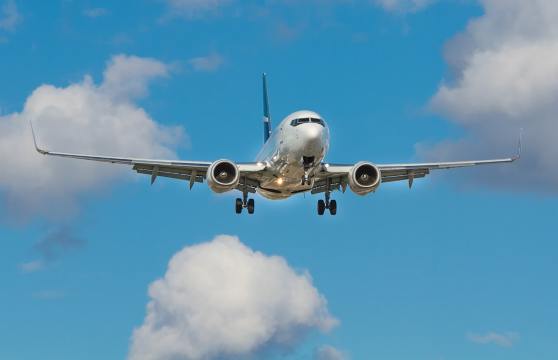
White aeroplane in mid-air via Unsplash (by John McArthur)

While you can't always avoid them completely, there are still a few smart ways UK travellers can reduce or minimise fuel surcharges in 2026:

  • Book your trip as early as possible rather than waiting for prices to drop. In the current UK market, fuel surcharges are being reviewed frequently due to ongoing fuel price volatility. Locking in your ticket early means you secure today's rates before any further increases are applied, especially important for summer and long-haul travel.
  • Choose airlines with simpler or bundled pricing structures. Many low-cost carriers in the UK and Europe (such as easyJet or Ryanair) don't list fuel surcharges separately, as these costs are already included in the base fare. While this doesn't remove the cost entirely, it can sometimes result in a lower overall price compared to traditional airlines on short-haul routes.
  • Use frequent flyer points or reward flight options. UK travellers using programmes like Avios or Virgin Points can reduce the impact of fuel surcharges by redeeming points. Some reward options (such as “Reward Flight Saver”) offer fixed, lower fees, which can be much cheaper than standard cash fares.
  • Be flexible with routes and destinations. Flights that avoid heavily impacted regions or long detours (caused by geopolitical tensions) may have lower fuel costs. Choosing alternative routes or stopovers can sometimes reduce the overall surcharge built into your ticket.
  • For freight or shipping, consolidating goods remains one of the most effective ways to reduce fuel surcharge costs per unit. This is particularly relevant in the UK logistics sector, where fuel surcharges are often calculated per mile and fluctuate weekly.

What Is a Fuel Surcharge Waiver?

A fuel surcharge waiver is a benefit that allows you to reduce or avoid paying the extra fuel-related fees added to flights or transport services.

In the UK, these waivers are less commonly advertised than in some other markets, but they are often available through frequent flyer programs, premium travel credit cards, or limited-time promotions. With fuel costs rising in 2026, these perks are becoming more valuable for frequent travellers.

💳 Common Fuel Surcharge Waiver Types

Waiver Type

Examples

How to Get It

Credit Card Fee Waivers

UK travel credit cards (e.g. American Express or Barclaycard Avios cards) may reduce the cash portion of tickets by allowing you to pay using points, effectively offsetting surcharges on reward flights

Earn points through spending and redeem Avios or rewards for flights

Loyalty programmes

Frequent flyer programmes such as British Airways Executive Club or Virgin Atlantic Flying Club may offer reduced surcharges on selected routes or reward tickets

Build status or redeem points on specific partner airlines with lower fees

Airline pricing strategies

Some airlines (especially low-cost carriers like easyJet or Ryanair) do not show a separate fuel surcharge, instead including it in the base fare

Book directly with low-cost carriers where pricing is bundled

Promotional offers

Airlines and travel platforms occasionally run “reduced fees” or “reward flight saver” deals that lower taxes and surcharges

Watch for seasonal sales, email offers, or limited-time promotions

Freight & logistics deals

UK haulage or courier companies may offer “no fuel surcharge” deals for new customers or contract-based pricing

Enquire directly or negotiate long-term contracts

  • True "full waivers" of fuel surcharges are now rare in the UK, especially on long-haul flights
  • Most savings come from reward flight structures (e.g. fixed-fee redemptions) rather than fully removing surcharges
  • Rising fuel costs and SAF requirements mean airlines are less likely to waive fees completely, but more likely to bundle or partially offset them
  • Some travellers reduce impact by choosing airlines or routes where surcharges are lower rather than waived entirely

What Is the Fuel Surcharge in the Trucking Industry?

What exactly is a fuel surcharge in the haulage industry?

Photo credit: Sander Yigin via Unsplash

In the world of UK haulage, the Fuel Surcharge (FSC) is directly linked to the price of diesel. With lorries covering long distances across the country, fuel represents a significant portion of total operating costs. When diesel prices rise, these costs can quickly reduce margins for transport operators.

To manage this, logistics companies apply a fuel surcharge to freight invoices. This allows them to adjust for fuel price changes without constantly increasing their base transport rates.

Unlike a fixed fee, the surcharge is usually based on recognised benchmarks, such as:

  • UK national average diesel pump prices
  • Wholesale diesel rates
  • Weekly or monthly fuel indices

These charges are typically applied either as:

  • A percentage of the total freight cost, or
  • A per-mile rate (often shown alongside kilometres for international context)

Given the sharp increase in diesel prices in early 2026, many UK logistics providers have already raised their fuel surcharges to reflect higher operating costs.

How Fuel Surcharges Are Calculated

In the UK, fuel surcharges are often calculated on a per-mile basis, making them directly proportional to distance travelled.

Example:

  • Diesel price rises from £1.65/L to £1.95/L
  • Distance: 500 miles (805 km)
  • Efficiency-based adjustment applied per mile

Result:
A variable fuel surcharge is added to the freight invoice, increasing in line with both the distance travelled and the rise in fuel prices.

🎁 Book your flights and hotels on Trip.com. Grab a fast and reliable global eSIM before you go!
See all attractions
153280 booked
4.7/55896 reviews
Europe 5G/4G eSIM | DayPass /Total | 500MB/day-total 50GB | 1-30 days | 24-hour billing | QR code
SIM card
€0.08
14562 booked
4.6/5536 reviews
USA/Canada 5G eSIM | Day Pass/Total Data Package | 1-30 Days | 24-Hour Billing | QR Code
SIM card
€0.20
264766 booked
4.7/58558 reviews
Japan SoftBank 4G/5G eSIM | TikTok & ChatGPT Available | Day Pass/Total Data Package | 24-Hour Billing | QR Code
SIM card
€0.25
276158 booked
4.6/57626 reviews
Mainland China/Hong Kong/Macao/Taiwan 5G eSIM | Supports ChatGPT | Day Pass/Total Package | 24H Billing | 1-30 days | QR code
SIM card
€0.09
198605 booked
4.7/58658 reviews
Thailand | 5G eSIM | Day Pass/Total Package | 24H Billing | 1-30 days | QR code
SIM card
€0.09
75106 booked
4.5/52603 reviews
Malaysia 5G eSIM | TikTok & ChatGPT Available | Day Pass/Total Data Package | 24-Hour Billing | QR Code
SIM card
€0.13
14562 booked
4.6/5536 reviews
USA/Canada 5G eSIM | Day Pass/Total Data Package | 1-30 Days | 24-Hour Billing | QR Code
SIM card
€0.20

[10% Off] Save on Hotels Worldwide

🎁 Book the cheapest flights worldwide, search for top-rated hotels with 10% off, and grab a fast, reliable eSIM for your next journey.
Explore the Top 10 Hotels Worldwide
See All Hotels
NO.1
9/101119 reviews
TRIBE Living Bangkok Sukhumvit 39 by AccorHotels
Hotel in Bangkok
NO.2
9.7/103801 reviews
Shanghai Xiangyun Resort Hotel
Hotel in Shanghai
NO.3
9/101502 reviews
KOKO HOTEL Osaka Shinsaibashi
Hotel in Osaka
NO.4
9.6/1046 reviews
The Mulia Bali
Hotel in Bali
NO.5
9.5/103882 reviews
J Hotel Shanghai Tower
Hotel in Shanghai
NO.6
9.3/10120 reviews
HOSHINOYA Fuji
Hotel in Fujikawaguchiko

FAQ – Flight Fuel Surcharges

  • What is a fuel surcharge on flights?

    A fuel surcharge is an extra fee added to your ticket when fuel prices rise. It’s not part of the base fare, but a separate charge airlines use to cover higher jet fuel costs. In the UK, you'll usually see it included in the total ticket price rather than listed clearly, especially on short-haul flights.
  • What does a 1% fuel surcharge waiver mean?

    A 1% fuel surcharge waiver means you don't have to pay 1% of the fuel surcharge. For example, if the surcharge is £10, you save £0.10 . It's a small saving, but it can add up if you travel often or book long-haul flights.
  • What does a 30% fuel surcharge mean on a flight ticket?

    A 30% fuel surcharge means you pay an extra 30% on top of the base fare due to higher fuel costs. For example, if a ticket costs £100, a 30% surcharge adds £30, making the total £130. In 2026, some long-haul routes are approaching this level due to rising oil prices.
  • Why are airlines adding fuel surcharges in 2026?

    The main reason is that geopolitical conflicts have led to tight global oil supplies and a sharp rise in aviation fuel prices. Fuel can make up 25–30% of airline costs, and even more for budget airlines. Instead of constantly changing ticket prices, airlines use surcharges to adjust quickly to rising costs.
  • Are any UK airlines avoiding fuel surcharge increases in 2026?

    Very few. Some airline groups like International Airlines Group (IAG), which includes British Airways, delayed increases earlier in 2026 thanks to fuel hedging. However, as fuel prices remain high, most UK and European airlines have now started raising fares or adding extra charges. Low-cost airlines are under the most pressure, as fuel can account for up to 40–50% of their costs.
  • Are flight prices in the UK going up because of fuel costs right now?

    Yes. As of April 2026, UK travellers are already seeing higher fares, especially on long-haul routes to the US and Asia. There are also warnings of possible jet fuel shortages across Europe, which could reduce flight availability and push prices even higher in the coming months.
  • When is the best time to book flights to avoid higher fuel surcharges?

    As soon as possible. Many airlines review fuel surcharges monthly, and further increases are expected if the current situation continues. Booking early helps you lock in current prices before any new surcharge rises are applied, especially for summer 2026 travel.

More Flight Guides

Disclaimer: This article has been provided by an individual contributor or third party platform. If there is any discrepancy regarding the copyright, please contact us directly and we will delete the content immediately.
>>
flight fuel surcharge
aaaa