2026 Barkam Travel Guide: must-see attractions, popular food, hotels, transport & travel experiences (updated in March)
Essential Travel Information for Barkam
Barkam Today's weather
Overcast 1-22℃
Popular Attraction in Barkam
Zhuokeji Tribe Village Cultural Scenic Area
(18)All Trip Moments about Barkam | Travel Experiences
Stunning 5-Day Secret Trekking Guide in Western Sichuan to Encounter the Golden Autumn at Dangling
♂️Who says Western Sichuan is only about Daocheng Yading? This hidden trekking route is the ultimate autumn bucket list for photography pros and city workers! The best autumn colors at Dangling peak in mid to late October feature colorful forests, snow-capped mountains, and alpine lakes perfectly framed together—every shot is a masterpiece! 📸 Here’s the most comprehensive guide, presented with both hands~ ⛰️【5-Day Itinerary】 📍Day 1: Arrive in Maerkang ✨Highlight: Altitude acclimatization at 2700m 🏨Accommodation: Mijiuxika Hotel (No.128 Tuanjie Street, Maerkang City) 🌃Evening Activity: Stroll along Binhe Road, don’t miss the yak yogurt from street shops! 📍Day 2: Maerkang → Kasa Lake → Kaerza 🚗Drive time: 4 hours 💦Must-visit: Jiayila Lake, a sacred lake backed by snow mountains and glaciers 🏠Accommodation: Jiayulacao Mountain Lodge (near Jiayila Lake, Kaerza Township) 📸Must-shoot: The "Glacier Reflection" at sunset is breathtaking! 📍Day 3: Kaerza → Danba 🌲Core Experience: Secret hiking at Dangling Hulu Lake 🌟Seasonal Highlights: June-August alpine flower seas / October golden autumn colorful forests 🍵Specialty: Danba homestay with Tibetan tea tasting and stargazing 📍Day 4: Danba → Gurgou 🛣️Scenic Route: Check in at Lixiaolu, the "Western Sichuan Duku Highway" ♨️Ultimate Relaxation: Xikangya Hot Spring Hotel (No.88 Hot Spring Road, Gurgou Town) 💆🏻♀️Tips: Rooms with private hot springs are recommended! 📍Day 5: Return 🛏️Sleep in naturally, head home full of beautiful memories~ 🚙【Transportation Guide】 ⚠️Must-read! Recommended to team up with 4WD off-road vehicles Regular sedans not advised (some sections have gravel) Recommended charter: Drivers familiar with the roads for safety 🏨【Accommodation Package】 💰1780 RMB/person includes: ✔️4 nights boutique lodging ✔️4 specialty meals ✔️Professional guiding service ✔️High-altitude travel insurance 🧳【Gear Checklist】 ✅Life-saving essentials: Windbreaker + Sunscreen + Sunglasses ✅Trekking must-haves: Hiking poles + Non-slip shoes ✅Bonus: Drone (perfect for panoramic shots) 📸【Photo Tips】 ✨Late October at Dangling: The golden trio of colorful forests + snow mountains + alpine lakes ✨Jiayila Lake: God’s view of the glacier-reflecting sacred lake ✨Lixiaolu: Road shots of snow mountains and forests through the car window ⚠️【High Altitude Warning】 Prepare oxygen tanks for sections above 3000m! Consult your doctor in advance if you have underlying conditions Avoid washing hair or bathing in the first 2 days to reduce altitude sickness 🙅♀️【Taboos】 ❌No photography inside temples ❌Don’t snap photos too close to Tibetan elders ❌Do not touch prayer flags or mani stone piles casually 💬Real Experience: This route has fewer people and more beautiful scenery than Daocheng! Our guide took us to many wild viewing platforms, so no need to compete with tourists for the perfect shot~When the colorful forests cover the hills in October, it’s truly breathtaking😍AJI. Joy 39224Seda is back! We really don't recommend going in March or April, because...
...it's just too beautiful!!! When the boundless red comes into view, your heart will be deeply touched. This is Seda, a place full of mystery and the power of faith. Before you pack your bags and embark on this spiritual journey, take a look at this carefully compiled guide to help you have a perfect trip to Seda. Seda Larung Gar Buddhist Academy, the largest Tibetan Buddhist academy in the world Seda Larung Gar Buddhist Academy, a pure land of Buddha, is located in Luoruo Town, Seda County, Ganzi Tibetan Autonomous Prefecture, Sichuan Province. Countless crimson-red monk houses densely cover the hillside, creating a magnificent and spectacular scene. Reservation method Make sure to book 48 hours in advance on the "Larunggou Jingou" mini program. There are only two booking slots per day, at 10:00 a.m. and 3:30 p.m. Make sure to book on time to avoid missing out. The origin of the red houses Initially, newly arrived practitioners, in order to solve the accommodation problem, used local materials and built simple wooden sheds on the hillside. To give these dwellings sacred meaning, they painted them all red. Over time, red became the main color of this land, and the red houses became a unique symbol of Seda. Photography tips Corridor shots: The corridors on both sides of the academy are excellent photo spots. Standing in the corridor, you can take photos of yourself with the red houses, and also capture the scattered red monk houses in the distance, creating a photo with a rich sense of layering. Back mountain view: If you want to overlook the entire Seda, you need to challenge yourself with a hike up the back mountain, which has an altitude of 4,300 meters. Although the process is somewhat difficult, when you reach the top of the mountain, the red houses all over the mountain against the blue sky and white clouds look like a beautiful painting unfolding before your eyes. Every shot is a masterpiece. When night falls, the starry river is bright, and the dotted lights in the red houses make it feel like you've entered the dreamy cartoon world of Hayao Miyazaki. It's extremely stunning. Itinerary planning D1: Chengdu - Zhuokeji Tusi Guanzhai - Xisuo Folk Houses - Guanyinqiao Town/Barkam - Morning: Depart from Chengdu and enjoy the magnificent scenery of western Sichuan along the way to Zhuokeji Tusi Guanzhai. This official residence has a unique architectural style, blending the essence of Tibetan and Han architecture. Stepping inside, it's like traveling through time, experiencing the glory and mystery of the former Tusi family, and learning about the history and culture of the Gyalrong Tibetans. - Noon: Enjoy local specialties at a restaurant near Zhuokeji, such as Tibetan butter tea, hand-pulled meat, and buckwheat cakes, to experience the flavors of Tibetan cuisine. - Afternoon: Head to Xisuo Folk Houses, a well-preserved Gyalrong Tibetan village. The simple houses are scattered, and stone roads wind through them. Here you can experience authentic Tibetan life and admire exquisite traditional Tibetan handicrafts, such as Thangka and Tibetan carpets. In the evening, arrive at Guanyinqiao Town or Barkam, check into the hotel, and relax after a day's journey. D2: Guanyinqiao Town/Barkam - Wengda - Seda Larung Gar Buddhist Academy - Seda County - Morning: After breakfast, depart and pass through Wengda, enjoying the natural scenery of western Sichuan, such as grasslands and mountains, along the way. After arriving in Seda, go to Larung Gar Buddhist Academy and enter according to the appointment time. First, visit the academy, experience the strong religious atmosphere, and listen to the chanting of the lamas. - Noon: Have lunch at the vegetarian restaurant in the academy, experience the light vegetarian food, and feel the simplicity of monastic life. - Afternoon: Continue to explore the academy. You can choose to follow a local guide to learn more about the history, culture, and monastic traditions of the academy, or you can stroll among the red houses, communicate with practitioners, and take photos. In the evening, go to Seda County, and enjoy local delicacies such as yak beef hot pot and Tibetan hot pot to warm up your body and mind. D3: Seda - Donggar Monastery - Chengdu - Morning: Visit Donggar Monastery, an ancient temple with a long history. The temple houses many precious Buddhist relics and Thangkas. Feel the peaceful atmosphere in the temple and admire the exquisite architecture and murals. - Noon: After lunch nearby, embark on the return journey and end this meaningful trip to Seda. You can enjoy the beautiful scenery of western Sichuan again on the way and reminisce about the unforgettable experiences of these days. Food recommendations Yak beef hot pot: In Seda, you must try the steaming yak beef hot pot. The fresh yak beef is stewed until tender and flavorful, and the soup is delicious. Served with various vegetables, it can not only replenish energy but also resist the cold of the plateau. Tibetan yogurt: It has a rich and mellow taste, with a slightly sour taste and a hint of milky fragrance. The surface is sprinkled with a layer of white sugar or honey to neutralize the sourness. It is sweet and sour, appetizing, and refreshing. Tsampa: Made from roasted barley flour, it has a crispy texture and a strong aroma of wheat. It can be eaten with butter tea. It is one of the traditional staple foods of the Tibetan people and is full of rich Tibetan flavor. Things to note Altitude sickness: Seda is located in a high-altitude area. Take precautions against altitude sickness in advance, such as taking anti-altitude sickness medicine in advance, avoiding strenuous exercise after arrival, and getting enough rest. If you experience altitude sickness symptoms, you can use oxygen to relieve them. Respect local customs: In Buddhist academies and temples, respect local religious beliefs and customs. Do not take photos at will, do not make loud noises, and abide by local regulations. Keep warm: The temperature in the plateau area is low, and even in summer, the temperature difference between day and night is large. Be sure to bring enough warm clothes, such as down jackets, thick sweaters, and thermal pants.emmett_valeros_santana4Markang Family Trip|The Tibetan Pearl of Western Sichuan for Reverse Child Travel
Unlock reverse travel in Western Sichuan with kids—Markang is definitely a hidden gem! This Tibetan pearl, sealed by time, is little promoted and less crowded, offering a leisurely and serene experience. It’s also the setting of the novel "Dust Settles." With grasslands, ancient temples, snow-capped mountains, and canyons all in one place, bringing your kids here means escaping crowded tourist spots and truly feeling the soul of Western Sichuan. A family trip here is super relaxing~ Every attraction in Markang is stunning and completely free! Visit ancient temples with your kids, admire snow mountains, explore watchtowers, and tour traditional residences to experience rich Tibetan culture and enjoy the breathtaking scenery of Western Sichuan. Learn while playing, making family time full of surprises. 🚗 A 3-day, 2-night nanny-level family itinerary to easily explore Markang: DAY 1: Chengdu → Changlie Temple (Buddhist kingdom in the clouds + alpine pasture) → Overnight in Markang Depart from Chengdu and drive about 3.5 hours to Changlie Temple, an ancient temple with over 800 years of history. It has many halls with exquisite craftsmanship, and the golden hall hidden in the clouds is truly breathtaking. Take your kids to explore the temple and learn about Tibetan Buddhist culture. The monks are warm and hospitable and will tell simple Tibetan Buddhist stories to the kids. Behind the temple lies a vast alpine pasture with lush green grass and herds of cattle and sheep. Let your kids run and feed the animals on the pasture, enjoy the beauty of the grassland, camp, and take beautiful family photos on the grassland. In the evening, stay at a hotel in Markang city center with complete facilities for convenience and comfort. DAY 2: Gengda Temple (Golden Path) → Songgang Watchtower → Kepan Sky Street (Sky City on the cliff) → Dazang Temple (A secret place stamped by Emperor Qianlong) In the morning, visit Gengda Temple, where 108 golden stupas shine brilliantly under the sun, resembling a golden Buddhist kingdom. Take photos with your kids here—wearing white clothes makes the pictures stand out. You can also touch the 6-meter-high prayer wheel and spin it clockwise three times to make a wish. Next, visit Songgang Watchtower, a 43-meter-high octagonal watchtower from the Qing Qianlong era. Climb to the top with your kids to overlook the Suomo River Canyon. The evening light and shadows are stunning. Tell your kids the history of the watchtower to enrich their knowledge. In the afternoon, visit Kepan Sky Street, a sky city built on the ridge of Daobei Mountain, once a Tibetan official village. Walking on the plank road of Sky Street feels like walking in the clouds. Let your kids experience the unique architectural charm. In the evening, head to Dazang Temple and stay at a guesthouse nearby to feel the tranquility of the ancient mountain temple. DAY 3: Xisuo Residence → Piluzhenna Sacred Cave (The same meditation cave as Tsangyang Gyatso) → Return trip In the morning, visit Xisuo Residence, a cluster of Tibetan homes in the suburbs arranged along the riverbank and hillside. The unique Jiarong Tibetan architectural style is colorful. Walk with your kids on the cobblestone paths of the residences, experience Tibetan living customs, and interact with local Tibetan children—your kids will be very happy. Then visit Piluzhenna Sacred Cave, the cave temple where Tsangyang Gyatso practiced meditation. It is located in a dangerous terrain with multiple sacred sites. Take a light hike with your kids to feel the peacefulness of the meditation place. Tell your kids the story of Tsangyang Gyatso to help them learn about this famous Tibetan cultural figure. After the visit, return home and conclude a joyful family trip in Western Sichuan. 🔥Must-visit free family attractions, each one is stunning: 1️⃣ Changlie Temple: Golden hall in the clouds, alpine pasture behind the temple perfect for family fun, and delicious Tibetan vegetarian meals—let your kids try Tibetan vegetarian food. 2️⃣ Gengda Temple: 108 golden stupas are breathtaking, spin the prayer wheel for blessings, and take amazing family photos. 3️⃣ Songgang Watchtower: Century-old octagonal watchtower, climb high to overlook the canyon, learn about Tibetan watchtower culture. 4️⃣ Dazang Temple: A secret place at 3,500 meters altitude, Ming Dynasty murals + ivory seal bestowed by Emperor Qianlong, a nationally protected cultural relic. The surrounding snow mountains and meadows are stunning, perfect for family photo shoots.The Hungry Trekker3 Days 2 Nights Family Trip to Maerkang|A Hidden Tibetan Family Travel Guide in Western Sichuan
Having visited Western Sichuan dozens of times, I found Maerkang to be the best hidden gem for family trips! As a seriously underrated Tibetan jewel in Western Sichuan, it’s free from bustling crowds, offering only stunning natural scenery and rich Tibetan culture. Grasslands, ancient temples, watchtowers, snow-capped mountains, and canyons all come together here. Bring your kids for a reverse tourism experience—relaxed and carefree, unlocking a unique family adventure in Western Sichuan~ Maerkang is also the setting of the novel "Dust Settles." Touring here with kids feels like stepping into the novel’s world—playing while learning about the Jiarong Tibetan history and culture, and admiring the pristine landscapes of Western Sichuan. This family trip is both fun and meaningful. 🚙 Family Transportation: Self-driving is the top choice, about 3.5 hours from Chengdu with good road conditions. The Western Sichuan scenery along the way is breathtaking—stop frequently to take family photos; alternatively, take a bus to Maerkang city and then local taxis for sightseeing, suitable for families who prefer not to drive. 🏢 Family Accommodation: Mainly hotels in Maerkang city with complete facilities, convenient dining, and high comfort; for a tranquil experience in deep mountain ancient temples, stay in guesthouses near Dazang Temple or Changle Temple to enjoy Tibetan-style lodging. 🍲 Family Food Guide: Qiu Er Restaurant’s stir-fried wild mushrooms are delicious—fresh wild mushrooms with a rich flavor that kids love; also try Tibetan specialties like butter tea, tsampa, and hand-pulled meat. Let kids sample lightly flavored Tibetan dishes such as Tibetan noodles and barley cakes to experience Tibetan culinary culture. 📌 Core Family Travel Tips: ✅ Maerkang’s weather changes quickly—bring kids thin down jackets, sunscreen, sunglasses, and hats to stay warm and protected. ✅ Some attractions are at high altitudes (e.g., Dazang Temple at 3500m). Walk slowly with kids, avoid strenuous activity, prevent altitude sickness, and prepare oxygen bottles in advance. ✅ Respect local Tibetan customs—no random photos or loud noises inside temples, set a good example for kids. ✅ Distances between attractions are moderate. Self-driving allows flexible scheduling; adjust the pace according to kids’ condition without rushing. 🔥 8 Free Must-Visit Family Attractions to Explore Maerkang’s Highlights: 1️⃣ Changle Temple: An 800-year-old cloud-top Buddhist kingdom with a magnificent golden hall and exquisite architecture. Behind the temple is a vast alpine pasture where kids can feed cattle and sheep, run around, and camp—super fun! The temple’s vegetarian meals are light and tasty, letting kids experience a different food culture. 2️⃣ Gengda Temple: A golden Buddhist kingdom with 108 golden stupas shining under the sun—truly stunning. A 6-meter-high prayer wheel lets kids spin it clockwise three times to pray, experiencing Tibetan blessing culture. Wearing white clothes for photos gives a holy glow, making family photos extra special. 3️⃣ Songgang Watchtower: A century-old octagonal watchtower from the Qianlong era, 43 meters tall. Climb to the top with kids to overlook the breathtaking Suomo River Canyon. The evening light is beautiful—tell kids about the watchtower’s history and function for an educational moment. 4️⃣ Dazang Temple: A secret place even Emperor Qianlong visited, at 3500 meters altitude, surrounded by snow mountains. Inside are Ming dynasty murals and Qianlong’s ivory seal, precious cultural relics protected nationally. Nearby alpine meadows with herds of cattle and sheep are perfect for family grassland photos. It’s also a local secret luxury wild camping spot. 5️⃣ Kepan Sky Street: A sky city on a cliff, a Tibetan official village built on the sharp ridge of Daobei Mountain. Walking on the suspended plank road feels like walking in the clouds. Kids can experience unique Tibetan architecture and enjoy the stunning views below—truly breathtaking. 6️⃣ Xisuo Residences: An authentic Jiarong Tibetan village with brightly colored stone and wood buildings along the riverbank and winding bluestone paths. Walk with kids through the village, interact with local Tibetan children, learn about Tibetan customs, and feel the lively village atmosphere. 7️⃣ Piluzhenna Sacred Cave: A meditation cave like that of Tsangyang Gyatso, hidden deep in the mountains with a challenging location. Take a light hike with kids to feel the tranquility of the retreat. Tell kids Tsangyang Gyatso’s poems and stories to let them appreciate Tibetan culture. The mountain forest scenery along the way is also beautiful, letting kids explore while playing. 8️⃣ Zhuokeji Tibetan Village: A Tusi official village where the Red Army stayed during the Long March. Although only viewable from outside now, its unique architecture lets kids learn about the Long March history and receive red education, helping them cherish today’s life. 🗓️ 3 Days 2 Nights Family Itinerary (Relaxed version, easy on kids): DAY1: Chengdu → Changle Temple (visit ancient temple + alpine pasture family fun) → Check in Maerkang city → Explore Tibetan street in the city DAY2: Gengda Temple → Songgang Watchtower → Kepan Sky Street → Dazang Temple (stay in nearby guesthouse) DAY3: Watch sunrise at Dazang Temple → Xisuo Residences → Piluzhenna Sacred Cave (light hike) → ReturnEtherealMajesticRsZhejiang Residents Have 3 Months Left for Free Travel to Jiuzhaigou
Attention Zhejiang residents! The countdown for free travel to Jiuzhaigou is down to the last 3 months! In 2021, Aba Prefecture in Sichuan Province launched a ticket discount policy for state-owned A-level tourist attractions targeting seven paired aid cities: Hangzhou, Wenzhou, Shaoxing, Huzhou, Jiaxing, Jinhua, and Taizhou. Residents with household registration in these seven cities can enjoy one free admission per year to each of the 11 state-owned A-level tourist attractions in Aba Prefecture. The discount period is from June 12, 2021, to June 11, 2026. The attractions offering free admission include: Jiuzhaigou and Huanglong, two national 5A-level scenic spots; Siguniang Mountain, Dagu Glacier, Ruoergai County Huahu Ecotourism Area, Ruoergai Yellow River Nine Bends First Bay, Maoxian Ancient Qiang City, Lixian Taoping Qiang Village-Ganbao Tibetan Village Tourist Area, and Markang Zhuokeji Tusi Official Village Cultural Tourism Area, seven national 4A-level scenic spots; and Songpan County Songzhou Ancient City and Heishui Kalong Valley, two national 3A-level scenic spots.Trip.PulseSonggang Watchtowers: Four Hundred Years of Guarding the Sichuan-Tibet Route
🚗 Driving out of Markang city, heading west along the Suomo River Valley, the terrain begins to gently rise. The valley gradually narrows, and distant snow-capped peaks peek through the mountain folds, shining brilliantly against the blue sky. As you continue, the valley suddenly tightens ahead, and a mountain ridge stretches out like a giant dragon—this is Songgang. ⛰️ The valley here is only a few miles wide, with four watchtowers towering into the clouds on the hills to the north and south. The Mosuo River flows quietly at the valley bottom, National Highway 317 winds beneath the watchtowers, and a newly built expressway is slowly extending from the east. These four stone giants have been guarding the vital passage of Sichuan-Tibet traffic for exactly three hundred years. 🌳 The watchtowers originally had eight floors, each floor built with round wooden beams for flooring. Now the wooden structures have decayed, leaving only empty stone walls pointing to the sky. Looking through the doorway on the ground floor, you can still see grooves on the walls for placing weapons and niches for storing grain. It’s easy to imagine that back then, the Songgang Tusi stationed troops and stored supplies here, guarding this crucial route—truly “one man guards the pass, ten thousand cannot open it.” 🌸 Continuing up the ridge, the ruins of the Tusi official residence are hidden in knee-high wild grass. During the Qianlong period of the Qing Dynasty, this was once a grand and magnificent complex. The 1933 Diexi earthquake and subsequent fire reduced the residence to ruins. Now, only a few stone walls stubbornly stand in the mountain wind, with unknown wildflowers blooming at the corners, swaying gracefully among the ruins. 🌳 Standing in front of the ruins, you can just see the other two watchtowers on the northern hills. They face the two towers on the southern side, jointly guarding this natural choke point. For three hundred years, they have witnessed the Tusi’s troops training, caravans carrying tea and salt slowly passing by, the earth-shaking 1933 Diexi earthquake, and the dramatic 2008 Wenchuan earthquake—and after three major earthquakes, they still stand firm as ever. 📖 At sunset, the surface of the Mosuo River shimmers with golden light. Occasionally, vehicles speed along National Highway 317; nearby, the new expressway extends like a long dragon. The four watchtowers quietly stand on the hills, watching the ancient post road become a national highway, and then a highway beside it. They say nothing, only silently guarding the changes of this land like stone sentinels. **How to Get There:** The Songgang Watchtower Group is located about 15 kilometers west of Markang city. Drive along National Highway 317 towards Jinchuan and Danba, and near Songgang town, you will see clear signs for the watchtower group. It is recommended to drive or hire a car; the trip takes about 20 minutes. **Best Season:** May to October is ideal, with pleasant weather and blooming mountain flowers. Autumn and winter offer clear views but be sure to dress warmly. **Visiting Tips:** 1. The watchtowers are spread across hills on both the north and south sides, requiring a hike uphill. Comfortable sports shoes are recommended. 2. The watchtowers on the southern hills are better preserved and include the Tusi official residence ruins, making them the main attraction. 3. The wooden structures inside the watchtowers have collapsed; climbing is prohibited. Please visit from outside only. 4. It’s best to visit in the afternoon when the sunset light is perfect for photographing the watchtowers. 5. There are no commercial facilities nearby, so bring your own drinking water and simple snacks. **Nearby Recommendations:** 1. Continue west along National Highway 317 to reach the Guanyin Bridge Scenic Area in Jinchuan County. 2. Return to Markang city to visit the Zhuokeji Tusi Official Residence and Xisuo Folk Houses. 3. Near Songgang town, there are Jiarong Tibetan villages where you can experience Tibetan culture. Standing on the hills of Songgang, a question suddenly comes to mind: why put so much effort into building watchtowers in such a rugged place? The answer may lie in the valley below. This is the throat of Sichuan-Tibet traffic, a necessary passage on the ancient Tea Horse Road. With watchtowers, this passage could be controlled; controlling the passage meant controlling the caravans, transmitting information, and ensuring safety. In an era without phones or cars, such a watchtower was the guardian spirit of the land.aveline_Snowy Mountains and Pear Blossoms Complement Each Other: A Super Cozy Spring Outing for Families in Western Sichuan
Unlock the spring romance of Western Sichuan with your kids in March, where a sea of pear blossoms stretches for miles against the backdrop of snowy mountains—half gentle, half magnificent. With fewer crowds, beautiful scenery, and a relaxed pace, this family spring outing will leave a lasting impression on your kids~ Unlike other spring flower seas, the pear blossoms here hide at the foot of snowy mountains and beside Tibetan villages, creating a full atmosphere. The March temperatures in Western Sichuan are comfortable, more suitable for traveling with kids than in winter. The whole trip involves light hiking and leisurely sightseeing without rushing, allowing both parents and kids to enjoy the journey. 🚗 A 6-day warm-hearted family itinerary, easy-going with fun along the way D1: From all over the country → Gather in Chengdu Stay at a family-friendly hotel, stroll around Chunxi Road and Jinli, try Chengdu’s special snacks—kids will be happy eating, and parents can feel the lively local vibe. D2: Chengdu → Taoping Qiang Village → Xisuo Tibetan Residence → Ka’erduo Pear Blossom Avenue → Jinchuan Take the kids to explore the millennium watchtowers of Taoping Qiang Village, listen to local stories, and experience Qiang culture; the Tibetan-style architecture of Xisuo residences is very distinctive, perfect for kids to check in and take photos; in the afternoon, walk along Ka’erduo Pear Blossom Avenue, accompanied by pear blossoms all the way, every snapshot is a beautiful scene. D3: Jinchuan Shenxianbao Pear Blossoms → Play with Marmots/Tibetan Macaques Get up early to climb Shenxianbao and see the sea of pear blossoms in the morning mist, as beautiful as a fairyland; in the afternoon, visit nearby meadows to play with adorable marmots and feed lively Tibetan macaques, getting close to the animals—kids’ happiness is that simple. D5: Daofu → Yala Snow Mountain Viewing Platform → Zhonglu Tibetan Village · Pear Blossoms At the Yala Snow Mountain viewing platform, watch the panoramic snowy mountains with your kids and feel the grandeur of nature; in the afternoon, stroll through Zhonglu Tibetan Village, play small games with your kids under the pear trees, take warm family photos, and browse Tibetan village shops for small souvenirs. D6: Zhonglu Tibetan Village → Siguniang Mountain Shuangqiao Valley → Maobiliang Viewing Platform → Chengdu Shuangqiao Valley in Siguniang Mountain is an excellent choice for family light hiking, with gentle boardwalks and views of snowy mountains, lakes, and forests along the way—kids can walk, watch, and explore; Maobiliang Viewing Platform captures the stunning moment of Siguniang Mountain, then return to Chengdu to end the trip. 🌸 Family Flower Viewing Tips ✅ Use small props for photos with kids, like kites, straw hats, or pear blossom branches, to make the pictures more vivid. ✅ The pear trees in Sha’er Township are low, perfect for close-ups of kids and family group shots; Shenxianbao is great for panoramic shots. ✅ Visiting in early April lets you see the “pear blossom rain”—catching petals under the trees with kids creates a full atmosphere. 💌 Practical Tips ✅ The altitude throughout the trip is not high, so kids are less likely to get altitude sickness; avoid intense running or jumping and drink plenty of water. ✅ Local food is mainly Tibetan and Sichuan style; you can ask restaurants to make it less spicy in advance and prepare some snacks for the kids. ✅ More people travel during pear blossom season, so book cars and hotels early. Private car travel is more suitable for families—flexible and worry-free.Gray Amelia96Exploring the Settled Dust of the Tusi Official Village — Zhuokeji Travelogue
🏠Zhuokeji, meaning "pinnacle" in Tibetan, signifies supreme status. True to its name, this official village, originally built in 1286, was the government seat of the most powerful Zhuokeji Tusi among the eighteen Tusi of the Gyarong Tibetan region, serving as the supreme center of power on this land. The official village was destroyed by fire in 1936, and the buildings we see today were rebuilt in 1938 by the 16th-generation Tusi, Suo Guanying, on the original site. 🌳Entering the official village, I was first captivated by its unique architectural style. This grand complex, covering 5,400 square meters, adopts a Han-style courtyard layout but incorporates features of Tibetan high watchtowers. The main northern building is a false six-story structure, with five-story east and west wings connected by corridors, and a spacious courtyard in the center. It is said to have a total of 63 rooms of various sizes, composed of enclosing walls, high watchtowers, screen walls, and prison cells. This architectural fusion of Tibetan and Han elements is no wonder it was praised by the famous American writer Salisbury as "a gem in the history of Eastern architecture." 🌳Following the tour route, I started from the first floor and gradually explored upwards. **First Floor** housed servants, laborers, and storage areas in the past. Today, it displays various farming, nomadic, and craft tools, vividly showcasing the traditional wisdom and lifestyle of the Gyarong Tibetan ancestors. Through these artifacts, I could almost see the bustling scenes of horse caravans coming and going and granaries full of grain. Ascending to the **Second Floor**, the atmosphere became more solemn. This was the Tusi’s administrative office area, with the Big Head People’s meeting room, the religious translation office, and the Tusi reception hall arranged in sequence, fully recreating the administrative system of the Tusi regime. What caught my attention most was a room on the other side—during the 1935 Long March of the Red Army, central leaders including Mao Zedong and Zhou Enlai stayed here and held the famous "Zhuokeji Meeting." History overlaps here; the Tusi’s government also witnessed important moments of the Chinese revolution. The **Third Floor** was another world, the living quarters of the Tusi and his family. The furnishings here were exquisite and strict in hierarchy—ordinary servants and slaves were strictly forbidden to enter this floor, only the steward and personal maids had access. Walking through, I tried to imagine the scene when Tusi Suo Guanmeng entertained guests and handled family affairs here, which later became the story prototype for the famous writer Alai’s novel "Dust Settles." The **Fourth Floor** was a spiritual hall. It concentrated on displaying traditional culture such as Gyarong ancient Tibetan opera and Tibetan medicine, with the core being the Tusi’s grand scripture hall. The scripture hall connects through to the fifth floor, with a double-height ceiling, making it especially solemn and majestic. It is said that during wartime preparations, the fifth floor also had a lookout room with cannon openings, guarding the safety of this territory. After touring the entire official village, I deeply felt that this place is not just a building but a three-dimensional history book. Every corner preserves a piece of history, every exhibition room tells a story—from the legendary life of the Tusi, to the cultural customs of the Gyarong Tibetans, to the footprints of the Red Army. The old Tusi system has long since settled like dust, but this magnificent official village still stands tall, silently narrating those bygone turbulent years. Zhuokeji Tusi Official Village Travel Guide **📍Address**: Zhuokeji Town, Maerkang City, Aba Tibetan and Qiang Autonomous Prefecture, Sichuan Province **🎫Ticket Price**: 60 RMB/person (reference price, subject to the official announcement on the day) **⏰Opening Hours**: 9:00 AM - 5:00 PM (last entry usually at 4:30 PM) **⏳Recommended Visit Duration**: 2-3 hours **🚗Transportation Guide:** - **Self-driving**: About 5 hours from Chengdu via Rongchang Expressway; search "Zhuokeji Tusi Official Village" on navigation. Parking is available at the entrance. - **Bus**: Long-distance buses run from Chengdu to Maerkang. After arriving in Maerkang, take local bus or taxi to Zhuokeji Town (about 8 km from Maerkang city center). **📝Recommended Tour Route:** It is suggested to start from the first floor and visit upwards. Each floor has detailed text descriptions and scene restorations. Following the floor order helps better understand the life of Tusi society—from labor on the ground floor, to administration on the second, Tusi’s living quarters on the third, and religious culture on the fourth—layer by layer, experiencing the structure of power. **📸Nearby Attractions:** - **Xisuo Residences**: Located just opposite the official village across the river. This is a typical Gyarong Tibetan village with distinctive residential architecture, worth visiting to experience authentic Tibetan village charm. - **Maerkang City**: Sample local Tibetan cuisine and purchase Tibetan handicrafts. **💡Useful Tips:** 1. **Altitude Reminder**: Zhuokeji is about 2600-2800 meters above sea level. Severe altitude sickness is uncommon, but avoid strenuous exercise when first arriving on the plateau. 2. **Weather and Clothing**: The plateau has large temperature differences between day and night. Even in summer, bring a light jacket or windbreaker. 3. **About "Dust Settles"**: It is recommended to read Alai’s Mao Dun Literature Prize-winning novel before or after the visit, or pay attention to related introductions inside the village to deepen your experience. 4. **Photography**: The courtyard and upstairs corridors are excellent spots for photos, capturing the architectural structure. Some indoor exhibition halls are dimly lit; please avoid using flash when taking pictures.aveline_🌿✨3,500 meters above sea level. So beautiful you have to keep quiet!!
🏔 Macheng, Western Sichuan A small town hidden behind snow-capped mountains. Most people don't know about it. If Chengdu is the gateway, this is “another world,” with roads that gradually climb, the wind gets colder, the grasslands widen, and then a golden temple emerges from the mountains. It's not a famous tourist town, but it's a town with “power.” — Day 1 From Chengdu, drive into the mountains. 📍 Changlie Temple An ancient temple over 800 years old. Located on an alpine grassland, windy, prayer flags fluttering. So quiet you can hear your own heartbeat. Sleeping in Macheng tonight. The air is thin and cool, the stars are incredibly clear. — Day 2 📍 Geda Temple 108 golden pagodas stacked on top of each other. The morning light makes it look like a golden city. Don't forget to spin the prayer wheel clockwise 3 times; they say it brings good luck. 📍 Songgang Watchtower An ancient tower 43 meters high. Climb up and see the entire valley. The evening light is breathtaking. 📍 Kopan Sky Street A town on a mountaintop. Like being on the edge of the world. 📍 Dazang Temple A temple once visited by Emperor Qianlong. Located over 3,500 meters high, surrounded by grasslands, herds of cattle and sheep. Snow-capped mountains surround it. It's not an ordinary temple. It's like a scene from a Tibetan movie. — Day 3 📍 Xisuo Folk Houses Tibetan houses by the river. White and red walls. Carved wooden windows. And finally, 📍 Vairochana Holy Cave A cave that was once a place of meditation. Quiet path, windy. Takes about 2-3 hours for the round trip. It's not easy, but it's worth it. #chinatravel #chinaadventures #china #travelchina #trip #travelplan #travelplan #sichuan #chengduCrazy.traveler เที่ยวจะเครซี่2Snowy Night on the Changlie Panshan Highway
Snowy Night on the Changlie Panshan Highway|The Milky Way Secret Realm of Maerkang Snow falls in Maerkang, and the Changlie Panshan Highway transforms into a dazzling Milky Way in the night. The bright moon hangs high, stars dot the dark sky, and the clear light spills over the snow-covered mountains, outlining the rugged, rolling contours. The highway winds like a golden ribbon, warm yellow streetlights piercing the cold night, casting a gentle glow on the snow-covered road. Car headlights trace light trails through the curves, intertwining with the moonlight to create a dreamlike play of light and shadow. The cold wind carries snowflakes dancing lightly, and the silhouettes of snow-covered pine branches flicker faintly in the light and shadow. All is silent except for the soft sound of wheels crunching on the snow and the distant wind whistling through the mountains. In this moment, the crispness of ice and snow meets the warmth of the lights, turning the treacherous mountain road into a path leading to a secret realm. Every turn is a tender embrace with the snowy night.Oliver Gray Oliver76Snow-Covered Changlie Panshan Highway
Snow-covered Changlie Panshan Highway: A white poetic line winding in the clouds After the first snowfall clears, Changlie Panshan Highway snakes like a silver serpent, winding and spiraling among the mountains. As far as the eye can see, the rolling mountains are covered in white snow, each fold gently smoothed over, with exposed rocks shining coldly in the snowy light. The highway resembles a carefully carved jade belt, spiraling along steep cliffs, every curve full of tension, as if the earth’s pulse is beating. The snow on the road is pressed down by tires, leaving clear tracks that sharply contrast with the untouched pure white snow. Distant peaks appear faintly through the mist, like blank spaces in an ink painting, while nearby pines and cypresses are covered in rime, dressed in silver, resembling jade trees and crystal branches. Driving on this road feels like traveling through a pristine world of ice and snow, with new scenery at every turn and every breath carrying the crispness and sweetness after the snow. Here there is no noise, only the sound of the wind and the crunch of tires on snow, allowing one to feel the grandeur of nature and the majesty of the highway in ultimate tranquility.Felix567~ScottXue Maerkang
Snowfall in Maerkang: A Silver Dream in the Canyon After the snow, Maerkang seems to have pressed the mute button on time. The mountains on both sides of the Suomo River have shed their lush green and donned a pure white velvet coat. The distant snow-capped peaks glisten with a cold light under the pale blue sky, while the nearby slopes are lightly covered with snowflakes over deep green forests, outlining a clearly layered texture. The entire city stretches along the valley, with Tibetan-style houses featuring red tiles and white walls interspersed with modern buildings. The snow on the rooftops looks like a layer of sugar frosting, adding a touch of softness to the sturdy stone walls. From a high vantage point, the winding road looks like a silver ribbon weaving through the snowy ridges. Occasionally, prayer flags flutter gently in the wind, adding a splash of vibrant color to this tranquil silver world. The air is as crisp as freshly melted snow; a breath fills the lungs with a cool, sweet freshness. Snowfall in Maerkang is a love letter that the plateau writes to winter, each stroke clean and gentle.MiaMontgomery56sEarly spring in March, go to Jinchuan in Western Sichuan to see the pear blossoms, a springtime exclusive
In early spring March, the ice and snow melt, and the pear blossoms bloom in Western Sichuan. The ancient pear trees in the Tibetan villages of Danba County bloom like snow, truly worth the trip! Here lies the world's largest high-altitude sea of pear blossoms, with photo effects rivaling Nyingchi, but with only one-tenth of the crowds. This is the "Hometown of Snow Pears in China" — Jinchuan 💮 - 💐 Western Sichuan Jinchuan Pear Blossoms Address: Jinchuan County, Aba Prefecture, Sichuan 🕝 Blooming period: Mid-March to early April every year Pear blossoms cover the mountains and valleys, presenting a scene of "thousands upon thousands of pear trees in bloom." The pear blossoms of Western Sichuan, combined with Tibetan villages, watchtowers, blue skies, and white clouds, create a fairyland on earth that can only be truly appreciated by being there! - 💐 Western Sichuan Jinchuan Pear Blossoms + Siguniang Mountain 3-Day Tour: 🌼 Day 1: Chengdu - Zhuokeji Tusi Official Village - Guanyin Temple - Guanyinqiao Town 🌼 Day 2: Guanyinqiao Town - Jinchuan Shenxianbao - Jiaju Tibetan Village - Xiaojin County / Siguniang Mountain Town 🌼 Day 3: Xiaojin County / Siguniang Mountain Town - Shuangqiao Valley Scenic Area - Chengdu - ✨ The "Three Wonders" of Jinchuan Pear Blossoms ✨ 🌸 Spring snow and pear blossoms flying together Snow still falls on the mountaintops while below is a sea of pear blossoms, reflecting beautifully in the river, stunning to the heart 🌸 Thousands upon thousands of pear trees in bloom While the snowy plateau still sleeps under winter snow, the pear blossoms on both sides of Jinchuan bloom overnight, covering the entire valley and shading the sky 🌸 Sea of flowers in the mist Mornings and evenings in the mountains of Western Sichuan are often foggy, with pear blossoms entwined and hidden in the mountain mist - ❤ Flower Viewing Tips 🌟 Be sure to visit during the blooming period, which lasts just over ten days; missing it means waiting another year 🌟 Roads in Aba and Ganzi Prefectures are many and complex, with high altitudes; it is recommended to join a tour or hire a car 🚗 🌟 The temperature difference between morning and night on the plateau is large; bring a thick jacket, and if you are sensitive to cold, bring a down jacket 🌟 UV rays are strong on the plateau; be sure to bring sun protection 🌟 When taking photos, try not to wear white clothes since pear blossoms are white and it’s easy to blend in - Western Sichuan 🌄 Jinchuan Pear Blossoms, Nyingchi Peach Blossoms, Siguniang Mountain, Daocheng, Jiuzhaigou, Xinduqiao, Seda, Bipenggou — go see the flowers, the green mountains and clear waters, and the golden sun on the mountains! Western Sichuan group/private car customized tours are now on special offer. Friends who want to visit Western Sichuan can DM the editor~旅游独家推荐官The true form of the Nine-Story Demon Tower appears in a special exhibition at the Sichuan Museum.
The long-awaited special exhibition at the Sichuan Provincial Museum, "Atop the Snow-capped Mountains, Source of the Great River: The Rise of Civilization and Ethnic Integration on the Qinghai-Tibet Plateau," was finally scheduled after my child's final exams. Having heard that the exhibition brought together over 400 precious artifacts from nearly 30 cultural institutions across the country, and even contained the prototype of the Nine-Story Demon Tower from the novel *The Grave Robbers' Chronicles*, I specifically timed my visit for the 2 PM volunteer guided tour. Thus began my journey through millennia of snow-covered civilization. The exhibition, located on the basement level, clearly unfolds the historical panorama of the Qinghai-Tibet Plateau, from its prehistoric origins to its prosperity during the Tang and Song dynasties, and its deep integration during the Yuan, Ming, and Qing dynasties. The volunteer guide's gentle voice and meticulous explanations brought to life the stories behind each artifact and the trajectory of its evolution, instantly imbuing the previously silent relics with warmth and vitality. What first struck me most were the remains in the prehistoric civilization section. A volunteer teacher pointed to a well-shaped hand axe and explained that it was an Acheulean hand axe from the Piluo site in Daocheng, Sichuan, dating back approximately 220,000 to 170,000 years. It is currently the highest-altitude artifact in the world showcasing the Acheulean technology system, shattering the prejudice of the "Movis Line" regarding the technology of ancient East Asian humans. It confirms that ancient humans had already set foot on this snowy plateau, known as the "Third Pole of the Earth," tens of thousands of years ago, and, through wisdom and resilience, established themselves and thrived in this extreme environment. In the Tang and Song Dynasty exhibition area, I was most looking forward to seeing the exhibits showcasing the prototypes of the artifacts from the "Nine-Story Demon Tower." The prototype of the "Nine-Story Demon Tower" is actually the Xuewei No. 1 Tomb in the Reshui Cemetery in Dulan County, Qinghai Province. This is the most complete and structurally clear high-level tomb discovered in the Qinghai-Tibet Plateau region, and the exhibition features many precious artifacts unearthed from this tomb. Following her pointing finger, the gold artifacts in the display case gleamed, the most eye-catching being the double-lion and sun-and-moon gold plaque and the gold bottle. The double-lion and sun-and-moon gold plaque is entirely gilded, with exquisite patterns. The lions are depicted in a vigorous posture, and the sun and moon patterns are arranged symmetrically, reflecting both the unrestrained spirit of the nomadic peoples of the grasslands and the subtle influence of Central Plains culture. This gold ornament was an accessory of the Tuyuhun royal family, witnessing the fusion of cultures among various ethnic groups during the Tang-Tibet period. Next to it is a uniquely shaped gold bottle, its body engraved with intricate patterns, flowing lines, and exquisite craftsmanship, serving as tangible evidence of cultural exchange between East and West at that time. In addition, a seal reading "Seal of Nephew King Achai" is quietly displayed, the inscription clearly legible. According to research, the tomb owner was Mohe Tuhun Khan, the king of Tuyuhun under the rule of the Tubo Kingdom, and his mother was Princess Chibang of Tubo. This seal not only confirms the identity of the tomb's occupant but also testifies to the complex and profound relationship between the Tang and Tubo dynasties. Looking at these gold artifacts from a thousand years ago, the mysterious scene of the nine-story demon tower from the novel *The Grave Robbers' Chronicles* instantly came to mind. Those legendary treasures, now right before my eyes, had shed their fantastical elements and gained a weighty, real historical significance. The purple backdrop further accentuated the glittering brilliance and preciousness of the golden artifacts. The artifacts related to the Tusi (chieftain) system exhibited in this exhibition are a true reflection of the Tusi family life depicted in the novel *Dust Settles*. They primarily come from the Ming Dynasty Tusi family tombs in Pingwu, Sichuan, and the remains of the Zhuokeji Tusi, showcasing the central government's jurisdiction over the southwestern minority areas during the Yuan, Ming, and Qing dynasties, as well as the prestige and lifestyle of the Tusi families. Inside the display case, a "Seal of the Chief of Zhuokeji" stands out prominently. This official seal, issued during the Qianlong era of the Qing Dynasty, is engraved with both Manchu and Chinese characters, the writing neat and the craftsmanship exquisite. Zhuokeji Tusi was one of the eighteen Tusi of Jiarong, the prototype of the Tusi family in the novel. His jurisdiction was located in present-day Ma'erkang County, Aba Prefecture. This official seal was a symbol of the Tusi's power, witnessing the rise and fall and development of the Tusi system. Not far away, a magnificent silver ornament is quietly displayed, with intricate patterns and inlaid with exquisite jade. It was a personal item of the Tusi family nobles, and its delicate craftsmanship and luxurious materials all demonstrate the wealth and nobility of the Tusi family. In addition to these artifacts, several ceramic and gold/silver items used by the Tusi family are displayed, including warm jade hairpins, exquisite porcelain bowls, and sacrificial objects. Each piece is meticulously crafted and full of detail, as if one can see through these artifacts the daily life of the Tusi family in "Dust Settles": luxurious clothing and food, elaborate rituals, possessing both the boldness of the nomadic people and the elegance of Central Plains culture. The characters and stories in the novel now have concrete forms, becoming vivid and tangible. Besides these artifacts that impressed me, the exhibition also contained many surprises: several artifacts scattered from the Dunhuang Mogao Caves were exhibited collectively in Sichuan for the first time, with clear inscriptions and excellent preservation, showcasing the cultural prosperity of the Tang and Song dynasties; the Gesar Thangka paintings were shown to the public again after 5 years, with vibrant colors and lifelike images, showcasing the charm of Tibetan folk culture; and there was also a frog-patterned double-eared painted pottery pot from the Majiayao culture, dating back approximately 5,000 years, with exquisite patterns and a unique shape, witnessing the migration and integration of early cultures. The volunteer teachers explained the origins and stories of each artifact to us, from the survival wisdom of prehistoric humans to the cultural exchanges during the Tang and Song dynasties, and the ethnic integration during the Yuan, Ming, and Qing dynasties. Each piece of history and each artifact made me deeply feel the brilliance and resilience of the Qinghai-Tibet Plateau civilization, and the profound heritage of the diverse yet unified Chinese nation. Before I knew it, the hour-long explanation had ended, but I was still reluctant to leave. I slowly walked around the exhibition hall again, re-examining each artifact. Sunlight streamed through the glass windows of the exhibition hall, casting a warm glow on the artifacts, giving these millennia-old relics a warm glow. They remained silent, yet in their own way, they told the echoes of a thousand-year-old civilization between snow-capped mountains and great rivers, and the moving stories of interaction, exchange, and integration among various ethnic groups. It turns out that the best journey is never just about mountains, rivers, lakes, and seas, but also about encountering civilizations across millennia. In this special exhibition at the Sichuan Provincial Museum, every artifact is a witness to history, and every story is an echo of civilization. Embarking on a journey through snow-capped mountains and mighty rivers, witnessing a thousand-year-old civilization's legend—this is perhaps the meaning of visiting an exhibition: to understand the past, revere history, and inherit civilization through silent cultural relics.WanderlustSonataWinter Exploration of Western Sichuan's 'First-Tier City': Ma'erkang Tibetan Warm Winter Guide
Don't think that winter in Western Sichuan is only about severe cold! Ma'erkang, the capital of Aba Prefecture, a small canyon city known as Western Sichuan's 'slimmest first-tier city,' is preparing a unique warm winter spiritual journey for you with its distinctive Jiarong Tibetan culture, majestic snow-capped mountains and ancient temples, and vibrant Tibetan life. Visiting now, with fewer crowds and serene scenery, allows for a more immersive experience of authentic Tibetan customs. Core Winter Experiences: Culture, Ice & Snow, and Healing · Ancient Temples for Serenity & Architectural Exploration: Visit Changlie Temple, a 'heavenly palace on the clouds' located at an altitude of 3400 meters, which appears even more sacred under the clear winter sky. Explore Zhuokeji Tusi Manor, a filming location for 'Dust Settled,' and Kepan Sky Street on the cliff, finding warmth amidst profound history. · Immersive Tibetan Cultural Experience: Stay at the Jiarong Tibetan Village Life Camp to experience daily life, including staying in a watchtower, enjoying Tibetan baths, and savoring Tibetan meals. At the intangible cultural heritage workshop, hand-roll Tibetan incense and paint Thangkas, bringing blessings home. · Limited-Time Winter Scenery: Admire the snow-capped ridges and frozen rivers along the Suomo River. If you happen to visit during a Tibetan New Year festival, you might even get to watch an authentic Tibetan opera performance in the village. Three-Day, Two-Night Essential Itinerary: Wandering Through the Jiarong Secret Realm Day 1: First Encounter with the 'Heavenly Palace on the Clouds' and Tibetan Life Depart from Chengdu in the morning, driving approximately 3.5 hours along the Rongchang Expressway to Ma'erkang. In the afternoon, head to Changlie Temple to see its golden roof reflecting off the snow-capped mountains. Return to the city in the evening, check into Jiarong Grand Hotel or Dust Settled Themed Inn, and take a stroll along Binhe Road at night to experience the city's tranquility. Day 2: Traversing Historical Skies and Sacred Realms of Faith In the morning, visit Zhuokeji Tusi Manor, then proceed to Kepan Sky Street on the cliff. In the afternoon, head to Dazang Temple, nestled among snow-capped mountains—a secret ancient Gelugpa temple with Ming Dynasty murals and artifacts bestowed by Emperor Qianlong. In the evening, enjoy an authentic yak hot pot or spicy yak hot pot to ward off the cold. Day 3: Tibetan Village Charm and Sacred Cave Pilgrimage In the morning, wander through Xisuo Folk Houses, admiring the Jiarong Tibetan 'stone-stacked houses,' living architectural fossils. Afterward, depending on your physical condition, you can choose to hike to the Vairocana Sacred Cave, where Tsangyang Gyatso is said to have practiced. In the afternoon, with Aba honey, milk skin, and other local specialties in hand, return home content. Practical Information and Avoidance Guide · Transportation: It is recommended to drive or charter a car from Chengdu, as attractions are spread out, and some mountain roads may have black ice in winter. Taxis are available within the city, as are newly added convenient parking spots. · Accommodation: The city offers many choices, from the luxurious Dust Settled Howard Johnson Hotel to characteristic inns. For a deeper experience, consider staying in guesthouses within Tibetan villages. · Cuisine: Must-try dishes include yak hot pot, butter tea with tsampa, monk's buns, and sour cabbage noodles. We recommend Qiu Er Restaurant's stir-fried matsutake and Jiangwei Snacks' zhajiangmian. · Winter Essentials: 1. Warmth and Anti-slip: The day-night temperature difference is extreme; essential items include thick down jackets, hats, gloves, and non-slip snow boots. 2. Dealing with Altitude Sickness: Ma'erkang is about 2600 meters above sea level, and some attractions like Dazang Temple are even higher. Slow down your movements, prepare rhodiola and oxygen cylinders, and avoid showering immediately upon arrival. 3. Respect Local Customs: Always circumambulate clockwise when visiting temples, and do not photograph the interior of temples or local elders without permission. Winter in Ma'erkang is a dialogue with tranquility, piety, and warmth. As the warmth of butter tea spreads from your hands, and the golden roofs of ancient temples shine under the post-snow sun, you will discover that this 'land of flourishing flames' ignites a long-lost peace and emotion in urban life.WayfarerWandererUnlock the Stunning Photo Spot of Markang - Changlie Monastery
Traveling on Route 318 to Seda, don’t miss this ancient monastery with a thousand years of history! Today, I’m recommending a beautiful Tibetan Buddhist monastery along the 318 Seda route—Changlie Monastery! It’s only 22 kilometers from the Larung Gar Five Sciences Buddhist Academy in Seda and is a must-visit attraction! 💫 Highlights: 1⃣ 360-Degree Viewing Platform: There’s a cloud-top palace here where you can stand and gaze at the surrounding snow-capped mountains—breathtakingly beautiful! 2⃣ Pet-Friendly: For those who love traveling with their furry friends, you’re in luck! This place is very pet-friendly! 3⃣ Yak Grasslands Behind the Mountain: The back mountain has vast grasslands where you can see leisurely yaks, and if you’re lucky, you might even encounter monks! 4⃣ Rich History: Changlie Monastery is a major Gelugpa Tibetan Buddhist monastery with a history spanning over a thousand years. 🚘 Transportation Tips: Changlie Monastery is located near Chamuna in Markang City, Aba Tibetan and Qiang Autonomous Prefecture. It’s about 400 kilometers from Chengdu, with a fully paved road in good condition, though winding, which tests driving skills. Even small cars can make it. If you don’t want to drive yourself, you can also choose to hire a car or carpool. 📌 Practical Tips: 1. Best Time to Visit: It’s recommended to go in the morning to avoid the midday heat and to catch the stunning sight of sunlight shining on the golden roof. 2. Dress Code: Changlie Monastery is a sacred Tibetan Buddhist site, so dress modestly and respectfully. Avoid wearing overly revealing clothes. 3. Safety Notice: There are vast grasslands and yaks behind the mountain, but do not feed or approach them casually.AmeliaMcAllister91Dazang Monastery is renowned as the main Gelugpa monastery in northern Sichuan
Embraced by the Aba Plateau, Dazang Monastery stands quietly amidst the mist of Quke'er Mountain in Maerkang City. About a two-hour drive from the city center, accompanied by mountain streams and lush peaks along the way—if not for the fluttering prayer flags, one might mistake it for a scene from a northern Xinjiang painting. Although the road is occasionally bumpy, each step toward arrival adds a sense of spiritual practice. This ancient monastery, built by the great lama Awang Zhaba in 1414, was his final place of fulfillment on the Garzê land. Historically, it has been honored as the core of the Gelugpa sect in northern Sichuan, earning the sacred title of "Second Zhacang," second only to Ganden Monastery. Between the morning bell and evening drum, it continues rituals and traditions unchanged for six centuries. The monastery’s layout is simple and compact, perfect for exploring on foot. Passing through the Tibetan-style porch, the main hall stands solemnly, with the Avalokiteshvara Hall and Thousand Buddha Hall quietly awaiting those destined to visit. The monks’ quarters are scattered, and the circumambulation corridors are deep; even without faith, one can feel the power of frozen time among the weathered wood carvings and flickering butter lamps. The monastery holds many treasures: an ivory seal bestowed by Emperor Qianlong, embroidered celestial robes, a Ming Dynasty copper gong... scattered inside and outside the scripture hall, requiring a patient heart to encounter them by chance. Due to the remote location, visitors are rare here, making the chanting and the wind sound especially clear. If arriving by RV, the open space in front of the monastery can be used for parking and settling in, with supplies nearby; for a deeper experience, consider visiting Dazang Township to bring back some warmth from the mountains.AYD. Sam 35973-Day Trip to Chengdu|Snow Mountains + Colorful Forests + Manor Girlfriend Getaway
Chengdu Weekend 3-Day Trip, Snow Mountains + Colorful Forest Route Sharing a route I just took a couple of days ago, a 3-day weekend trip in Chengdu with girlfriends to check in at snow mountains, colorful forests, and a manor—super perfect~ 1. Day 1: Chengdu—Heishui County—Ga’er Manor. Depart at 9 AM, have lunch in Mao County to taste local delicacies, arrive at Ga’er Manor by 3 PM, check in directly, and start a leisurely vacation mode with your girlfriends~ 2. Ga’er Manor is the kind of hotel in Western Sichuan worth making a special trip for a vacation. Although the price is there, the location and scenery are truly exceptional, and the facilities are top-notch. I visited during the colorful forest season. Ga’er Manor is located in the core area of Naizi Valley, which itself is an excellent spot to admire the colorful forests of Naizi Valley. You can enjoy the beautiful scenery right from your room with your girlfriends~ 3. Also, choosing to stay at Ga’er Manor lets you avoid most of the middle-aged and elderly bus tour groups. The altitude here isn’t very high either. After a tiring first day of travel, it’s comfortable to start relaxing and playing in a leisurely vacation style, unwinding with your girlfriends~ 4. Day 2: Ga’er Manor Cloud Art Museum—Naizi Valley—Heishui County. Don’t miss the Cloud Art Museum at Ga’er Manor itself, which is very artistic, housing many paintings and lots of historical old photos, including stories of the Tusi official residence of Zhuokeji. The second floor stores layers of Tibetan tea, like a museum. For girlfriends interested in history and culture, it’s a joy to learn together~ 5. After visiting the Cloud Art Museum, drive down the mountain to officially tour Naizi Valley. The route is [Ga’er Manor—Yangronghade—Luolichuo—Gansiba Village—Yakesha Camping Site]. From late October to early November, Naizi Valley’s colorful forests are the most stunning in Western Sichuan, multicolored like an oil painting. Strolling through the colorful forests with your girlfriends is super healing~ 6. Yangronghade combines colorful forests and Tibetan villages, full of exotic charm; Luolichuo features colorful forests and lakes, with the lake reflecting the colorful forests—super beautiful; a highlight is Gansiba Village, home to the famous Heishui internet-famous rowan tree. Although it’s just one tree and the mountain road is narrow and prone to traffic jams, I still recommend going to see it. It’s very beautiful and ethereal, extremely photogenic. Taking photos here with your girlfriends is legendary~ Yakesha Camping Site combines colorful forests and snow mountains, with snow mountains and colorful forests in the same frame—super stunning~ 7. The reason I recommend visiting Ga’er Manor Cloud Art Museum first, then Naizi Valley, is because if you start too early, sunlight won’t reach the valley. This order is more reasonable time-wise and lets you see more beautiful scenery~ 8. Return to Heishui County in the evening to check in and have dinner. I recommend “Lao Yinke Hotpot,” which tastes amazing. Eating hotpot with girlfriends warms both body and heart~ If your budget is high, don’t hesitate to stay another night at Ga’er Manor. Staying two nights in a row is awesome. For an even higher budget, just pick room 8688, the highest spot in the hotel with a private large terrace~ 9. A detail: the bathtub in this room lets you lie back and soak while looking up at the continuous snow mountain ridges. This snow mountain view can’t be seen from the Naizi Valley road because the position is too low. Experience the joy of lying down and watching the snow mountains with your girlfriends~ 10. Day 3: Heishui County—Dagu Glacier—Chengdu. Many of you may already be familiar with Dagu Glacier. Buy tickets to enter the scenic area, take the cable car straight to the snow mountain summit, and check in at the “Nine Thousand Year Promise Café.” Drinking coffee at the snow mountain peak is very ceremonial~ Experience the “Closest Distance to the Far Away,” and take stunning photos on the snow mountain with your girlfriends~ Then head straight back to Chengdu~ 11. Three days: a vacation manor, a colorful forest valley, a snow mountain cable car. This itinerary is rich in content, with a good balance of relaxation and activity, and altitude gradually increasing. Autumn and winter are great travel seasons. No need for a long vacation—just a weekend plus one day off, easy to arrange with girlfriends~ 12. Lastly, a complaint: the ticket plus cable car at Dagu Glacier is very expensive, dizzying, but the scenery is really beautiful and worth it~_Annie_29Start now and head to the winter wonderland of Bipenggou Scenic Area
Let's kick off with a "hidden gem shock" — this is what Bipenggou looks like after the winter snow, take it all in! 🏔️ Snow covers the green mountains, the lake freezes like a mirror, frost clings to every branch, and as you step on the thick snow, the whole world is filled only with the sound of your breath and the crunch beneath your feet... This is what a true icy fairyland looks like! And this is just a little surprise in our itinerary✨ ——— ✨【9-Day Itinerary Highlights at a Glance】✨ 𝐷𝑎𝑦 1: Departure City — Lanzhou Unlock the night view of the "City of the Yellow River" and its famous beef noodles 🌙 𝐷𝑎𝑦 2: Lanzhou — Xiahe Explore the secret realm of Ganjia, like stepping into a lost Tibetan legend; then visit Labrang Monastery to spin the world's longest prayer wheel, beginning a journey of blessings 🙏 𝐷𝑎𝑦 3: Xiahe — Gahai — Langmusi — Bailongjiang Grand Canyon — Diebu Gahai Lake reflects the clouds and sky, Langmusi town quietly rests between two provinces, Bailongjiang Canyon is crystal clear... your eyes and camera will be busy all day 📸 𝐷𝑎𝑦 4: Diebu — Zhagana — Hualake — First Bend of the Yellow River — Ruoergai Morning mist over the stone city of Zhagana, Hualake in Ruoergai looks like a painting, and the sunset at the First Bend of the Yellow River is a must-see in a lifetime! 🌅 𝐷𝑎𝑦 5: Ruoergai — County Road U08 — Lianbaoyeze — Aba County Travel along County Road U08, where the scenery is so pristine it feels untouched; Lianbaoyeze, where magical stone mountains meet lakes, no filters needed for epic photos 🗻 𝐷𝑎𝑦 6: Aba County — National Highway 317 — Gemo Monastery — Maerkang National Highway 317 itself is a scenic route, and the solemn tranquility of Gemo Monastery instantly calms the heart 🙏 𝐷𝑎𝑦 7: Maerkang — Zhuokeji Official Village — Bipenggou — Lixian Step into the history of the Jiarong Tibetan people, then visit Bipenggou to see snowy mountains and colorful forests (winter snow viewing!) ❄️ 𝐷𝑎𝑦 8: Lixian — Dujiangyan — Chengdu From the plateau to the land of abundance, end your journey with the water conservancy marvel of Dujiangyan for a cultural finale ~ 𝐷𝑎𝑦 9: Return from Chengdu Make sure to enjoy plenty of hot pot and skewers before you leave! 🍲 ——— 💡Why is this route worth taking? ✅ Covers Gannan + Western Sichuan in one trip, including secret realms, monasteries, grasslands, snowy mountains, and canyons ✅ Comfortable pace with reasonable daily driving distances, no rush, just enjoy the journey ✅ Off-the-beaten-path depth, avoiding crowds, truly immersing in Tibetan culture and nature 💬 Interaction Time: Which day of the itinerary do you like best? Is it the hidden village of Zhagana, or the magical stone mountains of Lianbaoyeze? Or... do you just want to lie on the Ruoergai grasslands and watch the clouds? ☁️ Tell me in the comments, and I’ll help you figure out how to make the most of your trip~ ——— We are a private Trip.com group tour, starting from just 2 people, with dedicated vehicles and experienced local guides throughout. The itinerary is flexible and the experience is top-notch! If you want to adjust the number of days, add experiences, or customize a private exclusive trip, feel free to contact customer service anytime~ 📩 Message me "Northwest Custom" and I’ll design a unique travel plan just for you!今之旅1Malakang's Mountain Treasure Hotel is amazing!
Malakang in Sichuan, this mysterious and beautiful land, always gives people the urge to escape the hustle and bustle and return to nature. Here, not only are there magnificent mountain landscapes, but also boutique homestays hidden in the mountains, waiting for every traveler longing for tranquility. This time, I chose a special hotel—the Mai Da Shi Danbo Impressions Hotel, located on the mountain in Danbo Village, Songgang Town, at an altitude between 2800 and 3000 meters. There is no city noise here, only the purest sounds of nature. 🏡 Private enjoyment in a detached villa 🌿 Each villa covers an area of 215 square meters, and the spacious space makes people feel especially relaxed. Walking into the villa, the warm and exquisite design is eye-catching. Here, there are not only comfortable beds but also a pantry and a small bar, allowing guests to savor the little joys of life while enjoying private time. Sitting on the terrace, gazing at the mountains, at that moment, all worries seem to drift away with the wind, leaving only the peace of mind and harmony with nature. 🌿 🏊♂️ Free swimming in the infinity pool 🌊 The 3m by 12m infinity pool is another highlight here. Imagine swimming freely in the water at such a high altitude, surrounded by rolling mountains—it feels like swimming in the clouds. Every sunset, the pool’s surface reflects the colors of the sky, so beautiful it’s intoxicating. 🌊 🍽️ Exquisite Western cuisine experience 🍗 The hotel’s Western restaurant was the part I looked forward to most on this trip. From carefully selected ingredients to every meticulously prepared dish, it reflects the chef’s love and respect for food. Here, you can not only taste authentic Western dishes but also try some innovative dishes that blend local characteristics. Every dish is a journey of flavors, leaving a lasting impression. 🍷 🌟 Nighttime starry sky companionship 🌌 The most unforgettable is the starry sky at night. Far from the city’s light pollution, the nights here are especially quiet. Lying on the terrace, looking up at the star-filled sky, with the gentle sound of the wind in your ears, time seems to stand still at that moment. Such nights let you feel the charm of nature and cherish every opportunity to get close to it even more. 🌌Amelia Gray Amelia96Winter Silence on Xuemashan — Aba’s Hidden Hike 🏔️
In winter, Xuemashan (雪马山) in Aba turns into a quiet, frozen dream. Snow-covered ridges, pine forests wrapped in white, and crisp mountain air make every step feel unreal 🌲❄️. The trail is simple but wild — no ticket gates, no crowds, just footprints in the snow and endless views of the plateau. On clear days, the mountains glow blue and silver, and the silence is broken only by wind and crunching snow. Dress warm, start early, and bring enough water. Xuemashan in winter isn’t about speed or distance — it’s about calm, space, and the feeling of being far away from everything 🤍 #chinaadventures #sichuanDecentTravel88Stone Walls & Silent Rivers: A Slow Walk in Xisuo Village 🌿✨
Just beyond the famous Zhuokeji area, Xisuo Village reveals a quieter, more authentic side of western Sichuan. This traditional Jiarong Tibetan village is made of stacked stone houses, narrow paths, prayer flags, and a calm rhythm of daily life that feels untouched by time. Walk through the village lanes and down to the river flowing beside Xisuo, where mountains reflect on the water and locals sit in the sun. No crowds, no performances — just real village life, rustic architecture, and soft highland air. Xisuo is perfect for a slow citywalk replacement: gentle strolling, atmospheric photos, and a deep sense of place. Come in the morning or near sunset for the best light and the most peaceful mood. 📸🌄 Vibe: raw, quiet, deeply local Best for: culture lovers, village walks, off-the-map travelers #chinaadventures #sichuanDecentTravel88Chakki Tosa Gwanchae, a precious heritage of Tibetan Tosa culture
#2026NewYear The Chakki Tosa Residence symbolizes the power and culture of the Tibetan Tosa. Its architectural style, reflecting the characteristics of traditional Tibetan architecture, is both grand and elaborate. The residence houses the Tosa's living quarters, meeting rooms, and storage, offering a glimpse into their lifestyle. Various decorations and artifacts showcase the richness of Tibetan culture. The surrounding landscape is also beautiful, with mountains and forests surrounding the residence, creating a harmonious blend of nature and culture. The Chakki Tosa Residence is a must-visit for those seeking a deeper understanding of Tibetan culture.Janc CSeosomin House, a place where the scent of tradition lives and breathes
#2026New Year Seosominga is a place where traces of tradition remain throughout its alleyways. Wooden buildings clustered together evoke the lifestyles of the past. Each house has its own unique design and decoration, making it a delight to explore. Inside, traditional household items are displayed, offering a detailed insight into the lifestyles of the people of that time. A small garden surrounds the area, creating a beautiful landscape of flowers and trees. Seosominga is a must-visit for those seeking to experience traditional culture, and its unique charm will captivate you.Janc CReverse tourism is amazing! This underrated small town in Western Sichuan has completely captivated me!
Having been to Western Sichuan dozens of times, this trip truly amazed me. It’s not Daocheng Yading, nor Seda, but a hidden gem that even many Sichuan locals overlook — Maerkang. As the capital of Aba Prefecture, it’s so low-key it tugs at your heart. But once you arrive, the grasslands, snow-capped mountains, secret ancient temples, and dazzling culture... will hit you like a series of surprise gifts, with an incredible aftereffect! 🚗 【Three Days Two Nights Nanny-Level Itinerary】 DAY 1: Chengdu → Changle Temple → Overnight in Maerkang Directly visit the “Buddhist Kingdom in the Clouds” Changle Temple, where the golden roof shines against the snowy mountains. Behind the temple lies vast alpine pastureland, perfect for camping and photography. Stay overnight in Maerkang city and enjoy authentic Tibetan cuisine. DAY 2: Gengda Temple → Songgang Watchtower → Kepan Sky Street → Dazang Temple In the morning, visit Gengda Temple, where 108 golden towers glitter under the sun. In the afternoon, admire the weathered Songgang Watchtower and stroll along Kepan Sky Street perched on a cliff. Arrive before dusk at Dazang Temple, a secret ancient temple that seems to have a spiritual dialogue with Emperor Qianlong, surrounded by snow mountains with breathtaking scenery. DAY 3: Xisuo Tibetan Village → Piluzhenna Sacred Cave → Return In the morning, explore the Tibetan community in Xisuo Village. In the afternoon, challenge the Piluzhenna Sacred Cave (where the famous poet Milarepa once practiced); the round-trip hike takes 2-3 hours. Then return fully satisfied. 🌟 【Six Must-Visit Free Attractions! (Tested Personally)】 1️⃣ Dazang Temple: “The secret place even Emperor Qianlong stamped!” Vast in scale, spread across three hills. Inside are Ming Dynasty murals and treasures bestowed by Qianlong. The surrounding area is an excellent wild luxury camping spot. 2️⃣ Changle Temple: The “Golden Temple in the Clouds” lives up to its name. Exquisitely built, with meadows behind offering panoramic views of the Suomo Valley, making photos look like they were taken in Tibet. 3️⃣ Gengda Temple: The golden Buddhist kingdom! Layers of golden towers shining with sacred light under the sun. Don’t forget to spin the 6-meter-high prayer wheel. 4️⃣ Songgang Watchtower: Built during the Qing Qianlong era, 43 meters tall, climb to the top for a stunning view of the canyon, especially beautiful at sunset. 5️⃣ Kepan Sky Street: The “Sky City” built on the ridge of Daobei Mountain, once a Tusi official’s fortress, with a strategic location and unique scenery. 6️⃣ Piluzhenna Sacred Cave: A hardcore hiker’s choice, exploring the same meditation cave used by Milarepa, with many sacred sites along the way. 🍲 【Food & Accommodation】 ▪️ Food: Recommended “Qiu Er Restaurant” in the city, their stir-fried mushrooms are exceptional. ▪️ Accommodation: Plenty of comfortable hotels in the city. 📌 【Travel Tips】 ✔️ Attractions are scattered; self-driving or chartering a car is recommended. ✔️ High altitude (3000-4000 meters), take sun protection and altitude sickness precautions, bring a light down jacket. ✔️ This place is little promoted and has fewer tourists, perfect for those who love tranquility and deep travel. Maerkang is like a forgotten classic book. When you open it, every line and word is full of shock and emotion.VortexWarrior_This temple in Maerkang is known as the "Potala Palace of Western Sichuan"! It's incredibly luxurious!
Before going to Maerkang, I never imagined that deep in the mountains of Western Sichuan, there would be such a magnificent and awe-inspiring temple. Changlie Monastery, a Buddhist kingdom in the clouds at an altitude of 3600 meters. When you turn the last bend of the mountain road and see it standing against the mountain, the layers of golden-roofed halls shining under the sunlight, at that moment, any words seem pale and inadequate. ▪️ About "Changlie" In Tibetan, it means "place of retreat," with a history of over 800 years. It is nestled 900 meters above the Suomo River Valley, far from the hustle and bustle, and has always been a sacred place for practice. ▪️ A visual shock that touches the soul 1️⃣ Heavenly Lecture Hall: The main building with the most modern design. The white marble dragon pillars and giant crystal chandeliers in the front porch perfectly combine luxury and solemnity. Inside, there are said to be eight golden Buddhas from Nepal, and the roof is gilded (interior not yet open to the public). 2️⃣ Giant Buddha under construction: On the hillside to the right, a huge statue of Guru Rinpoche has been under construction for 11 years, built by the team that constructed Beijing’s Bird’s Nest, indicating its massive scale. 3️⃣ Eight Great Stupas: The eight white stupas on both sides of the study hall represent the eight major events in the life of Shakyamuni Buddha, solemn and sacred, making an excellent photo backdrop. 4️⃣ Prayer Flag Forest on the Back Mountain: Passing the Buddhist Academy, the back mountain is filled with fluttering prayer flags and incense platforms, full of the power of Tibetan faith. ▪️ Two small details not to be missed ✅ Joy Pavilion Café: A volunteer-run café that only opens a few months each year. Having a cup of coffee at 3600 meters altitude while overlooking the valley feels truly magical. ✅ Electric Prayer Wheels: Next to the main hall are two huge prayer wheels, so large that they are motor-driven. Seeing them in person is quite impressive. ▪️ Deep historical heritage Changlie Monastery has historically produced two masters who are extremely important in the history of Tibetan Buddhism. The current splendor owes much to the wisdom and prestige of the high monks in the temple, who raised funds to rebuild this Nyingma sect sacred site on its original location. There are no entrance fees, no noisy tour groups here. Only the sound of the wind, chanting, and the deep inner touch you feel. If you come to Western Sichuan, be sure to set aside half a day for it. This is not just a visit to a temple, but a baptism of faith and beauty.ashford_sullivan75Poetic Aba Station in China: Aba Attractions Recommendation
【Aba|The Crown of Western Sichuan! These 10 Places Are So Beautiful They Leave You Speechless, 99% of People Only Visit Jiuzhaigou✨】 Who says Aba is only about Jiuzhaigou and Huanglong? This hidden paradise on the eastern edge of the Qinghai-Tibet Plateau has glaciers, grasslands, colorful forests, Qiang villages, snowy mountains, lakes... Every frame looks like a postcard, every step feels like walking on clouds! Few people, wild scenery, slow pace—that’s the true “fairyland on earth”🌿 🌈 1. Jiuzhaigou “After Jiuzhaigou, no need to look at other waters” is no exaggeration! Emerald lakes, cascading waterfalls, colorful forests, snowy peaks, Tibetan culture— Five Flower Lake looks like a spilled palette, Pearl Shoal Waterfall splashes like shattered jade, Autumn and winter morning mists create a fairy tale world. ✅ Tip: Avoid National Day/ summer holidays, choose mid to late October for the perfect combo of colorful forests and first snow! 💎 2. Huanglong The “Heavenly Pool on Earth” lives up to its name! At over 3,400 meters altitude, terraced travertine pools layer upon layer, The Five-Color Pool shimmers blue and green under the sun, reflecting snowy mountains, Hiking trails wind through primeval forests and snowy valleys, Like stepping into Earth’s color laboratory🌌 ⛰️ 3. Siguniang Mountain The “Alps of the East” is picturesque all year round! Shuangqiao Valley: sightseeing bus reaches redwood forest and Budala Peak, beginner-friendly Changping Valley: trek through primeval forest, face the iconic Yaomei Peak Haizi Valley: horseback explore alpine lakes, perfect for stargazing camping ✅ Autumn (late October) golden larch leaves + first snow, photographers rejoice! ❄️ 4. Dagu Glacier The world’s lowest modern glacier! Take the world’s highest cable car straight to the 4,860-meter viewing platform, Beneath you lies the ancient glacier, distant snowy peaks, Tear Lake’s reflection is pure as a mirror, Tibetan macaques curiously watch from the boardwalk— Come in winter for a romantic powder snow encounter❄️ 🌾 5. Ruoergai Grassland China’s most beautiful wetland grassland! In summer, blossoming gesang flowers form a sea, the Yellow River’s first great bend glows gold at sunset, Stroll the Flower Lake boardwalk, migratory birds skim the water, At night the Milky Way hangs low, zero light pollution, Lie back and watch stars as if you could reach out and pick them✨ 🏞️ 6. Bipeng Valley The “Little Switzerland of Western Sichuan” confirmed! Red rock beaches, snowy mountains, waterfalls, hot springs, forests all here, Autumn’s colorful foliage, winter’s snow-covered pine branches, Panyang Lake is jade-blue, Swallow Rock Nest shrouded in mist, Hiking or soaking in hot springs, enjoy both pleasures at once! 🏯 7. Taoping Qiang Village A living thousand-year-old maze fortress! 800-year-old watchtowers built into the mountains, Underground tunnels crisscross, water systems still functional, Wear Qiang ethnic costumes and check in on the watchtower rooftop, Overlooking the village blending with green mountains, both stunning and healing. 🍁 8. Miyaluo China’s largest red leaf scenic area! Mid to late October, red leaves stretch for tens of kilometers along National Highway 317, Snow mountains + hot springs + Tibetan villages triple enjoyment, Soak in hot springs in Gergou while watching snowy peaks, a thrilling contrast of ice and fire! 🗿 9. Lianbaoyeze “Magical Stone Forest · Sacred Mountain and Lake”! Jagged rocks like alien terrain, the lake Zhagarlcu is deep blue, Full Tibetan secret realm vibe, aerial views are breathtakingly speechless, ⚠️ Altitude over 4,000m, oxygen needed, but absolutely worth it! 🏯 10. Songpan Ancient Town A thousand-year-old tea-horse trade hub on the plateau! Ming Dynasty city walls well preserved, climb the walls to see the Min River flowing through town, Fragrant halal food street: hand-pulled lamb, yak yogurt, beef jerky… Nearby Chuanzhusi Town offers nomad life experiences, horseback riding on grasslands! 📸 Hidden Gems Emotang Flower Sea (Hongyuan): Lavender + rapeseed flowers + grasslands in June, a dream for romantics Zhuokeji Tusi Official Village (Markang): Filming location of “Red Sorghum,” Tibetan architectural aesthetics Heishui Kasda Wen Dance: intangible cultural heritage dance, mysterious and stunning Travel Tips: Protect against sun and cold in plateau areas, avoid strenuous exercise Visit popular spots like Jiuzhaigou, Huanglong, Siguniang Mountain off-peak Respect local customs in Qiang and Tibetan villages: remove hats indoors, no random photos Prepare snow chains for self-driving (winter), some roads have weak signals The beauty of Aba is a drop of water in Jiuzhaigou, a breeze in Ruoergai, a snowflake on Siguniang Mountain, and the light in the eyes of elders in Taoping Qiang Village. It doesn’t cater, yet it amazes; It’s not noisy, yet it touches the soul. This season, why not give your heart to Aba— Breathe atop snowy peaks, relax deep in the grasslands, Let the vastness of Western Sichuan heal all your fatigue.❤️ElizabethHolmes351Four Girls Mountain 2 Days 1 Night Snow Viewing Guide The snow scenery of Four Girls Mountain is truly stunning!
❄ Four Girls Mountain 2 Days 1 Night Snow Viewing Guide ❄ The snow scenery of Four Girls Mountain is truly stunning! 🏔 This trip is tight but very worthwhile, sharing it with everyone~ Day 1 ⏰ Morning: Shuangqiao Valley Introduction / Experience: Shuangqiao Valley is one of the most beautiful valleys in Four Girls Mountain. After snow in winter, it looks like a fairy tale world! You can take a sightseeing bus to tour, with breathtaking snowy mountains and ice waterfalls along the way. Transportation: About 30 minutes by taxi from Four Girls Mountain Town, car rental or carpooling is recommended. Opening Hours: 7:00-15:00 (winter), it’s best to start early. 🍽 Noon: Simple meal inside the scenic area Introduction / Experience: There are simple restaurants inside the scenic area. The hot beef noodles are recommended, warming and affordable! Business Hours: 11:00-14:00. 🌆 Afternoon: Changping Valley Hiking Introduction / Experience: Changping Valley is suitable for light hiking. The snowy forest and plank road after snow are perfect for photos. Remember to wear anti-slip shoes! Transportation: About 20 minutes by taxi from Shuangqiao Valley. Opening Hours: 8:00-15:00. 🌙 Evening: Accommodation in Four Girls Mountain Town Hotel Recommendations: Jiarong Qingcheng Hotel: cost-effective, well-heated, close to town center. Sikula Manor: Tibetan style, quiet environment, great for photography. Transportation: About 15 minutes by taxi from Changping Valley back to town. Day 2 ⏰ Morning: Horse Riding in Haizi Valley Introduction / Experience: Haizi Valley is a great place for horse riding to enjoy the snow. Along the way, you can see snowy mountains and ice lakes, very impressive! Transportation: Enter from town by horse riding or hiking. Horse riding costs about 200 RMB per person. Opening Hours: 8:00-14:00. 🍽 Noon: Tibetan Hot Pot in Town Introduction / Experience: Recommended to try Tibetan hot pot, yak meat and wild vegetables are super fresh, warming and delicious! Business Hours: 11:00-14:00. 🌆 Afternoon: Maobiniang Viewing Platform Introduction / Experience: This is the best spot to capture the panoramic view of Four Girls Mountain. The snowy mountains at sunset are super dreamy! Transportation: About 10 minutes by taxi from town. Opening Hours: Open all day. 🌙 Evening: Return to Chengdu Transportation: Car rental or carpool back to Chengdu, about 4 hours by car. 💡 Useful Tips It’s cold in winter, be sure to bring down jackets, gloves, and anti-slip shoes! Pay attention to sun protection and moisturizing in the plateau area, and drink plenty of hot water. Agree on the price and time before horse riding to avoid disputes. Budget: About 800-1000 RMB per person (including transportation, accommodation, and tickets). If you have questions, ask me in the comments~ Save this for next time!quill_05161

Popular Travel Topics in Barkam
2026 Recommended Guides in Barkam (Updated March)
98 posts

2026 Recommended Attraction in Barkam (Updated March)
83 posts
2026 Recommended Comprehensive guides in Barkam (Updated March)
56 posts

Popular Destinations Near Barkam
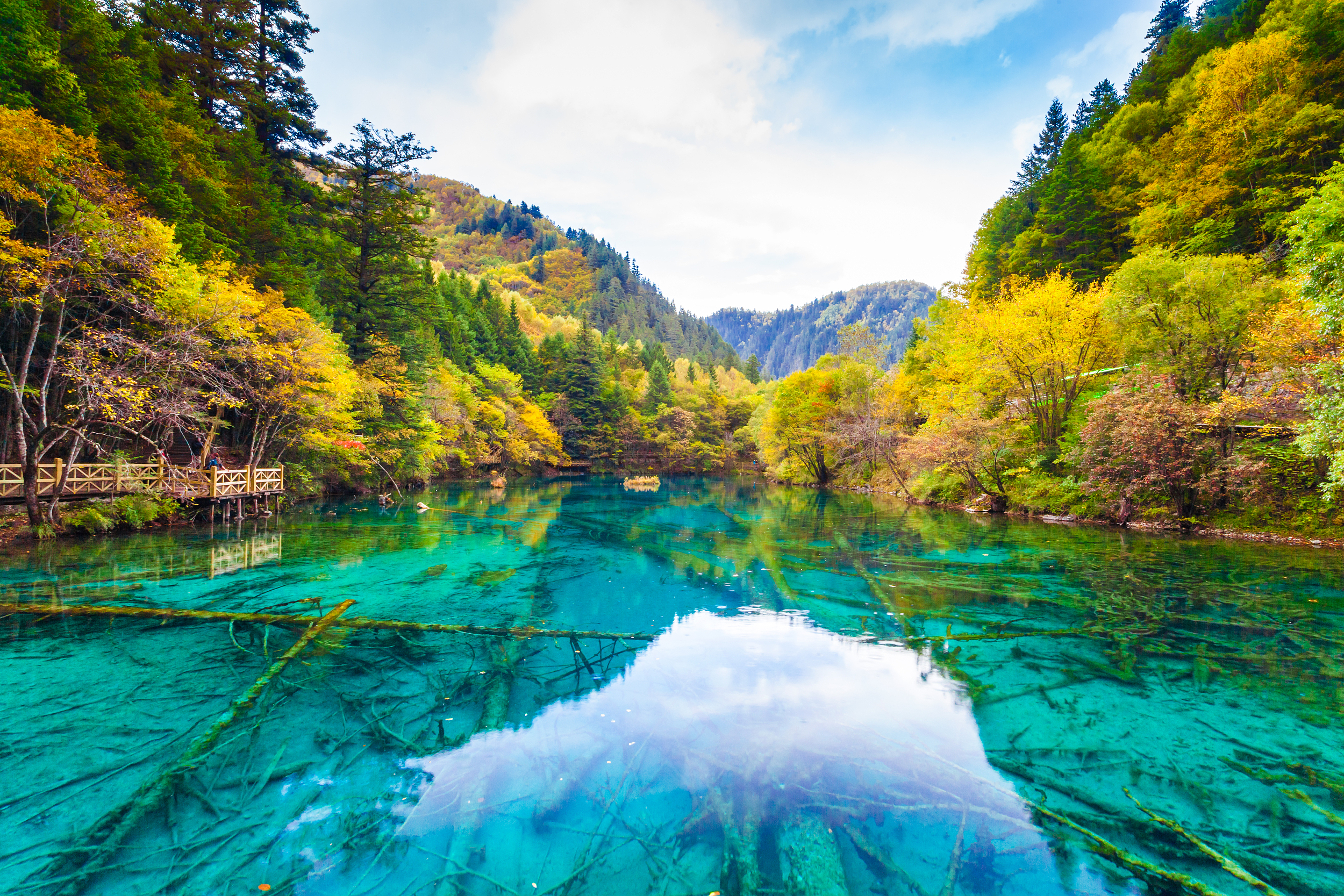
2026 Jiuzhaigou Travel Guide: must-see attractions, popular food, hotels, transport & travel experiences (updated in March)
4180 posts
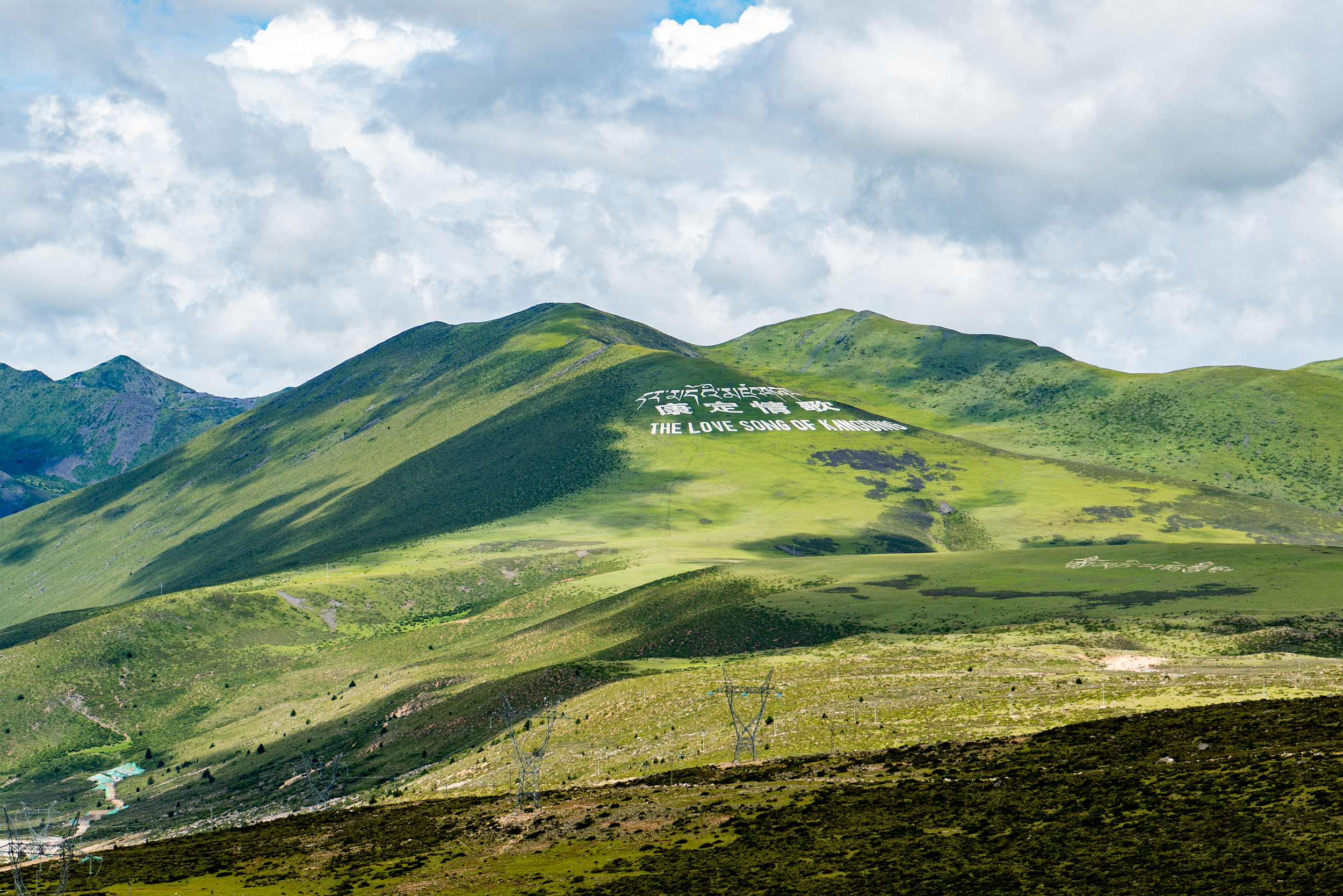
2026 Kangding Travel Guide: must-see attractions, popular food, hotels, transport & travel experiences (updated in March)
2510 posts
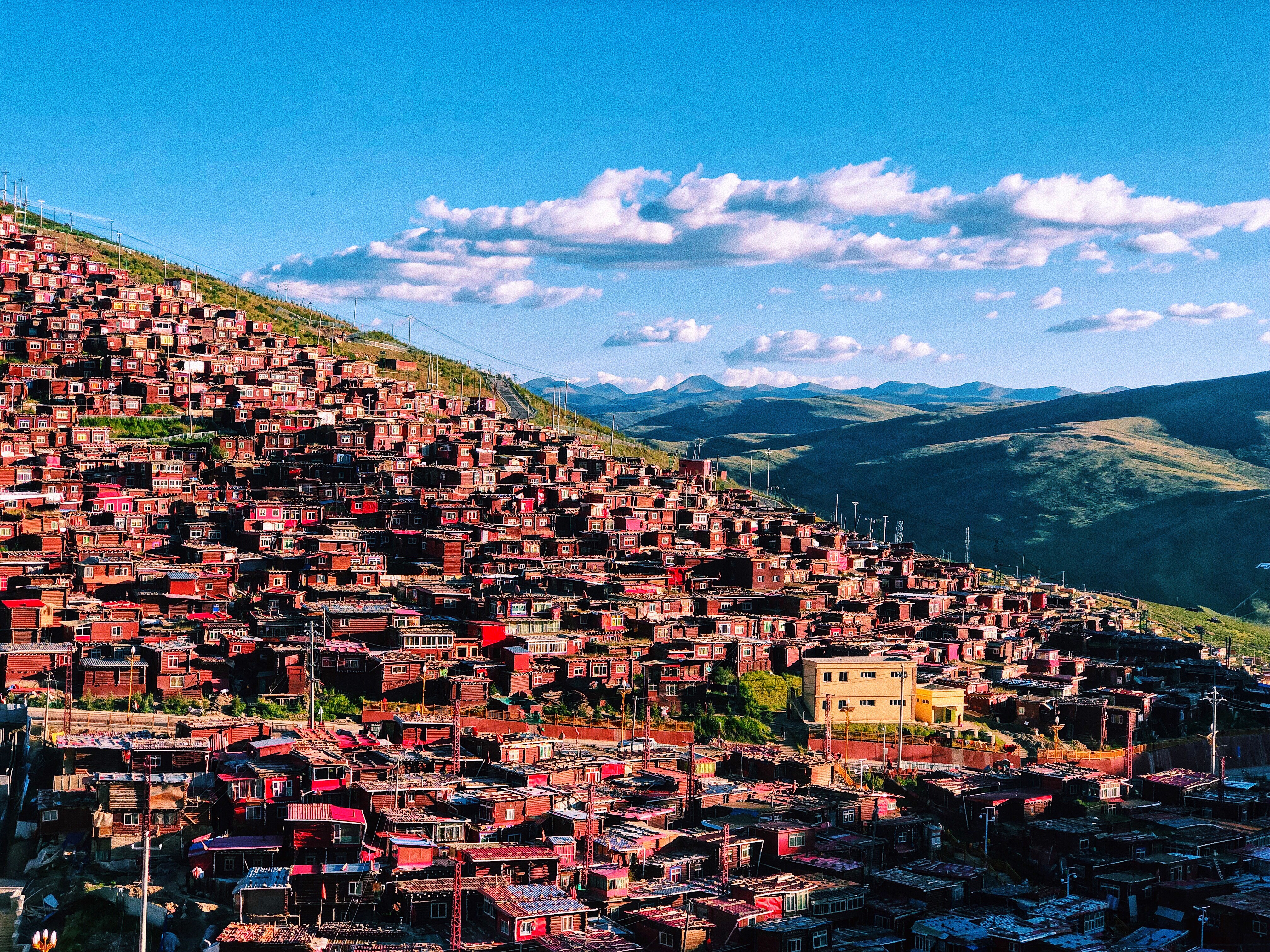
2026 Sertar Travel Guide: must-see attractions, popular food, hotels, transport & travel experiences (updated in March)
266 posts
- 1
- 2
- 3
- 4
- 5
Post
More recommendations
Popular Trip Moments
Markang Family Trip|The Tibetan Pearl of Western Sichuan for Reverse Child Travel | 3 Days 2 Nights Family Trip to Maerkang|A Hidden Tibetan Family Travel Guide in Western Sichuan | Zhejiang Residents Have 3 Months Left for Free Travel to Jiuzhaigou | Songgang Watchtowers: Four Hundred Years of Guarding the Sichuan-Tibet Route | Snowy Mountains and Pear Blossoms Complement Each Other: A Super Cozy Spring Outing for Families in Western Sichuan | Exploring the Settled Dust of the Tusi Official Village — Zhuokeji Travelogue | 🌿✨3,500 meters above sea level. So beautiful you have to keep quiet!! | Snowy Night on the Changlie Panshan Highway | Snow-Covered Changlie Panshan Highway | Xue Maerkang | Early spring in March, go to Jinchuan in Western Sichuan to see the pear blossoms, a springtime exclusive | The true form of the Nine-Story Demon Tower appears in a special exhibition at the Sichuan Museum. | Winter Exploration of Western Sichuan's 'First-Tier City': Ma'erkang Tibetan Warm Winter Guide | Unlock the Stunning Photo Spot of Markang - Changlie Monastery | Dazang Monastery is renowned as the main Gelugpa monastery in northern Sichuan | 3-Day Trip to Chengdu|Snow Mountains + Colorful Forests + Manor Girlfriend Getaway | Start now and head to the winter wonderland of Bipenggou Scenic Area | Malakang's Mountain Treasure Hotel is amazing! | Winter Silence on Xuemashan — Aba’s Hidden Hike 🏔️ | Stone Walls & Silent Rivers: A Slow Walk in Xisuo Village 🌿✨ | Chakki Tosa Gwanchae, a precious heritage of Tibetan Tosa culture | Seosomin House, a place where the scent of tradition lives and breathes | Reverse tourism is amazing! This underrated small town in Western Sichuan has completely captivated me! | This temple in Maerkang is known as the "Potala Palace of Western Sichuan"! It's incredibly luxurious! | Poetic Aba Station in China: Aba Attractions Recommendation | Four Girls Mountain 2 Days 1 Night Snow Viewing Guide The snow scenery of Four Girls Mountain is truly stunning! | Healing power of the plateau sunroom! Sunbathing with kids in the colorful canyon under the snowy mountains | Explore the Real-Life Version of "Dust Settled"! A Day Trip with Kids to Tibetan Epics and Natural Wonders | Winter Travel in Western Sichuan, Each Route Has Its Own Characteristics | Two-day trip to Majiagou | Even I, a dog, have played in the snow!
Popular Destinations
Muskogee County Travel | Nanaimo G Travel | Tasman District Travel | Santa Maria Department Travel | Ahwaz Travel | Purbeck District Travel | Wuhu Travel | Ashland Travel | Zanzibar South Region Travel | Koh Tao Travel | Pak Chong Travel | Nanyuki Travel | Wake Forest Travel | Zhen'an Travel | Fukuchiyama Travel | Jiaxing Travel | Multan District Travel | Karlovy Vary Region Travel | St. Louis County Travel | Dubrovnik Travel | Quarry Township Travel | Pirna Travel | Weesp Travel | Guantanamo Travel | Jabiru Travel | Brondby Travel | Podgorica Travel | Southampton Travel
Recommended attractions at popular destinations
Popular Attractions in Bangkok | Popular Attractions in Manila | Popular Attractions in Tokyo | Popular Attractions in Taipei | Popular Attractions in Hong Kong | Popular Attractions in Seoul | Popular Attractions in Kuala Lumpur | Popular Attractions in Los Angeles | Popular Attractions in Shanghai | Popular Attractions in New York | Popular Attractions in Shenzhen | Popular Attractions in Osaka | Popular Attractions in Singapore | Popular Attractions in London | Popular Attractions in Guangzhou | Popular Attractions in San Francisco | Popular Attractions in Beijing | Popular Attractions in Macau | Popular Attractions in Bali | Popular Attractions in Jakarta | Popular Attractions in Paris | Popular Attractions in Ho Chi Minh City | Popular Attractions in Istanbul | Popular Attractions in Phuket | Popular Attractions in Chicago | Popular Attractions in Seattle | Popular Attractions in Toronto | Popular Attractions in Orlando | Popular Attractions in Cebu | Popular Attractions in Chiang Mai
Popular Restaurants in Barkam
麦大湿丹波意象酒店·餐厅 | Haoweichuancai | 邱二餐馆 | 必来客欢乐汉堡餐厅(马尔康店) | 阿拉呛舍藏餐 | LU XI FEI NIU | 阿依拉拉藏餐厅 | Xingfushitang | 菌王府天麻火腿鸡(香巴拉商城店) | 大嘴巴养生汤锅(马尔康大厦店) | 粮食局酸菜饺子馆 | Shiban Barbecue | 德勒藏餐 | 马尔康小官寨民宿·太白楼餐酒吧 | Jiangjie Beef Noodles | 马尔康尘埃落定·豪生酒店·全日制餐厅 | 小胖烧烤 | Niujiadian | 雪域藏餐(崇列街店) | PIAO XIANG MAO CAI | 红英火锅冒菜店(广电大厦店) | 乡村印象土火锅(马尔康粮食局店) | 藏缘茶餐厅 | 佳韵川菜馆(卓克基土司官寨店) | 汤锅王(滨河路店) | Zhuoyue Bakery | Pangpangjizhua Hot Pot | 新月砂锅 | 麻辣成都小吃(达萨街店) | 留一锅干锅(马尔康店)
Popular Ranked Lists
Top 10 Best Things to Do in Nara City | Top 50 Best Things to Do in Madrid | Top 10 Luxury Hotels near Harrogate | Top 50 Must-Visit Restaurants in Luoyang | Top 10 Best Things to Do in Nagasaki City | Top 50 Must-Visit Restaurants in Zhangzhou | Top 50 Must-Visit Restaurants in Kaifeng | Top 10 Luxury Hotels near Pokolbin | Top 50 Must-Visit Restaurants in Changzhou | Top 50 Best Things to Do in Lisbon | Top 50 Luxury Hotels near Sichon | Top 50 Must-Visit Restaurants in Christchurch | Top 10 Luxury Hotels near Shirdi | Top 50 Best Things to Do in Singapore | Top 50 Best Things to Do in Florence | Top 50 Luxury Hotels near New Haven | Top 50 Best Things to Do in Munich | Top 20 Best Things to Do in Geneva | Top 50 Premium Hotels near Cholet | Top 50 Must-Visit Restaurants in Urumqi | Top 50 Best Things to Do in Osaka | Popular Premium Hotels in Hillsborough County | Top 50 Must-Visit Restaurants in Tonglu | Top 50 Best Things to Do in Edinburgh | Top 50 Must-Visit Restaurants in Guam | Top 50 Must-Visit Restaurants in Zhengzhou | Top 50 Must-Visit Restaurants in Phnom Penh | Popular Luxury Hotels Near Bellingham | Top 50 Best Things to Do in Barcelona | Top 50 Must-Visit Restaurants in Gold Coast
About
Payment methods
Our partners
Copyright © 2025 Trip.com Travel Singapore Pte. Ltd. All rights reserved
Site Operator: Trip.com Travel Singapore Pte. Ltd.
Site Operator: Trip.com Travel Singapore Pte. Ltd.